
As a coffee enthusiast who’s spent years experimenting with different brewing methods, I’m excited to share my thoughts on the Bialetti Brikka and the classic Moka Express.
The main intent here is to help you decide which one fits your morning routine by comparing their features, performance, and quirks from a hands-on perspective. Let’s get into it.
| Feature | Bialetti Moka Express | Bialetti Brikka |
| Design | Classic octagonal aluminum body with screw-on top | Similar aluminum build but with a specialized crema valve in the spout |
| Capacity Options | Available in 1-cup up to 18-cup sizes | Typically 2-cup or 4-cup, more limited |
| Brewing Pressure | Standard atmospheric pressure, no extra mechanisms | Enhanced pressure via valve for crema production |
| Coffee Style | Strong, espresso-like brew without crema | Espresso-style with a thick, foamy crema layer |
| Brew Time | 4-5 minutes on stovetop | Slightly longer, 5-7 minutes due to pressure build-up |
| Ease of Use | Simple assembly and cleaning | A bit more finicky with valve maintenance |
| Price Range | $20-50 depending on size | $40-70, pricier due to advanced features |
| Durability | Long-lasting with proper care | Durable but valve can wear over time |
| Ideal For | Everyday strong coffee lovers | Those seeking a crema-topped shot closer to machine espresso |
My Journey With Stovetop Coffee Makers
I’ve been using stovetop coffee makers for over a decade now, starting back when I was living in a tiny apartment with no room for a bulky espresso machine.
The Bialetti brand caught my eye because of its Italian heritage and straightforward design. The Moka Express was my first love—reliable, affordable, and it delivered that bold flavor I craved without any fancy gadgets.
Then, a few years ago, I upgraded to the Brikka after hearing whispers about its ability to mimic real espresso crema.
It changed how I viewed home brewing. In this article, I’ll break down what makes each one tick, drawing from my own trials and errors in the kitchen.
Key Differences Between The Bialetti Moka Express And Brikka
When I compare the two side by side, several distinctions emerge that could sway your choice.
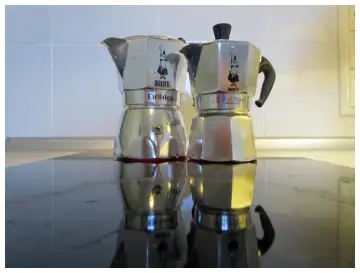
- Crema Production: The Brikka’s valve creates a frothy layer, while the Moka relies on standard percolation without foam.
This makes the Brikka feel more like machine espresso.
- Pressure Mechanism: Moka uses basic steam pressure; Brikka amps it up with a weighted valve for denser extraction.
I’ve noticed the Brikka pulls more body from the beans.
- Capacity and Size Options: Moka offers broader range, from tiny to large; Brikka sticks to smaller sizes.
If you brew for one or two, Brikka’s fine, but Moka scales better.
- Brew Quality and Taste: Moka gives a straightforward strong brew; Brikka adds creaminess and smoothness.
In blind tastes, I prefer Brikka for its richness.
- Ease of Use and Learning Curve: Moka is plug-and-play; Brikka requires finesse with heat and cleaning.
I fumbled the first few times with the Brikka.
- Price and Value: Moka is budget-friendly; Brikka commands a premium for its features.
Depending on your wallet, one might edge out the other.
- Durability and Maintenance: Both are sturdy, but Brikka’s valve adds a wear point.
I’ve replaced parts on neither, but Brikka demands more attention.
- Ideal User Scenarios: Moka for quick daily fixes; Brikka for those chasing espresso vibes.
I switch based on mood.
These differences highlight how the Brikka builds on the Moka’s foundation.
Key Features Of The Bialetti Moka Express
The Moka Express is like the old reliable friend in your coffee arsenal. Here’s what stands out to me:
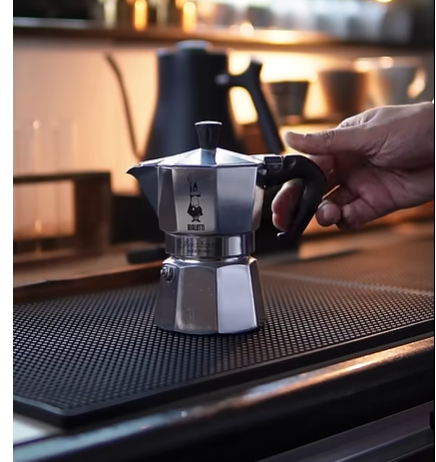
- Iconic Octagonal Shape: This isn’t just for looks; the aluminum body heats evenly, ensuring consistent extraction every time.
I’ve found it distributes heat better than some knock-off brands I’ve tried.
- Three-Chamber System: Water in the bottom, grounds in the middle funnel, and brewed coffee collects in the top.
It’s a simple percolation process that pushes hot water through the coffee under steam pressure.
- Variety of Sizes: From a solo 1-cup to a party-sized 18-cup, it scales to your needs.
I started with a 3-cup model, perfect for my daily dose without waste.
- Safety Valve: Built-in to release excess pressure, preventing any explosive mishaps.
In all my years, I’ve never had an issue, but it’s reassuring.
- Ergonomic Handle: Heat-resistant and easy to grip, though it can get warm after brewing.
I appreciate how it stays cool enough to pour right away.
- No Electricity Needed: Pure stovetop magic, great for camping or power outages. I’ve taken mine on road trips and it never lets me down.
These features make the Moka Express a staple for anyone who wants authentic Italian-style coffee without complications.
Pros Of The Bialetti Moka Express
From my experience, the upsides are plenty, especially if you’re budget-conscious or new to this brewing style.
- Affordability: It’s one of the cheapest ways to get espresso-like coffee at home. I picked mine up for under $30, and it’s paid for itself in saved cafe trips.
- Simplicity: No learning curve here—just fill, screw, and heat. Even on groggy mornings, I can assemble it half-asleep.
- Durability: Aluminum construction holds up well; mine’s still going strong after years of daily use, with just some patina for character.
- Versatility: Works on gas, electric, or induction stoves with an adapter. I’ve used it everywhere from my home kitchen to a friend’s induction setup.
- Rich Flavor Profile: Delivers a concentrated brew that’s bold and aromatic. I love how it extracts the oils from medium-dark roasts without bitterness.
- Easy Maintenance: Disassembles quickly for rinsing; no special tools needed. A quick wash after each use keeps it pristine.
Of course, nothing’s perfect, but these pros make it a go-to for many.
Cons Of The Bialetti Moka Express
That said, I’ve run into a few drawbacks that might steer you toward alternatives.
- No Crema: It produces a strong coffee, but lacks that frothy top layer true espresso fans crave. My brews are flat-topped, which sometimes feels incomplete.
- Potential for Over-Extraction: If you leave it on the heat too long, it can turn bitter. I’ve burned a few batches by getting distracted.
- Aluminum Concerns: Some worry about metal leaching, though I mitigate this by not storing coffee in it and cleaning thoroughly.
- Limited Control: No way to adjust pressure or flow; it’s all or nothing. For finicky tastes, this can be frustrating.
- Smaller Sizes Fill Quickly: The 1- or 2-cup models overflow if you’re not precise with water levels, leading to messes on the stove.
- Not Ideal for Fine Grinds: Too fine, and it clogs; I’ve experimented and found medium-coarse works best to avoid sludge.
These cons are minor in the grand scheme, but they’re worth noting if you’re picky about your cup.
Key Features Of The Bialetti Brikka
Now, shifting to the Brikka—it’s like the Moka’s sophisticated sibling. What draws me in are these standout elements:
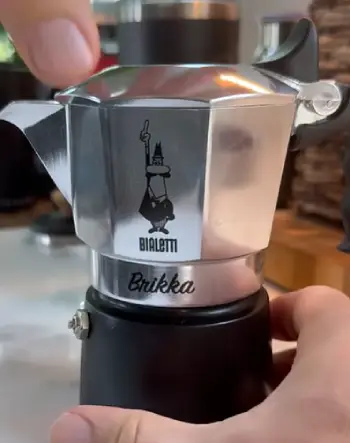
- Crema-Producing Valve: This is the star; a weighted valve in the spout builds extra pressure, forcing air into the brew for a creamy foam.
It’s what elevates it closer to barista-level.
- Compact Design: Similar aluminum octagon but with a refined spout.
The 2-cup version fits neatly in my cabinet, though it’s bulkier than the tiniest Mokas.
- Dual-Chamber with Enhancements: Same basic setup as the Moka, but the valve adds a layer of complexity for better results.
- Heat-Resistant Handle and Knob: Improved ergonomics; the knob is bakelite, staying cooler longer.
I can grab it right off the stove without hesitation.
- Safety Features: Includes a pressure release valve, plus the crema mechanism acts as a safeguard against over-pressurization.
- Stovetop Compatibility: Like the Moka, but I’ve noticed it performs best on medium heat to let the valve work its magic.
These features position the Brikka as a bridge between traditional moka pots and modern espresso machines.
Pros Of The Bialetti Brikka
I’ve grown to appreciate the Brikka for its upgrades, especially on weekends when I want something special.
- Authentic Crema: That thick, golden foam makes every sip feel luxurious. It’s the closest I’ve gotten to cafe espresso without a machine.
- Enhanced Flavor: The pressure extracts more nuances; my coffees taste smoother and more balanced, with less bitterness.
- Compact and Portable: Easy to pack for travel; I’ve brought it to family gatherings and impressed everyone with crema-topped shots.
- Durable Build: High-quality aluminum resists warping; mine’s held up through hundreds of brews.
- Satisfying Brew Process: The hissing sound as crema forms is addictive. It adds a ritualistic element to my routine.
- Value for Money: Though pricier, the crema feature justifies the cost if you’re after that pro touch.
It’s not just coffee—it’s an experience.
Cons Of The Bialetti Brikka
Despite my affection, there are hurdles I’ve encountered.
- Higher Price Point: It costs nearly double the Moka, which might not appeal if you’re on a tight budget.
- Smaller Capacity: Limited to 2- or 4-cup, so not great for groups. I often brew multiple batches for guests.
- Longer Brew Time: The valve requires building pressure, adding a minute or two. Mornings feel rushed sometimes.
- Maintenance Demands: The valve needs regular cleaning to prevent clogs; I’ve had to disassemble it more often than the Moka.
- Heat Sensitivity: Too high flame, and it sputters; I’ve learned to babysit it for perfect results.
- Potential for Mess: If the valve sticks, coffee can spray. A few kitchen towels have been sacrificed in my learning phase.
These issues are manageable with practice, but they’re real.
Brewing Techniques: How I Use Each One?
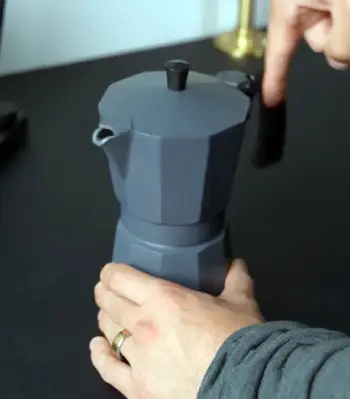
Let me walk you through my typical routine with both.
or the Moka Express, I start by filling the bottom chamber with cold water just below the valve.
Then, I add medium-ground coffee to the funnel—about 15 grams for a 3-cup—without tamping, as that can block flow.
Screw on the top, place on medium-low heat, and wait for the gurgle. Once it starts sputtering, I remove it to avoid bitterness.
The result? A robust cup that pairs well with milk for a makeshift latte.
With the Brikka, it’s similar but with tweaks. I use finer grounds for better crema—around 10-12 grams for the 2-cup.
Water level is crucial; too much, and pressure doesn’t build right.
On the stove, I keep heat low to let the valve activate gradually.
You’ll hear a distinct whoosh as crema forms.
Pouring reveals that beautiful foam cap. I often enjoy it black to savor the texture.
In my kitchen tests, the Brikka’s brew clocks in at about 5-6 minutes, versus 4 for the Moka. But the wait is worth it for that velvety mouthfeel.
Material And Build Quality Insights
Both are crafted from food-grade aluminum, which I like for its lightweight and heat conduction. The Moka’s classic polish develops a seasoned look over time, which I find charming.
The Brikka shares this but feels more premium with its valve assembly. I’ve dropped both (oops) and they bounced back without dents.
One thing I watch is aluminum’s reaction to acids; I never leave coffee sitting in them. For longevity, I hand-wash with mild soap and air-dry. No dishwasher for these icons— it could strip the finish.
Flavor Profiles And Coffee Bean Recommendations
Taste is subjective, but from my palate, the Moka Extract pulls earthy, intense notes from dark roasts like Italian blends.
It’s punchy, with a slight bitterness that mellows with sugar. The Brikka softens this, adding a creamy sweetness even from the same beans. I get more chocolate and nut undertones.
I recommend fresh beans: For Moka, try Lavazza Qualità Rossa; for Brikka, Illy’s medium roast shines with the crema.
Grind fresh each time— I use a burr grinder set to medium for Moka, finer for Brikka. Water quality matters too; filtered water enhances clarity.
Cost-Benefit Analysis From My Wallet
Breaking it down financially, the Moka at $25-40 is a steal. Over five years, with daily use, it’s pennies per cup versus cafe prices.
The Brikka at $50-70 feels indulgent, but if crema is your thing, it saves on machine investments. I calculate: A basic espresso maker costs $100+, plus maintenance.
These pots? Minimal upkeep.
Accessories like replacement gaskets (under $5) extend life. In my book, both offer solid ROI, but Brikka edges for quality seekers.
User Experiences And Common Mistakes
From chatting with friends and online forums (without naming any), many echo my thoughts. Newbies love the Moka’s forgiveness; pros gravitate to Brikka for refinement.
Common pitfalls? Overfilling water—leads to weak brew. Or high heat, causing scorched taste. I advise starting low and slow.
One buddy swore off Brikka after a valve jam, but cleaning with a brush fixed it for me. Real users appreciate their portability; I’ve brewed on hikes with a portable stove.
Environmental And Sustainability Angle
I think about this a lot—these pots are eco-friendly.
No pods or filters; just reusable metal. Aluminum is recyclable, and with care, they last generations. Compared to electric machines, they use less energy. I grind beans in bulk to cut packaging waste. If su
stainability drives you, either wins over single-use systems.
When To Choose One Over The Other?
If your routine is fast and furious, grab the Moka. It’s my weekday warrior. For leisurely sips or impressing guests, Brikka delivers.
Consider space: Small kitchen? Both fit. Budget tight? Moka. Craving crema? Brikka. I’ve owned both and alternate based on the day.
Also Read: Comparison Of Nutribullet Pro Plus And Ultra
Frequently Asked Questions (FAQ)
The main difference is the Brikka’s crema valve, which adds foam and richer texture, while the Moka produces a standard strong brew without crema.
Its pressure valve creates authentic espresso-like crema, elevating the flavor and mouthfeel beyond traditional moka pots.
Many Italians use moka pots at home for daily coffee, but espresso from bars is a cultural staple for social occasions.
Brikka’s crema is thicker and more persistent due to the valve’s aeration, unlike the minimal or absent foam in regular moka brews.
Wrapping It Up
Reflecting on my experiences, I’ve come to see the Moka Express as the dependable everyday hero and the Brikka as the exciting upgrade that brings a touch of luxury to my counter.
You might find the Moka suits your simple needs, or perhaps the Brikka’s crema will hook you like it did me.
Whichever you choose, remember to experiment with beans and techniques—it’s all about crafting that perfect cup. What about you? Give one a try and let me know how it transforms your mornings.
Recent Posts
I spent months comparing budget options against established names after my last set of tires wore out sooner than expected.My goal here is to share what I learned from putting Dextero and...
AquaTru Carafe Vs. Classic: Which Is Actually Fits Your Kitchen?
I decided to write this comparison after months of testing both the AquaTru Carafe and the Classic in my own kitchen. Tracking covered daily use.Taste stayed consistent. Refill frequency...