
I have spent years conditioning boots, jackets, bags, and saddles. The choice between Bick 4 and mink oil comes up often.
My goal is a clear practical breakdown. You can pick the right product for the leather you own and the way you use it.
| Feature | Bick 4 | Mink Oil |
| Base | Water-based, wax-free | Animal fat (mink) based |
| Darkening effect | None to minimal | Noticeable, often permanent |
| Penetration | Moderate, surface to mid-layer | Deep into fibers |
| Waterproofing | Very low | Moderate water resistance |
| Finish | Clean, non-sticky, low shine | Matte to slightly greasy |
| Best for | Finished, light, exotic leather | Thick, rugged, outdoor leather |
| Reapplication | More frequent | Less frequent |
| Residue | None | Can leave oily feel if overdone |
| Breathability | Maintains open pores | Can reduce if over-applied |
My First Experience with Bick 4 And Mink Oil
My first experience with Bick 4 started on a pair of light tan dress boots. The leather felt dry after months of wear. I cleaned the surface first.
I shook the bottle. I wiped a thin coat with a soft cloth. The cream went on smooth. It sat for twenty minutes. I buffed it.
The leather felt softer right away. The color stayed the same. No dark spots appeared. The surface stayed clean.
No sticky feel remained. I wore the boots the next day. They flexed better. They looked fresh. That first use showed me the color safety. It showed me the easy clean finish.
My first experience with mink oil started on a pair of heavy work boots. The leather felt stiff. The boots saw rain and dust daily. I cleaned the surface first. I warmed the tin a bit. I applied a thin layer with a cloth.
I worked it in with circles. The oil soaked deep. I left the boots overnight. The next morning the leather felt much softer. Water beaded on the surface. The color turned darker by two shades. The finish looked matte. Some residue stayed until I wiped it.
The boots handled wet days better after that. The darkening was clear. The softening was strong. That first use showed me the deep power. It showed me the color change cost.
Both first uses taught me clear lessons. Bick 4 keeps the look close to new. Mink oil changes the look for more protection.
Thin coats work best on both. Testing a small spot first avoids surprises. I still use both today based on those first results.
Key Differences Between Bick 4 And Mink Oil
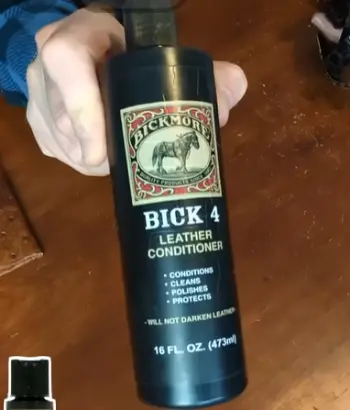
- Base composition starts different in each product and drives most results: Bick 4 uses a water-based blend of emulsifiers.
Mink oil uses rendered animal fat. This difference drives most behavior I see in daily tests.
- Effect on color shows clear contrast after full drying time: Bick 4 leaves the shade unchanged on light leather.
Mink oil almost always darkens the leather. The change is usually permanent after setting.
- Depth of conditioning varies by product on the same hide type: Bick 4 works mainly in the upper layers of finished leather.
Mink oil sinks farther into the fibers. It softens thick leather more. Overuse can make the hide feel limp over time.
- Water behavior differs in daily wear under wet conditions: Bick 4 offers almost no extra resistance to moisture.
Water soaks in the same as untreated leather. Mink oil creates a mild barrier. Water beads and rolls off for a while after treatment.
- Finish and residue leave different results after buffing: Bick 4 leaves a dry clean surface after a light buff.
Mink oil can leave a slightly oily feel if applied heavy. That surface picks up dust more easily in daily use.
- Ideal leather types match different needs based on use: Bick 4 suits finished smooth leather for office wear.
It suits light colors on dress boots. Mink oil suits heavy work boots for outdoor jobs. It suits thick hides that face rough weather.
Key Features Of Bick 4
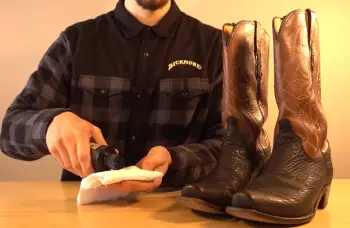
- Non-darkening formula keeps original shade on light and multi-tone leather: This feature keeps me reaching for the bottle on light leather. Original color remains true.
That is rare among most conditioners on the market.
- Cleans while it conditions in one step for everyday maintenance: Light surface dirt lifts as I wipe the product on.
I often skip a separate cleaning step for regular care.
- Wax-free and breathable keeps pores open during warm weather wear: Pores stay open after full absorption.
Leather feels less sealed. It stays more comfortable in heat over long days.
- Wide compatibility covers many goods without special changes: It works on boots for daily use.
It works on shoes for office wear. It works on jackets for travel. It works on furniture for home. It works on car seats for vehicles. It works on exotic skins for special items.
- Simple application and cleanup need little effort in short sessions: A cloth works for even spread.
A few minutes of wait time works for absorption. A light buff works for finish. No heat is needed. No special tools are needed for results.
Pros Of Bick 4
- Preserves original color completely on all tests over long use: I never worry about tan boots turning brown after coats. I never worry about two-tone pairs losing contrast. That reliability is the main reason I stock it for light leather.
- Safe for frequent use on high-wear items without buildup: It does not build up on the surface. It does not clog pores over time. I can reapply every few weeks on daily boots. Risk of over-softening stays low with thin coats.
- Leaves no sticky or greasy film after buff on clean leather: Hands stay clean during application. Leather does not attract extra dirt after drying. Oily surfaces attract dirt more in dusty places.
- Affordable volume gives good value for multiple pairs: Larger bottles cost less per use over time. Treating multiple pairs stays economical for households. Treating furniture pieces stays economical for larger surfaces.
- Versatile across many leather goods in one bottle for home use: One bottle handles boots for daily wear. One bottle handles bags for travel. One bottle handles jackets for seasons. One bottle handles car interiors for vehicles.
Cons Of Bick 4
- Limited waterproofing needs extra product for wet conditions:Boots in rain need a separate waterproofer after conditioning. Boots in snow need a separate waterproofer for full protection.
- Shallower conditioning on very dry leather shows limits in one pass: Severely neglected hides need more sessions over days. Thick oil-tanned hides need a stronger product first for full recovery.
- Low shine requires follow-up polish for dress look: It does not create a polished look on its own. Gloss needs a separate cream after drying. Gloss needs a separate polish for formal wear.
- More frequent reapplication needed on same boots for daily use: The lighter formula does not last as long between treatments. Heavier oils last longer on the same pairs under hard wear.
Key Features Of Mink Oil
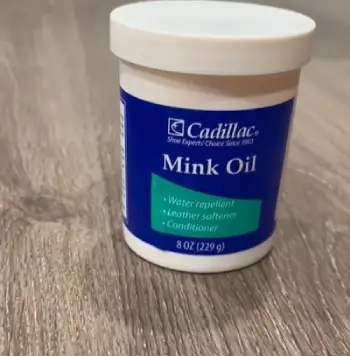
- Deep fiber penetration restores flexibility on dry stiff hides: Oils reach farther into the hide than surface products.
Flexibility returns to stiff leather after one full treatment.
- Added water resistance helps outdoor use in wet conditions: A treated boot sheds light moisture better than untreated.
This helps outdoor work in rain. This helps wet seasons on trails.
- Strong softening action works on dry leather that feels hard: Dry leather softens faster under thin coats.
Cracked leather softens faster with overnight rest. New stiff leather softens faster for break-in.
- Traditional long shelf life lasts years in sealed storage: The product stays usable for years if kept closed.
The container stays sealed against air. This fits slow rotation of heavy gear over seasons.
- Matte utilitarian finish matches work boots for practical look: The look after treatment is low-shine and practical.
It matches work boot character for job sites. It avoids high gloss that shows scuffs fast.
Pros Of Mink Oil
- Excellent for heavy outdoor use on tough gear in rough weather: Work boots gain durability from deep oils. Hiking gear gains durability on trails. Farm leather gains durability in fields. Water resistance improves for wet days.
- Strong revival of dry or stiff leather happens fast with rest: Old boots feel flexible again after treatment. A proper thin application works well. Overnight rest works for full absorption.
- Longer intervals between treatments suit moderate use over months: Leather gets saturated with careful coats. Months pass before next full treatment. Moderately used pairs last longer between sessions.
- Budget-friendly for rugged gear covers large areas on thick hides: A small tin covers thick hides for several pairs. A small bottle covers thick hides for work gear. Costs stay low for multiple work boots over time.
Cons of Mink Oil
- Darkens leather often permanently on light hides after setting: Light leather changes color in visible ways. Natural-finish leather changes color after absorption. The change cannot be reversed once set. I always test a hidden spot first.
- Risk of over-softening affects structure on shape-dependent items: Too much product makes leather lose shape over weeks. Too frequent use makes leather lose shape on bags. Boots that need form suffer under heavy load.
- Can reduce breathability over long wear in closed boots: Heavy saturation fills pores on the surface. Moisture traps inside the boot during wear. Long wear periods show this in warm conditions.
- Attracts dirt if residue remains on surface after application: Leftover oil picks up dust in dry places. Leftover oil picks up mud in wet places. Full absorption stops this problem. Clean wipe stops this problem.
- Not suitable for delicate or napped leathers at all under any use: Suede gets ruined by heavy oils. Nubuck gets ruined by saturation. Patent gets ruined by residue. Fine dress calf gets ruined by darkening.
When I Choose One Over The Other?
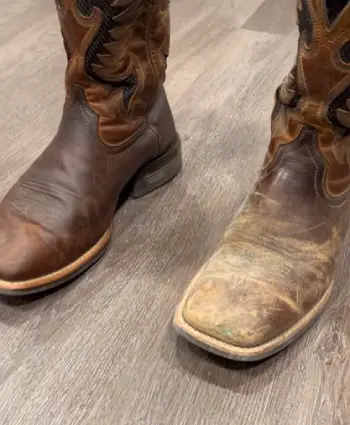
On light-tan heritage boots for office wear I choose Bick 4. Color stays true after coats. Leather softens just enough for comfort.
I can reapply without worry on light shades. On heavy work boots facing concrete dust I choose mink oil.
On heavy work boots facing rain I choose mink oil.
Extra conditioning matters more for durability. Water resistance matters more for wet days. Color shift is acceptable on dark work pairs.
I sometimes use both in sequence on the same pair. A light Bick 4 session handles regular upkeep on clean leather.
A careful mink-oil treatment handles dry weather on stiff spots. A careful mink-oil treatment handles wet weather for resistance.
That hybrid approach works only when I accept the darkening from the oil.
Application Tips From Experience
For Bick 4 I shake the bottle well. I wipe a thin even coat with a clean cloth. I let it sit fifteen to thirty minutes for absorption.
I buff with a soft cloth. On very dry leather I do a second light coat the same day. For mink oil I warm the tin slightly if solid.
I apply a thin layer with a cloth. I work it in with circular motions for even spread. I let the boots rest overnight for full soak. I wipe any excess the next day. Thin coats always outperform heavy ones on both products.
Temperature affects absorption speed. Humidity affects absorption speed. Warm dry rooms speed the process on both. Cold damp spaces slow it down on both. I never apply either product to wet leather. I never apply either product to leather with heavy dirt on the surface.
Long-Term Effects I Have Observed
Leather treated only with Bick 4 keeps original character over years. It develops natural patina at normal pace.
Surface stays clean after buffs. Structure holds well under daily wear. Leather treated regularly with mink oil becomes darker over time.
It becomes more flexible under use. Overdo it and the hide feels too soft. Stitching suffers over years on seams.
Shape suffers over years on structured items. Moderation is the real skill with both products for long life.
Also Read: Comparison Of Bick 4 And Leather Honey
Frequently Asked Questions (FAQ)
Avoid it on light-colored leather for color reasons. Avoid it on dress shoes for structure reasons. Avoid it on suede for texture reasons. Avoid it on nubuck for texture reasons. Avoid it on patent leather for finish reasons. Avoid it on any item where original color matters more than softening.
Neatsfoot oil offers similar deep conditioning on thick hides. Some heavy boot oils offer similar water resistance on outdoor gear. Most still darken leather in the same way.
Yes. It conditions finished leather well. It cleans lightly in one step. It keeps finished leather soft for wear. Color stays the same after drying. Pores stay open for breath.
No. It is formulated not to darken finished leather. Real-world use confirms the color stays the same after full drying.
Wrapping Up
I wrote this comparison so you match the product to the leather. You match the product to the job. Bick 4 keeps color true on light pairs.
It keeps leather comfortable for everyday use. It keeps leather comfortable for dress use. Mink oil delivers deeper conditioning on tough pairs.
It delivers water resistance for hard outdoor service. Darkening is the cost on light hides. Careful application is required for best results.
Test a small area first. Apply thin coats only. Choose based on what you value most in the end look. Your leather lasts longer with the right match.
Your leather looks better with the right match. The treatment fits the way you wear it each day.
Recent Posts
Elemis Pro-Collagen Marine Cream Reviews: Is It Worth The Money?
In my view, Elemis Pro-Collagen Marine Cream is worth considering if you want a luxurious daily moisturizer that leaves your skin feeling soft, hydrated, and smoother.Its appeal lies in its...
If you are considering SlimFierce for weight loss, I recommend holding off on buying it until you have verified its ingredients, safety, and customer feedback.Weight loss supplements often...