
I’ve spent years caring for my leather boots, jackets, car seats, and furniture, and I’ve tried plenty of products along the way.
When it comes to keeping leather soft, protected, and looking its best without ruining the color or feel, two names keep coming up: Bick 4 and Leather Honey.
In this article, I compare Bick 4 vs Leather Honey from a real user’s perspective. I’ll break down their key features, pros, cons, and differences so you can decide which one fits your leather needs better.
Whether you want something that preserves the original shade or a heavy-duty restorer for dried-out pieces, I’ll help you choose wisely.
| Aspect | Bick 4 | Leather Honey |
| Consistency | Thin, lotion-like, easy to spread | Thick, honey-like, sticky |
| Darkening Effect | Minimal to none | Noticeable darkening |
| Penetration | Surface-level, needs more frequent use | Deep penetration, lasts longer |
| Water Resistance | Basic | Good added water-repellent properties |
| Shine | Low, more natural matte finish | Higher gloss finish |
| Application Frequency | Every few weeks to months | Every 6 months or more |
| Best For | Light-colored leather, maintaining color | Dry, cracked, or heavily used leather |
| Price Point | Very affordable | Affordable, good value due to longevity |
| Residue | Clean, non-greasy | Can feel sticky until fully absorbed |
My Experience Testing Both Products
I first grabbed Bick 4 for a pair of light brown work boots I didn’t want to darken. The thin formula spread like a dream on a soft cloth.
After buffing, the leather felt noticeably suppler without any greasy leftover feel. What stood out most was how it kept the exact shade I bought them in—no color shift at all.
Later, I tried Leather Honey on an old, dried-out leather jacket that had started cracking near the elbows.
The thick texture took more effort to apply evenly, but once it soaked in over a few hours, the jacket transformed.
It felt reborn, softer and more flexible than it had in years. The slight darkening actually gave it a richer, vintage look I ended up loving.
Both products deliver real conditioning power, but they approach the job differently. I’ve used them on everything from car interiors to handbags, and each shines in specific scenarios.
Key Differences Between The Bick 4 And Leather Honey
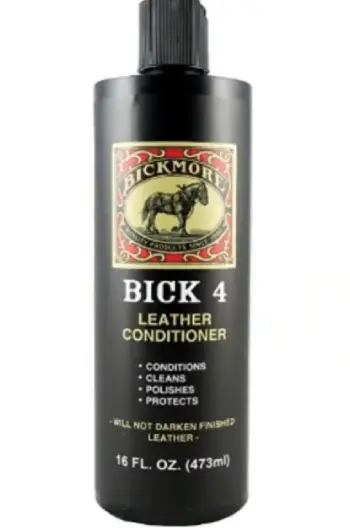
- Color impact: Bick 4 stays neutral and keeps your leather looking exactly as purchased, while Leather Honey adds depth and can shift tones toward a richer, darker hue.
- Texture and ease of use: Bick 4 feels like a lightweight lotion that spreads and buffs quickly, whereas Leather Honey’s viscous nature requires more patience and elbow grease.
- Depth of conditioning: Leather Honey sinks deeper and nourishes fibers for longer-lasting softness; Bick 4 works more on the surface for lighter touch-ups.
- Longevity and maintenance: You’ll apply Bick 4 more regularly for ongoing care, but Leather Honey stretches further between treatments.
- Finish and protection: Bick 4 delivers a natural matte-to-satin look with basic protection, while Leather Honey offers more gloss and better water repellency.
- Best use cases: Reach for Bick 4 on new or light-colored items and dress shoes; choose Leather Honey for restoring old boots, saddles, or furniture that’s seen better days.
These differences make the choice situational rather than one being universally better. I keep both in my leather care kit now because they complement each other well.
Key Features Of Bick 4
- Does not darken leather substantially: This is its biggest selling point for anyone with light or exact-match colored items.
- Wax-free formula: It avoids building up a sealing layer that can clog pores over time.
- Cleans, conditions, and protects in one step: It removes light dirt and water spots while moisturizing.
- Easy application and quick absorption: The lighter consistency means less mess and faster buffing.
- Safe for a wide range of smooth leathers: Works well on shoes, jackets, furniture, and auto interiors without harsh solvents.
I appreciate how foolproof it feels. You can apply it without worrying about overdoing it on delicate pieces.
Pros of Bick 4
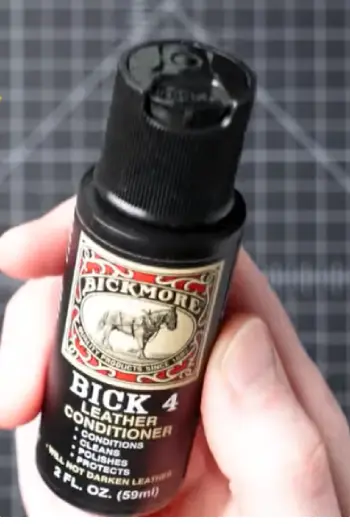
- Extremely budget-friendly for regular use: I love how affordable Bick 4 is, especially when you have multiple leather items that need frequent attention.
A single bottle lasts me a long time even though I use it more often than Leather Honey.
For the price, you get solid conditioning power without breaking the bank, making it perfect if you’re on a budget or simply want to maintain several pairs of shoes, jackets, and car seats without worrying about cost every month.
- Preserves original color perfectly: This is hands-down the strongest advantage for me. If you own light-colored leather, white, beige, or any piece where the exact shade matters, Bick 4 is a lifesaver.
It barely darkens the leather at all, so my tan boots still look exactly like the day I bought them.
No surprises, no regrets, and no need to stress about color shifts that can ruin the whole look of an outfit or interior.
- Leaves a clean, non-greasy finish that’s easy to polish over if needed: After applying and buffing, the leather feels soft but never slick or oily.
This makes it super easy to apply shoe polish or other finishes right afterward if I want a sharper shine.
Unlike some heavier conditioners that leave a film, Bick 4 disappears into the leather nicely, giving you a natural matte-to-satin look that feels clean to the touch.
Cons Of Bick 4
- Shallower penetration means you’ll reach for it more often on heavily used items: Because Bick 4 works mostly on the surface level rather than sinking deep into the leather fibers, it doesn’t provide the same long-term hydration as thicker conditioners.
On my daily driver boots or car seats that get constant use, I find myself reapplying every few weeks instead of months.
If you hate frequent maintenance or have very dry, thirsty leather, this can become a bit annoying over time.
- Limited water resistance compared to deeper-penetrating options: While it does offer some basic protection, Bick 4 doesn’t add much in the way of water repellency.
I’ve seen water spots form more easily on treated surfaces during light rain compared to when I use Leather Honey.
If you live in a wet climate or use your leather outdoors a lot, you might need to combine it with a separate waterproofer, which adds an extra step.
- Provides only a subtle natural look rather than a glossy shine: If you’re someone who loves that rich, polished, high-shine finish on your boots or jackets, Bick 4 might leave you wanting more.
It gives a clean matte-to-satin appearance, which I personally like for a natural look, but it won’t deliver the deep gloss many people expect from a premium conditioning treatment.
You’ll often need to add polish afterward if shine is your goal.
Key Features Of Leather Honey
- Deep penetration into leather fibers: It reaches further to restore moisture where it’s needed most.
- Long-lasting results: Many users, including me, only reapply every six months or longer.
- Adds water-repellent and mildew-resistant qualities: Helpful for outdoor gear or frequently exposed items.
- Restores flexibility in dry or cracked leather: Excellent for reviving old or neglected pieces.
- Non-toxic, no solvents or silicone: Appeals to those who prefer simpler formulations.
The honey-like thickness surprised me at first, but it really hugs the leather and delivers noticeable rejuvenation.
Pros Of Leather Honey
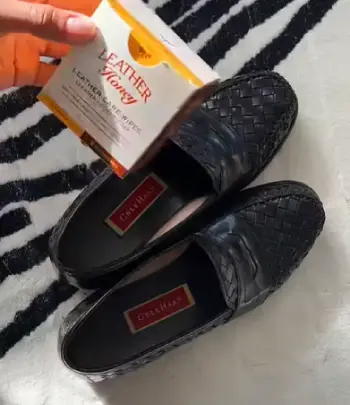
- Superior deep conditioning that brings dead leather back to life: When my old leather jacket was stiff, cracked at the elbows, and feeling like cardboard, Leather Honey worked wonders.
Its thick formula sinks deep into the fibers and restores flexibility in a way lighter conditioners simply can’t match.
After a good application and some time to absorb, the leather became noticeably softer, more pliable, and felt rejuvenated from the inside out.
- Excellent longevity reduces how often you need to treat your items: One of the things I appreciate most is how long the effects last.
While I reapply Bick 4 every month or two on heavy-use items, Leather Honey can easily go six months or longer before the leather starts feeling dry again.
This saves time and effort in the long run, especially for big pieces like sofas or rarely worn but expensive jackets.
- Provides some natural water resistance and protection against drying out: Leather Honey doesn’t just moisturize — it adds a decent level of water repellency and helps guard against future cracking caused by sun exposure or dry air.
I’ve noticed my treated boots handle light rain much better, and the leather stays supple even when left in a hot car for days.
It gives your leather an extra layer of defense that goes beyond basic conditioning.
- Gives a richer, glossier appearance that many people find attractive: If you like that deep, luxurious, well-fed look on your leather, Leather Honey delivers.
It enhances the natural color and adds a subtle sheen that makes even old pieces look more premium.
My dark brown boots gained a beautiful depth after treatment, and the slight darkening actually improved their overall appearance in my eyes.
Cons Of Leather Honey
- Thick consistency can feel sticky during application until it fully absorbs: The honey-like thickness is great for deep conditioning but makes application messy and time-consuming.
When I first used it, the product sat on top of the leather feeling tacky and sticky for quite a while before it soaked in.
You need patience and a good buffing session afterward, otherwise your hands and the leather can feel greasy for hours.
- Noticeably darkens leather, which may not suit light colors or items where shade matters: This is the biggest drawback for many users, including situations where I wanted to keep the original color.
Leather Honey noticeably darkens the leather, sometimes quite a bit. I wouldn’t use it on my light tan boots or any pale furniture because it can completely change the appearance.
If color accuracy is important to you, this can be a deal-breaker.
- Harder to apply evenly, especially on textured or pebbled surfaces: Because it’s so viscous, it doesn’t spread as smoothly as Bick 4.
On pebbled leather or areas with stitching and texture, I sometimes end up with uneven patches if I’m not extremely careful.
It takes more effort and time to work it in properly, which can be frustrating when you’re conditioning large items like a couch or car interior.
- Can make polishing more difficult if you want a high-shine finish afterward: The heavy oils in Leather Honey can interfere with how shoe polish or finishing products adhere.
After using it, I noticed it was harder to get a crisp, high shine on my boots compared to when I use Bick 4.
If you like to polish your leather regularly for that mirror-like finish, this can become an issue.
Which One Should You Choose?
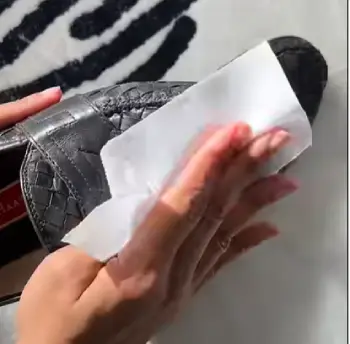
If you own light-colored leather, vintage pieces where color accuracy matters, or you simply want an easy, low-maintenance option for regular upkeep, I recommend starting with Bick 4.
Its reliability and color-safe nature make it a safe daily driver that won’t surprise you.
On the other hand, if your leather feels stiff, cracked, or dried out from age, sun, or heavy use, go with Leather Honey.
The deep hydration it provides can genuinely extend the life of your favorite items and bring back that supple feel you thought was gone forever.
Many of us end up owning both. I use Bick 4 for quick refreshes on my boots and car seats, then turn to Leather Honey when something needs serious rescue.
Test a small hidden area first with either product—leather can react differently depending on the tannage and finish.
Also Read: Comparison Of Lexol And Bick 4
Frequently Asked Questions (FAQ)
Yes, it’s a solid, affordable choice that conditions well without darkening leather or leaving residue. It’s especially reliable for maintaining color and everyday care.
There isn’t one universal best, but Leather Honey’s cleaner pairs nicely with its conditioner, and many users praise gentle options that avoid harsh chemicals. Pairing a dedicated cleaner with your favorite conditioner usually gives the strongest results.
When used as directed, side effects are minimal. Overexposure might cause mild skin drying or eye irritation. Ingestion of large amounts could lead to stomach discomfort. It’s generally considered safe for normal leather care use.
Absolutely. It excels at deep restoration and long-lasting softness. Thousands of users swear by it for reviving tired leather, though its thickness and darkening effect won’t suit every situation.
Wrapping It Up
After putting both Bick 4 and Leather Honey through real-world testing on my own gear, I can tell you they’re both worth having around.
You get reliable conditioning from Bick 4 with the peace of mind that your light leathers stay true to color and easy to maintain.
Leather Honey steps up when you need serious revival, delivering deeper moisture and longer protection that can make old items feel new again.
Recent Posts
● Interactive 5-Zone Interior & Exterior Paint Blueprint Paint Coverage Calculator: Gallons, Primer, Square Footage & Cost Tap any architectural surface zone on the blueprint...
If you want smooth, shiny hair without spending a fortune on a premium styling tool, the Ella Bella hair dryer may be worth considering.In these Ella Bella hair dryer reviews, I’ll look...