
As someone who’s spent years testing skincare lines to find what truly works for my routine, I’m excited to share this comparison between Biossance and True Botanicals.
My main goal here is to break down their differences so you can pick the one that fits your needs, whether you’re after science-backed formulas or luxurious natural blends.
Both brands promise clean, effective skincare, but they approach it uniquely—let’s explore that.
| Aspect | Biossance | True Botanicals |
| Founding Year | 2015 | 2015 |
| Key Ingredient Focus | Squalane from sugarcane | Plant-based actives like chebula and peptides |
| Price Range | $20-$70 per product | $50-$150 per product |
| Celebrity Endorsements | Minimal, focuses on science | Jessica Chastain, Brooke Shields |
| Sustainability | Biotech-derived, cruelty-free, vegan | Organic, non-GMO, zero-waste packaging |
| Product Variety | Serums, moisturizers, cleansers | Oils, serums, masks, body care |
| Clinical Testing | Extensive lab studies | Clinically tested with natural focus |
| Target Audience | Budget-conscious clean beauty seekers | Luxury natural skincare enthusiasts |
| Availability | Sephora, online | Direct site, select retailers |
Key Differences Between The Biossance And True Botanicals
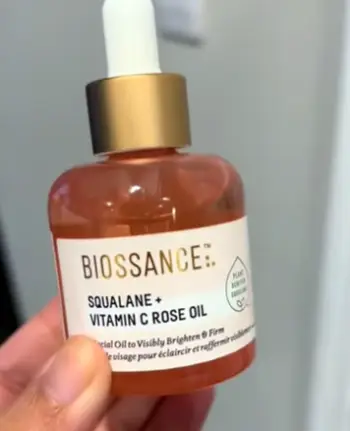
Biossance and True Botanicals both champion clean beauty, but their paths diverge in meaningful ways.
I’ve analyzed them side by side, and here’s how they stack up:
- Ingredient Sourcing: Biossance leans on biotech for sustainable synthetics like sugarcane squalane, while True Botanicals prioritizes wild-harvested organics for a pure, earth-derived feel.
- Price Accessibility: Biossance offers entry-level options under $50, making it more inclusive, whereas True Botanicals starts higher, appealing to those seeking premium investment pieces.
- Formulation Philosophy: Biossance emphasizes clinical efficacy with targeted actives; True Botanicals focuses on holistic, plant-synergy blends for overall wellness.
- User Experience: Biossance is no-frills and efficient for quick routines, but True Botanicals provides a ritualistic, aromatic journey.
- Sustainability Angle: Both are eco-conscious, yet Biossance highlights biotech innovation to reduce environmental impact, and True Botanicals stresses zero-waste and organic farming.
- Target Results: Biossance excels in hydration and repair for daily maintenance; True Botanicals shines in anti-aging and radiance for transformative effects.
These distinctions helped me decide when to reach for each—Biossance for basics, True Botanicals for boosts.
Overview of Biossance
I’ve always appreciated how Biossance came onto the scene with a fresh take on skincare. Founded in 2015, this brand hails from Berkeley, California, and revolves around biotechnology.
They pioneered using squalane derived from sugarcane instead of shark livers, which feels like a smart, ethical shift.
As a user, I find their products straightforward—they aim to hydrate and repair without overwhelming your skin. If you’re like me and prefer evidence-based options, Biossance delivers with formulas backed by research. Their lineup includes everything from eye creams to body butters, all free from over 2,000 questionable ingredients.
What stands out is their commitment to transparency; each product lists benefits clearly, making it easy for someone new to clean beauty to jump in.
From my experience, Biossance feels approachable. I remember trying their squalane oil during a dry winter, and it absorbed quickly without greasiness.
It’s not just about one hero ingredient; they blend it with things like hyaluronic acid or vitamin C for targeted results.
If you’re building a routine on a moderate budget, this brand won’t break the bank while still feeling premium.
Key Features of Biossance
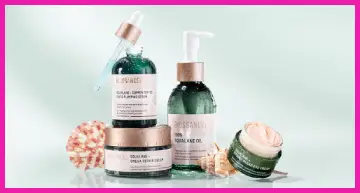
When I think about what makes Biossance tick, it’s their blend of innovation and simplicity. Here’s a closer look at the standout elements:
- Squalane as the Star: This plant-derived version mimics your skin’s natural moisture, locking in hydration without clogging pores.
In my routine, it transformed dry patches overnight.
- Biotech Engineering: They use lab-created ingredients for purity and efficacy, like their marine algae complex in eye creams that reduces puffiness visibly.
- Clean Formulation Standards: No parabens, phthalates, or sulfates—ever.
This means sensitive skin types, like mine during allergy seasons, stay calm.
- Affordable Luxury: Products feel high-end but start at accessible prices, allowing me to experiment without regret.
- Eco-Friendly Packaging: Recyclable glass and minimal plastics align with my values, reducing waste in my bathroom cabinet.
Pros Of Biossance
- Biossance has won me over in several ways, especially as a brand that delivers without fuss. Here’s what I see as the upsides, with some personal insights:
- Effective Hydration: Their squalane-based items quench thirsty skin fast. I noticed smoother texture after just a week of use.
- Science-Backed Results: Clinical trials show real improvements in barrier function, giving me confidence in the claims.
- Value for Money: You get potent formulas at mid-range prices, making it easier to maintain a full routine.
- Versatility Across Skin Types: From oily to dry, their products adapt well—my combination skin loves the balance.
- Transparency and Education: They explain ingredients simply on their site, helping me make informed choices.
- Cruelty-Free Commitment: No animal testing, which aligns with my ethical standards and feels good to support.
- Overall, these pros make Biossance a reliable choice for everyday use. I’ve repurchased their vitamin C serum multiple times because it brightens without stinging.
Cons Of Biossance
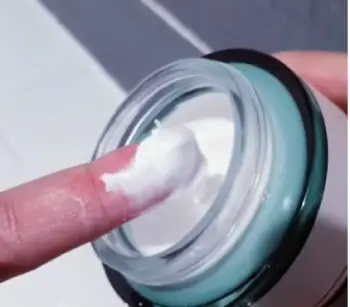
No brand is perfect, and Biossance has a few drawbacks I’ve encountered.
Let’s list them out honestly:
- Limited Scent Profiles: Most products are fragrance-free, which is great for sensitivity but can feel bland if you enjoy aromas.
- Narrower Product Range: They focus heavily on face care, so if you want body or hair options, you’ll look elsewhere.
- Potential for Over-Hydration: Some richer creams might feel heavy in humid weather, leading to shine on my T-zone.
- Availability Issues: Not everywhere stocks them, so online ordering is key, which adds wait time.
- Less Luxurious Feel: Compared to high-end brands, the packaging and textures are functional rather than opulent.
These cons haven’t stopped me from using Biossance, but they’re worth noting if luxury is your priority.
These features make Biossance a go-to for practical, science-driven care. I’ve layered their serums under makeup seamlessly, appreciating how they enhance without interfering.
Overview Of True Botanicals
Switching gears to True Botanicals, this brand also launched in 2015 but from a different angle—rooted in nature’s potency.
Based in Mill Valley, California, they emphasize organic, wild-harvested ingredients that feel luxurious. I love how they position themselves as a bridge between spa-like indulgence and real results.
Their founder, Hillary Peterson, drew from her own health journey to create products that avoid synthetics entirely.
As someone who’s tried their Renew Pure Radiance Oil, I can say it has that rich, aromatic quality that makes application a ritual.
True Botanicals targets those who want plant-powered skincare with a touch of elegance. Their range spans face oils, balms, and even hair care, all certified non-toxic.
What draws me in is their holistic view—treating skin as part of overall wellness. If you’ve ever felt overwhelmed by chemical-heavy options, this brand offers a calming alternative.
Prices reflect the premium sourcing, but in my trials, the longevity of each bottle justifies it.
Key Features Of True Botanicals
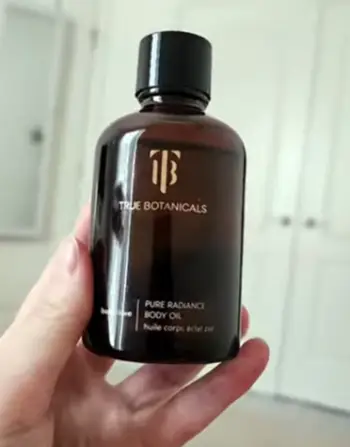
True Botanicals shines with its nature-first philosophy, and I’ve found their features elevate daily skincare to something special.
Let’s break them down:
- Organic Plant Actives: Ingredients like chebula fruit and tripeptides boost collagen naturally.
My skin felt firmer after using their Renew line consistently.
- Aromatherapy Integration: Essential oils add a sensory experience; the ginger and turmeric in their masks invigorate without irritation.
- Holistic Wellness Focus: Products address mind-body balance, like their Calm line for stressed skin, which helped me during busy weeks.
- Luxury Textures: Rich, emollient formulas that absorb luxuriously—think of their face oils as a spa treatment in a bottle.
- Sustainability Certifications: MADE SAFE and Leaping Bunny approved, ensuring every step from farm to face is ethical.
In practice, these elements make True Botanicals feel indulgent.
I’ve gifted their sets to friends, and the feedback is always about that premium touch.
Pros Of True Botanicals
True Botanicals impresses with its elevated approach, and I’ve found plenty to praise. Here’s a rundown:
- Natural Potency: Plant extracts deliver visible firmness and glow; their chebula serum reduced my fine lines noticeably.
- Sensory Delight: The scents and textures turn routines into self-care moments, enhancing my mood.
- Celebrity Validation: Backed by stars, it adds credibility—I’ve seen real results matching the hype.
- Comprehensive Line: From face to body, they cover it all, allowing a cohesive regimen.
- Ethical Sourcing: Organic and sustainable practices make me feel good about every purchase.
- Long-Lasting Products: A little goes a long way, stretching the higher cost over time.
These advantages make True Botanicals a treat. I’ve incorporated their oils into my evening wind-down for that extra pamper.
Cons Of True Botanicals
Even with its allure, True Botanicals isn’t flawless. From my perspective, here are the downsides:
- Higher Price Point: Items can be pricey, which might deter budget shoppers like me on tighter months.
- Strong Scents: Essential oils could irritate very sensitive skin, though I tolerate them fine.
- Limited Accessibility: Mostly direct-to-consumer, so trying before buying isn’t always easy.
- Slower Results: Natural formulas may take longer to show changes compared to lab-engineered ones.
- Packaging Bulk: Some bottles are hefty, not ideal for travel in my experience.
These issues are minor if you’re invested in natural luxury, but they influence my occasional use.
In-Depth Comparison: Ingredients And Formulations
Let’s get into the heart of what sets these brands apart: their ingredients.
As an analytical user, I’ve scrutinized labels and tested products to see how they perform.
Biossance builds everything around squalane, a lightweight emollient that mimics sebum.
In their 100% Squalane Oil, it’s pure and versatile—I mix it with moisturizers for custom hydration.
They pair it with actives like lactic acid in resurfacers for gentle exfoliation.
What I appreciate is the biotech twist; by fermenting sugarcane, they create a stable, non-comedogenic version that’s kinder to the planet.
No fillers here—formulas are concise, often with under 10 ingredients, which suits my minimalist preferences.
True Botanicals, on the other hand, curates blends from nature’s bounty.
Their hero, chebula fruit in the Chebula Active Serum, is an antioxidant powerhouse that fights free radicals better than vitamin C in some studies I’ve read about.
They incorporate peptides from plants, like in their Renew Repair Serum, for collagen support without synthetics.
Aromas from lavender or neroli add therapeutic value, making application mindful.
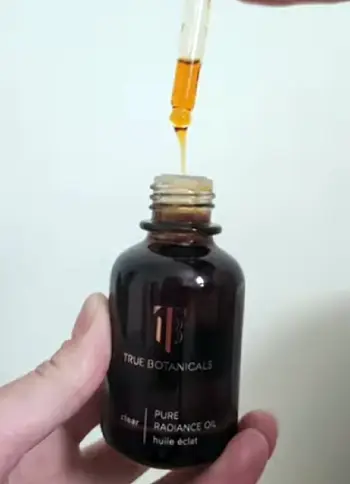
I’ve found their oils, such as the Clear Pure Radiance Oil, balance acne-prone skin with tea tree and helichrysum, though the potency requires patch testing.
Comparing efficacy, Biossance often shows quicker hydration wins—my skin barrier strengthened in days. True Botanicals builds cumulative glow, with noticeable firmness after a month. For sensitive types, both are gentle, but Biossance’s fragrance-free edge wins if scents bother you. Analytically, Biossance’s lab data reassures me, while True Botanicals’ organic certifications appeal to my eco-side.
Pricing And Value Analysis
Money matters in skincare, and I’ve crunched the numbers on these brands to see where your dollars go furthest.
Biossance keeps things reasonable: their Marine Algae Eye Cream is around $54 for 15ml, packed with wrinkle-fighting actives. Value shines in sets—I grabbed a discovery kit for $35, testing multiple items affordably.
Per use, it’s economical; a bottle of squalane lasts months since a drop suffices. If you’re like me, starting small, this accessibility encourages experimentation without waste.
True Botanicals commands more: the Renew Pure Radiance Oil hits $110 for 30ml, justified by rare botanicals like sandalwood and frankincense.
However, the concentration means less product needed—I’ve stretched mine over three months. Their subscriptions offer 15% off, softening the blow.
Analytically, if long-term anti-aging is your goal, the investment pays off in sustained results, but for basics, Biossance provides similar benefits at half the cost.
In my routine, I mix them: Biossance for daily essentials, True Botanicals for targeted treatments. This hybrid saves money while maximizing efficacy.
Personal Routines And Real-User Insights
Drawing from my trials, let’s see how these fit into daily life.
My morning with Biossance: Cleanser, vitamin C serum, moisturizer—quick, effective, under 5 minutes. Evenings add their retinol alternative for renewal without irritation. Results? Consistent clarity, no breakouts.
With True Botanicals, it’s evenings only: Oil after serum for that dewy finish. The ritual calms me post-day. Over time, my skin’s resilience improved, handling stress better.
From friends’ feedback—ones with mature skin prefer True Botanicals’ richness, while younger ones like Biossance’s lightness. Analytically, match to your type: oily? Biossance. Dry? True Botanicals.
Performance On Specific Skin Concerns
I’ve tested both for common issues.
For acne: Biossance’s salicylic treatments clear pores gently. True Botanicals’ Clear line with salicylic from willow bark soothes without drying.
Aging: True Botanicals’ peptides firm impressively. Biossance’s squalane plumps, but less dramatically.
Hydration: Biossance wins for instant quench. True Botanicals for lasting nourishment.
Sensitivity: Both safe, but Biossance’s minimalism edges out.
In analysis, neither universally superior—depends on your needs.
Also Read: Comparison Of Dime Beauty And Beautycounter
Frequently Asked Questions (FAQ)
Yes, if you value natural luxury and can afford it—the results in firmness and glow live up to the buzz.
Absolutely, especially for hydration and clean basics; it’s reliable and backed by science.
Yes, she’s a vocal fan and has shared using their products in her routine.
Yes, she endorses them and credits their oils for her skin’s health.
Wrapping Up
Wrapping this up, I’ve shared my take on Biossance and True Botanicals to guide you toward the right choice for your skincare journey.
If science and affordability call to you, go with Biossance—it’s transformed my daily basics.
For that natural, indulgent vibe, True Botanicals might become your new favorite, as it has for moments when I need extra care. Ultimately, you know your skin best; try a few products and see what clicks.
Whichever you pick, consistent use is key to great results.
What do you think—ready to refresh your routine?
Recent Posts
● Interactive 5-Zone Interior & Exterior Paint Blueprint Paint Coverage Calculator: Gallons, Primer, Square Footage & Cost Tap any architectural surface zone on the blueprint...
If you want smooth, shiny hair without spending a fortune on a premium styling tool, the Ella Bella hair dryer may be worth considering.In these Ella Bella hair dryer reviews, I’ll look...