
If you want a topical cream for everyday muscle soreness, joint discomfort, stiffness, or post-activity aches, I think Blue-Emu cream is worth considering.
Its emu-oil-based formula makes it different from many conventional pain-relief creams, especially if you dislike strong menthol or capsaicin sensations.
I like its straightforward topical approach and relatively mild feel, but I would not expect it to work like a prescription painkiller or instantly eliminate severe pain. I
f you want a non-prescription cream for occasional discomfort, Blue-Emu is a product I would put on the shortlist.
My First Experience With Blue-Emu Cream
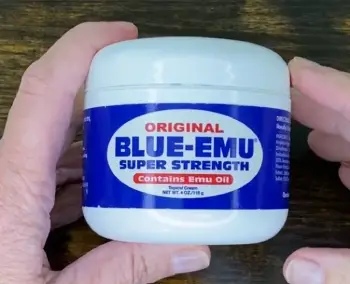
When I evaluate a topical pain-relief product, I look beyond the marketing.
I want to know how it feels going on, how quickly it becomes comfortable to wear, whether the scent is tolerable, and whether it makes sense for repeated everyday use.
That is where Blue-Emu cream caught my attention.
The product is built around emu oil, which is traditionally valued as a moisturizing carrier ingredient and is marketed by Blue-Emu as helping topical ingredients spread across the skin.
Depending on the specific Blue-Emu formula you choose, the product can contain additional ingredients intended to provide soothing or cooling sensations.
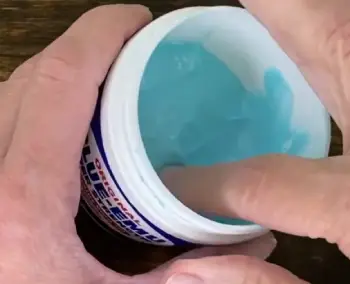
My first impression is that Blue-Emu does not behave exactly like the classic hot or icy muscle rub. You know the type: you apply it and immediately feel an intense wave of heat or cold. Blue-Emu is generally more understated. For someone who finds powerful menthol-heavy creams irritating or unpleasant, that can be a major advantage.
I also appreciate that the cream format makes it easy to target a specific area. If your shoulders feel tight after sitting at a desk, your knees are uncomfortable after a long day, or your muscles are sore after physical activity, you can apply a relatively small amount directly to the area.
The biggest thing I would emphasize, though, is expectations.
A topical cream is not a magic eraser for pain. When I assess a product like this, I separate temporary symptom relief from treating the underlying cause. Blue-Emu may help make an uncomfortable area feel better, but that does not necessarily mean the underlying muscle, joint, tendon, or nerve problem has been corrected.
I also would not judge the cream based on a single application. Topical products can feel different depending on the type of discomfort, the location, how much product is applied, and individual sensitivity.
Overall, my impression is that Blue-Emu occupies an interesting middle ground. It is more substantial than an ordinary moisturizer, but I would not put it in the same category as medication intended to address severe or persistent pain.
For mild-to-moderate everyday aches, however, I can understand why people keep it in their medicine cabinet.
Pros Of Blue-Emu Cream

- Emu Oil Gives It a Distinctive Feel
The most obvious advantage is the emu-oil-based formulation.
I find this interesting because it gives Blue-Emu a different identity from many standard muscle rubs. Instead of feeling like an aggressive medicinal balm, the cream can feel more like a substantial topical moisturizer with a targeted purpose.
That makes it attractive if you dislike extremely strong sensations.
- Useful for Everyday Muscle and Joint Discomfort
Blue-Emu makes sense for the kind of discomfort many people experience during ordinary life.
Think sore shoulders after working at a desk, tired legs after physical activity, minor muscle soreness, or occasional joint discomfort.
I would not position it as a solution for serious pain, but for minor everyday aches, a topical cream can be convenient.
- Easy to Apply Directly Where You Need It
This is one of the biggest practical benefits of any topical cream.
You can apply it directly to the area that bothers you instead of taking an oral product.
That localized application is particularly convenient when you are dealing with one specific area.
I also like the fact that you can control the amount yourself. You can start with a small quantity and add more if appropriate according to the product label.
- Less Aggressive Than Some Traditional Rubs
If you have ever used a strong menthol or capsaicin cream, you know how dramatic topical pain products can feel.
Sometimes that sensation is exactly what you want.
Sometimes it is not.
Blue-Emu can appeal to people who prefer a gentler experience. The product’s feel may be more comfortable for someone who does not want an overwhelming burning or freezing sensation.
- Convenient for Active Lifestyles
I can see why a product like this appeals to people who exercise regularly.
After walking, gardening, cleaning, recreational sports, or workouts, muscles can become uncomfortable. Having a topical cream available can be convenient as part of a broader recovery routine.
Of course, I would pair that with sensible recovery habits rather than expecting the cream to do everything.
Adequate rest, hydration, mobility work, and appropriate exercise modification still matter.
Cons Of Blue-Emu Cream

- It Is Not a Cure for Underlying Pain
This is the biggest limitation I would put at the top of the list.
If your pain comes from an underlying medical condition, applying a cream may provide temporary comfort without addressing the cause.
That distinction is easy to overlook when a product is marketed around pain relief.
Use it for what it is designed to do, and seek medical advice when symptoms are persistent or concerning.
- Results Can Vary Considerably
One person’s favorite topical cream can be another person’s disappointment.
Pain is complicated.
Muscle soreness, arthritis-related discomfort, nerve pain, inflammation, and injuries do not all respond identically to topical products.
So if you read a review claiming that Blue-Emu completely eliminated someone’s pain, I would treat that as an individual experience rather than a guarantee.
- Different Blue-Emu Products Have Different Formulas
This is something I think shoppers should pay more attention to.
“Blue-Emu cream” is not necessarily one identical product.
Different versions can contain different ingredients and may be marketed for different purposes.
Always check the package rather than relying on a review of another formulation.
- Some Users May Not Like the Texture
Cream texture is subjective.
Some people enjoy a rich, moisturizing formula. Others prefer a lightweight lotion that disappears quickly.
If you prefer a very dry, fast-absorbing topical, Blue-Emu may not be your favorite.
- It May Not Provide the Strong Sensation Some Users Want
This can actually be both a pro and a con.
If you expect a powerful hot or cold feeling similar to certain muscle rubs, Blue-Emu may feel comparatively mild.
A lack of intense sensation does not necessarily mean a topical product is ineffective, but people often associate strong sensations with strong relief.
Those are not the same thing.
- Cost Can Be Higher Than Basic Alternatives
Specialized topical products can cost more than generic creams.
Whether the price is justified depends on how often you use it, which formula you choose, and how well it fits your needs.
If a less expensive topical product works equally well for you, there may be little reason to pay more.
Maintenance Tips For Blue-Emu Cream
- Start With the Label
My first rule with any topical product is simple: read the label.
Do not rely entirely on an online review because formulations can change and different versions can have different instructions.
Pay attention to the recommended amount, application frequency, warnings, and ingredients.
Following the manufacturer’s directions is a much better starting point than assuming more product equals better results.
- Apply Only to Appropriate Skin
I would avoid applying a topical pain-relief cream to broken, damaged, infected, or severely irritated skin unless a healthcare professional specifically tells you to do so.
Healthy intact skin is generally the appropriate surface for topical products of this type.
If you have a cut or rash in the area, address that issue first.
- Wash Your Hands After Application
This sounds basic, but it is easy to forget.
After rubbing cream onto your knee, shoulder, back, or another area, wash your hands unless the product directions say otherwise.
You especially do not want residual product getting into your eyes, nose, or mouth.
- Avoid Contact With Eyes and Sensitive Areas
Keep topical pain products away from your eyes and mucous membranes.
If accidental contact occurs, follow the product’s directions for rinsing and seek medical assistance if significant irritation continues.
I would also avoid applying it immediately before touching your face.
- Do Not Assume More Is Better
This is one of the most common mistakes people make with topical products.
If a little seems ineffective, it can be tempting to apply a thick layer.
I would resist that instinct.
Use the amount recommended on the label. Applying excessive product can increase the chance of skin irritation without necessarily producing better relief.
- Give Your Skin Time to Respond
When trying a new topical product, I prefer starting conservatively.
Apply a small amount according to the directions and pay attention to how your skin responds.
If everything feels comfortable, continue using it as directed.
If you experience unusual irritation, stop and reassess rather than repeatedly applying the product hoping the irritation will disappear.
Comparison Of Blue-Emu Cream With Other Brands
- Blue-Emu vs Tiger Balm
Tiger Balm is one of the most recognizable traditional topical pain-relief brands, and its formulations commonly emphasize ingredients such as menthol and camphor.
The experience can therefore be quite different.
Tiger Balm is known for its distinctive aromatic sensation and cooling or warming feel. If you like that classic counterirritant experience, you may prefer it.
Blue-Emu takes a different route. Its emu-oil-centered identity gives it a creamier and often less aggressive character.
Personally, I would frame the choice around what you want from the experience.
If you want a traditional balm sensation, Tiger Balm is an obvious candidate.
If you want a richer cream and are particularly interested in emu oil, Blue-Emu is more distinctive.
Neither should automatically be called “better” for everyone.
- Blue-Emu vs Icy Hot
Icy Hot products are strongly associated with hot-and-cold topical sensations, often using ingredients such as menthol and, in certain formulations, other active ingredients.
That makes Icy Hot feel more immediate and noticeable for many users.
Blue-Emu can be preferable if you dislike that intense sensory experience.
I would choose between them based on your preferred sensation, the exact formulation, and the type of discomfort you are trying to manage.
If you want a pronounced cooling or warming experience, Icy Hot may have the edge.
If you prefer a cream with an emu-oil focus, Blue-Emu has a different appeal.
- Blue-Emu vs Biofreeze
Biofreeze is another well-known topical product, particularly recognized for cooling relief associated with menthol-based formulations.
Compared with Blue-Emu, Biofreeze tends to offer a much more recognizable cooling experience.
This makes the products feel very different when applied.
I would lean toward Biofreeze if cooling sensation is an important part of what you want.
I would consider Blue-Emu if you prefer a creamier formula and are specifically interested in emu oil.
The better choice depends heavily on personal preference and the exact product version.
- Blue-Emu vs Voltaren
Voltaren is a particularly important comparison because it belongs to a different category of topical pain treatment.
Certain Voltaren products contain diclofenac, a topical nonsteroidal anti-inflammatory drug. That means you should not treat Voltaren as simply another soothing cream.
Its active ingredient and intended use are different from an emu-oil-centered product.
If you are considering Voltaren for a particular condition, especially arthritis-related pain, I would read the label carefully and consider discussing its suitability with a healthcare professional or pharmacist.
Blue-Emu may be more appealing to someone seeking a different type of topical comfort product, but I would not claim that the two are interchangeable.
- Blue-Emu vs Aspercreme
Aspercreme offers multiple topical pain-relief formulations, and the active ingredients can differ depending on the product.
Some products rely on lidocaine, while others use salicylates or other ingredients.
That means Aspercreme can provide a very different experience from Blue-Emu.
If your goal involves numbing or a specific active medication, the exact Aspercreme formulation matters enormously.
Blue-Emu is better viewed as an alternative topical approach rather than a direct replacement for every Aspercreme product.
Also Read: Is TIRTIR Ceramic Cream Worth It?
Frequently Asked Questions (FAQ)
It is primarily used as a topical product for temporary relief of minor muscle and joint aches, soreness, and discomfort.
It may provide temporary relief for some users, but results vary depending on the formulation and type of discomfort.
There is no single strongest cream for everyone; products with different active ingredients work differently and have different risks.
Not universally. Blue-Emu may suit people who prefer an emu-oil-based cream, while Tiger Balm may appeal to those who prefer strong warming or cooling sensations.
Wrapping Up
I would recommend Blue-Emu cream to someone who wants a convenient topical option for occasional muscle soreness, stiffness, or minor joint discomfort and prefers a creamier, less aggressive experience.
I like its distinctive emu-oil foundation, but I would not expect it to fix serious or persistent pain.
If you want everyday topical comfort and understand its limitations, Blue-Emu is worth trying; if your symptoms are severe or ongoing, choose medical advice over simply applying more cream.
Recent Posts
I tried Meltoway Hair Dissolving Cream because I wanted a quick way to deal with unwanted body hair without reaching for a razor every few days. If you are looking for a convenient at-home...
If you’re considering a saffron-based supplement to support mood, appetite control, and everyday wellness, Happy Saffron Plus is worth considering.I like that it takes a familiar botanical...