
When it comes to protecting my child’s delicate skin, I want a sunscreen that offers dependable sun protection without making daily application a struggle.
Blue Lizard Kids Sunscreen caught my attention because of its mineral-based formulas, water resistance, and family-friendly approach to sun care.
If you’re looking for a sunscreen for outdoor play, beach trips, or everyday adventures, I think Blue Lizard Kids is worth considering.
However, you should check the ingredients, SPF rating, and your child’s skin sensitivity before buying it.
My First Experience With Blue Lizard Kids Sunscreen
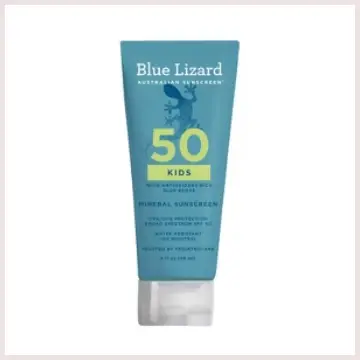
When choosing sunscreen for children, I focus on three things: reliable sun protection, comfortable application, and a formula my child will actually tolerate.
Blue Lizard Kids Sunscreen appeals to me because it is designed specifically for children’s sun-care needs, with mineral sunscreen options that use zinc oxide and, depending on the formula, titanium dioxide.
My first impression of this sunscreen is that it prioritizes protection over cosmetic elegance.
Mineral sunscreens can feel thicker than some lightweight chemical sunscreens, and Blue Lizard Kids may leave a visible white cast on the skin.
For me, that is a trade-off worth considering rather than an automatic deal-breaker
The application experience matters more than many parents realize. If sunscreen is difficult to spread, you might use too little or skip certain areas. With a mineral formula, I would take a little extra time to spread the product evenly across exposed skin.
I would pay particular attention to the nose, ears, cheeks, neck, shoulders, hands, and the backs of the knees. These areas are easy to overlook during a rushed morning routine but can receive plenty of sunlight during outdoor activities.
I also appreciate the idea of a sunscreen that can become part of a predictable family routine. Keeping it near the door or in a dedicated outdoor bag makes it easier to remember before heading to the playground or a sporting event.
Pros Of Blue Lizard Kids Sunscreen
- Mineral Active Ingredients
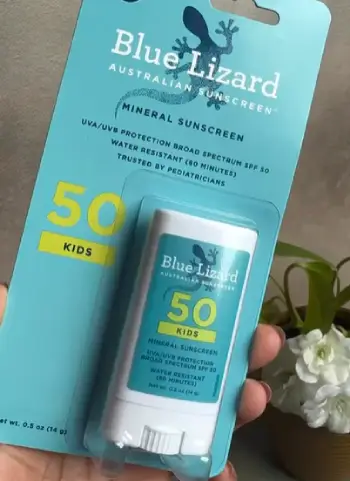
One of the strongest reasons to consider Blue Lizard Kids is the availability of mineral-based formulas.
Zinc oxide and titanium dioxide are established sunscreen active ingredients that provide UV protection when used in properly formulated products.
For parents who prefer to avoid certain organic UV filters, a mineral sunscreen can offer an appealing alternative.
I also like that the active ingredients are clearly identified on sunscreen packaging, making it easier to compare products.
That said, the word mineral does not automatically mean that a product is completely free from irritating ingredients. The full ingredient list still deserves attention, especially when your child has a history of skin reactions.
- Broad-Spectrum Protection
A good children’s sunscreen should protect against both UVA and UVB radiation. Blue Lizard Kids products with a broad-spectrum label can help protect skin against sunburn and other forms of UV-related damage.
I would prioritize this feature over packaging, scent, or marketing claims. A sunscreen that smells pleasant but does not offer appropriate protection is not a sensible choice for long outdoor days.
When comparing options, I would look for broad-spectrum SPF 30 or higher and use enough product to cover all exposed skin.
- Useful for Swimming and Outdoor Play
Water-resistant formulations are particularly valuable for families who spend time at pools, beaches, and parks. If the specific Blue Lizard Kids bottle indicates 80-minute water resistance, that provides a useful guide for planning reapplication.
I appreciate this because outdoor activities rarely follow a perfect schedule. Children can move from playing in the sand to splashing in the water within minutes.
Even with water resistance, though, I would never treat the product as a substitute for shade or protective clothing. Sunscreen works best as one part of a broader sun-safety routine.
- Suitable for Many Sensitive-Skin Routines
Mineral sunscreen can be a sensible starting point for children whose parents want to avoid certain chemical UV filters. Zinc oxide, in particular, is commonly used in products intended for sensitive skin.
The important distinction is that sensitive skin is individual. A child may tolerate zinc oxide well but react to a fragrance, preservative, or another ingredient in the same product.
I would introduce the sunscreen carefully and discontinue use if a rash or persistent irritation develops. If your child has eczema or recurrent skin reactions, asking a pediatrician or dermatologist for product guidance is sensible.
- A Practical Family Sun-Care Option
I like products that can fit naturally into an existing routine. Blue Lizard Kids can be kept with swimming gear, packed for holidays, or stored near the family’s outdoor essentials.
A sunscreen is only useful when you remember to apply it. Having one reliable product available can reduce the temptation to head outside without protection.
I would still check the expiration date, package condition, and storage instructions before relying on a bottle that has spent months in a hot car or beach bag.
- Encourages Consistent Sun Protection
Choosing a dedicated kids’ sunscreen can help parents establish a repeatable routine before school, sports, vacations, and outdoor play.
The brand’s packaging and product positioning may make it easier to identify the sunscreen among other family toiletries. However, the real benefit comes from using the product correctly, applying it generously, and reapplying it as directed.
In my view, consistency is more important than finding a supposedly perfect sunscreen that no one remembers to use.
Cons Of Blue Lizard Kids Sunscreen
- It May Leave a White Cast
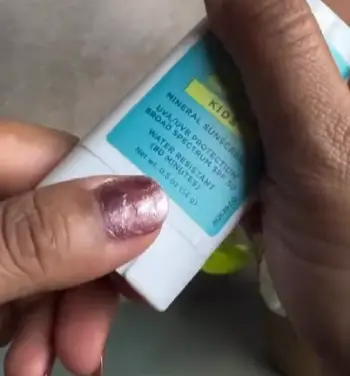
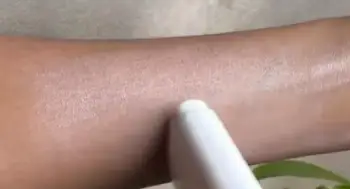
The most noticeable drawback of many mineral sunscreens is the white residue they can leave on the skin.
This can be especially apparent on deeper skin tones or when the product is applied in the generous amount needed for proper protection.
I would rather see some temporary white cast than encourage underapplication, but I understand why this matters to parents and children.
If appearance is a major concern, test the product before a vacation or special event. A different mineral formulation may spread more easily or leave less visible residue.
- The Texture May Feel Thick
Some mineral formulas are harder to spread than lightweight lotions. On a restless child, that can make application frustrating.
I would apply the sunscreen in small sections and spread it carefully rather than trying to cover the entire body in one rushed motion. If your child strongly dislikes the texture, a different sunscreen that meets the same protection standards may be a better choice.
- It Requires Regular Reapplication
Blue Lizard Kids is not an all-day solution. Sunscreen generally needs reapplication at least every two hours outdoors, and sooner after swimming, sweating, or towel drying, according to the product label.
For busy parents, remembering these intervals can be inconvenient. I would set a phone reminder during beach trips or outdoor sports to make the routine easier.
- The Formula May Not Suit Every Child
Even a sunscreen marketed for kids can cause irritation or an allergic reaction in some users. No single product works perfectly for every skin type.
Check the full ingredient list if your child has known allergies, and stop using the product if irritation occurs. Seek medical advice for severe or persistent reactions.
- Price and Availability Can Vary
The cost of Blue Lizard Kids depends on the retailer, bottle size, and specific formulation. Some parents may find a competing sunscreen more affordable or easier to purchase locally.
I would compare the price per ounce or milliliter instead of looking only at the shelf price. A larger bottle may offer better value, provided you can use it before it expires and store it correctly.
Maintenance Tips For Blue Lizard Kids Sunscreen
- Store It Away From Excessive Heat
I would keep Blue Lizard Kids in a cool, dry place when it is not being used. Excessive heat can affect product stability, so leaving sunscreen in a hot vehicle for long periods is not ideal.
During outdoor trips, carry it in a bag that stays out of direct sunlight whenever possible. Follow the storage directions printed on the package, particularly if the product has specific temperature recommendations.
If the bottle has been exposed to extreme heat or its texture, color, or smell changes unexpectedly, I would check the manufacturer’s guidance before using it.
- Check the Expiration Date
Sunscreen is not a product I would keep indefinitely. Check the expiration date before each season, particularly if the bottle has been sitting unused since the previous summer.
Expired sunscreen may not provide the protection you expect. If there is no expiration date, follow the product’s packaging guidance and applicable sunscreen storage recommendations rather than assuming it will remain effective forever.
I would replace products that show unusual separation, leakage, or changes in consistency.
- Apply Enough Product
Underapplication is one of the easiest ways to reduce sunscreen protection. A thin smear may feel convenient, but it may not deliver the labeled SPF.
I would apply a generous, even layer to all exposed skin before going outdoors, following the instructions for the particular product. For the face, I would avoid the eyes and spread the sunscreen carefully over the cheeks, forehead, nose, and chin.
Do not forget the ears, neck, tops of the feet, and other exposed areas. Ask older children to help identify missed spots, but check their application yourself.
- Apply It Before Outdoor Activities
I would make sunscreen application part of getting dressed rather than waiting until the family reaches the beach or playground.
Follow the bottle’s directions for when to apply it before sun exposure. Applying it in advance gives you time to cover exposed areas thoroughly and notice missed spots before leaving home.
This habit is particularly helpful when children are excited to start playing and reluctant to stop once they arrive.
- Reapply at the Right Time
For most outdoor situations, sunscreen should be reapplied at least every two hours. If your child swims, sweats heavily, or dries off with a towel, reapply sooner as directed on the label.
Water resistance refers to performance during a specified test period, not unlimited protection. I would pack enough sunscreen for the entire outing rather than assuming a single application will last all day.
- Keep the Bottle Clean
Sand, dirt, and sticky hands can make sunscreen packaging unpleasant to handle. I would wipe the outside of the bottle after beach visits and close the cap securely after each use.
Avoid contaminating the product by introducing water or other substances into the container. Keep the nozzle clean and follow any packaging-specific instructions for dispensing.
These small habits help keep the product convenient to use and prevent avoidable mess.
Comparison Of Blue Lizard Kids Sunscreen With Other Brands
- lue Lizard Kids vs. Neutrogena Kids
Neutrogena offers children’s sunscreens in different formulations, including options using organic UV filters.
The range of textures and formats can appeal to families who prefer a lotion or a different application experience.
Blue Lizard Kids is particularly worth considering if you want a mineral-based option. Depending on the exact products being compared, one may spread more easily or leave less visible residue than the other.
I would choose based on the active ingredients, broad-spectrum rating, water-resistance claim, and how well your child tolerates the formula. Neither brand is automatically the better choice for every family.
- Blue Lizard Kids vs. Thinkbaby Sunscreen
Thinkbaby is another brand associated with mineral-based sunscreen options for children. This makes it a relevant alternative for parents who prefer zinc oxide-based protection.
When comparing it with Blue Lizard Kids, I would pay attention to how each product feels on the skin. Mineral sunscreens can differ considerably in thickness, spreadability, and white cast even when they use similar active ingredients.
Price and availability also matter. If both products meet your sun-protection requirements, the better choice may simply be the one your child is more comfortable wearing consistently.
- Blue Lizard Kids vs. Aveeno Kids Sunscreen
Aveeno Kids offers sunscreen options that may appeal to families looking for a familiar personal-care brand. Its formulations vary, so the active ingredients and claims need to be checked on the particular package.
Blue Lizard Kids may be more appealing if you specifically want a mineral formula. An Aveeno option may be preferable if you find a texture that is easier to apply or more comfortable for your child’s skin.
I would not choose solely on claims about gentle ingredients. Check the complete ingredient list and test the product carefully if your child has sensitive skin.
- Blue Lizard Kids vs. CeraVe Sunscreen
CeraVe is known for skincare products that focus on supporting the skin barrier, and some of its sunscreen formulations may appeal to families who want sun protection alongside moisturizing ingredients.
Blue Lizard Kids has a more direct children’s sun-care focus. However, the best comparison depends on whether the specific CeraVe product is appropriate for your child’s age and provides the desired level of protection.
For dry or sensitive skin, I would consider the full formulation, not just the sunscreen’s active ingredients. A product that feels comfortable and does not irritate the skin is more likely to become part of a consistent routine.
Also Read: Is Sky And Sol Sunscreen Worth It?
Frequently Asked Questions (FAQ)
A broad-spectrum SPF 30 or higher sunscreen that your child tolerates well is a good starting point. Mineral formulas containing zinc oxide or titanium dioxide are useful options, alongside protective clothing and shade.
Blue Lizard offers sunscreen products that may fit common dermatological sun-protection recommendations. However, recommendations vary by individual needs, and you should consult your child’s dermatologist for personalized advice.
Blue Lizard Kids can be a good option when the specific formula offers broad-spectrum protection, an appropriate SPF, and the desired water resistance. Correct application is essential.
The answer depends on the formula and your concerns. Mineral versions use active ingredients such as zinc oxide and may contain other ingredients for stability and texture. Review the full ingredient list for potential allergens or irritants.
Wrapping Up
I would consider Blue Lizard Kids Sunscreen if I wanted mineral-based sun protection for beach trips, playground visits, and outdoor activities.
Its broad-spectrum protection and water-resistant options can make it a practical choice when used correctly.
The main drawbacks are the possible white cast, thicker texture, and need for regular reapplication.
Before buying, check the exact formula, SPF, and ingredients. If it suits your child’s skin and your family can apply it consistently, Blue Lizard Kids is worth considering.
Recent Posts
Provence Beauty retinol products attract attention from shoppers looking for smoother skin, fewer fine lines, and a more even complexion without spending a fortune.However, concerning customer...
The Hapbee Sleep Pad is marketed as a sleep-support device designed to promote relaxation and help users unwind at bedtime.However, despite its interesting technology, I would not recommend...