
The Hapbee Sleep Pad is marketed as a sleep-support device designed to promote relaxation and help users unwind at bedtime.
However, despite its interesting technology, I would not recommend buying it without strong evidence that it delivers consistent results.
Negative customer feedback, questions about its effectiveness, and the uncertainty surrounding its benefits make it a risky purchase.
If you want better sleep, I suggest exploring proven sleep habits and more established sleep-support products before spending your money on the Hapbee Sleep Pad.
My First Experience With The Hapbee Sleep Pad
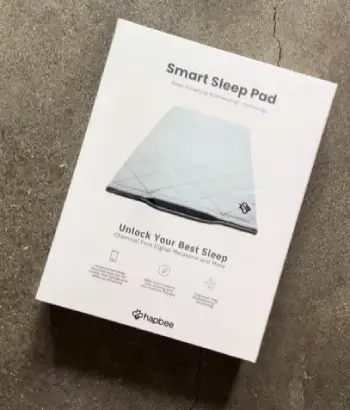
When I evaluate a product like the Hapbee Sleep Pad, I look beyond its marketing promises.
I want to understand what it is designed to do, how it fits into an everyday routine, whether its benefits are supported by credible evidence, and whether customers can reasonably expect value for their money.
The Hapbee Sleep Pad stands out because it takes a different approach from traditional sleep accessories.
Instead of relying primarily on physical comfort, such as cushioning or temperature control, Hapbee promotes a wearable technology concept intended to influence how users feel.
Its product ecosystem has been associated with ultra-low radio frequency energy signals designed to imitate certain sensations associated with substances or naturally occurring states.
That concept sounds interesting, particularly if you struggle to relax after a long day.
I can understand why someone who has tried pillows, sleep masks, white-noise machines, and relaxation apps might become curious about a product that promises another approach to winding down.
However, an interesting concept is not the same as a proven sleep solution.
Pros Of The Hapbee Sleep Pad
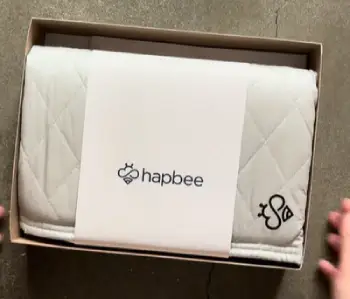
Although I do not recommend buying the Hapbee Sleep Pad without stronger evidence, it has several characteristics that help explain its appeal. These are potential advantages of its design and intended use, not proof of clinical effectiveness.
- A Different Approach to Sleep Support
One potential advantage is that Hapbee explores an approach that differs from familiar sleep accessories.
Many conventional products focus on comfort, sound, light, or temperature. Hapbee instead promotes a technology-based concept intended to influence how users feel.
For people who have already tried several ordinary relaxation products, that difference may be intriguing.
I can appreciate the appeal of trying something new when falling asleep feels difficult. However, novelty should not be confused with effectiveness.
I would want independent evidence demonstrating that the technology provides meaningful benefits before treating its unusual design as a reason to buy it.
- Potential Integration Into a Bedtime Routine
A sleep-support product is more practical when it fits naturally into an existing routine.
If a device can be used while you relax in bed, read a book, or prepare for sleep, it may be easier to incorporate than a complicated program requiring significant changes to your schedule.
That convenience is worth considering, although the actual setup requirements and compatibility should be checked for the particular Hapbee product being sold.
I would still ask whether the device adds anything valuable to the routine. If you can achieve comparable relaxation by dimming the lights, putting your phone away, and listening to calming audio, a more expensive electronic accessory may not be necessary.
- A Non-Medication-Based Concept
Some consumers prefer exploring non-drug approaches to relaxation before considering medication.
The Hapbee Sleep Pad appeals to this interest because its marketed mechanism is based on low-energy signals rather than delivering a conventional sleep medication.
That may be attractive to someone who wants a device-based wellness option.
However, a non-medication approach is not automatically effective or risk-free. The product should not be assumed to treat insomnia, anxiety, or another medical condition simply because it does not work like a pill.
I would also avoid using it as a reason to discontinue prescribed medication or delay professional care.
- An Opportunity to Explore Personal Relaxation Preferences
People respond differently to bedtime routines. One person may benefit from quiet reading, while another prefers gentle music or a warm shower.
Trying a new relaxation method can sometimes help people identify what makes them feel more comfortable at night.
Nevertheless, I would keep the financial commitment in perspective. An expensive device is not necessarily better than simpler options, and individual improvement does not establish that the product’s proposed mechanism is responsible.
If you are curious about Hapbee, I would first review its current price, return conditions, compatibility requirements, and available independent evidence.
- A Technology-Focused Wellness Design
Hapbee may appeal to consumers who enjoy experimenting with electronic wellness products.
The concept is distinctive compared with basic sleep masks, earplugs, or ordinary bedding accessories. For a technology enthusiast, that novelty may be part of the attraction.
But my purchasing decision would depend on practical results rather than the sophistication of the concept.
A useful sleep product should provide a benefit that you can reasonably identify, evaluate, and sustain. If the results remain unclear, technological novelty is not enough to justify the expense.
Cons Of The Hapbee Sleep Pad
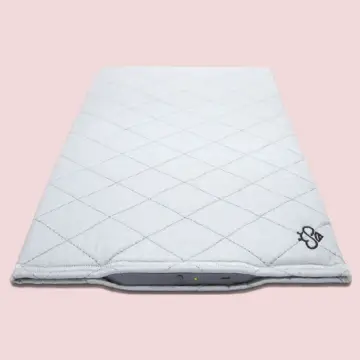
- Uncertain Effectiveness
My biggest concern is the uncertainty surrounding its effectiveness.
Marketing claims about relaxation or sleep do not establish that users will experience measurable improvements.
I would want to see well-designed, independent studies showing whether the device outperforms a suitable comparison condition.
It is also important to distinguish feeling relaxed from actually sleeping better.
A person may enjoy a bedtime ritual without falling asleep faster or waking up less frequently. Meaningful evaluation should consider both subjective experiences and objective sleep outcomes where appropriate.
Until reliable evidence establishes a consistent benefit, I would hesitate to recommend the Hapbee Sleep Pad as a solution for poor sleep.
- Disappointing Customer Experiences
Negative customer feedback is another reason to be cautious.
When people purchase a sleep device, they generally expect a noticeable improvement or at least a clear explanation of what the product can realistically accomplish.
If reviews repeatedly describe little perceived benefit, I would consider that a warning sign.
I would not claim that every negative review is accurate or that all users will be disappointed. Instead, I would assess whether complaints show a consistent pattern and whether the manufacturer responds appropriately to reasonable concerns.
For a product with uncertain benefits, recurring dissatisfaction makes the purchasing decision more difficult to justify.
- Potentially Poor Value for Money
Price matters because sleep improvement does not always require specialized technology.
A comfortable pillow, blackout curtains, a suitable mattress, or an inexpensive sleep mask may address a specific environmental problem more directly.
For example, if streetlights enter your bedroom, blackout curtains offer a clear and understandable solution. If outside noise keeps waking you, earplugs or sound masking may be more appropriate.
The Hapbee Sleep Pad’s value is harder to judge because its central benefit is less straightforward to measure.
I would compare its total cost with simpler alternatives before making a decision.
- Unclear Individual Results
A wellness device may produce different experiences among users, and it is important not to assume that everyone will respond in the same way.
Even when someone reports feeling calmer, that experience does not tell us whether the device would help another person with a different sleep pattern.
I would want clearer information about the circumstances in which the Hapbee Sleep Pad is most likely to help and the limitations consumers should expect.
Without reliable guidance, buyers may spend money experimenting without knowing whether the product is appropriate for their particular needs.
- Technology and Compatibility Concerns
Electronic wellness products can introduce practical complications that traditional sleep accessories do not have.
Depending on the specific model, consumers may need to consider charging, electronic components, device compatibility, software requirements, or troubleshooting.
I would verify the exact requirements of the product before purchasing it rather than assuming that every version has identical features.
For someone who wants a simple bedtime routine, extra setup and maintenance can become a disadvantage.
- Safety and Health Claims Require Careful Evaluation
I would be cautious about broad claims suggesting that the Hapbee Sleep Pad can treat insomnia or other health conditions.
The fact that a device is marketed as a wellness product does not establish that it is effective for a medical condition.
Potential users should review the manufacturer’s safety information and seek medical advice if they have concerns about using an electronic device.
People with persistent insomnia, severe daytime sleepiness, loud snoring accompanied by breathing pauses, or other concerning symptoms should not rely on an unproven sleep accessory instead of seeking appropriate assessment.
Maintenance Tips For The Hapbee Sleep Pad
- Follow the Manufacturer’s Cleaning Instructions
My first recommendation is to establish how the pad should be cleaned before using any liquid, detergent, or cleaning equipment.
Some electronic accessories have removable fabric covers, while others contain components that should not be exposed to moisture.
Do not assume the Hapbee Sleep Pad can be machine-washed simply because it resembles ordinary bedding.
Check whether the cover can be removed, whether hand-cleaning is recommended, and whether electronic components must be disconnected before maintenance.
If the instructions prohibit washing or immersion, follow those restrictions carefully.
- Keep Electronic Components Dry
Moisture can damage electronic equipment and create avoidable safety concerns.
I would keep any connected components away from spilled drinks, wet bedding, and damp surfaces. If cleaning is permitted, use only the method specified in the product documentation.
Never reconnect or operate equipment that is visibly wet until the manufacturer confirms that it is safe to do so.
If moisture reaches an electronic component, stop using the device and consult the manufacturer’s guidance rather than attempting an improvised repair.
- Inspect Cables and Connections
If your particular setup includes cables or a charging connection, inspect them periodically for visible wear.
Look for fraying, damaged insulation, loose connectors, or other signs of deterioration.
Do not continue using a damaged cable simply because the device still appears to function.
Use only compatible accessories specified by the manufacturer. An unsuitable power adapter or replacement component may cause problems that are avoidable with basic precautions.
- Store the Pad Properly
Storage can affect the condition of a sleep accessory over time.
I would keep the pad in a clean, dry location when it is not being used. Avoid folding, twisting, or compressing it in ways that conflict with the manufacturer’s instructions.
If the product contains embedded electronic components, follow any specific guidance about rolling, folding, or storing it.
Keeping the device away from excessive heat, moisture, and direct physical pressure can help protect its materials and connections.
- Check Compatibility Before Updating or Replacing Accessories
If the product depends on an application, connected device, or dedicated accessory, verify compatibility before making changes.
Software updates, operating-system changes, or replacement components may affect how an electronic product works.
I would use the manufacturer’s official instructions for setup and troubleshooting rather than relying on assumptions based on another product’s design.
If the device repeatedly disconnects or fails to operate as expected, document the problem and contact customer support.
- Keep Expectations Realistic
Maintenance is not limited to keeping a product clean. It also includes evaluating whether the product continues to serve a useful purpose.
I would periodically consider whether using the Hapbee Sleep Pad produces a noticeable, repeatable improvement in my bedtime experience.
You can keep a simple sleep diary that records bedtime, estimated time to fall asleep, nighttime awakenings, wake-up time, and how rested you feel the following morning.
Try to keep other parts of your routine reasonably consistent while assessing any change. A diary cannot establish that the pad caused an improvement, but it can help you identify patterns and decide whether the expense is worthwhile.
If you notice no meaningful benefit after a reasonable trial, I would not keep using the device simply because you have already paid for it.
- Review Return and Warranty Conditions
Before buying, read the current return policy, warranty terms, and any restrictions that apply to opened or used products.
Confirm whether the seller accepts returns after the product has been tested and whether shipping charges or restocking fees apply.
Keep the order confirmation, proof of purchase, and relevant product documentation.
These precautions are particularly important when the product’s effectiveness is uncertain. A clear return policy can reduce financial risk, although it does not guarantee that every purchase will be refundable.
Comparison Of Hapbee Sleep Pad With Other Sleep Solutions
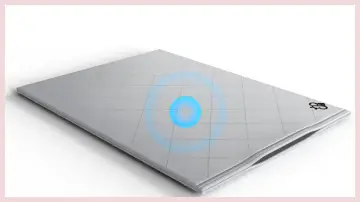
- Hapbee Sleep Pad vs. White-Noise Machines
A white-noise machine produces a consistent sound that can help mask distracting environmental noises.
I would consider one if traffic, household activity, or other intermittent sounds regularly interrupt your sleep. Its function is straightforward, and you can usually evaluate whether it helps by observing how often noise disturbs you.
The Hapbee Sleep Pad takes a different approach by promoting signal-based relaxation. Its intended benefits are less directly observable, and I would want stronger evidence before recommending it.
If noise is the main reason you struggle to sleep, I would choose a suitable sound-masking option first.
- Hapbee Sleep Pad vs. Weighted Blankets
Weighted blankets provide gentle, distributed pressure. Some people find that sensation comforting, particularly when winding down at night.
Their appeal is physical and easy to understand: the user can directly evaluate the weight, fabric, warmth, and comfort.
The Hapbee Sleep Pad instead emphasizes a technology-based approach rather than additional weight or pressure.
Neither product should be treated as a universal sleep treatment. However, if you already know that gentle pressure helps you relax, a properly selected weighted blanket may be a more intuitive option.
Choose a weight that is comfortable, and avoid one that restricts movement or breathing.
- Hapbee Sleep Pad vs. Smart Sleep Trackers
I find these products more useful for monitoring trends than for guaranteeing better sleep. They may help you recognize inconsistent bedtimes or changes in your routine, but their sleep-stage estimates are not equivalent to a clinical sleep study.
The Hapbee Sleep Pad is intended to influence the user’s experience, whereas a sleep tracker primarily collects and displays information.
If you are unsure about your sleep habits, a tracker may help you identify patterns. If you have persistent symptoms, however, neither a consumer tracker nor a sleep pad replaces professional assessment.
- Hapbee Sleep Pad vs. White-Noise and Relaxation Apps
Relaxation apps can provide guided breathing, calming audio, meditation, and bedtime stories.
I would consider these options when stress or racing thoughts make it difficult to settle down.
Many apps offer free content or relatively inexpensive subscriptions, so you can experiment without committing to a specialized electronic pad.
The Hapbee Sleep Pad may appeal to someone interested in hardware-based wellness technology, but I would not pay a premium for that distinction without evidence of an additional benefit.
For many people, a simple guided relaxation routine is a sensible starting point.
- Hapbee Sleep Pad vs. Conventional Bedding Improvements
Sometimes the most effective purchase is not an electronic sleep device at all.
A supportive pillow, comfortable mattress, breathable bedding, blackout curtains, or improved bedroom ventilation can address specific sources of discomfort.
If you regularly wake because your pillow strains your neck or your room becomes too warm, those problems deserve direct attention.
The Hapbee Sleep Pad does not automatically solve an unsuitable mattress, excessive light, or an uncomfortable sleeping environment.
I would identify the main obstacle to better sleep before spending money on a specialized wellness product.
Also Read: Is Comfrt Dreamer Blanket Worth It?
Frequently Asked Questions (FAQ)
I would not recommend it at this time without stronger evidence of consistent benefits. Negative customer feedback and uncertainty about effectiveness make it a risky purchase. Consider established sleep habits and more targeted alternatives first.
Hapbee promotes low-energy electromagnetic signals intended to imitate sensations associated with particular states. However, the proposed mechanism should not be confused with proof that the pad reliably improves sleep quality. Independent evidence of meaningful benefits is important.
I would not assume that the product is risk-free simply because it is marketed as a wellness device. Potential concerns include individual discomfort, unexpected symptoms, or issues associated with electronic components. Follow the manufacturer’s safety instructions and discontinue use if you experience concerning symptoms. Consult a healthcare professional when appropriate.
The Hapbee Sleep Pad uses a different technology concept from white-noise machines, sleep trackers, weighted blankets, and relaxation apps. Those alternatives have more readily identifiable functions, such as masking noise, monitoring sleep trends, or providing physical comfort. I would favor an option that addresses your specific sleep problem and has a clearer practical benefit.
Final Verdict
I would not recommend the Hapbee Sleep Pad as a first choice for improving sleep. Its technology is interesting, but uncertainty about its effectiveness, disappointing customer feedback, and questions about value make it difficult to justify the purchase.
Before spending money on it, I would focus on consistent sleep habits, a comfortable bedroom, and targeted solutions for problems such as noise or light.
If sleep difficulties persist, seek evidence-based professional guidance instead of expecting an electronic wellness product to solve the problem.
Recent Posts
Provence Beauty retinol products attract attention from shoppers looking for smoother skin, fewer fine lines, and a more even complexion without spending a fortune.However, concerning customer...
Blue Lizard Kids Sunscreen Review: Is It Worth Buying For Your Child?
When it comes to protecting my child's delicate skin, I want a sunscreen that offers dependable sun protection without making daily application a struggle.Blue Lizard Kids Sunscreen caught my...