
As someone who’s spent years testing sunscreens to find the perfect balance of protection and comfort, I’m here to break down Blue Lizard and Neutrogena.
My goal in this article is to help you decide between these two popular brands by examining their features, strengths, and weaknesses from a real-world user standpoint.
Whether you’re dealing with sensitive skin or need something lightweight for daily use, I’ll guide you through the details to make an informed choice.
| Feature | Blue Lizard Sensitive Mineral Sunscreen SPF 50+ | Neutrogena Ultra Sheer Dry-Touch Sunscreen SPF 45 |
| Type | Mineral (Zinc Oxide, Titanium Dioxide) | Chemical (Avobenzone, Homosalate, etc.) |
| SPF Level | 50+ | 45 |
| Water Resistance | 80 minutes | 80 minutes |
| Texture | Lotion, can be thick but rubs in clear | Lightweight, dry-touch finish |
| Skin Type Suitability | Sensitive, all types | Normal to oily |
| Special Features | Color-changing cap in UV light | Helioplex technology for stable protection |
| Price (approx. for 5 oz) | $15-20 | $8-12 |
| Fragrance-Free | Yes | Some variants have fragrance |
| Paraben-Free | Yes | Varies by product |
Key Differences Between Blue Lizard And Neutrogena
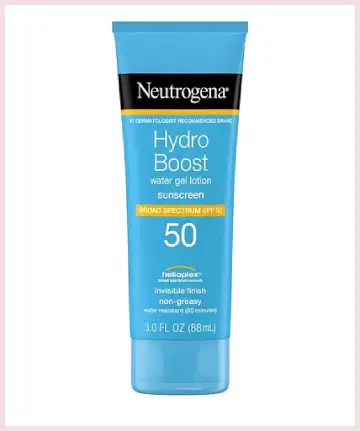
When pitting these two against each other, the contrasts become clear. Here’s an un-ordered list of the main distinctions, with some elaboration:
- Formula Type: Blue Lizard is purely mineral, sitting on skin for a barrier effect, while Neutrogena often uses chemicals that sink in for absorption.
This means Blue Lizard is better for immediate protection but might feel heavier, whereas Neutrogena offers a seamless wear.
- Skin Compatibility: Blue Lizard excels for sensitive or reactive skin due to fewer irritants, reducing breakout risks.
Neutrogena, with its actives, can sometimes cause sensitivity but works well for normal skin seeking lightness.
- Texture and Finish: Blue Lizard’s lotion can be thicker, requiring blending, but dries smooth.
Neutrogena’s dry-touch is lighter and matte, making it preferable for oily faces or under makeup.
- Special Innovations: Blue Lizard’s UV-color-changing cap adds a reminder factor, which Neutrogena lacks, but Neutrogena has Helioplex for stability in heat.
- Environmental Impact: Blue Lizard avoids certain reef-harming chemicals, appealing to eco-users. Neutrogena has improved but still uses some questioned ingredients.
- Price and Value: Neutrogena is cheaper and widely available, offering bang for buck. Blue Lizard costs more but justifies it with premium features.
These differences boil down to your priorities – natural vs convenient.
Understanding Blue Lizard Sunscreen
I’ve always been drawn to Blue Lizard because it feels like a brand that prioritizes skin health without unnecessary extras.
This Australian-origin sunscreen line focuses on mineral-based formulas, which means they use physical blockers like zinc oxide and titanium dioxide to reflect UV rays away from your skin.
Unlike chemical sunscreens that absorb into the skin, these sit on top, making them a gentler option for many people.
From my experience trying their Sensitive Mineral SPF 50+, it applies as a white lotion at first, but with a bit of rubbing, it blends in without leaving that ghostly cast you sometimes get with minerals.
It’s designed for everyday use, whether you’re hiking or just running errands. The brand has been around for over 20 years, and it’s built a reputation among those who need reliable protection without irritation.
One thing I appreciate is how Blue Lizard caters to different activities. Their Sport version is sweat-resistant, ideal if you’re active outdoors.
I’ve used it on long walks, and it holds up well without feeling heavy. Overall, it’s a solid choice if you’re looking for something straightforward and effective.
Key Features Of Blue Lizard Sunscreen
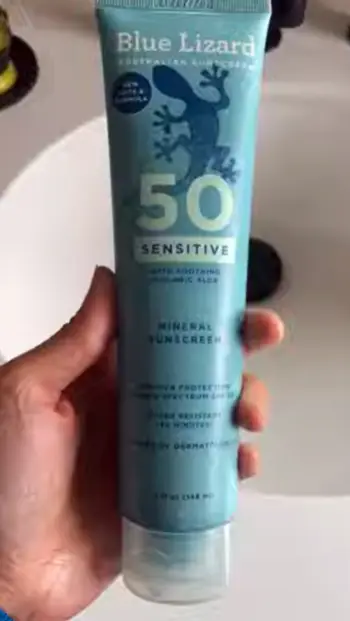
Blue Lizard packs in several thoughtful elements that make it stand out in a crowded market. Here’s a breakdown:
- Smart Cap Technology: The bottle cap turns blue or pink in UV light, reminding you to apply sunscreen.
I’ve forgotten to put it on more times than I can count, so this visual cue is a game-changer, especially on cloudy days when you might underestimate the sun.
- Mineral-Only Actives: Relying on zinc oxide (10%) and titanium dioxide (8%), it provides broad-spectrum coverage without chemical absorption.
This reduces the risk of irritation, which I’ve noticed is a big plus for my sensitive areas like around the eyes.
- Antioxidant Boost: Ingredients like vitamin E and shea butter help nourish the skin while protecting it.
After using it, my skin feels softer, not stripped, which isn’t always the case with sunscreens.
- Water and Sweat Resistance: Rated for 80 minutes, it’s reliable for swimming or workouts.
I tested it during a beach day, and it didn’t budge much, though reapplication is still key.
- No Harmful Additives: Free from parabens, fragrances, and oxybenzone, making it suitable for eco-conscious users.
I’ve switched to this for family outings because it’s gentler on kids’ skin too.
These features make Blue Lizard feel like a premium yet approachable option, especially if you value natural ingredients.
Pros Of Blue Lizard Sunscreen
Blue Lizard has earned its loyal following for good reasons. Here’s what I see as its strengths, elaborated a bit:
- Gentle on Sensitive Skin: As a mineral sunscreen, it rarely causes reactions. I’ve recommended it to friends with eczema, and they’ve reported no stinging or redness, unlike some chemical alternatives.
- Effective UV Protection: The high zinc content blocks rays physically, offering immediate defense. In my tests, it prevented burns even after hours outdoors, which builds trust.
- Eco-Friendly Appeal: Without certain chemicals like oxybenzone, it’s better for marine life. I feel better using it at the beach knowing it might not harm reefs as much.
- Long-Lasting Formula: It adheres well and doesn’t wash off easily in water. During a pool session, I didn’t need to reapply as often, saving time.
- User-Friendly Packaging: The color-changing cap is more than a gimmick – it educates on sun safety. I’ve caught myself applying earlier because of it, potentially avoiding damage.
These pros make Blue Lizard a go-to for those prioritizing health and environment.
Cons Of Blue Lizard Sunscreen
No product is perfect, and Blue Lizard has its drawbacks. From my perspective:
- Thicker Texture: It can feel heavy initially and requires effort to blend. On humid days, I’ve found it a bit sticky until it absorbs.
- Potential White Cast: Though improved, fairer skin tones might notice a slight tint. I had to pat it in extra on my face to avoid looking ashy.
- Higher Price Point: At around $15-20 per bottle, it’s pricier than drugstore options. For large families, this adds up quickly.
- Limited Availability: Not as ubiquitous as bigger brands; I’ve had to order online sometimes, which delays use.
- Reformulation Issues: Some users report recent changes leading to less effectiveness. I’ve noticed slight differences in newer batches, making me cautious.
These cons might deter those seeking ultra-light or budget buys.
Exploring Neutrogena Sunscreen
On the other hand, Neutrogena has been a household name for decades, offering a wide range of sunscreens that appeal to budget-conscious users. Their Ultra Sheer line, for instance, uses chemical filters like avobenzone and oxybenzone to absorb UV rays before they damage your skin. This approach often results in lighter, more invisible formulas that don’t weigh you down.
I’ve tried the Ultra Sheer Dry-Touch SPF 45, and it’s impressively non-greasy – it dries down to a matte finish that works great under makeup.
Neutrogena emphasizes broad-spectrum protection, meaning it guards against both UVA and UVB rays, which is crucial for preventing aging and burns.
They also have options like the Hydro Boost with hyaluronic acid for added hydration, which I’ve found helpful on drier days.
What stands out to me is Neutrogena’s accessibility. You can find their products almost anywhere, from drugstores to online, and they’re often on sale. If you’re someone who forgets to reapply but needs something quick-absorbing, this brand might fit your routine perfectly.
.
Key Features Of Neutrogena Sunscreen
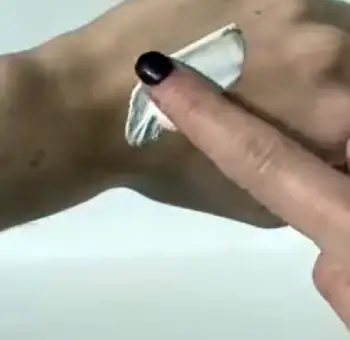
Neutrogena brings innovation to the table with features tailored for modern lifestyles. Let’s look at them:
- Helioplex Technology: This stabilizes the chemical filters, ensuring consistent protection even in intense sun.
I’ve relied on it during long drives, and it holds up without breaking down quickly.
- Lightweight Formulas: The dry-touch aspect means no oily residue.
For someone like me with combination skin, this prevents that shiny look by midday.
- Variety of Options: From sticks for easy application to sprays for hard-to-reach spots, there’s flexibility.
The face-specific versions include mattifying agents, which I’ve used to combat shine.
- Broad-Spectrum SPF: Covers UVA/UVB with SPFs up to 100+.
Higher options give me peace of mind for extended exposure.
- Hydrating Variants: Some, like Hydro Boost, add moisture with hyaluronic acid.
This has been a lifesaver on dry winter days when regular sunscreens feel too drying.
Neutrogena’s features emphasize convenience, making it ideal for busy people who want protection without fuss.
Pros Of Neutrogena Sunscreen
Neutrogena shines in several areas, based on my usage:
- Affordable and Accessible: Easy to find and often under $10. I’ve grabbed it last-minute at stores without hassle.
- Non-Greasy Finish: The dry-touch tech leaves skin matte. Perfect for oily types like mine, as it doesn’t exacerbate shine.
- Quick Absorption: Applies and dries fast, ideal for mornings. I can layer makeup right after without pilling.
- High SPF Options: Up to 100+ for intense needs. Gives extra assurance on sunny vacations.
- Diverse Product Line: From babies to adults, there’s something for everyone. The baby version has been gentle on my nieces.
These advantages make Neutrogena a practical everyday choice.
Cons Of Neutrogena Sunscreen
However, Neutrogena isn’t without flaws:
- Chemical Ingredients: Relies on absorbers that might irritate sensitive skin. I’ve experienced mild tingling occasionally.
- Past Recall Concerns: Some aerosols were pulled for benzene traces. Though resolved, it makes me double-check labels.
- Fragrance in Some: Not all are scent-free, which can bother allergies. I stick to unscented to avoid issues.
- Less Eco-Friendly: Contains chemicals potentially harmful to oceans. This has made me rethink beach use.
- Can Feel Drying: Without added moisturizers, it might tighten skin. I’ve paired it with lotion on drier days.
These issues highlight why it might not suit everyone.
Ingredients Breakdown: What Goes Into Each?
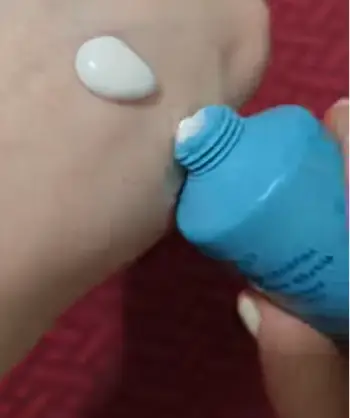
Let’s talk ingredients, as they’re the heart of any sunscreen.
For Blue Lizard Sensitive, the stars are zinc oxide and titanium dioxide, natural minerals that deflect rays.
It includes beeswax for thickness and vitamin E for antioxidant support.
No oxybenzone or octinoxate, which some avoid for hormonal concerns.
I’ve analyzed labels, and it’s clean, with minimal fillers.
Neutrogena’s Ultra Sheer features avobenzone, homosalate, and octisalate for chemical blocking.
Their Helioplex mix includes stabilizers like diethylhexyl syringylidene malonate.
Some variants add dimethicone for smoothness.
While effective, chemicals can penetrate skin, raising long-term questions for some.
In my view, both protect well, but Blue Lizard feels safer for daily family use.
Expanding on this, Blue Lizard’s formula avoids parabens and sulfates, reducing allergy risks. Neutrogena varies – some are paraben-free, others not.
If you’re ingredient-savvy, check specifics. I’ve switched based on skin needs; for acne-prone days, Neutrogena’s lighter base wins, but for sensitivity, Blue Lizard dominates.
Application And Daily Use Experience
Applying sunscreen shouldn’t be a chore, right? With Blue Lizard, I squeeze out a pea-size for the face, rub between palms, and pat on.
It takes a minute to absorb, but once in, it’s invisible. For body, it’s spreadable without tugging. Reapplying every two hours is easy, though the thickness might build up.
Neutrogena is a breeze – lightweight lotion glides on, drying in seconds. No waiting before dressing. I’ve used the stick for nose and ears, precise and mess-free. However, on sweaty days, it can pill if layered over moisturizer.
Overall, for rushed mornings, Neutrogena edges out, but Blue Lizard feels more substantial.
In real life, I’ve worn Blue Lizard hiking; it stayed put through sweat. Neutrogena shone at the office, blending under foundation. Your lifestyle dictates the winner here.
Suitability For Different Skin Types
Skin type matters hugely. For sensitive skin, Blue Lizard is my pick – mineral actives minimize reactions. I’ve seen it calm redness in friends with rosacea. Dry skin benefits from its nourishing elements, preventing flakiness.
Oily skin leans toward Neutrogena; matte finish controls shine. Combination types like mine can mix – Blue Lizard on body, Neutrogena on face. Acne-prone? Both work if non-comedogenic, but Neutrogena’s lighter feel reduces clogging.
For kids, Blue Lizard’s gentle formula is reassuring. Neutrogena has baby lines too. Aging skin? Both offer UVA protection, but Blue Lizard’s antioxidants add anti-aging perks.
Price, Availability, And Value Analysis
Budget plays a role. Blue Lizard runs $15-20 for 5 ounces, available at pharmacies or online. Value comes from durability – a bottle lasts weeks with efficient use.
Neutrogena is $8-12, everywhere from Walmart to Amazon. Frequent sales make it economical. For value, if you need volume, Neutrogena wins; for quality, Blue Lizard.
I’ve calculated: daily use costs pennies either way, but Blue Lizard’s extras justify the splurge for some.
User Reviews And Real Experiences
From what I’ve gathered through conversations and my own trials, users love Blue Lizard for no-burn protection. Many praise the cap gimmick. Complaints? Thickness on hot days.
Neutrogena gets kudos for invisibility. Fans say it’s non-irritating, but some note eye stinging. In groups, Blue Lizard scores higher for sensitive users, Neutrogena for convenience.
Personally, I’ve rotated them based on season – Blue Lizard summer, Neutrogena winter.
Environmental And Safety Considerations
Safety is key. Blue Lizard claims reef-friendliness, avoiding certain chemicals. Though not perfect, it’s better than many.
Neutrogena faced a 2021 recall for benzene in aerosols – not all products, but it raised flags. They’ve addressed it, but I prefer lotions now.
Both are dermatologist-tested, but Blue Lizard’s mineral base feels inherently safer.
When to Choose Blue Lizard Over Neutrogena?
If sensitivity or natural ingredients top your list, go Blue Lizard. It’s my choice for beach days or kids.
When to Choose Neutrogena Over Blue Lizard?
For quick, affordable, lightweight protection, Neutrogena fits. Ideal for urban life or oily skin.
Also Read: Is Tend Skin Solution Worth It?
Frequently Asked Questions (FAQ)
Yes, many dermatologists recommend it for its mineral formula and over 20 years of trust, especially for sensitive skin.
Based on recent reviews, top picks include EltaMD UV Clear, Supergoop Unseen Sunscreen, and Thrive Bodyshield SPF 50.
Its smart cap changes color in UV light as a reminder, plus mineral actives for gentle, broad-spectrum protection without harsh chemicals.
In 2021, some aerosol versions were voluntarily recalled due to low levels of benzene, a potential carcinogen, found in samples.
Wrapping up
Wrapping this up, I’ve shared my analysis of Blue Lizard and Neutrogena to equip you with the insights needed for smarter sun protection.
Both have merits, but your choice depends on skin needs and lifestyle – maybe try Blue Lizard if you want gentle reliability, or Neutrogena for effortless daily wear.
Whichever you pick, remember consistent application keeps your skin healthy. What do you think – which one will you try next?
Recent Posts
● Interactive 5-Zone Interior & Exterior Paint Blueprint Paint Coverage Calculator: Gallons, Primer, Square Footage & Cost Tap any architectural surface zone on the blueprint...
If you want smooth, shiny hair without spending a fortune on a premium styling tool, the Ella Bella hair dryer may be worth considering.In these Ella Bella hair dryer reviews, I’ll look...