
As someone who’s logged countless miles running trails and hitting the gym, I’ve battled chafing more times than I care to admit.
In this article, I’ll break down BodyGlide and Vaseline, two popular options for preventing that painful skin irritation.
My goal is to help you decide which one fits your needs by sharing my experiences, analyzing their features, and weighing the upsides and downsides.
| Feature | BodyGlide | Vaseline |
| Form | Stick balm | Petroleum jelly |
| Main Ingredient | Plant-based waxes and oils | Petroleum jelly |
| Application | Glide-on stick | Spread by hand |
| Greasiness | Non-greasy, dry finish | Greasy, oily residue |
| Water Resistance | Water-resistant | Water-resistant |
| Scent | Unscented or lightly scented options | Unscented |
| Price per Unit | Around $10-15 for a stick | $3-5 for a jar |
| Best For | Runners, cyclists, long activities | General use, budget-friendly |
| Mess Factor | Low | High |
| Portability | High (stick form) | Medium (jar or tube) |
Understanding Chafing And Why It Matters?
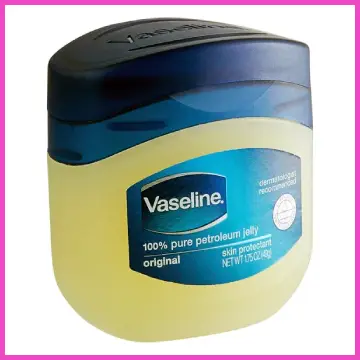
I’ve been there—mid-run, feeling that burning sensation where my thighs rub together or my shirt chafes my nipples.
Chafing happens when skin rubs against skin or fabric, especially when sweat or moisture is involved. It’s not just uncomfortable; it can sideline you with raw, irritated skin.
That’s why products like BodyGlide and Vaseline come into play.
They’re barriers that reduce friction, but they work in different ways.
BodyGlide is a specialized anti-chafing balm designed for athletes, while Vaseline is the classic petroleum jelly that’s been around forever for all sorts of skin protection.
From my runs in humid weather to long hikes, I’ve tested both. BodyGlide feels like a modern solution tailored for movement, whereas Vaseline is more of a household staple I grab in a pinch.
Let’s explore what makes each tick.
Key Differences Between Bodyglide And Vaseline
While both tackle chafing, their approaches diverge in ways that affect my daily use. Here’s how they stack up:
- Texture and Feel: BodyGlide goes on smooth and dries to a matte finish, so my clothes don’t stick. Vaseline leaves a shiny, oily layer that can feel slick but sometimes transfers to fabrics.
- Application Method: With BodyGlide, it’s a quick roll-on like deodorant, keeping things clean. Vaseline requires scooping and rubbing in, which gets my fingers greasy every time.
- Ingredient Profile: BodyGlide uses plant waxes for a lighter touch, appealing if I avoid petroleum products. Vaseline is all about that heavy-duty petrolatum seal.
- Durability in Activity: BodyGlide resists sweat better for high-intensity stuff, from my experience. Vaseline might need more frequent touch-ups during intense sweat sessions.
- Cost and Value: BodyGlide costs more upfront but lasts longer per use since it’s targeted. Vaseline is budget-friendly but I go through it faster for the same coverage.
These distinctions help me choose based on the day’s activity—quick run? BodyGlide. Casual walk? Vaseline might do.
Key Features Of Bodyglide
BodyGlide stands out as a go-to for many active folks, and I’ve relied on it during marathons. Here’s what I’ve noticed about its standout traits:
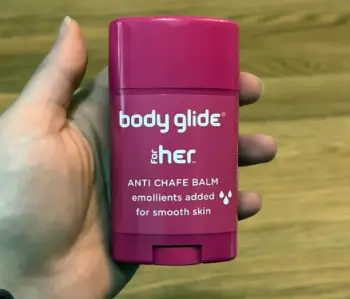
- Plant-Derived Formula: It’s made from ingredients like caprylic/capric triglyceride and allantoin, which soothe skin without petroleum.
This appeals to me when I want something that feels natural on my body.
- Stick Applicator: The deodorant-like stick makes it simple to apply without getting my hands messy.
I can swipe it on thighs, underarms, or feet quickly before heading out.
- Sweat and Water Resistance: It holds up during sweaty workouts or light rain, which is crucial for me on long outdoor sessions.
No constant reapplication needed.
- Variety of Options: They offer versions like original, for her, or with sunscreen.
I’ve tried the original, and it’s versatile for different body parts.
- Hypoallergenic Claims: It’s free from many irritants, which suits my sensitive skin.
No strong smells or residues that linger.
These features make BodyGlide feel premium, like it’s engineered for performance rather than just basic protection.
Pros Of Bodyglide
I’ve come to appreciate BodyGlide for its targeted design. Let’s list out the advantages I’ve experienced:
- Mess-Free Application: No residue on hands means I can apply it and go without washing up. Perfect for pre-race jitters.
- Long-Lasting Protection: One application often lasts my entire workout, even in heat. I’ve finished 10K runs without reapplying.
- Skin-Friendly Ingredients: The natural base doesn’t clog pores or cause breakouts on my thighs. It even has soothing elements like vitamin E.
- Portability for On-the-Go: The stick fits in my pocket or running belt easily. I’ve carried it on trails without issue.
- Specialized for Athletes: Formulated for spots like bra lines or inner thighs, it addresses runner-specific problems effectively.
These pros make it worth the splurge when I’m serious about comfort.
Cons Of Bodyglide
That said, it’s not perfect. Here are the drawbacks I’ve encountered:
- Higher Price Point: At $10+, it’s pricier than Vaseline, which adds up if I use it daily. I save it for big events.
- Limited Availability: Not always in every store, so I order online sometimes, which delays things.
- Potential for Drying Out: If left open, the stick can harden. I’ve had to replace one prematurely.
- Not as Versatile: It’s mainly for chafing, not multi-use like Vaseline. I can’t use it for dry skin elsewhere easily.
- Scent Options Limited: While mostly unscented, some variants have a mild smell that might not appeal to everyone.
These cons remind me it’s a niche product, not an all-rounder.
Key Features Of Vaseline
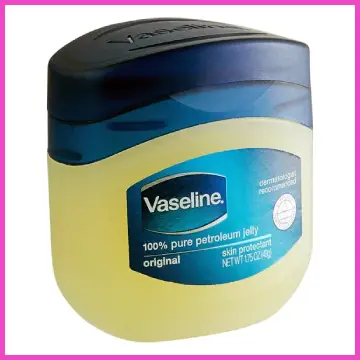
Vaseline has been my backup for years, especially when I’m low on supplies. It’s straightforward, but effective in its own right:
- Petroleum Jelly Base: Pure petrolatum creates a thick barrier that locks in moisture and blocks friction.
I’ve used it on dry heels or chapped lips too.
- Versatile Packaging: Comes in jars, tubes, or mini tins, so I can toss a small one in my bag.
The jar is great for home use.
- Affordable and Accessible: Found everywhere, from drugstores to gas stations.
It’s cheap, which means I don’t hesitate to slather it on generously.
- Multi-Purpose Use: Beyond chafing, it’s for tattoos, minor cuts, or even as a makeup remover.
I’ve improvised with it on camping trips.
- Unscented and Simple: No fancy additives, just pure protection.
It doesn’t clash with my other products.
Vaseline’s simplicity is its strength—it’s reliable without bells and whistles.
Pros Of Vaseline
Vaseline’s reliability shines in everyday scenarios. From my trials:
- Budget-Friendly: A jar lasts forever and costs little. I’ve used the same one for months on various needs.
- Intense Moisture Barrier: It seals skin thoroughly, great for very dry or irritated areas. Helped me through winter runs.
- Widely Available: Grab it anywhere, anytime. Saved me on trips when I forgot my gear.
- Multi-Functional: Beyond chafing, it’s for lips, hands, or even slugging skincare. One product, many uses.
- Proven Track Record: Been around for over a century, so I trust its effectiveness from generations of users.
It’s a staple that never lets me down in a bind.
Cons Of Vaseline
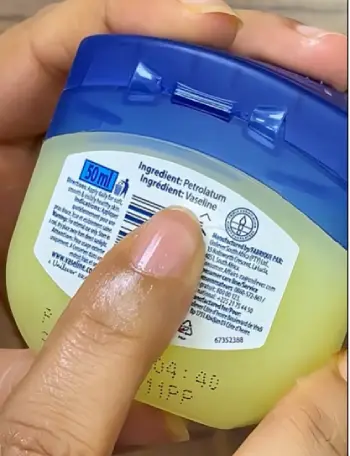
But there are trade-offs I’ve noticed:
- Greasy Residue: Leaves skin oily, which can stain clothes or feel uncomfortable.
I’ve ruined a few shirts.
- Messy to Apply: Fingers get coated, and it’s hard to control the amount.
Not ideal for quick applications.
- Petroleum-Based: Some folks, including me at times, prefer avoiding it for environmental or skin reasons.
- Less Sweat-Resistant: In heavy perspiration, it can slide off faster.
Needed reapplication during humid marathons.
- Bulkier Packaging: Jars aren’t as portable as sticks for active lifestyles.
These issues make it less ideal for intense activities.
When To Choose Bodyglide Over Vaseline?
In my routine, BodyGlide wins for structured workouts.
If I’m training for a half-marathon, its non-greasy formula keeps me focused on the run, not the discomfort.
The stick’s precision lets me target trouble spots like under my sports bra or between toes in running shoes. Plus, it’s vegan and cruelty-free, which aligns with my values.
I’ve found it especially useful in group fitness classes where I don’t want oily hands touching equipment.
On longer endurance events, BodyGlide’s staying power means fewer stops.
I remember a trail run where Vaseline would have washed away in stream crossings, but BodyGlide held firm. If you’re like me and prioritize convenience and performance, this is your pick.
When To Choose Vaseline Over Bodyglide?
Vaseline steps up for casual or multi-purpose needs. During relaxed walks or yard work, its affordability means I don’t mind using extra.
I’ve applied it liberally on my feet before breaking in new boots, preventing blisters effectively. It’s also my go-to for family use—kids’ chapped cheeks or my partner’s dry elbows.
In emergencies, like forgetting gear on vacation, Vaseline’s everywhere. Its thick barrier excels in cold, dry weather where skin cracks easily.
If budget or versatility matters more to you than sport-specific design, Vaseline fits the bill.
My Personal Experiences With Both
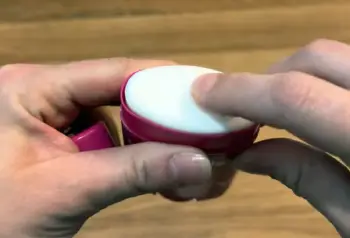
Let me share some real stories. Last summer, during a humid 15-mile run, I used BodyGlide on one thigh and Vaseline on the other—pure experiment.
BodyGlide’s side stayed smooth, no irritation.
Vaseline’s felt slippery at first but started chafing after mile 10, probably from sweat breaking it down. Lesson learned: BodyGlide for heat.
But on a winter hike, Vaseline saved the day.
Wind-chapped skin needed that heavy seal, and BodyGlide’s lighter touch wasn’t enough.
I slathered Vaseline on exposed areas, and it prevented cracking.
Another time, at the gym, BodyGlide’s stick prevented underarm chafing from pull-ups, while Vaseline would have made grips slippery.
Switching between them based on activity has been key. BodyGlide for precision, Vaseline for bulk protection.
How To Apply Each Effectively?
Application matters a lot in my book. For BodyGlide, I clean and dry the area first, then glide on a thin layer—think 2-3 swipes. Focus on seams, folds, or high-friction zones. Let it absorb for a minute before dressing.
With Vaseline, I use clean fingers or a spatula to dab a pea-sized amount, rubbing it in until even. Avoid overdoing it to minimize greasiness. For feet, I apply inside socks too. Always test a small spot if your skin’s sensitive.
Pro tip: Layer with powders for extra dryness, but I’ve found both work solo most times.
Alternatives To Consider
While these two are my mains, I’ve tried others. Chamois Butt’r is similar to BodyGlide but creamier—good for cyclists.
Aquaphor, a Vaseline cousin, adds healing elements for already chafed skin. Natural options like coconut oil work but melt in heat.
Anti-monkey butt powder absorbs sweat pre-application. Depending on your sport, mixing products can optimize results.
Environmental And Health Considerations
Thinking analytically, BodyGlide’s plant-based formula feels better for the planet, biodegradable in some claims.
Vaseline’s petroleum ties to fossil fuels, which bugs me environmentally. Health-wise, both are safe for most, but Vaseline can trap bacteria if not cleaned properly.
BodyGlide’s allergens are rare, but check labels. I always patch-test new batches.
For long-term use, neither caused issues for me, but consult a doc for chronic skin woes.
Cost-Benefit Analysis
Breaking it down: BodyGlide’s $12 stick lasts 20-30 uses, about 50 cents per application. Vaseline’s $4 jar handles 50+ uses, under 10 cents each.
But factor in effectiveness—BodyGlide’s efficiency means less waste. If chafing derails workouts, investing in BodyGlide pays off in consistency. Vaseline suits occasional needs without breaking the bank.
Also Read: Comparison Of Body Glide And Megababe
Frequently Asked Questions (FAQ)
It depends on your needs; BodyGlide for athletes, Vaseline for budget multi-use.
Yes, if you value mess-free, long-lasting protection during intense activities.
To create a barrier reducing friction and preventing chafing from sweat and movement.
No, it’s for prevention; use it on healed skin to avoid further irritation.
Wrapping Up
Wrapping this up, I’ve shared my firsthand insights on BodyGlide and Vaseline to guide your choice.
Both have saved my skin, but BodyGlide edges out for active pursuits with its clean, enduring protection. Vaseline shines in versatility and cost.
You know your routine best—try both and see what sticks. Whether you’re pounding pavement or just staying comfortable, the right barrier makes all the difference.
What’s your go-to? Give one a shot and feel the relief.
Recent Posts
I spent months comparing budget options against established names after my last set of tires wore out sooner than expected.My goal here is to share what I learned from putting Dextero and...
AquaTru Carafe Vs. Classic: Which Is Actually Fits Your Kitchen?
I decided to write this comparison after months of testing both the AquaTru Carafe and the Classic in my own kitchen. Tracking covered daily use.Taste stayed consistent. Refill frequency...