
I have spent years testing household cleaners in my own kitchen and bathroom.
The Bon Ami versus Bar Keepers Friend debate keeps coming up whenever tough stains appear on stainless steel or porcelain.
My main intent here is to share a clear side-by-side analysis of both powders. This helps you decide which one fits your cleaning style, surfaces, and preference for gentler or stronger formulas without wasting money or risking damage.
| Feature | Bon Ami | Bar Keepers Friend |
| Main Active Ingredient | Feldspar + calcium carbonate | Oxalic acid + mineral abrasive |
| Abrasiveness Level | Mild / finer grit | Moderate / stronger scrub |
| Best For | Everyday grime, delicate surfaces | Rust, hard water, burnt-on food |
| Eco / Toxicity Profile | High (EWG A, non-toxic) | Lower (contains oxalic acid) |
| Forms Available | Mostly powder | Powder, cream, liquid, spray |
| Typical Price Range | Slightly lower per can | Slightly higher, lasts longer on tough jobs |
| Gloves Needed | Rarely | Recommended |
Key Differences Between The Bon Ami And Bar Keepers Friend
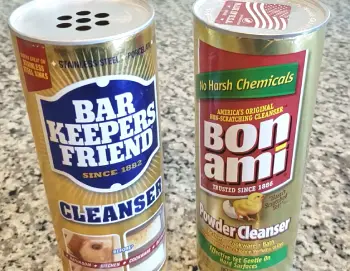
- Abrasiveness and grit size: Bon Ami uses a finer mineral grit based on feldspar and limestone. It polishes more than it digs into the surface.
I notice fewer micro-scratches on porcelain and certain stainless finishes after repeated use.
- Primary cleaning chemistry: Bon Ami relies on physical abrasion plus mild alkaline ingredients like baking soda. It lifts dirt without a strong chemical reaction on most surfaces.
Bar Keepers Friend brings oxalic acid that chemically dissolves rust and lime deposits in less time.
- Surface safety range: I reach for Bon Ami first on anything that might scratch easily. It feels safer when kids and pets are nearby during cleaning.
Bar Keepers Friend demands more caution and a quick rinse because the acid can dull certain finishes if left sitting too long.
- Product lineup breadth: Bon Ami stays focused on its classic powder form. Bar Keepers Friend gives me cream and spray versions that work better on vertical surfaces.
These extra formats help when I want less dust floating in the air.
- Effort versus speed trade-off: With Bon Ami I put in more elbow grease on burnt pans. The process takes longer but stays gentle.
With Bar Keepers Friend the chemical action does more of the work so the job finishes sooner.
- Rinse and residue behavior: Bon Ami rinses clean with less extra effort. Bar Keepers Friend needs thorough rinsing every time.
Leftover acid can leave a slight film if I rush the final step.
- Scent and fume level: Bon Ami stays nearly scent-free in the room.
Bar Keepers Friend has a mild chemical note that some people notice more in closed spaces.
Key Features Of Bon Ami
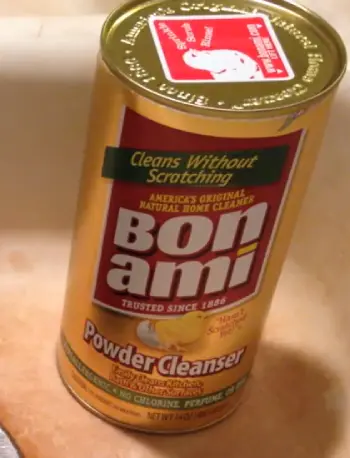
- Simple mineral formula: The powder centers on calcium carbonate, feldspar, sodium carbonate, and a light surfactant.
No chlorine, perfume, or dye appears in the mix. The short list stays easy to understand and trust around food areas.
- Non-scratch polishing action: The grit is fine enough that I can use it on many enamel and porcelain pieces.
It rarely leaves the dull haze I sometimes get from stronger powders.
- Odor absorption: Baking soda in the mix helps neutralize smells in the sink.
It works well on cutting boards after fish or onion prep sessions.
- Hypoallergenic and low-fume profile: I can clean without opening every window for ventilation.
Respiratory irritation stays low on ordinary cleaning days.
- Long shelf life in a basic can: The powder does not clump easily if I keep the lid tight.
One 14-ounce can lasts me several months of regular household use.
- Gentle daily performance: It handles light grease and soap scum without harsh effects.
Repeated weekly use causes little noticeable surface wear over time.
Clear ingredient list: The short list stays easy to read at a glance.
I know exactly what touches my food-prep counters and sinks.
Pros Of Bon Ami
- Gentle enough for frequent use: I can wipe down the same sink several times a week. The finish shows little gradual wear even with steady cleaning.
- Strong safety and environmental profile: The absence of harsh acids and the high independent safety rating give me peace of mind. It feels better around food-prep surfaces and family spaces.
- Effective everyday cleaner: For routine soap scum, light grease, and daily kitchen mess it performs reliably. Steady scrubbing delivers consistent results without drama.
- Affordable entry price: The can usually costs a bit less than the equivalent Bar Keepers Friend size. Stockpiling extra cans stays easy on a normal budget.
- No strong chemical smell: The unscented nature means the kitchen does not smell like a laboratory. The room stays neutral after I finish the job.
- Family-friendly handling: Gloves are rarely needed for normal tasks. Kids and pets can remain nearby without extra worry during ordinary cleaning.
- Low risk of etching: Delicate surfaces stay safer with this formula. Accidental over-use causes fewer permanent marks compared with stronger options.
Cons Of Bon Ami
- Requires more physical effort on stubborn stains: Burnt sugar or heavy rust needs repeated passes under the sponge. The process simply takes more time and pressure.
- Limited power against mineral scale: Hard-water rings that have sat for months respond slowly. An acid-based formula clears them with less scrubbing overall.
- Narrower product range: Cream or spray versions are not part of the lineup. I have to look at other brands when those formats would help.
- Not ideal for every metal finish: Certain highly polished stainless pieces can look slightly less bright. Extra careful rinsing helps but adds one more step.
- Dust factor during application: The fine powder can float into the air if I sprinkle too vigorously. A dry room makes this more noticeable during use.
- Slower on thick grime layers: Multiple applications become common on neglected pots. Time stretches when the mess is older and heavier.
- Less chemical boost: Pure abrasion does most of the work here. Stubborn deposits need more patience and repeated effort from me.
Key Features Of Bar Keepers Friend
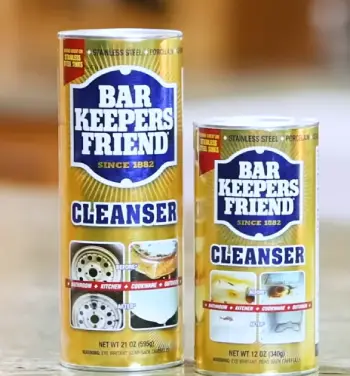
- Oxalic acid core: This is the ingredient that breaks the chemical bond of rust and hard-water minerals.
It is the main reason the product shines stainless steel cookware and chrome fixtures so well.
- Multi-form options: Powder works best for heavy scrubbing jobs. Soft cream gives better control on vertical surfaces.
Sprays handle quick wipe-downs when time is short.
- Fast action on mineral deposits: A short dwell time of about one minute is usually enough before rinsing. That speed matters when I clean after a busy dinner party.
- Wide acceptance among cookware makers: Many stainless brands list it as a recommended cleaner.
This matches the strong results I see on All-Clad and similar pans.
- Water-softening helpers: Extra agents in the formula help loosen scale that pure abrasion alone struggles with.
The combination targets mineral buildup more directly.
- Efficient product use: A little powder goes a long way on tough spots.
The can lasts through multiple deep-clean sessions in my kitchen.
- Strong stain reaction: It targets burnt-on food and orange rust rings effectively.
Visible results appear quicker than with milder mineral powders.
Pros Of Bar Keepers Friend
- Superior stain-cutting power: Rust, lime, and burnt-on residue disappear faster than with milder powders. This saves clear time on the worst kitchen jobs.
- Excellent results on stainless steel: My cookware and sink regain a near-new shine with less scrubbing. The difference shows especially on high-use pans.
- Versatile formats: I can choose powder for heavy work or cream when I need better control. Sprays add convenience for quick surface wipe-downs.
- Trusted for cookware restoration: It has rescued many pans that looked beyond hope after high-heat cooking. The results often surprise me in a good way.
- Efficient product use: A little goes a long way on tough spots. The can lasts through multiple deep-clean sessions without running out fast.
- Quick mineral response: Hard-water marks lift with only short contact time. Chrome fixtures often brighten fully in a single focused pass.
- Strong industry support: Many makers recommend it specifically for metal surfaces. Real results in my tests match that widespread advice.
Cons Of Bar Keepers Friend
- Stronger chemical presence: Oxalic acid requires gloves for prolonged contact. Careful rinsing is needed to avoid residue or mild skin irritation afterward.
- Higher risk on sensitive surfaces: Accidental use on marble, granite, or non-stick coatings can etch or dull the finish. The damage can become permanent if I misjudge the surface.
- Stronger odor and potential fumes: The mild chemical scent bothers some people more than scent-free options. Closed rooms make the note more noticeable during use.
- Slightly higher cost per can: The price difference is small at first glance. It adds up over time if I clean large areas on a frequent schedule.
- Strict timing rules: Leaving the paste on too long can cause discoloration on some materials. I always set a mental timer to stay safe.
- Need for protective steps: Gloves and good airflow become routine parts of the process. Skipping them raises the chance of irritation or leftover film.
- Limited gentle-use range: Everyday light cleaning can feel like overkill with this formula. It suits heavier and more stubborn tasks far better.
How They Perform In Real Kitchen And Bathroom Use?
In my stainless steel sink, both remove daily coffee and food marks. Bar Keepers Friend clears the mineral halo around the drain faster.
Bon Ami needs more circular motion but leaves a softer polish that feels nicer under running water afterward.
On porcelain tubs and tile, the gentler powder handles soap scum without dulling the glaze over months of use. The stronger formula works well too, yet I rinse more aggressively to avoid any risk of haze.
Cookware tells a clearer story. Burnt stainless pans respond better to the acid version. I sprinkle, wait briefly, scrub, and rinse with less total effort. Non-stick pans stay off-limits for both, and I stick to softer methods there.
Bathroom fixtures with hard water spots favor Bar Keepers Friend. Faucets regain their shine after one focused session.
For routine wipe-downs between deep cleans, Bon Ami keeps surfaces looking maintained without the extra precautions.
Surfaces And Situations Where Each Shines?
Bon Ami fits best for regular maintenance on sinks, stovetops, ceramic, and many countertops that tolerate mild abrasion. I use it when the goal is steady upkeep rather than rescue of neglected messes.
Bar Keepers Friend steps in for recovery work: rust on tools or fixtures, heavy scale in showers, and stubborn pan bottoms. Its strength becomes the advantage once the soil exceeds what gentle polishing can handle quickly.
Neither belongs on natural stone like marble or granite, bare cast iron, wood, fabric, or non-stick coatings. Always check the surface manufacturer guidance and test first.
Practical Tips From Regular Use
Wet the surface first for both. Sprinkle or apply a small amount, work in circular motions, then rinse thoroughly.
For Bon Ami I often make a light paste and keep moving. For Bar Keepers Friend I limit contact time and wear gloves.
Store both cans in a dry cabinet. Moisture clumps the powder and reduces effectiveness. Keep them away from children and pets even though one is milder than the other.
If you clean frequently, the gentler option supports daily or weekly routines without accumulating risk. If messes build up between sessions, the stronger formula recovers ground faster.
Also Read: Comparison Of Comet And Bar Keepers Friend
Frequently Asked Questions (FAQ)
It depends on your priority. Choose Bon Ami for gentler everyday cleaning and higher safety. Choose Bar Keepers Friend when you need more power on tough stains.
Avoid windows, mirrors, non-stick cookware, and any surface the manufacturer says should not meet abrasives. Test polished or glossy areas first.
The main powder cleanser remains available. Certain larger sizes and specialty formulas have been phased out over time, but the core product continues.
Skip non-stick coatings, bare cast iron, marble, granite, wood, painted surfaces, gold, and similar delicate or porous materials. Limit contact time on approved surfaces.
Wrapping Up
After years of switching between these two powders depending on the job, I have settled on keeping both in the cabinet.
Bon Ami handles the regular upkeep that keeps my kitchen and bath looking cared for without drama.
Bar Keepers Friend steps up when something stubborn appears and I want faster results. You can start with the one that matches your most common messes and add the other later if needed.
Pay attention to the surfaces in your home, follow the simple application steps, and rinse well every time. That approach has given me reliable results without costly mistakes, and it should do the same for you.
Recent Posts
● Interactive 5-Zone Interior & Exterior Paint Blueprint Paint Coverage Calculator: Gallons, Primer, Square Footage & Cost Tap any architectural surface zone on the blueprint...
If you want smooth, shiny hair without spending a fortune on a premium styling tool, the Ella Bella hair dryer may be worth considering.In these Ella Bella hair dryer reviews, I’ll look...