
If you want a practical garden treatment for fungal and bacterial problems, I think Bonide Copper Fungicide is worth considering.
I like it because copper-based treatments can cover several common plant diseases without requiring a complicated routine. In my experience, the biggest advantage is having one product that can fit into a broader garden-care strategy.
If you regularly deal with leaf spots, blight, mildew, or similar problems, I would consider buying Bonide Copper Fungicide and using it carefully according to the product directions.
My First Experience With Bonide Copper Fungicide
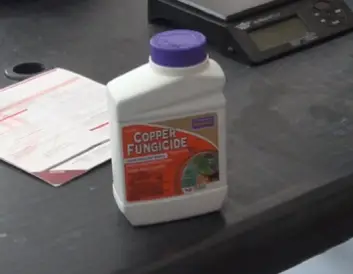
When I first started paying closer attention to plant diseases, I quickly realized that fungal problems could spread before I noticed how serious they had become.
A few spotted leaves could turn into widespread damage surprisingly quickly. That was what made me interested in copper-based fungicides.
Using Bonide Copper Fungicide felt fairly straightforward. I mixed and applied it according to the label directions, paying close attention to coverage.
That last part matters more than I initially expected. Spraying only the most visibly damaged leaves doesn’t give me the same confidence as getting a consistent coating over the plant surfaces that need protection.
What I particularly appreciate is that copper fungicide isn’t designed simply as a quick cosmetic fix. It works primarily as a protective treatment, so timing becomes important. When I use it as part of a regular disease-management routine, I get much better results than when I wait until a plant is already severely affected.
I also noticed that weather plays a major role. If rain arrives soon after application, I don’t expect the treatment to perform exactly as it would under dry conditions. Likewise, I avoid casually applying more product because I think extra fungicide must mean extra protection. With copper products, that approach can create problems of its own.
Another thing I learned is that identifying the actual plant problem matters. Not every yellow, brown, curled, or damaged leaf is caused by fungus or bacteria. Sometimes the cause is watering, insects, nutrient imbalance, environmental stress, or physical damage. Applying fungicide blindly isn’t something I recommend.
Overall, my experience with Bonide Copper Fungicide is that it works best when I treat it as one part of a complete garden-care plan rather than a miracle solution.
Pros Of Bonide Copper Fungicide
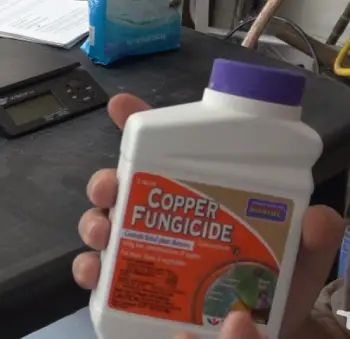
- Broad Disease Coverage
One of the biggest reasons I consider copper fungicide useful is its broad application across different garden problems.
Depending on the specific product formulation and label, copper treatments can be used against various fungal and bacterial diseases.
That makes it convenient for gardeners who grow several types of plants. Instead of dealing with completely different disease-management strategies for every crop, I can sometimes incorporate copper treatment into a wider routine.
Still, I never assume that every copper fungicide is automatically approved for every plant. I check the product label before applying it.
- Useful as a Preventive Treatment
This is probably the feature I value most.
Copper fungicide generally makes more sense to me when used before disease becomes severe. If I know a particular plant frequently develops leaf spot during wet weather, I can plan my treatment around those conditions.
That proactive approach can be much more useful than waiting for widespread infection.
I think of it as putting up a protective barrier rather than trying to repair something that has already been badly damaged.
- Suitable for Many Garden Situations
Another advantage is versatility. Copper-based fungicides can be relevant to ornamental plants, vegetables, fruits, and other garden crops when the specific label permits their use.
For someone like me who enjoys growing different plants in the same garden, that flexibility is convenient.
However, versatility doesn’t mean universal compatibility. Some plants can be sensitive to copper, particularly under certain weather conditions or when applications are excessive.
- Relatively Simple Application
I don’t want garden treatments that require a complicated process every time I use them. Bonide Copper Fungicide can fit into a straightforward spraying routine when I follow the label carefully.
The basic process usually involves preparing the product correctly, applying it evenly, and allowing the treatment to remain on the plant.
The important word here is “correctly.” I don’t improvise concentrations, and I don’t assume that a stronger mixture will work better.
- Helpful for Disease Management
What I like most is that copper fungicide can become part of a broader disease-management strategy.
I still remove badly infected leaves, improve airflow, avoid unnecessary overhead watering, clean garden tools, and monitor plants regularly.
When I combine those habits with appropriate fungicide use, I feel much more confident about keeping disease pressure under control.
Cons Of Bonide Copper Fungicide
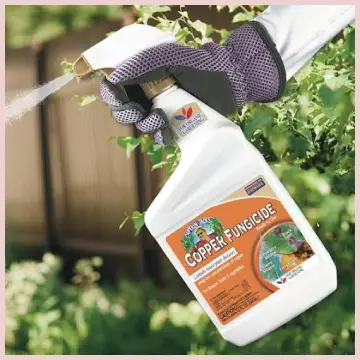
- It Can Cause Plant Injury
This is one of the biggest concerns I would keep in mind.
Copper isn’t completely harmless to plants. Applying too much, using it under unsuitable conditions, or treating sensitive plants can result in leaf damage.
I never think, “If a little helps, more must help more.” With copper products, that mentality can backfire.
- It Doesn’t Fix Severely Damaged Tissue
If I’m expecting brown leaves to turn green again after spraying, I’ll be disappointed.
Fungicide can help protect new and unaffected tissue, but already damaged leaves generally remain damaged. That’s why I focus on preventing the disease from spreading rather than expecting the product to restore existing injuries.
- Timing Matters
Copper fungicide isn’t something I casually spray whenever I remember.
Rain, temperature, plant growth stage, and disease pressure can influence how useful an application will be. If I ignore those factors, I may end up using the product without getting the results I want.
- Repeated Use Requires Care
Repeated copper applications can lead to copper accumulation in soil over time. That’s another reason I avoid unnecessary applications.
I prefer a measured approach based on the product label and actual disease conditions.
- Not Every Plant Problem Is Fungal
This is an easy mistake for beginners.
Suppose I see yellow leaves. I could immediately assume fungal disease and reach for fungicide. But yellowing might result from poor drainage, overwatering, underwatering, nutrient problems, insects, root damage, or environmental stress.
If I treat the wrong problem, I’m simply wasting time and product.
Maintenance Tips Bonide Copper Fungicide
- Inspect Plants Regularly
I get better results when I inspect my plants before problems become obvious.
I look underneath leaves, around stems, near new growth, and especially at areas where moisture tends to remain. Small spots, unusual discoloration, or rapidly spreading lesions can provide an early warning.
You should make this a regular habit rather than waiting until the entire plant looks unhealthy.
- Remove Severely Diseased Material
When I find heavily infected leaves or plant debris, I remove them appropriately instead of leaving them around the garden.
Dead and infected material can contribute to continued disease pressure. Cleaning the area gives my plants a better starting point.
I also avoid tossing obviously diseased material into a compost pile unless I know my composting system reaches conditions capable of handling it safely.
- Improve Air Circulation
Good airflow is one of the simplest things I can do to reduce disease-favorable conditions.
If plants are overcrowded, leaves stay wet longer after rain or watering. I give plants adequate spacing and prune when appropriate so air can move through the foliage.
You should think about airflow before reaching for any treatment. Prevention starts with the growing environment.
- Water Carefully
I try to keep water off foliage when it isn’t necessary.
Morning watering is generally more practical than watering late in the evening because plants have more opportunity to dry during the day.
If you’re dealing with recurring leaf diseases, your watering routine deserves just as much attention as your fungicide routine.
- Follow the Label
This is the most important maintenance tip I can give.
I don’t guess the dilution rate. I don’t automatically increase the frequency. I don’t assume the same application method works for every crop.
The label provides instructions concerning application, suitable plants, precautions, and other important details. Following those instructions helps me reduce the risk of plant injury and unnecessary exposure.
- Keep the Sprayer Clean
After applying a copper product, I clean my equipment properly.
Leaving residue inside a sprayer can cause problems later, especially if I use the same equipment for other garden products.
I rinse the equipment as appropriate and store it safely.
- Store the Product Properly
I keep garden treatments in their original containers and store them in a suitable location away from children, pets, food, and incompatible materials.
I also avoid transferring products into unmarked containers. Clear labeling is important when multiple garden treatments are stored together.
Comparison Of Bonide Copper Fungicide With Other Brands
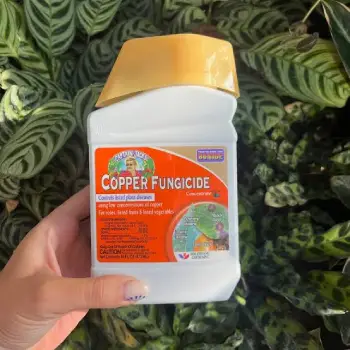
- Bonide Copper Fungicide vs. Garden-Use Copper Treatments
When I compare Bonide with other copper-based garden treatments, I focus less on the brand name and more on the active ingredient, formulation, application instructions, and plants covered by the label.
Two products can both be described as copper fungicides while still having meaningful differences in concentration, formulation, and recommended use.
For me, the better fit depends on what I’m treating and how convenient the application is.
- Bonide Copper Fungicide vs. Liquid Copper Products
Liquid copper products can be convenient because they may require less preparation before spraying. Bonide’s specific formulation can offer its own handling and application advantages depending on the product version.
When choosing between them, I pay attention to how easily the product mixes, how well it covers foliage, and whether the label fits the plants in my garden.
I wouldn’t choose purely based on the word “copper.”
- Bonide Copper Fungicide vs. Organic-Style Disease Treatments
Some gardeners prefer treatments marketed around naturally derived ingredients. Copper itself can be used in certain organic gardening systems when the particular formulation and certification requirements allow it.
However, “natural” doesn’t automatically mean risk-free. I still treat copper carefully and follow application restrictions.
For me, effectiveness, plant safety, and correct use matter more than marketing language.
- Bonide Copper Fungicide vs. Neem Oil
Neem oil and copper fungicide serve different purposes, even though both can appear in garden disease-management routines.
Neem-based products are often used for certain insect and plant-health concerns, while copper fungicides are primarily associated with fungal and bacterial disease management.
If I’m dealing with an insect problem, I don’t automatically choose copper. If I’m dealing with a disease that copper can address, I don’t assume neem is the direct substitute.
Identifying the problem first makes the choice much easier.
Is Bonide Copper Fungicide Worth Using?
After considering the advantages and drawbacks, I see Bonide Copper Fungicide as a useful garden tool rather than a universal solution.
Its biggest value for me is preventive disease management. It can be especially helpful when I understand what disease I’m dealing with and apply the product at an appropriate time.
The product makes less sense when I don’t know what is causing my plant’s symptoms or when I expect one application to repair extensive damage.
I also wouldn’t ignore cultural practices. Healthy plants, adequate spacing, clean tools, appropriate watering, and good garden sanitation can make a major difference.
In other words, I get the most value when I use copper fungicide as part of a complete routine.
Frequently Asked Questions (FAQ)
Yes, it can help manage certain fungal and bacterial plant diseases when used correctly and according to the label.
Overuse or improper application can injure plants and contribute to copper buildup in soil.
Effectiveness depends on the disease, plant, formulation, timing, and correct application rather than brand name alone.
Neither is universally better. Neem and copper serve different purposes, so the right choice depends on the specific plant problem.
Wrapping Up
After using and evaluating copper-based garden treatments, I see Bonide Copper Fungicide as a practical option for gardeners who want help managing certain fungal and bacterial diseases.
I like its versatility and preventive role, but I also think careful application is essential.
If you understand the disease you’re treating and follow the label, I would consider buying Bonide Copper Fungicide as part of a broader plant-care routine.
For recurring garden disease problems, having a reliable copper treatment on hand can be worthwhile.
Recent Posts
I spent months comparing budget options against established names after my last set of tires wore out sooner than expected.My goal here is to share what I learned from putting Dextero and...
AquaTru Carafe Vs. Classic: Which Is Actually Fits Your Kitchen?
I decided to write this comparison after months of testing both the AquaTru Carafe and the Classic in my own kitchen. Tracking covered daily use.Taste stayed consistent. Refill frequency...