
I’ve spent weeks researching, reading owner stories, and comparing specs because my old fridge was dying and I wanted something reliable that wouldn’t drive me crazy with repairs or wasted food.
In this article, I share my real-user perspective on Bosch versus GE refrigerators. I’ll cover key features, pros and cons, differences, and practical advice so you can decide what fits your kitchen and lifestyle best.
Whether you prioritize quiet operation and food freshness or smart features and easy service, here’s what I’ve learned.
| Feature | Bosch | GE |
| Quiet Operation | Excellent, often the quietest | Good, but can be noisier |
| Food Freshness Tech | VitaFresh/FarmFresh, dual compressors in many models | TwinChill evaporators, adjustable drawers |
| Energy Efficiency | Strong ENERGY STAR models | Competitive, varies by model |
| Smart Features | Home Connect app | SmartHQ app, voice control options |
| Ice/Water Dispenser | Reliable internal options | External and internal, hands-free options |
| Reliability | Strong in temperature control | Good service network, mixed long-term reports |
| Price Range | Premium | Wide range, often more affordable |
| Best For | Quiet, fresh food focus | Tech-heavy, spacious family use |
Key Differences Between Bosch And GE Refrigerators
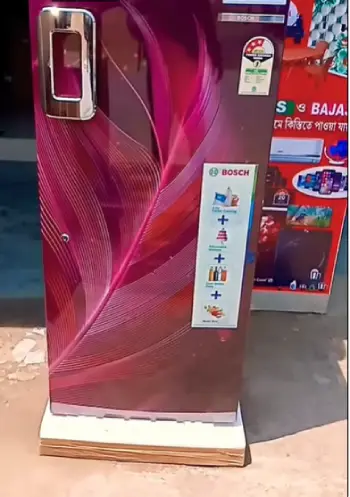
- Cooling Systems: Bosch often uses dual compressors and evaporators in higher-end models, keeping fridge and freezer separate for better humidity and temperature stability.
GE relies on TwinChill evaporators that perform well but sometimes show slight variations in real-world use.
- Noise Levels: Bosch stands out as noticeably quieter, which matters if your kitchen is open to living areas. Many GE owners note occasional compressor hum or fan noise.
- Design and Build: Bosch emphasizes sleek, fingerprint-resistant stainless and premium finishes with smooth-gliding drawers.
GE offers more style variety, including bold colors in some lines and flexible shelving like QuickSpace.
- Service and Parts: GE has a broader service network across the US, making repairs faster and cheaper in many areas.
Bosch parts can take longer but tend to have fewer issues early on.
- Capacity and Layout: Both offer French door and counter-depth options, but GE often provides slightly larger capacities in similar footprints, while Bosch focuses on organized, efficient interiors.
Key Features Of Bosch Refrigerators
I appreciate how Bosch designs around everyday life without overcomplicating things.
VitaFresh or FarmFresh System: Keeps produce fresh up to three times longer by balancing humidity and absorbing ethylene gas.
My produce actually lasts longer instead of wilting in a week.
- Dual Compressor Setup: Separate systems for fridge and freezer reduce odor transfer and maintain precise temps.
- UltraClarityPro Water Filter: Removes over 99.9% of sediments for great-tasting water and ice.
- Quiet Operation and LED Lighting: Runs so silently you forget it’s there, with bright, even lighting.
- Home Connect App: Lets you adjust temps or get alerts remotely.
- Anti-Fingerprint Stainless and Flexible Storage: Drawers glide smoothly, and options like FlexBar or chiller drawers adapt easily.
- ENERGY STAR Efficiency: Lower running costs over time.
These features make Bosch feel like a thoughtful premium appliance that works in the background.
Pros Of Bosch Refrigerators

- Superior quiet performance: Bosch refrigerators run noticeably quieter than most competitors, making them ideal for open-concept homes where noise can become annoying.
You can have conversations in the kitchen without hearing constant humming from the compressor or fans.
- Excellent food preservation: The VitaFresh system with precise humidity control keeps fruits, vegetables, and meats fresher for longer.
I noticed less food waste because items stayed crisp and flavorful instead of spoiling quickly in the crisper drawers.
- High-quality build and smooth operation: Drawers and shelves glide effortlessly, doors close gently, and the overall construction feels solid and premium.
This attention to detail gives confidence that the unit will hold up well over years of daily use.
- Strong energy efficiency: Many models earn top ENERGY STAR ratings, which translates to lower electricity bills.
Combined with consistent temperature control, they help maintain stable conditions without working overtime.
- Modern aesthetics and organization: Fingerprint-resistant finishes look clean longer, and flexible interior options let you customize storage for different family needs, from tall bottles to party trays.
Bosch shines when you value long-term food quality and a peaceful kitchen.
Cons Of Bosch Refrigerators
- Higher upfront cost: Bosch models typically come with a premium price tag compared to similarly sized GE options.
This can be a stretch if you are working within a tighter budget for appliances.
- Smaller service network: Finding authorized technicians can take more time in some regions, and parts may not be as readily available as with bigger mainstream brands.
You might need to plan ahead for any repairs.
- Occasional ice maker issues: While not frequent, some owners report needing maintenance on the ice maker after a couple of years.
It is manageable but something to watch if you rely heavily on ice production.
- Limited style and color options: The focus is on sleek, minimalist designs, so you have fewer bold or unique finish choices compared to brands that experiment more with aesthetics.
- Capacity constraints in some models: Certain counter-depth versions feel slightly less spacious than competitors, which could matter for large families who buy in bulk.
These drawbacks are not deal-breakers for everyone, but they matter if budget, quick local service, or maximum storage is your top priority.
Key Features Of GE Refrigerators
GE, especially the Profile line, packs in convenience and technology that feels futuristic.
- SmartHQ App and Connectivity: Monitor temps, get alerts, and control features from your phone; some integrate with voice assistants.
- TwinChill Evaporators: Separate cooling for fresh and frozen sections.
- Hands-Free Autofill and LED Light Walls: Dispensers fill containers automatically, and lighting makes everything easy to find.
- Flexible Shelving and Drawers: QuickSpace shelves drop down, and adjustable temp drawers handle everything from deli items to drinks.
- Spacious Designs: Often generous capacities with gallon door bins and wide interiors.
- Advanced Water Filtration: Clean ice and water with external or internal dispensers.
GE feels user-friendly for busy families who want tech that simplifies life.
Pros Of GE Refrigerators
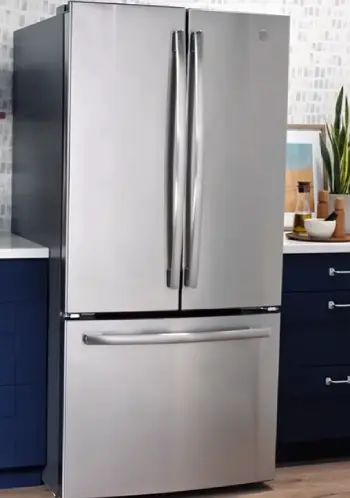
- Wide range of models and prices: GE offers options for almost every budget, from basic reliable units to loaded Profile series.
This flexibility makes it easier to find a fridge that matches both your needs and wallet.
- Excellent service and parts availability: With a large network of technicians across the country, repairs tend to happen faster and at reasonable costs.
This peace of mind is valuable when something eventually needs fixing.
- Innovative convenience features: Hands-free autofill dispensers, adjustable shelves that move on demand, and smart app integration save time during busy mornings or when entertaining guests.
- Good capacity and flexible storage: Larger interior spaces and clever door bins mean you can fit more groceries without rearranging constantly.
Families especially appreciate the room for everyday items.
- Strong smart home integration: Voice control and app monitoring let you check temperatures remotely or receive maintenance alerts, which feels helpful for modern households.
GE works great when you want options and convenience without hunting for specialized service.
Cons Of GE Refrigerators
- Noticeable noise levels: Some models produce more audible compressor or fan noise compared to Bosch, which can stand out in quiet homes or open floor plans.
- Common ice and water dispenser repairs: External dispensers and ice makers are convenient but often become the first components needing service after a few years of heavy use.
- Mixed long-term reliability: While many units perform well initially, some owners report electronic or temperature issues appearing after the warranty period, requiring more attention over time.
- Fingerprints and smudges: Certain stainless finishes show marks more easily, meaning you spend extra time wiping the surface to keep it looking clean.
- Temperature variations in some units: Real-world use sometimes shows slight inconsistencies between sections compared to dual-compressor systems, though most people find it acceptable.
These issues show up more in heavy-use households but are manageable with proper care.
My Real-User Experience Comparing Both
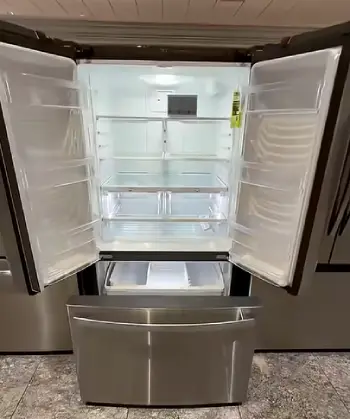
When I first started looking, I visited showrooms and talked to owners.
Bosch immediately impressed me with its silence—standing next to one felt like it was barely working, yet it kept temps rock steady.
GE models felt more feature-packed right away, with apps and dispensers that demo well.
In daily life, Bosch wins on food staying crisp longer in the crisper drawers. I hate throwing away spoiled greens, and the humidity control makes a noticeable difference.
GE’s flexible shelves and door-in-door access save time when grabbing snacks or drinks quickly.
Price-wise, a solid Bosch counter-depth can cost more initially, but potential energy savings and durability help balance it. GE often gives more capacity or smart bells and whistles for similar money.
Reliability is where opinions split. Bosch excels in temperature control and low compressor issues in data I’ve seen.
GE benefits from easier parts and service, which matters when something inevitably needs fixing after years of use.
Energy Efficiency And Running Costs
Both brands offer ENERGY STAR models, but Bosch’s efficient compressors and insulation often edge out in long-term savings.
Over 10 years, the difference in electricity bills can add up, especially with rising energy prices. GE keeps pace in newer Profile lines but varies more by specific model.
I recommend checking the yellow Energy Guide label for your exact unit.
Design And Kitchen Integration
Bosch delivers a clean, European-inspired look with counter-depth options that sit flush for a built-in feel.
GE provides more variety, including bolder finishes and larger side-by-side models that maximize space in bigger kitchens. If your kitchen is modern and minimalist, Bosch fits seamlessly.
For traditional or high-tech vibes, GE Profile often matches better.
Ice Makers And Water Dispensers
This is a frequent pain point for both. Bosch’s internal systems with QuickIce Pro produce ice faster in some tests and feel more reliable long-term.
GE offers convenient external dispensers and hands-free features that families love, but owners report more service calls for clogs or failures.
If you use a lot of ice, plan to maintain filters regularly regardless of brand.
Capacity And Family Suitability
For larger families, GE’s higher capacity models provide extra room without taking more floor space. Bosch optimizes storage smartly so you waste less space on inefficient layouts.
Both handle weekly grocery loads well, but think about your habits—do you need tall door bins for milk jugs or more drawer flexibility?
Longevity And Maintenance Tips
From what I’ve gathered, expect 10-15+ years with good care for either.
Keep coils clean, replace water filters on schedule, and avoid overloading. Bosch’s dual systems may reduce strain, while GE’s service ease helps when maintenance is needed. Neither is “set it and forget it” forever, but proactive care extends life significantly.
Which One Should You Choose?
If quiet performance, superior food preservation, and premium build matter most to you, I lean toward Bosch. It feels like an appliance that respects your space and keeps food at its best.
If you want smart tech, flexible features, broader service support, and potentially better value, GE (especially Profile) is a strong contender that grows with your needs.
I ultimately went with a Bosch for my situation because the silence and freshness tech aligned with my priorities, but I completely understand choosing GE if service access or specific smart features tip the scale.
Test both in person, measure your space, and consider your household’s habits.
Also Read: Comparison Of Bosch And Samsung Refrigerator
Frequently Asked Question (FAQ)
It depends on your needs. Bosch often edges out for quietness and food freshness, while GE excels in smart features, service network, and value.
Avoid brands with consistently high repair rates and poor parts availability based on recent data. Always check current reliability surveys for your preferred style.
Cooling issues from dirty coils or occasional ice maker glitches. Regular maintenance prevents most of them.
No single top brand fits everyone, but Bosch, LG, and GE Profile frequently rank high in tests for performance and owner satisfaction. Sub-Zero leads in ultra-premium built-ins.
Wrapping Up
I believe choosing between Bosch and GE comes down to matching the fridge to how you actually live.
Take time to list your must-haves—quiet, space, tech, or service—and you’ll land on the right one.
Both can serve you well for years when you pick thoughtfully.
Recent Posts
● Interactive 5-Zone Interior & Exterior Paint Blueprint Paint Coverage Calculator: Gallons, Primer, Square Footage & Cost Tap any architectural surface zone on the blueprint...
If you want smooth, shiny hair without spending a fortune on a premium styling tool, the Ella Bella hair dryer may be worth considering.In these Ella Bella hair dryer reviews, I’ll look...