
I have spent years helping homeowners sort through gutter options, and the box gutter versus K-style choice keeps coming up.
My goal here is simple: give you a clear, practical breakdown so you can decide which system fits your roof, climate, and budget without the usual sales fluff.
By the end you will know exactly how these two styles differ in performance, looks, cost, and upkeep.
| Feature | Box Gutter | K-Style Gutter |
| Shape | Rectangular / square | Flat back & bottom with decorative front resembling a “K” or crown molding |
| Typical Capacity | Very high, custom depths possible | High (5″ or 6″ common); more than half-round of same width |
| Primary Use | Commercial, large roofs, heavy rain | Residential homes of all sizes |
| Installation | More complex, often structural | Straightforward, mounts to fascia |
| Appearance | Clean, industrial, low-profile | Decorative, traditional or modern |
| Common Materials | Aluminum, steel, copper | Aluminum (most common), steel, vinyl, copper |
| Seamless Option | Less common, usually sectional | Widely available |
| Cleaning Difficulty | Higher (deeper profile) | Moderate (corners can trap debris) |
| Cost | Higher overall | More affordable for most homes |
| Popularity | Niche / commercial | Most popular residential style |
Understanding Box Gutters And K-Style Gutters From A Homeowner’s Viewpoint
When I first looked at replacing the gutters on my own house years ago, the options felt endless.
Two styles stood out because they handle water so differently: the box gutter and the K-style. Box gutters are the rectangular workhorses you often see on larger buildings or older homes with built-in systems.
K-style gutters, named for their profile that looks a bit like the letter K when viewed from the end, dominate residential streets across the country.
I approached both as a real user would—checking how they manage rain on a steep roof, how they look against different siding, and how much time I would spend cleaning them every fall.
The differences start with shape and capacity, then ripple into installation, maintenance, and long-term value.
Let’s break it down so you can see which one matches the way you live and the weather you face.
Key Differences Between Box Gutters And K-Style Gutters
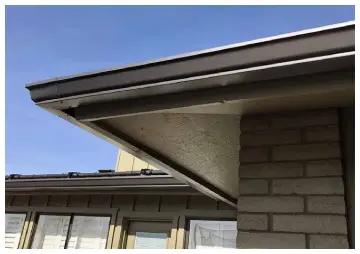
- Shape and profile: Box gutters form a simple rectangle. Water moves in a straight path.
K-style gutters have a flat back and a decorative front edge.
- Water-carrying capacity: Box systems can be made deeper and wider.
They handle big storms well. K-style still works for most homes but has limits on large roofs.
- Mounting and structural role: K-style hangs from the fascia with simple brackets. Box gutters often need stronger supports.
They can sit inside the roof edge.
- Visual impact: K-style adds a finished look to most houses. Box gutters stay low-profile.
They suit modern or industrial designs better.
- Availability and customization: K-style sections are easy to find.
Seamless runs can be made on site. Box gutters usually need custom work and longer wait times.
- Debris behavior and flow pattern: Box gutters have fewer tight corners. Leaves move more freely.
K-style angles can trap debris but stay rigid under weight.
- Typical project scale: Box gutters fit large or commercial roofs. K-style covers everyday homes of many sizes.
These differences matter most when your roof collects water from multiple planes or when your area sees sudden downpours.
I have watched K-style systems perform flawlessly on ordinary suburban homes while box gutters shine on structures where overflow is simply not an option.
Key Features Of Box Gutters
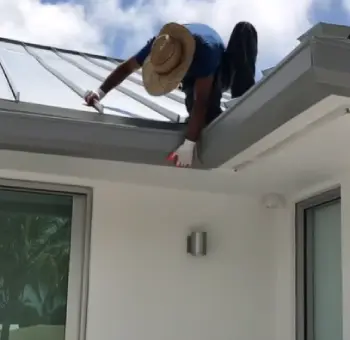
- Rectangular design for straight-line flow: Water travels with less turbulence.
Overflow risk drops at the corners during heavy rain.
- High custom capacity: Depth and width can be adjusted. The trough matches the exact roof size and local rainfall.
- Durable construction options: Heavier metals are common.
The system holds water and debris without quick sagging.
- Integration with roof structure: Many sit inside a built-up edge.
The exterior line stays clean and simple.
- Suitability for flat or low-slope roofs: The open top holds more volume.
Slow drainage is less of a problem.
- Robust outlet and downspout connections: Larger openings move water faster.
Multiple roof planes can feed one run safely.
- Strong support hardware: Heavy brackets or built-in framing keep the system level. Long-term shape holds better under load.
I once measured a commercial building that used oversized box gutters; the system swallowed a two-inch-per-hour rain event without a single spill.
That kind of performance comes from the simple geometry and the ability to size the trough exactly to the load.
Pros Of Box Gutters
- Exceptional water capacity: Extra depth moves large volumes. Water stays inside during intense storms.
- Long service life under heavy loads: Strong materials and supports handle debris. Sagging happens more slowly.
- Clean architectural lines on modern or commercial buildings: The rectangle blends into the edge. Designers often prefer the sharp look.
- Custom sizing for unique drainage needs: Profiles are not limited to fixed sizes. Exact matching is possible.
- Reduced overflow risk on complex roofs: Multiple valleys dump water fast. The system absorbs it more readily.
- Strong performance with built-in or parapet designs: Integration keeps the exterior neat. Capacity stays high on flat sections.
- Better for high-rainfall commercial sites: Large surface areas need volume. Box gutters meet that demand well.
I have recommended box gutters to clients with expansive flat roofs precisely because the capacity removes the anxiety that comes with every summer thunderstorm.
Cons Of Box Gutters
- Higher installation complexity and cost: Custom work and heavy supports raise the price. Labor time also increases.
- More difficult cleaning: The deeper trough traps leaves. Reaching the bottom takes more effort.
- Limited residential aesthetic appeal: The shape can look plain on traditional homes. Many prefer a decorative face.
- Fewer off-the-shelf options: Custom orders mean longer waits. Quick changes are harder.
- Greater weight when full: Water and debris stress the supports. Framing must be strong enough.
- Harder to match with common accessories: Guards and extensions often need special sizes. Extra planning is required.
- Less flexible for small projects: The system shines on big roofs. Smaller homes rarely need the extra capacity.
These drawbacks explain why most single-family homes skip box gutters unless the roof design or local rainfall demands the extra capacity.
Key Features Of K-Style Gutters
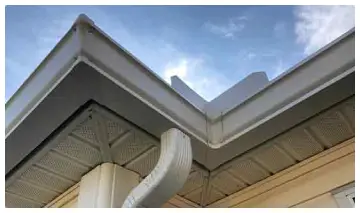
- Decorative front profile: The molded face looks like crown molding. It adds interest without extra cost.
- Flat back for easy fascia mounting: Hangers screw straight into the board. The job finishes faster and stays level.
- Strong resistance to bending: The angular shape fights dents. Ice and branches cause less damage over time.
- Wide material and color selection: Aluminum is light and rust-free. Copper and steel appear on higher-end jobs.
- Seamless fabrication on site: Continuous runs cut most joints. Leak points drop sharply.
- Compatible with common gutter guards: Most screens fit the standard opening. Protection can be added later with ease.
- Standard size options: Five-inch and six-inch profiles cover most homes. Choice depends on roof size and rainfall.
On my own house the seamless K-style runs still look sharp after more than a decade. The flat back stayed tight to the fascia even through freeze-thaw cycles, and the front profile continues to match the trim.
Pros Of K-Style Gutters
- Strong balance of capacity and cost: Five-inch or six-inch sizes move solid volumes. Prices stay reasonable for most homes.
- Attractive finished appearance: The front edge suits modern and classic styles. The look blends with the house.
- Straightforward installation: Flat-back mounting keeps labor low. Many jobs finish in one day.
- Seamless runs reduce leak points: Continuous lengths cut joints. Drips and stains become less common.
- Broad material and color choices: Matching trim is simple. Aluminum resists rust in damp areas.
- Easy upgrades with guards and extensions: Popular accessories fit right away. Later changes stay simple.
- Wide availability across regions: Most installers stock or form them on site. Lead times stay short.
I have watched neighbors install seamless K-style systems in a single day and still have money left for new downspouts. That combination of speed, looks, and performance is hard to beat on a typical house.
Cons Of K-Style Gutters
- Debris collection in the corners: Angles trap leaves and seeds. Cleaning becomes a regular task near trees.
- Potential for overflow on very large or steep roofs: Even six-inch profiles have limits. Extreme rain can still spill over.
- Visible front face: The decorative edge stands out. Hidden systems may look cleaner to some owners.
- Less ideal for some historic restorations: Older styles often need half-round shapes. The K profile does not always match.
- Occasional denting under heavy impact: Thin aluminum can mark from branches. Section replacement may follow.
- Standard sizes may need upsizing: High-rainfall homes sometimes outgrow five-inch runs. Extra downspouts help.
- Corners need extra attention during cleaning: Debris settles in the angles. A thorough rinse prevents buildup.
These limitations are manageable for most homeowners, especially when you add gutter guards or schedule seasonal cleanings.
How Installation And Maintenance Shape The Decision?
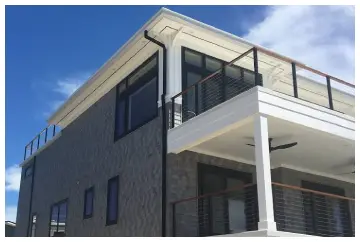
From a practical standpoint, installation time and future upkeep often tip the scale. K-style systems mount quickly because the flat back sits flush against the fascia.
A skilled crew can complete an average house in one day, especially when they form the gutters on site. Box gutters demand more planning.
Supports must be stronger, slopes calculated carefully, and outlets positioned to handle the larger volume. That extra work shows up in both the schedule and the invoice.
Maintenance follows a similar pattern. I clean my own K-style gutters twice a year—once in late spring and once after the leaves drop.
A small scoop and a garden hose clear most debris. Box gutters require longer reaches and sometimes ladders on both sides because the trough sits deeper.
If leaves pack into the bottom, water can sit for days, adding weight and inviting corrosion at the joints.
Climate plays a role too. In regions with frequent ice, the rigid K-style shape resists the expansion that can crack softer profiles.
In areas with torrential summer rains, the higher capacity of a properly sized box gutter can prevent the waterfalls that damage landscaping and foundations.
Material Choices And Longevity Considerations
Aluminum remains the everyday choice for both styles because it is light, resists rust, and accepts paint or baked-on finishes.
Steel appears more often on box gutters that need extra strength. Copper delivers decades of service and a distinctive patina, but the cost jumps sharply.
Vinyl shows up mainly on smaller K-style runs where budget rules and the climate stays mild.
Longevity depends less on the profile and more on proper slope, secure hangers, and regular cleaning.
I have seen twenty-year-old K-style aluminum gutters still performing well when the original installer maintained a consistent pitch toward the downspouts.
The same holds for box systems that receive occasional attention. Neglect either style and you invite standing water, corrosion, and eventual failure at the seams or outlets.
Matching The Gutter Style To Your Home And Climate
Walk around your property and note the roof size, pitch, and number of valleys.
A modest ranch with moderate rainfall almost always thrives with seamless 5-inch or 6-inch K-style gutters. A large contemporary house with flat sections or a commercial building that collects water from several thousand square feet will benefit from the volume a box gutter provides.
Look at the existing architecture as well. Traditional homes with detailed trim usually look better with the molded face of a K-style.
Modern or industrial designs can absorb the clean rectangle of a box gutter without visual conflict. Budget matters too. If you need to stretch dollars, K-style delivers reliable performance at a lower installed cost.
If overflow has already damaged your foundation or landscaping, the higher capacity of a box system can be the better long-term investment.
Also Read: Is TruDefinition Duration Shingles Worth It?
Frequently Asked Questions (FAQ)
They cost more to install, take longer to clean because of their depth, and can look industrial on traditional homes.
Corners collect leaves and debris more easily, and very large roofs can still overwhelm a standard 5-inch profile during extreme storms.
K-style gutters remain the most widely used choice for residential properties across the United States.
Yes for most homes; continuous runs cut the number of joints and reduce the chance of leaks over time.
Final Thoughts
After walking through the shapes, capacities, costs, and real-world performance of both systems, I keep returning to one practical question: what does your roof actually need?
For the majority of homeowners the answer is a well-installed seamless K-style gutter in the right size and material.
It balances water handling, appearance, and price better than almost any other option. When your structure demands maximum volume or a completely different architectural statement, a box gutter steps in and does the heavier job.
You now have the details to measure your own situation against these two styles. Check your roof area, local rainfall patterns, and the look you want, then choose the system that will keep water moving away from your foundation for decades.
The right gutters disappear into the background of daily life, doing their work quietly every time the sky opens up. That reliability is what I look for, and it is what you can expect once you match the profile to the job.
Recent Posts
I spent months comparing budget options against established names after my last set of tires wore out sooner than expected.My goal here is to share what I learned from putting Dextero and...
AquaTru Carafe Vs. Classic: Which Is Actually Fits Your Kitchen?
I decided to write this comparison after months of testing both the AquaTru Carafe and the Classic in my own kitchen. Tracking covered daily use.Taste stayed consistent. Refill frequency...