
I spent weeks testing and living with both Brio and Primo water dispensers in my home to settle which one actually fits daily life better.
My main goal here is to give you a clear side-by-side look at their real-world performance features strengths and drawbacks so you can pick the right one without second-guessing. Both brands aim to make clean temperature-controlled water easy.
They take different paths on design cleaning tech and everyday convenience. By the end you will know exactly which matches your kitchen habits and needs.
| Feature | Brio | Primo |
| Loading Style | Bottom-load (most popular models) | Bottom-load (core models) |
| Temperature Options | Hot Cold Room | Hot Cold (some room) |
| Self-Cleaning | UV or ozone on select models | Ozone self-sanitizing |
| Capacity | 3 or 5 gallon bottles | 3 or 5 gallon bottles |
| Child Safety Lock | Yes | Yes |
| Night Light | Yes on many | Yes |
| Energy Efficiency | Strong Energy Star ratings | Solid slightly less emphasized |
| Build Focus | Modern stainless look feature-rich | Reliable stainless/plastic mix straightforward |
| Typical Price Range | Mid-range often better value | Mid to higher especially with brand water ties |
| Empty Bottle Alert | Common | Common on newer units |
My Experience Setting Up Both Dispensers
When I first unboxed the Brio, the bottom-loading cabinet felt roomy enough for a standard 5-gallon jug.
Sliding the bottle in required almost no effort, and the probe connected without drama. The control panel sat at a comfortable height, and the three temperature buttons responded right away.
Within about an hour the cold water reached a crisp level and the hot side was ready for tea.
The Primo unit went together just as quickly. Its cabinet felt a touch tighter in depth, which helped it tuck into a narrower spot in my kitchen. The self-sanitizing cycle kicked on during the first night, and I noticed a faint clean scent that disappeared after the first few glasses. Both machines stayed relatively quiet once the initial cooling and heating settled.
Key Differences Between The Brio And Primo Water Dispenser
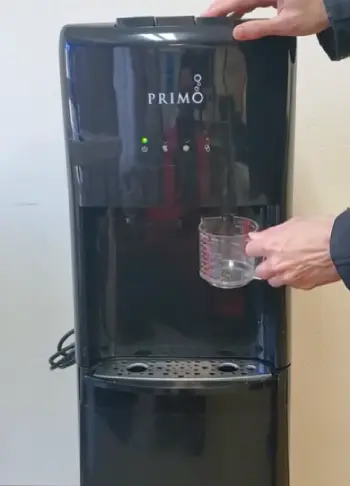
- Temperature versatility: Brio models frequently give three options. Hot serves tea or instant meals.
Cold works for drinking. Room temperature suits neutral preference. Primo usually sticks to hot and cold. This covers most needs.
It feels limiting for ambient water with kids or sensitive stomachs. The extra room-temp spout on Brio meant fewer trips to the fridge or faucet in my kitchen.
- Cleaning technology approach: Brio leans on UV light in several self-cleaning versions. This keeps internal parts freer of buildup.
Primo favors an ozone cycle. It runs automatically to sanitize. Both reduce manual scrubbing. UV felt quieter.
It left less temporary aftertaste in my tests. Ozone on Primo delivered a noticeable clean. It needed a short wait before the water tasted normal again.
- Design and footprint priorities: Brio often presents a sleeker modern profile. Clear LED indicators appear.
A polished stainless finish blends into updated kitchens. Primo feels solid and practical. It is sometimes a bit more compact in depth.
This helped in tighter spaces. I moved both around my counter and floor area. Primo edged out slightly for sliding into narrower spots.
- Ecosystem and ongoing costs: Primo connects more tightly to its own bottled water network. Refill stations and delivery options simplify supply.
Brio works with standard 3- or 5-gallon bottles from almost any source. This gives freer choice.
Over months Brio kept my bottle costs more flexible. Primo’s branded path felt convenient.
- Noise and daily operation feel: Both run reasonably quiet during cooling cycles.
Primo’s compressor struck me as a touch softer in open living spaces. Brio’s pump during dispensing stayed smooth.
Its empty-bottle light gave clearer advance warning. Small differences add up. The unit sits near a dining table or home office.
Key Features Of Brio Water Dispensers
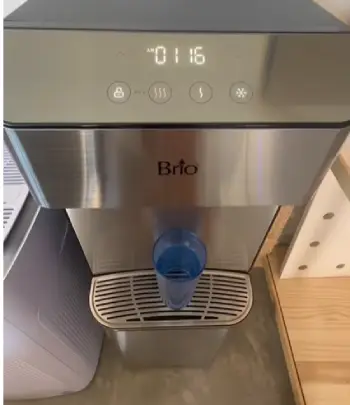
- Bottom-loading cabinet that hides the bottle: You slide a 3- or 5-gallon jug in at floor level. This replaces lifting it overhead.
The change cut my back strain. Spill risk dropped dramatically. The cabinet door closes cleanly. It keeps the look tidy.
- Triple temperature dispensing: Hot reaches near-boiling levels. It proves useful for coffee or soup.
Cold drops low enough for refreshing drinks. Room temperature fills the gap.
Controls are push-button or touch. Clear indicators show when each is ready.
- Self-cleaning options on higher models: UV or ozone cycles run on a schedule. A switch activates them. I activated it monthly.
Fewer off tastes appeared. Less need for deep internal cleans showed compared with basic coolers I owned before.
- Child safety lock and night light: The hot button requires a deliberate two-step press. An LED night light softens nighttime use.
It avoids flooding the room. Both features proved useful. Mixed ages and late-night water runs existed in the household.
Empty bottle alert and removable drip tray: A light or indicator warns. The bottle runs dry soon.
The drip tray slides out. Quick rinsing keeps the base area neat. These everyday touches reduce small frustrations. Cheaper units create them.
Pros Of Brio Water Dispensers
- Greater temperature flexibility for varied household needs: Room temperature is available. No waiting or mixing is required. Daily routines became smoother. Kids guests and cooking all benefited. The third option needed no extra steps.
- Strong energy-efficiency focus: Many units carry solid Energy Star credentials. Modest power use showed over months. Unused heating or cooling functions switched off independently on certain models.
- Modern aesthetics and user alerts: The stainless finish looks intentional. Clear LED displays appear. Empty-bottle warnings and ready lights reduce guesswork. Interruptions to my day dropped.
- Competitive mid-range pricing with solid feature sets: Three temperatures appear. Bottom loading is included. Cleaning tech arrives. Premium territory is avoided. Value felt high. The box contents matched the cost.
- Flexible bottle sourcing: No pressure exists to stay inside one brand’s supply chain. Local stores bulk buys or different filtered sources all worked fine. Long-term costs stayed more predictable for me.
Cons Of Brio Water Dispensers
- Occasional reports of unit-to-unit variability: Some independent checks and user notes mention mixed reliability. Control-panel quirks appear on certain older or specific models. My own units performed fine. The feedback is worth weighing. Absolute consistency is a priority for some.
- Self-cleaning models can add cost and occasional taste notes: UV versions raise the price. Any cleaning cycle may leave a brief odd taste. It flushes away. Regular maintenance still matters. The feature does not eliminate all upkeep.
- Slightly larger footprint on popular floor models: Depth and width can claim more space. The slimmest competitors use less. Measure your area carefully. The kitchen layout is tight.
- Hot-water capacity may feel limited during heavy simultaneous use: It reheats reasonably fast. Large gatherings or back-to-back hot drinks can empty the tank. A short wait is required.
Key Features Of Primo Water Dispensers
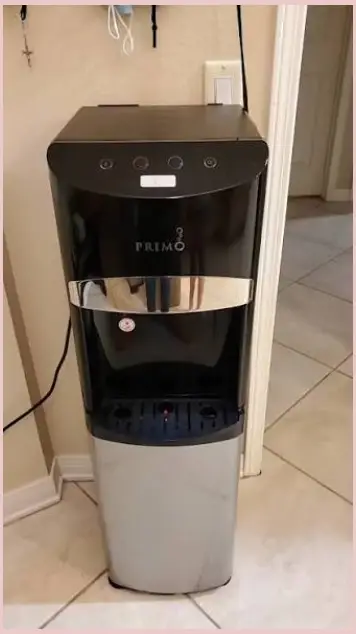
- Reliable bottom-loading design: The bottle tucks inside the base. The probe reaches well into the jug.
Less water gets left behind. Setup needs no tools. No plumbing is required. Just plug in. Load the bottle.
- Precise hot and cold performance: Cold water consistently hits a crisp temperature. It stays satisfying on warm days.
Hot climbs high enough for most beverage needs. Some models add a room option. The core lineup prioritizes the two main ones.
- Built-in self-sanitizing cycle: Ozone technology activates. Reservoirs and lines stay fresher. I appreciated the automatic nature.
It ran without constant reminders. Taste maintained over weeks of steady use.
- Night light safety lock and fast flow: An LED light aids low-light dispensing. The child lock works with a simple press sequence.
Flow rates fill glasses and bottles quickly. Multiple people needed water at once. This mattered.
- Compatibility with standard bottles and brand network: It accepts common 3- and 5-gallon jugs.
It pairs smoothly with Primo’s refill and delivery services. Indicators for empty bottles appear on many units. The drip tray cleans easily.
Pros Of Primo Water Dispensers
- Consistent cold-water performance and quiet operation: The chilling stayed reliable. Compressor noise stayed low. Conversation or work nearby remained undisturbed. Cold water tasted crisp. The first pour delivered it.
- Straightforward self-sanitizing that requires little thought: The ozone cycle handled much of the hygiene load. Less time went to worrying about internal buildup. More time went to just using the water.
- Solid build reputation in user feedback and practical design: Many long-term owners report dependable service. Dimensions often fit tighter floor plans. Overall construction felt sturdy. Daily bottle changes confirmed it.
- Easy integration if you already use or prefer their water network: Refill stations and delivery options simplify supply. Higher-volume homes benefit. The dispenser itself works with standard bottles. The path stays open.
Clear safety and convenience details: Child lock night light and quick flow rates cover the basics well. Dispensing felt intuitive. The first day of use established it.
Cons Of Primo Water Dispensers
- Fewer temperature options on core models: A dedicated room-temperature spout is missing. Extra steps appear if that is your preferred daily drink. Hot and cold cover a lot. Everything is not covered.
- Potential for higher ongoing costs inside the brand ecosystem: Delivery or exchange pricing can add up. Free-choice bottle sources cost less. The dispenser itself is flexible. The full system can feel less open.
- Self-sanitizing cycles introduce brief downtime or mild temporary tastes: Dispensing is not always possible during the cycle. A short flush period may follow. It is effective. It is not completely invisible in the routine.
- Some users note less emphasis on advanced energy features: Efficiency is respectable. Brio models more often highlight standout certifications. Switchable modes can shave a bit more off the power bill.
Performance In Everyday Use
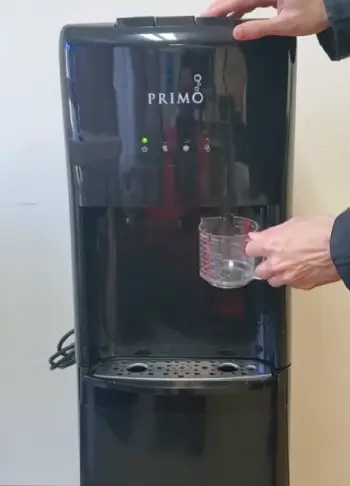
I tracked water temperature consistency over several weeks.
Brio’s cold side held steady around the mid-40s Fahrenheit with only minor drift after heavy afternoon use.
Hot water recovered quickly after drawing a full mug.
The room-temperature option never disappointed for plain drinking water.
Primo delivered colder water on average, often dipping closer to 39–42 degrees.
That intensity felt refreshing on hot days but required a short wait if I wanted something milder.
Hot water performed reliably for tea and instant meals.
Flow rates on both machines filled a standard glass in a few seconds without sputtering once the tanks had primed.
Noise levels stayed comparable.
Both compressors produced a low hum during cooling cycles that faded into background kitchen sounds.
The pumps activated briefly when drawing water and remained unobtrusive.
Maintenance Reality Check
Neither dispenser is completely hands-off. I emptied the drip trays weekly and wiped the exterior and spout area with a mild cleaner.
For Brio models with UV, I activated the cleaning cycle according to the manual and noticed less residue inside the cabinet. Primo’s ozone function ran on its own schedule and kept the internal lines clearer than I expected from previous non-self-cleaning units.
Bottle changes remained the biggest recurring task. Bottom-loading made the process far easier than older top-load coolers I remember. Both brands accepted standard 3- and 5-gallon jugs without adapters.
Who Should Choose Brio?
If your household values temperature variety and a polished appearance, Brio stands out.
Families with mixed preferences—kids who want mild water, adults who like ice-cold glasses, and anyone who makes frequent hot drinks—benefit from the tri-temp setup.
The UV option appeals to anyone who prefers proactive cleanliness without constant manual intervention.
Who Should Choose Primo?
Primo suits people who want reliable hot and cold water with minimal fuss and a cleaner self-sanitizing approach.
Its compact options work well in apartments or small offices. If you already rely on Primo’s water exchange or delivery service, pairing the dispenser with that network creates a seamless routine.
Long-Term Ownership Considerations
Warranty coverage on both brands typically starts at one year, with optional extensions available.
Energy Star ratings on many models keep electricity use reasonable. Over time the biggest variable becomes how carefully you maintain the unit and the quality of the bottled water you feed it.
Clean bottles and timely filter or cleaning cycles extend the life of either machine.
I also paid attention to residual tastes. Both brands produced clean water when I used fresh, high-quality jugs.
Occasional plastic notes appeared only when I delayed a bottle change too long or skipped a cleaning cycle.
Also Read: Comparison Of Avalon And Primo Water Dispenser
Frequently Asked Questions (FAQ)
It depends on your priorities. Brio often wins for temperature variety and modern features, while Primo excels in straightforward reliability and self-sanitizing convenience.
Yes. Many models deliver solid performance, three temperatures, and useful extras like UV cleaning and empty-bottle alerts that make daily use easier.
Build quality is comparable between solid models from both brands. Stainless steel reservoirs and consistent temperature control matter more than the logo on the front.
For most homes the best choice is the one that matches your space, preferred temperatures, and willingness to handle bottle changes. Bottom-loading models from either brand remove the heaviest physical chore.
Final Thoughts
After living with both dispensers, I can say neither is a universal winner. I leaned toward the Brio on days when I wanted room-temperature water without waiting and appreciated the UV cycle.
On other days the Primo’s compact size and automatic sanitizing felt simpler and just as satisfying. You know your kitchen layout, your family’s drinking habits, and how much effort you want to put into maintenance.
Match those realities to the strengths listed above and you will end up with a dispenser that actually improves your daily routine rather than adding another appliance to manage.
Whichever you choose, start with a clean bottle and follow the first-use sanitizing steps—your future self will thank you every time you pour a glass.
Recent Posts
I tried Meltoway Hair Dissolving Cream because I wanted a quick way to deal with unwanted body hair without reaching for a razor every few days. If you are looking for a convenient at-home...
If you’re considering a saffron-based supplement to support mood, appetite control, and everyday wellness, Happy Saffron Plus is worth considering.I like that it takes a familiar botanical...