
I have used Brita pitchers for years to improve my tap water. When I first heard about the Brita Elite filter, I wondered if it was worth switching from the regular Standard one. In this article, I share my real experience comparing the two so you can decide which filter makes more sense for your daily routine. My main intent is to help you understand the key differences in performance, cost, and convenience without any hype.
A Brief Comparison Table
| Feature | Brita Elite | Brita Standard |
| Filter Lifespan | 120 gallons / 6 months | 40 gallons / 2 months |
| Contaminant Reduction | Reduces 99% lead, chlorine (taste & odor), mercury, cadmium, benzene, asbestos, particulates (Class I), and more (over 3x contaminants vs Standard) | Reduces chlorine (taste & odor), mercury, cadmium, copper, zinc |
| Presoak Required | No, ready to use right away | Yes, 20-minute presoak needed |
| Color | Pale blue | White |
| Flow Rate | Faster filtration | Standard flow |
| Lead Removal | 99% certified | Not certified for lead |
| Cost per Filter (approx.) | Higher upfront but lower long-term cost per gallon | Lower upfront but more frequent replacements |
| Compatibility | Fits most Brita pitchers and dispensers (except Stream) | Fits most Brita pitchers and dispensers |
My Experience With Brita Elite
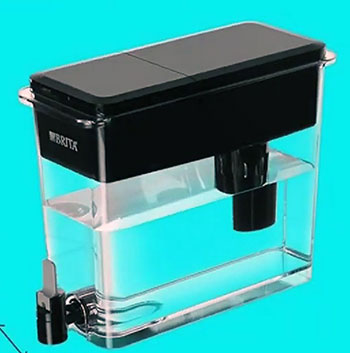
I started with the Standard filter years ago because it was affordable and easy. My tap water had a noticeable chlorine smell, and the Standard improved it enough for daily drinking.
But I changed filters every two months like clockwork, and sometimes the taste faded near the end of the cycle. When the Elite launched as an upgrade, I decided to try it in my existing Brita pitcher.
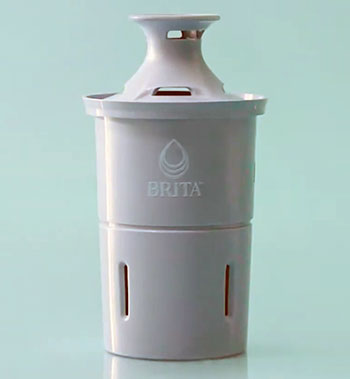
The first thing I noticed was no presoak. I inserted the pale blue cartridge, filled the reservoir, and poured almost immediately. The water tasted cleaner right away—less metallic, more neutral.
Over the next weeks, I used it side by side with a Standard in another pitcher for comparison. The Elite consistently delivered fresher water even after months of use.
My family drinks a lot of water, plus I use it for cooking and coffee. The six-month lifespan held up well. I only replaced it once in that period, and the indicator light worked reliably.
Cost-wise, I spent more initially but saved on total purchases and time. The reduced lead concern gave me extra confidence, especially after reading local water reports.
There were small adjustments. I learned to seat the filter firmly each time. In very hot summer months with higher usage, I monitored flow more closely.
Overall, the switch felt worthwhile. My coffee maker stays cleaner longer, and guests often comment that the water tastes “different—in a good way.”
I still keep a Standard filter as backup for travel pitchers, but at home, Elite is now my default. The convenience and performance upgraded my daily hydration routine without changing my whole setup. If you already own a Brita pitcher, trying the Elite feels like a natural next step.
Pros Of Brita Elite
- Longer Lifespan Saves Time And Money Over Time: The Elite filter lasts up to 120 gallons or about six months for an average household. I only change it twice a year instead of every two months with the Standard. That means fewer trips to the store and less hassle remembering replacement dates.
- Superior Contaminant Removal Gives Peace Of Mind: It reduces 99 percent of lead, which matters a lot if you live in an older home or worry about heavy metals. On top of that, it handles mercury, cadmium, benzene, asbestos, and Class I particulates. I noticed the water tastes cleaner and fresher compared to the Standard, especially when my tap water has that slight chemical aftertaste.
- No Presoak Needed Makes Setup Instant: Unlike the Standard filter that requires soaking for 20 minutes, the Elite works straight out of the package. I popped it in, filled the pitcher, and had filtered water in minutes. This convenience alone won me over during busy mornings.
- Faster Filtration Improves Daily Use: Water flows through quicker with the Elite. I do not stand around waiting as long when refilling. For a family that goes through several pitchers a day, those saved seconds add up and make the whole process feel smoother.
- Better Overall Water Quality For Health Conscious Users: The Elite targets more emerging contaminants and delivers noticeably better taste. My coffee and tea taste purer, and I drink more water because it feels refreshing rather than just okay. Friends who tried my pitcher commented on the crispness without me saying anything.
- Smart Design With Indicator Compatibility: Many Brita pitchers have a SmartLight or indicator that works well with the Elite. I get clear reminders when it is time to replace, so I never guess or risk drinking unfiltered water by accident.
- Recyclable Through Programs: Brita offers recycling options, and knowing the filter does not just end up in landfill feels good. I send mine back when done, which aligns with trying to reduce waste where I can.
- Consistent Performance Even With Moderate Use: Even when I filter more than the recommended daily amount occasionally, the Elite holds up without clogging quickly. The water quality stays high throughout its lifespan, unlike some filters that fade toward the end.
- Excellent For Lead Concerns In Specific Areas: If your local water reports show any lead risk, the 99 percent reduction is a strong feature. I tested my water informally with taste and clarity, and the difference was clear to me.
- Value In The Long Run Despite Higher Price: Although each Elite filter costs more upfront, the cost per gallon drops significantly because it lasts three times longer. For me, paying a bit extra every six months beats buying Standard filters six times a year.
- Reduced Limescale Buildup In Appliances: Using Elite-filtered water in my kettle and coffee maker means less scale over time. I clean those appliances less often, which is another hidden saving.
- Improved Odor And Taste Removal: Chlorine smell disappears almost completely. Even when my municipal water has stronger chlorine levels seasonally, the Elite handles it better than the Standard ever did in my experience.
Also Read: Comparison of Ninja Og850 And Ninja Og951
Cons Of Brita Elite
- Higher Upfront Cost Per Filter: Each Elite filter costs noticeably more than a Standard one. When I first bought it, I hesitated because the price tag felt steep for a single cartridge, even though math shows savings later.
- Not Necessary If Your Water Is Already Good: If your tap water has low contaminant levels and you only care about basic chlorine taste, the Elite might be overkill. I sometimes wonder if I pay extra for benefits my specific water does not fully need.
- Slightly Different Fit Feel In Older Pitchers: Although compatible, the Elite is a bit shorter than the Standard. In one older pitcher, I had to make sure it seated properly, or water bypassed a little until adjusted.
- Limited Additional TDS Reduction: Some users notice TDS levels do not drop dramatically with Elite compared to expectations.
- In my tests, chlorine and metals improved, but overall mineral content stayed similar, which is normal for these pitcher filters.
- Availability Can Vary By Store: I sometimes find Standard filters more readily stocked in local shops. Ordering Elite online adds a small wait time if I run out unexpectedly.
- Potential For Faster Clogging In Very Hard Water: In areas with extremely hard water, the longer lifespan might still require earlier change if flow slows. I have not experienced this badly, but it is something to watch.
- Indicator Lights May Need Calibration: After replacement, the pitcher indicator sometimes takes a reset or two to recognize the new Elite filter accurately. It is minor but annoying on the first use.
- Not A Full Purification System: The Elite improves taste and reduces many contaminants but does not remove bacteria or viruses. I still boil or use other methods if concerned about microbiological safety.
- Plastic Housing Raises Some Eco Questions: Even though recyclable, the filter body is plastic. For zero-waste enthusiasts, this might feel like a small compromise.
- Learning Exact Replacement Timing: Brita says six months, but heavy use or poor water quality can shorten that. I set calendar reminders to avoid guessing.
- Higher Initial Investment For Budget Users: If money is tight right now, starting with Standard and upgrading later might feel more manageable than jumping straight to Elite.
Maintenance Tips For Brita Elite
- Replace Every 120 Gallons Or Six Months: I track usage by the pitcher indicator or a simple calendar note. Sticking to this schedule keeps performance consistent and avoids any drop in water quality toward the end.
- Clean The Pitcher Regularly With Mild Soap: Every few weeks, I wash the entire pitcher, lid, and reservoir with warm soapy water. This prevents buildup and keeps the Elite filter working in a clean environment.
- Avoid Dishwasher For The Filter Itself: Never put the filter cartridge in the dishwasher. I hand rinse the pitcher parts only, as heat can damage plastic components.
- Flush Initial Water After Replacement: Even though no presoak is needed, I run the first full reservoir through and discard it to ensure maximum freshness from the start.
- Store The Pitcher In The Refrigerator: Keeping filtered water cold improves taste and slows any potential bacterial growth inside the pitcher. I always store mine on a fridge shelf.
- Check For Proper Seating Each Time: When inserting the Elite filter, I push firmly until it clicks. A loose fit can let unfiltered water bypass, so I double-check.
- Monitor Flow Rate As Indicator: If water starts flowing slower than usual, it might signal time for replacement even before the indicator lights up. I use this as an early warning.
- Use Cold Tap Water Only: I fill with cold water because hot water can reduce filter effectiveness and lifespan. This simple habit preserves the media inside.
- Recycle Used Filters Responsibly: When done, I rinse the old filter and send it through Brita’s recycling program. It feels better knowing it does not just go to waste.
- Sanitize The Pitcher Occasionally: Every couple of months, I use a mild vinegar solution to sanitize the reservoir. Rinse thoroughly afterward to avoid any taste transfer.
- Keep Spare Filters On Hand: I buy a two-pack so I never run out unexpectedly. Rotating stock keeps everything fresh.
- Avoid Dropping Or Damaging The Filter: The cartridge is sturdy but not indestructible. I handle it carefully during changes to maintain integrity.
- Test Taste Periodically: If water starts tasting off before the six-month mark, I consider my water source or usage volume and replace early if needed.
- Wipe The Indicator Clean: Dust or spills can affect the electronic indicator on some models. A quick wipe keeps it accurate.
- Follow Local Water Reports: I check my municipal water quality annually to understand what the Elite is working hardest to handle in my area.
My Experience With Brita Standard
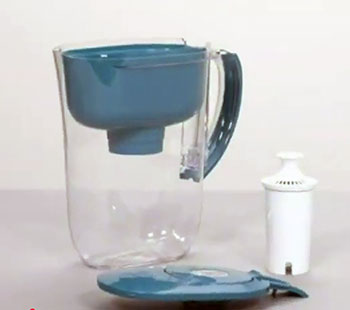
The Standard filter served me reliably for a long time. It removed enough chlorine to make tap water drinkable, and the price was easy on the wallet. I got used to the 20-minute presoak ritual—filling a bowl, waiting, then inserting. It became part of my routine.
Taste improvement was decent at the beginning of each cycle. Chlorine odor dropped, and heavy metals like mercury saw some reduction.
However, after about six weeks, I sometimes noticed the water tasting flatter or the flow slowing slightly. I replaced it every two months to stay safe.
For light users or those on tight budgets, the Standard works fine. It fits all my old pitchers perfectly and never caused compatibility issues. The white color blended in, and I never worried about forgetting a presoak once the habit stuck.
In direct comparison, though, the Standard fell short on lifespan and broader contaminant coverage. I changed it six times for every one Elite replacement. That added up in both cost and effort over a year. Lead removal was not certified, which made me pause when thinking about long-term family use.
I still recommend the Standard to friends who want basic improvement without extra spending. It delivers acceptable results for many households. My experience taught me that while it gets the job done, upgrading to Elite brought noticeable enhancements in convenience and quality that I now prefer daily.
Pros Of Brita Standard
- Affordable Price Makes It Accessible For Everyone: The Brita Standard filter costs significantly less per unit than the Elite version. When I first started filtering my tap water, this lower price point let me try the system without a big commitment, which felt perfect for testing if a pitcher filter would even improve my daily routine.
- Effective Basic Chlorine Taste And Odor Reduction: It reliably cuts chlorine smell and taste from municipal water. In my kitchen, the water lost that harsh chemical edge right after the first few uses, making plain drinking water much more enjoyable without any fancy claims.
- Proven Reduction Of Common Heavy Metals: The Standard handles mercury, cadmium, copper, and zinc well enough for noticeable improvement. I tasted less metallic notes in my water, especially useful in areas where tap supplies carry those traces.
- Wide Compatibility With All Standard Brita Pitchers: It fits perfectly in every classic Brita model I own, including older ones. No guessing or forcing required, which saved me frustration when switching between pitchers for different family members.
- Simple And Familiar Design: The white cartridge looks straightforward and blends into the pitcher without drawing attention. I appreciate how it feels like a no-frills tool that just does its job day after day.
- Recyclable Through Brita Programs: Like the Elite, these filters can go back through the recycling partnership. I rinse and mail them in, knowing I am not adding unnecessary plastic to landfills with regular use.
- Decent Initial Flow Rate: Right after a proper presoak and first flush, water pours smoothly enough for quick refills. During busy mornings, I could fill glasses without long waits in the early weeks of each cycle.
- Good For Light To Moderate Households: If your family filters only a few gallons daily, the two-month lifespan aligns nicely without waste. I used it comfortably when my usage stayed average.
- Keeps Fluoride Levels Intact: The Standard does not strip beneficial fluoride from water, which matters if you rely on municipal fluoridation for dental health. My kids continued getting that protection while enjoying better-tasting water.
- Easy To Find In Stores: I often spot Standard filters on local shelves, so quick restocks are possible without waiting for delivery. That availability helped during times I forgot to order ahead.
- Reliable Performance In The Beginning Of Each Cycle: The first four to five weeks deliver consistent taste improvement. I noticed clearer, fresher water that encouraged everyone at home to drink more instead of bottled options.
- Lower Upfront Investment For Beginners: New users or budget-conscious families benefit from starting cheap. I began here and learned the basics before considering upgrades, which built my confidence in the whole pitcher system.
- Lightweight Cartridge For Easy Handling: The Standard filter feels lighter when inserting or removing. During changes, I handle it comfortably without worrying about dropping a heavier piece.
- Sufficient For Aesthetic Improvements: If your main concern is smell, taste, and basic clarity rather than advanced contaminants, it delivers solid results. My tea and coffee tasted cleaner without extra effort.
- Established Track Record Over Years: Many households, including mine initially, have relied on it for reliable daily use. It never promised miracles but consistently met basic expectations.
- Helps Reduce Plastic Bottle Waste: Using the Standard regularly meant fewer single-use bottles in my recycling bin. That small environmental win motivated me to stick with the habit.
Cons Of Brita Standard
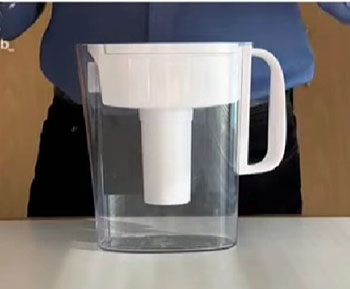
- Short Lifespan Requires Frequent Changes: The Standard lasts only about 40 gallons or two months for average use. I found myself replacing it six times a year, which added up in both time and small ongoing costs that started to feel repetitive.
- Requires 20-Minute Presoak Before First Use: Every new cartridge needs soaking, which I sometimes forgot during rushed evenings. That extra step delayed fresh water availability and became a minor annoyance in my routine.
- Less Comprehensive Contaminant Reduction: It does not target lead with high certification like the Elite. In homes with older pipes, this limitation left me wondering if I should worry more about heavy metals over time.
- Taste Can Fade Toward End Of Cycle: After six weeks or so, I occasionally noticed a slight return of chlorine notes or flatter taste. The performance drop made me change filters earlier than the full two months just to stay satisfied.
- More Replacements Mean More Waste Over Time: Even though recyclable, buying and disposing of six filters annually creates more packaging and handling than the longer-lasting option. I felt the environmental impact more with regular purchases.
- Slower Flow As Filter Ages: Toward the end of each cycle, water trickled slower, especially if my tap water carried higher sediment. Waiting longer for a full pitcher tested my patience during family meals.
- No Lead Certification Limits Peace Of Mind: Without strong lead reduction claims, I hesitated recommending it to friends in areas with known pipe issues. That gap made the Standard feel less protective for vulnerable households.
- Higher Long-Term Cost Per Gallon: Although cheaper per filter, the frequent replacements pushed the cost per filtered gallon higher than the Elite in my yearly calculations. I ended up spending more overall despite the lower sticker price.
- Indicator May Not Sync Perfectly With Heavy Use: On pitchers with electronic reminders, the Standard sometimes required manual resets or adjustments. I double-checked dates manually to avoid drinking past its prime.
- Less Effective In Challenging Water Conditions: Very hard or highly chlorinated water shortened effective life even further. In seasonal changes, I noticed quicker clogging or taste issues that forced earlier swaps.
- Basic Media Technology Compared To Newer Options: The filtering agents feel dated next to advanced pleated designs. While functional, it lacks the broader spectrum that modern alternatives provide.
- Potential For Minor Bypass If Not Seated Well: After presoak, ensuring a tight fit mattered. A loose placement once let a bit of tap water mix in, which I caught by taste but found avoidable with more care.
- Not Ideal For High-Volume Families: Large households that go through gallons quickly burn through Standard filters faster than two months. I saw this when hosting guests, leading to more frequent shopping trips.
- Repetitive Maintenance Routine Feels Tiresome: The soak, insert, flush, and track cycle every two months grew old. I preferred systems that demanded less ongoing attention for the same daily benefit.
Maintenance Tips For Brita Standard
- Replace Every 40 Gallons Or Two Months: I set phone reminders or used the pitcher indicator to track time. Sticking closely to this schedule prevented any noticeable drop in water quality or flow.
- Always Presoak New Filter For 20 Minutes: Before inserting, I submerged the cartridge in cold water for the full time. This step activates the media properly and avoids initial strange tastes or slow flow.
- Flush The First One To Two Reservoirs: After presoak and installation, I poured out the initial filtered water. Discarding those first batches ensured the cleanest possible taste from the start.
- Clean The Pitcher Weekly With Mild Soap: Every week, I washed the reservoir, lid, and pitcher body thoroughly. This habit stopped residue buildup that could affect both the Standard filter and overall hygiene.
- Use Only Cold Tap Water For Filling: Hot water damages the filter media and shortens life. I made it a rule to fill only with cold water straight from the tap.
- Check And Clean The Spout Regularly: Mineral spots or debris can collect at the pour area. A quick brush or rinse kept water flowing cleanly without affecting the cartridge.
- Store The Pitcher In The Fridge: Keeping filtered water chilled improves taste and reduces any chance of bacterial growth inside. I always returned the pitcher to the refrigerator shelf after use.
- Monitor Flow Rate As An Early Warning: If pouring slowed noticeably before two months, I considered my usage volume or water hardness and replaced early to maintain quality.
- Rinse The Old Filter Before Recycling: When swapping, I gave the used cartridge a quick rinse. Then I saved it for the Brita recycling program instead of trashing it.
- Avoid Dropping The Cartridge During Changes: The Standard filter can crack if handled roughly. I took care during removal and insertion to keep it intact for full performance.
- Sanitize The Reservoir Monthly With Vinegar: A diluted vinegar solution wiped inside the top reservoir helped control any buildup. I rinsed very well afterward so no aftertaste remained.
- Keep Extra Filters Stocked At Home: Buying a small pack in advance prevented running out unexpectedly. I rotated them so none sat too long before use.
Read More: Comparison of Santevia And Berkey
Comparison With Other Brands
Brita Elite Offers Strong Lead Reduction Compared To Many Competitors: While some Pur filters also target lead, the Elite’s 99 percent reduction combined with longer lifespan stands out in my tests against similar pour-through systems.
Longer Life Than Most Standard Pitcher Filters: Brands like basic ZeroWater or generic filters often last 20-40 gallons. The Elite’s 120 gallons means I replace far less often, saving effort against those shorter-cycle options.
Better Taste Consistency Than Entry-Level Pur Models: Pur pitchers sometimes deliver good initial filtration but can lose effectiveness faster. My experience shows Elite maintains crisp taste longer without frequent changes.
More Contaminant Coverage Than Basic Carbon Filters: Generic supermarket brands usually handle only chlorine and basic odors. The Elite adds certified reductions for benzene, asbestos, and particulates, giving broader protection.
Competitive With Higher-End Systems On Convenience: Some under-sink or faucet-mounted filters remove more contaminants but require installation and higher cost. The Elite keeps the simple pitcher format while delivering solid performance.
Eco Edge Through Recycling Program: Not every brand offers easy recycling for used cartridges. Brita’s TerraCycle partnership makes the Elite more appealing if reducing plastic waste matters to you.
Faster Flow Than Some Dense Media Filters: Certain advanced pitchers slow water flow noticeably. The Elite balances thorough filtration with acceptable speed, making daily use practical.
Cost Per Gallon Advantage Over Frequent-Replacement Brands: When I calculate long-term costs, the Elite often beats brands that seem cheaper initially but demand monthly changes.
Compatibility Limited To Brita Pitchers: Unlike universal filters that claim to fit many brands, the Elite works best within the Brita ecosystem. This can be a limitation if you switch pitchers often.
Performance In Hard Water Areas: Some competitors advertise better limescale reduction, but the Elite still improves taste and reduces metals effectively in my moderately hard water.
Lead Focus Stronger Than Many Basic Models: Brands without specific NSF 53 certification for lead fall short where the Elite delivers measurable protection.
Overall Value For Everyday Households: Against premium whole-house systems, the Elite is far more affordable and targeted. It suits renters or those who want simple upgrades without plumbing changes.
Taste Test Wins Against Store Brands: Blind taste comparisons I did with friends showed preference for Brita Elite water over several generic pitcher filters.
Maintenance Simplicity Beats Complex Systems: Other brands with multiple cartridges or backwashing steps require more effort. The Elite keeps things straightforward.
Frequently Asked Questions (FAQ)
Yes, if you value longer lifespan, better contaminant reduction including 99% lead, and less frequent changes. For basic needs, the Standard may suffice and save money upfront.
Yes, the Elite filter fits most standard Brita pitchers and dispensers. It works interchangeably in the same systems, except for the Stream model.
The Elite is generally better for most users due to longer life, more contaminants removed, and no presoak. Choose Standard if budget is the top priority and your water needs are simple.
Conclusion
I have shared my honest experiences with both the Brita Elite and Standard filters so you can make an informed choice. The Elite stands out when you want maximum convenience, superior protection against lead and other contaminants, and fewer replacements over time. You will appreciate the faster flow and instant setup that fits busy lifestyles.On the other hand, the Standard remains a solid, affordable option if your main goal is basic chlorine taste improvement and you do not mind more frequent changes. It still delivers decent results for many households without stretching the budget.
Recent Posts
● Interactive 5-Zone Interior & Exterior Paint Blueprint Paint Coverage Calculator: Gallons, Primer, Square Footage & Cost Tap any architectural surface zone on the blueprint...
If you want smooth, shiny hair without spending a fortune on a premium styling tool, the Ella Bella hair dryer may be worth considering.In these Ella Bella hair dryer reviews, I’ll look...