
I spent months grilling with both Broil King and Napoleon units in my backyard, testing them side by side on everything from weeknight burgers to full weekend smoke sessions.
My goal here is simple: help you decide which brand fits your cooking style, budget, and outdoor setup so you walk away with a grill that actually gets used instead of collecting dust.
| Feature | Broil King | Napoleon |
| Typical Price Range | Mid-range, strong value | Premium, higher investment |
| Heat Distribution | Solid with dual-tube burners | Excellent with infrared options |
| Build Materials | Stainless steel, cast aluminum | Heavy-gauge stainless, porcelain |
| Ignition System | Sure-Spark electronic | Instant lighting, reliable |
| Cooking Grates | Cast iron or stainless options | Stainless or cast iron, durable |
| Side Burner Availability | Common on many models | Standard on higher lines |
| Warranty | Often lifetime on select parts | Strong, lifetime on some components |
| Best For | Everyday reliability, value seekers | Precision cooking, feature lovers |
Key Differences Between Broil King And Napoleon
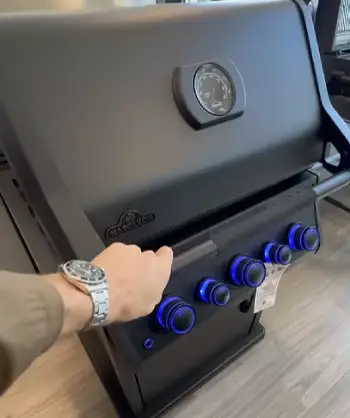
- Build quality and materials: Broil King relies on practical stainless steel and cast aluminum that stands up to regular weather without adding too much weight.
Napoleon uses thicker gauges and porcelain finishes that handle coastal humidity and harsh seasons with less risk of rust over time.
- Heat management systems: Broil King spreads flame through dual-tube burners that reduce cold spots across the cooking surface.
Napoleon pairs traditional burners with infrared zones that recover temperature faster after the lid opens and create stronger searing heat.
- Control layout and usability: Broil King keeps knobs and gauges simple so you can focus on cooking instead of learning complicated settings.
Napoleon offers more precise valves and occasional digital feedback that reward practice with tighter temperature control.
- Size and footprint options: Both brands cover compact two-burner models and larger four- or five-burner setups for bigger gatherings.
Broil King often feels more open in mid-size frames while Napoleon packs extra features into similar overall dimensions.
- Price-to-feature ratio: Broil King delivers reliable performance and solid materials at a cost that leaves room in most budgets.
Napoleon asks for a higher investment but includes extras like infrared sear stations and heavier construction that serious cooks notice every time they light the grill.
Key Features Of Broil King Grills
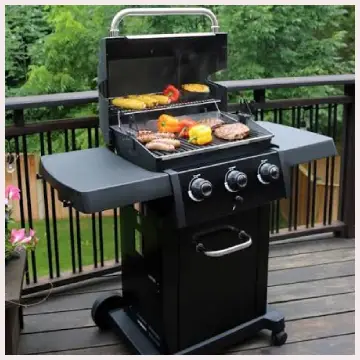
- Dual-tube burner design: These burners push heat from both sides of each tube and cut down on the uneven spots common in cheaper single-tube units.
I saw more consistent results when cooking several steaks or chicken pieces at the same time.
- Cast iron cooking grates: Many models come with heavy cast iron that holds heat well and leaves clear grill marks on meat.
You can switch to stainless versions if you prefer faster cleanup after every cook.
- Sure-Spark ignition: The electronic system lights the burners reliably even when the wind picks up around the patio.
I almost never reached for matches after the first few uses.
- Stainless steel construction options: Higher models use stainless for lids, doors, and side shelves that resist weather better than painted steel.
This choice helps the grill keep its appearance through multiple seasons.
- Side burner and storage space: Plenty of models include a side burner for sauces or sides plus under-grill storage that keeps tools organized.
The extra space reduces clutter on the main deck during busy cooks.
- Temperature gauges and control knobs: Simple analog gauges and responsive knobs let you set medium or high heat without constant adjustments.
Once you learn the dial positions, the process stays straightforward for everyday meals.
Pros Of Broil King
- Strong everyday performance: These grills handle burgers, chicken, vegetables, and the occasional roast without major issues. Heat stays steady once you know the preferred burner settings for each type of food.
- Attractive mid-range pricing: You receive reliable stainless parts and useful warranty coverage without paying the full premium markup. This balance makes the brand accessible for most backyard setups.
- Easy maintenance routine: Cast iron grates season nicely with regular oiling and the grease system limits flare-ups when cleaned on schedule. Basic care keeps the unit running well for years.
- Generous cooking area on mid-size models: A three- or four-burner unit provides enough room for family dinners plus a few extra items for guests. The layout supports both direct and indirect cooking without feeling cramped.
- Solid warranty support: Many components carry long coverage that reduces worry if a part fails after several seasons. Knowing the support exists adds confidence for long-term ownership.
- Straightforward learning curve: New owners can produce good results from the first cook without studying thick manuals. The controls and heat patterns feel natural after a short practice period.
Cons Of Broil King
- Heat recovery can lag: Opening the lid for extended periods drops the temperature more than some higher-end designs. Planning your timing carefully helps avoid undercooked spots on larger meals.
- Limited infrared options: Most models stick with traditional burners only. Anyone who wants intense searing zones may notice the difference during steak nights.
- Cast iron needs attention: The grates create excellent marks but require oiling and occasional scrubbing to prevent rust. Skipping this step shortens their useful life.
- Side shelves feel basic on lower models: Storage remains useful yet the materials can feel lighter than those on premium competitors. Heavy pots may need careful placement.
- Fewer advanced accessories out of the box: Rotisserie kits and specialty grates usually cost extra. Building a full setup takes additional purchases beyond the main unit.
- Wind sensitivity on some units: Strong breezes can affect burner performance more than fully enclosed premium designs. Placing the grill in a sheltered spot improves consistency.
Key Features Of Napoleon Grills
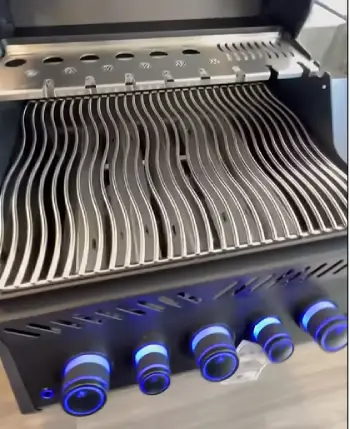
- Infrared cooking technology: Many models include infrared burners that reach high heat quickly for searing steaks or crisping chicken skin.
I used the sear station on nearly every thick cut after the first successful try.
- Heavy-gauge stainless steel: Bodies and lids feel substantial and resist dents plus corrosion better in tough weather.
The thicker metal also helps hold temperature during longer cooks.
- Precise control valves: Knobs and valves respond smoothly and let you hold low-and-slow temperatures with less constant adjustment.
This precision shows during extended smoking sessions.
- Porcelain-coated components: Grates and sometimes the cooking box receive a durable coating that cleans easier and lasts longer.
The surface resists food sticking when maintained properly.
- Integrated rotisserie and side burner options: Higher lines often include these as standard or simple add-ons that expand cooking possibilities.
Turning whole chickens or preparing sides becomes more convenient.
- Advanced grease management: Channels and trays pull drippings away efficiently and reduce flare-ups during fatty cooks.
Cleanup stays simpler after ribs or burgers with higher fat content.
Pros Of Napoleon
- Superior searing capability: Infrared zones create restaurant-style crusts while the main burners handle the rest of the meal. Thick steaks come out with a better exterior and juicier interior.
- Excellent temperature consistency: Once set, the grill holds steady even when the lid opens briefly for checks. This reliability helps during multi-hour cooks that demand stable heat.
- Durable long-term construction: The thicker steel and quality finishes mean fewer repairs over years of regular use. Coastal or high-humidity locations benefit especially from the stronger materials.
- Feature-rich higher models: You receive side burners, storage, lights, and sometimes smoke boxes without hunting for separate kits. The extras support a wider range of recipes right away.
- Strong residual heat retention: Thick materials keep the cooking chamber hot and aid indirect cooking plus baking. Pizza and bread benefit from the retained warmth.
- Reliable ignition and safety features: Lighting stays quick and the overall design feels carefully engineered for repeated use. Starting the grill becomes a fast and predictable step.
Cons Of Napoleon
- Higher upfront cost: Entry models start at reasonable levels yet the feature-packed units move into premium pricing. The investment requires confidence that the extras will see regular use.
- Learning curve on advanced controls: Extra burners and infrared zones take practice to balance without overcooking parts of the meal. First-time users may need a few sessions to master the layout.
- Weight and size considerations: Heavier builds make moving the grill harder if the patio layout changes often. Planning the permanent spot becomes more important.
- Porcelain can chip if mishandled: While durable overall, hard impacts can damage the coating and expose metal underneath. Careful handling during cleaning prevents this issue.
- Some models feel overbuilt for casual use: If grilling happens only a couple of times each month, many advanced features may sit unused. Matching the model to actual cooking frequency avoids wasted capacity.
- Replacement parts can cost more: Specialty components follow the premium pricing structure. Keeping the grill running long-term carries higher maintenance expenses than mid-range alternatives.
Real-World Performance Comparison
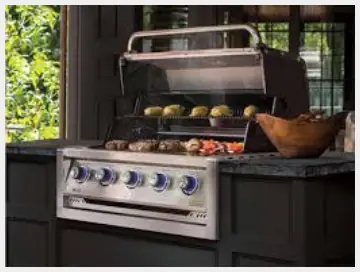
I ran the same tests on both brands across spring and summer.
For direct grilling, Broil King produced even results on chicken thighs and sausage with minimal hot spots once preheated properly.
Napoleon pulled ahead on thick steaks thanks to the infrared option that locked in juices faster.
Indirect cooking told a similar story. Broil King handled pork shoulders and whole chickens well if I managed the burner layout carefully.
Napoleon kept tighter control over longer sessions, which mattered when I smoked ribs for six hours.
Cleanup after fatty cooks favored Napoleon’s grease system, though both needed regular attention to stay in top shape.
Fuel efficiency felt comparable on propane models. Broil King used slightly less on medium heat, while Napoleon’s infrared zones burned hotter but finished searing quicker, balancing the tank over a full cook.
Who Should Choose Broil King?
If you want a dependable grill that covers weeknight dinners and weekend gatherings without a large investment, Broil King fits.
Families who value straightforward controls and solid cooking space will appreciate the practical design.
It also works well for renters or anyone who may move the unit occasionally, since many models stay manageable in weight.
Who Should Choose Napoleon?
Serious home cooks who cook multiple times a week and want precise heat zones should lean toward Napoleon.
The infrared capability and heavier build reward people who experiment with searing, smoking, and multi-zone meals.
If you host often or plan to keep the grill for a decade-plus, the durability pays off.
Maintenance Tips For Both Brands
Keep the cooking grates clean after every few uses. For cast iron, a light oil coating after scrubbing prevents rust.
Empty grease trays regularly to avoid flare-ups. Cover the grill when not in use, especially in wet climates.
Check burner ports for spider webs in spring and clean them with a soft brush. Both brands reward this basic care with longer service life and better flavor.
Value Over Time
Broil King wins on initial cost and still delivers years of reliable service with proper care.
Napoleon costs more upfront but often lasts longer with fewer replacements, making the total ownership cost closer than the sticker price suggests.
Factor in how often you grill and what features you will actually use before deciding.
Also Read: Comparison Of Traeger Woodridge Pro And Elite
Frequently Asked Questions (FAQ)
Yes. It offers reliable performance, solid construction, and strong value for everyday and weekend cooking.
Napoleon often edges Weber in infrared options and heavy stainless builds, though Weber remains excellent for classic performance and widespread support.
It depends on needs. Broil King competes well on price and features while Weber brings brand familiarity and consistent heat. Test both if possible.
Weber, Napoleon, Broil King, Traeger, and Kamado Joe frequently rank high for quality, innovation, and user satisfaction across gas, charcoal, and pellet styles.
Final Thoughts
After running both brands through real cooks, I see clear strengths.
Broil King gives you dependable heat, practical features, and a price that leaves room in the budget for tools and food.
Napoleon delivers tighter control, faster searing, and construction that feels built for the long haul.
Your choice comes down to how often you grill, how much precision you want, and what you are willing to spend.
Pick the one that matches your actual habits rather than the one with the most bells and whistles, and you will end up cooking more often with better results.
Recent Posts
● Interactive 5-Zone Interior & Exterior Paint Blueprint Paint Coverage Calculator: Gallons, Primer, Square Footage & Cost Tap any architectural surface zone on the blueprint...
If you want smooth, shiny hair without spending a fortune on a premium styling tool, the Ella Bella hair dryer may be worth considering.In these Ella Bella hair dryer reviews, I’ll look...