
I spent months bouncing between my Broil King and Weber setups in the backyard, testing steaks, burgers, chicken, and even whole rotisserie birds for family cookouts and weekend experiments.
My goal here is simple: help you figure out which brand fits your grilling style, budget, and expectations by breaking down real differences in heat, build, features, and long-term use so you can pick the one that actually delivers the results you want.
| Feature | Broil King (typical Regal/Baron mid-range) | Weber (typical Genesis/Spirit mid-range) |
| Primary cooking area | 450–550 sq in | 420–650 sq in |
| Total cooking area | 650–850 sq in | 530–900+ sq in |
| Main burner BTUs | 40,000–50,000 | 30,000–48,000 |
| Burner style | Dual-tube stainless | Stainless tube or sear-zone focused |
| Cooking grates | Cast iron or solid stainless | Porcelain-coated cast iron |
| Flavor system | Flav-R-Wave | Flavorizer bars |
| Rotisserie | Often included with rear burner | Usually optional accessory |
| Side burner | Common on higher models | Common on higher models |
| Warranty (core parts) | 10–15 years on cookbox, shorter on others | Often 10 years across many components |
| Smart features | Limited on most models | Weber Connect on select models |
| Price range (mid) | Often better value for power/features | Premium pricing for consistency |
| Best suited for | High-heat searing, value seekers | Even cooking, beginners, ecosystem |
Key Differences Between Broil King And Weber
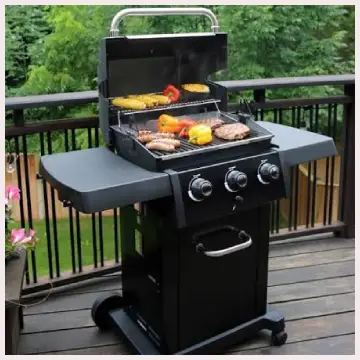
- Heat output and searing power: Broil King models frequently push higher total BTUs and dual-tube burners that create intense, focused heat.
I noticed steaks develop a deeper crust faster on the Broil King when I left the lid closed for the first couple of minutes.
Weber prioritizes even distribution across the grate, which means fewer hot spots but sometimes a bit less aggressive sear without the dedicated sear zone engaged.
- Flavor and drip management systems: Broil King’s Flav-R-Wave plates sit under the grates and vaporize drippings into smoke while reducing flare-ups.
Weber’s Flavorizer bars do a similar job but feel slightly more refined at controlling grease during longer cooks.
In side-by-side tests, both produced good smoke flavor, though Broil King felt a touch more aggressive with the drippings from fatty cuts.
- Build materials and longevity feel: Broil King leans on cast aluminum cookboxes and heavy stainless or cast-iron grates that hold heat well once they get going.
Weber uses porcelain-enameled steel or aluminum with proven rust resistance and a reputation for lasting through years of outdoor exposure.
My Weber lids and frames still look cleaner after repeated seasons of rain and sun.
- Included accessories versus optional upgrades: Many Broil King units ship with a full rotisserie kit and rear burner ready to use right away.
Weber treats the rotisserie as an add-on, but offers a wider ecosystem of griddles, pizza stones, and smart probes that plug into their app for more flexibility later.
- Brand support and parts availability: Weber’s network is denser so finding replacement burners or grates is usually straightforward in most areas.
Broil King parts exist but can take longer depending on your location, which matters if you grill year-round and need a quick fix.
Key Features Of Broil King
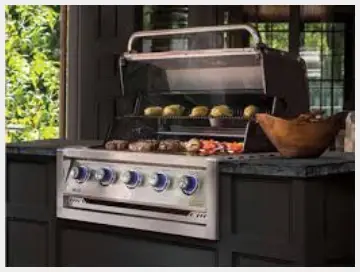
- Dual-tube stainless steel burners: These deliver flame on both sides of the tube for more even coverage and higher overall output across the main surface.
I used them to hold steady high heat for searing without constantly adjusting the knobs during busy sessions.
- Flav-R-Wave cooking system: The wavy stainless plates catch drippings, turn them into flavorful smoke, and limit flare-ups effectively.
Cleaning is straightforward once the grill cools a bit and you scrape the plates after a short burn-off cycle.
- Heavy-duty cooking grates: Options range from reversible cast iron for deep marks to solid stainless that resists warping under repeated high heat.
The cast iron versions give excellent heat retention once they are properly preheated for ten minutes or so.
- Integrated rotisserie on many models: A rear burner plus motor and spit rod come standard on mid-to-upper lines for hands-free cooking.
I spun whole chickens with minimal fuss and got even browning from end to end every time.
Solid side shelves and storage:Most carts include folding or fixed shelves with tool hooks and space for a propane tank plus extras underneath.
This setup keeps everything within reach when I am managing multiple items at once.
Pros Of Broil King
- Strong value for the power and features included: You often get more BTUs, a rotisserie, and robust grates without jumping to the top price tier. For the money, the overall performance feels generous when you compare similar-sized models side by side.
- Excellent high-heat performance and heat retention: Once the cookbox is hot, it stays hot even when the lid opens frequently during busy cooking. Cast-iron grates and deep boxes help maintain temperature for consistent results on steaks and chops.
- Versatile cooking options out of the box: Rotisserie, side burners, and solid construction let you handle everything from quick burgers to low-and-slow sessions without buying extras immediately. This makes weekend meal planning simpler from day one.
- Solid North American engineering focus: The dual-tube design and Flav-R-Wave system show attention to real grilling problems rather than just marketing features. I appreciated how the heat recovery felt strong after adding cold food to the grate.
- Good capacity for family or small gatherings: Many models offer enough primary surface for a full meal plus warming space above. Feeding six to eight people felt comfortable without overcrowding the main cooking area.
Cons Of Broil King
- Brand recognition and service network lag behind Weber: Finding authorized service or specific parts can take more effort in some regions. This becomes noticeable after a few years of heavy use when a burner or valve needs attention.
- Heat can run hotter than expected on some models: Newer users sometimes scorch food until they learn the dial positions and preheat habits. The power is there, but it demands a bit more attention during the first few cooks.
- Finish and small-part durability vary by series: Lower-tier models may show wear on shelves or paint sooner than premium lines. Assembly instructions occasionally leave room for interpretation if you are doing it solo.
- Fewer smart or ecosystem options: If you want app integration or a wide range of official accessories, the selection feels narrower compared with the competition. Expanding the setup later requires more third-party choices.
- Slightly less refined temperature consistency in some tests: Hot spots can appear more readily than on comparable Weber units when cooking large batches at lower settings. Careful burner management helps keep results even across the surface.
Key Features Of Weber
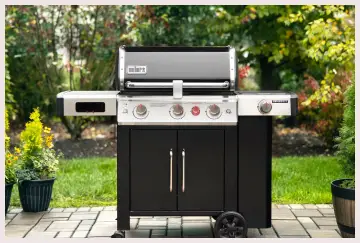
- Flavorizer bars: Stainless or porcelain-coated bars sit above the burners, channel grease away, and create consistent smoke during the cook.
They contribute to the even cooking Weber is known for across the entire grate surface.
- Reliable electronic ignition and control knobs: Lighting is nearly always one-touch on the models I tested, and the knobs give a precise low-to-high range.
Temperature gauges on the lid are accurate enough for everyday use without needing extra probes constantly.
- Sear zones on select Genesis and Spirit models: Two burners can combine for a high-heat section that reaches steakhouse temperatures quickly when you need a strong crust.
I used this for reverse-searing thicker cuts after bringing them up slowly on the cooler side.
- Porcelain-coated cast-iron grates: These hold heat well, create classic grill marks, and clean up reasonably well with a stiff brush after the grill cools slightly.
Regular light oiling helps them stay in good shape season after season.
- Weber Connect smart system on higher models: App monitoring of temperature probes and grill status adds convenience if you like remote checks while prepping sides indoors.
It works smoothly once the probes are paired and the connection is stable.
Pros Of Weber
- Exceptional consistency and even heat distribution: Flavorizer bars and thoughtful burner placement make it hard to under- or overcook one side of the grate. Everyday results feel predictable whether I am cooking for two or a full family.
- Strong warranty coverage and parts availability: Ten-year protection on many components plus easy access to replacements reduce long-term stress. I have replaced a few small pieces without hassle and kept the grill running smoothly.
- Beginner-friendly design and controls: Lighting, temperature management, and cleaning routines are straightforward from the first use. The learning curve is gentle so new grillers can focus on the food instead of fighting the equipment.
- Expansive accessory and smart ecosystem: From griddles to probes and the Connect app, you can expand the grill’s capabilities over time without switching brands. This flexibility keeps the same unit useful as cooking habits change.
- Proven outdoor durability and resale value: Porcelain finishes and solid frames hold up well against weather with basic care. Used Weber grills often retain more value if you ever decide to upgrade later.
Cons Of Weber
- Higher price for comparable power and features: You pay a premium for the name and consistency that comes with the brand. Rotisserie kits and some upgrades add extra cost on top of the base price.
- Sometimes lower total BTU output relative to size: Intense searing may require the dedicated sear zone or longer preheat times compared with higher-output competitors. Planning a few extra minutes helps achieve the crust you want.
- Heavy units with smaller wheels on larger models: Moving a fully loaded Genesis across a patio can feel cumbersome once everything is set up. Storage under the cart is useful but not always as generous as it first appears.
- Cast-iron grates need proper care to avoid rust: If left damp or unseasoned after cleaning, they can develop spots over time. Regular maintenance with a light coat of oil keeps them performing at their best.
- Less raw power for very large or high-volume cooking: Serious pitmasters who want maximum heat density sometimes look elsewhere once they outgrow the mid-range models. The consistency remains strong but pure output has limits.
Real-World Performance And Everyday Use
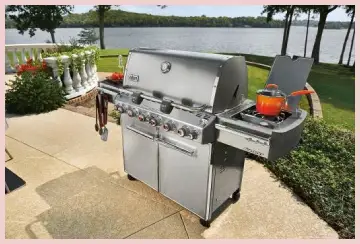
When I line up a typical Saturday session with burgers for the kids, a couple of thick ribeyes, and a side of vegetables, the differences show up clearly in practice.
On the Broil King I preheat for about ten minutes, drop the steaks on the hot zone, and get a deep crust with minimal lid opening during the first stage.
The dual-tube burners recover heat fast after the initial temperature drop from cold meat. The Flav-R-Wave system keeps flare-ups under control even with fatty burgers dripping onto the plates.
Cleanup involves a quick scrape of the grates and emptying the drip tray once everything cools.
The Weber asks for a similar preheat time but rewards you with more uniform results across the entire surface from left to right.
I can cook the steaks on one side and the vegetables on the other without constant monitoring or moving pieces around.
The Flavorizer bars do an excellent job of turning drippings into smoke without excessive grease fires building up.
If I add the sear zone on models that have it, the steaks match the Broil King’s crust closely after a short final blast.
For weeknight chicken thighs or sausages, the Weber’s evenness means less babysitting and more reliable doneness.
Rotisserie cooking tips the scale toward Broil King on models that include the full kit from the start.
A whole chicken comes out evenly browned with the rear burner providing steady indirect heat for the full cook time. On Weber I have to purchase and install the kit separately, which works well once everything is set up but adds another step and cost before the first use.
Long-term ownership feels different after two full seasons of regular cooking. My Weber still looks nearly new with only light cleaning and occasional grate care.
The Broil King shows more character with minor scratches on the side shelves and a bit of discoloration on the cookbox, but the cooking performance has stayed strong through repeated high-heat sessions.
Both need covers in harsh weather and regular burner inspections to keep them running at their best.
Temperature recovery after adding a full load of food is another practical point. Broil King often snaps back to high heat faster thanks to the dual-tube design and higher overall output.
Weber holds a more stable middle ground that suits longer cooks where big swings are less desirable. I found myself using the Broil King more for steak nights and the Weber for mixed meals where everything needed to finish together.
Grease management also differs in daily use. Both systems work, yet the Flav-R-Wave plates on Broil King seem to handle heavier drippings with slightly less mess in the tray underneath.
Weber’s bars channel grease effectively and make the post-cook scrape a bit quicker in my experience.
Who Should Choose Which Brand ?
If you grill mostly on weekends, value reliability above all, and like the idea of expanding with accessories or smart probes later, Weber makes the safer long-term companion.
The even heat and strong support network reduce frustration over years of ownership. Beginners and people who want consistent results without constant dial tweaking will appreciate how forgiving the controls feel.
Families that cook a mix of proteins and sides at the same time often settle into the Weber rhythm quickly.
If you want more power for the money, enjoy aggressive searing on steaks, and like having a rotisserie ready to go without extra purchases, Broil King delivers in those areas. Experienced grillers who monitor their food closely and care more about performance than brand prestige often prefer the higher heat density. Families who cook larger volumes of meat will notice the BTU advantage when the grate is fully loaded.
Budget plays a clear role in the decision as well. At similar price points Broil King frequently packs more raw capability and included extras. Weber asks you to pay for polish, consistency, and the broader ecosystem that can grow with your skills.
Think about how often you open the lid and how precise you like your temperatures. Frequent lid lifting favors the faster recovery of Broil King.
Set-and-monitor styles favor the stability of Weber. Storage space and mobility matter too if your patio is tight or you move the grill often.
Both brands offer solid carts, yet the weight distribution and wheel size can influence daily convenience more than expected.
Also Read: Comparison Of Traeger Woodridge And Pro
Frequently Asked Questions (FAQ)
It depends on your priorities. Weber wins for consistency, support, and ease of use. Broil King often wins for power, included features, and value.
Yes. It offers solid construction, strong heat, and useful features at competitive prices, especially in the mid-to-upper ranges.
In specific areas Broil King can outperform on searing power and included accessories. Other brands like Napoleon sometimes edge both on warranty length or infrared searing, but Weber remains a top overall choice for most users.
Popular high performers often include select Weber Genesis and Spirit models, Broil King Regal or Baron series, certain Napoleon Prestige units, and a couple of premium options from other makers depending on current testing and price.
Wrapping Up
After living with both brands I can say neither is a wrong choice, but the right one depends on how you actually cook.
I reached for the Broil King when I wanted serious heat and a ready-to-go rotisserie for special meals.
I reached for the Weber when I wanted set-it-and-forget-it evenness and the comfort of knowing parts and support were easy to find.
You should weigh the same factors in your own decision. Consider how often you grill, whether you value raw power or polished consistency, and how much you want to spend up front versus over the years of ownership.
Pick the one that matches your backyard rhythm and you will spend more time enjoying the food and less time second-guessing the equipment.
Both will reward regular care and proper preheating with solid results for years.
Recent Posts
● Interactive 5-Zone Interior & Exterior Paint Blueprint Paint Coverage Calculator: Gallons, Primer, Square Footage & Cost Tap any architectural surface zone on the blueprint...
If you want smooth, shiny hair without spending a fortune on a premium styling tool, the Ella Bella hair dryer may be worth considering.In these Ella Bella hair dryer reviews, I’ll look...