
I’ve been on a rollercoaster with weight loss for years, you know?
Like many of you, I stumbled across BurnJaro while scrolling through ads promising quick fat burn with some “pink salt trick” and natural ingredients.
It sounded tempting—easy capsules to boost metabolism and shed pounds without much effort. But after digging into it, I can’t in good conscience tell you to buy this product.
The hype doesn’t match the reality, and with all the red flags from real users, it’s not worth your money or time.
Save your cash for something that actually delivers. Let’s break down my take on BurnJaro reviews so you can decide for yourself.
My First Experience With Experience With Burnjaro

I decided to give BurnJaro a shot about six months ago.
You see, I’d hit a plateau after losing 15 pounds through basic dieting and walking, and I was desperate for that extra push.
The website made it seem like a no-brainer: a supplement packed with things like Himalayan pink salt, berberine, and other “fat-melting” extracts that supposedly mimic prescription meds without the side effects.
I ordered a three-month supply for around $150, thinking if it worked for those glowing testimonials, why not me? The bottles arrived quickly, plain packaging with no fancy inserts, just the capsules that looked like any generic vitamin.
For the first week, I followed the instructions to a T—two capsules in the morning with water, before breakfast.
I felt a slight energy bump, maybe from the caffeine or whatever stimulants they sneak in, but nothing groundbreaking.
I kept up my routine: eating cleaner, tracking calories around 1,800 a day, and hitting the gym three times a week for cardio and weights. By week two, I noticed some digestive issues—bloating and mild nausea that made mornings rough.
I brushed it off as my body adjusting, like how some supplements do that at first. But the scale? It barely budged. I lost maybe a pound, which could have been water weight or just from my existing habits.
As the weeks dragged on, the frustration built. Month one ended with zero noticeable fat loss around my midsection, which was supposed to be the “target area” according to their claims.
I started questioning the ingredients—turns out, when I cross-checked the label with online databases, it didn’t match what was advertised.
No real berberine or yuzu extract; instead, it was mostly probiotics and fillers that could mess with someone like me who has sensitive guts.
I felt duped. By month two, the side effects ramped up: headaches, jitteriness, and even some heart palpitations that scared me enough to skip doses.
I wasn’t sleeping well either, which tanked my workouts. You know that vicious cycle where you’re tired, so you eat more for energy? Yeah, that happened, and I actually gained a couple pounds back.
I reached out to their customer service for a refund, citing their “money-back guarantee.” What a joke. Emails went unanswered for days, then I got a call from some “coach” pushing me to buy more or join a program.
When I insisted on returning the unopened bottles, they claimed I missed the window by a day—total nonsense since I’d contacted them early.
After a back-and-forth chain of 20 emails, they offered a partial refund of 30%, but only if I paid for shipping back.
I ended up eating the cost, feeling like I’d been scammed. Overall, BurnJaro did nothing for my weight loss goals. If anything, it set me back mentally, making me skeptical of all supplements.
I switched to focusing on real food and therapy for emotional eating, and that’s when things started improving.
If you’re considering this, talk to a doctor first—don’t waste your energy like I did. It wasn’t the miracle I hoped for, and from what I’ve seen in forums, I’m not alone.
Pros Of Burn Jaro Weight Loss

- Easy to take daily: Just two capsules in the morning with water—no mixing powders, no weird tastes, no complicated routines.
If you’re busy, this convenience feels like a win at first.
- Potential mild energy lift: Some users (including me early on) noticed a small boost, likely from any hidden stimulants or basic ingredients.
It might help you feel less sluggish for workouts or daily tasks.
- Claims natural ingredients: They advertise stuff like Himalayan pink salt, berberine, and plant extracts, which sound appealing if you prefer “natural” over synthetic.
In theory, things like berberine could support blood sugar or metabolism slightly.
- Over-the-counter access: No prescription needed, no doctor visits—just order online.
It’s quick and feels low-commitment compared to seeing a specialist.
- Bulk pricing options: Buying multiple bottles drops the per-bottle cost (around $50 or less in bundles), so it seems cheaper upfront than some other supplements.
- Money-back guarantee advertised: They promise refunds if unsatisfied, which gives a sense of security when you’re tempted to try it.
These are the few upsides people mention, but honestly, they’re minor and often short-lived or placebo-driven.
Cons Of Burn Jaro Weight Loss
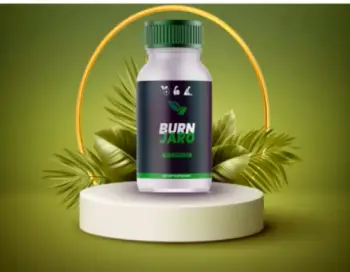
- No real weight loss for most users: The biggest complaint—zero pounds lost, even after months. Many report gaining weight instead, or the scale staying stuck despite diet and exercise.
Reviews scream “waste of money” because it doesn’t deliver on fat-burning promises.
- Ingredients don’t match claims: Advertised “pink salt trick,” berberine, yuzu, mountain root? The label often shows probiotics, resistant starch, potato fillers, or other cheap stuff instead.
No pink salt, no real berberine in many cases—feels like false advertising.
- Side effects hit hard: Headaches, jitters, nausea, bloating, digestive upset (especially bad if you have IBS), skin rashes, heart palpitations, insomnia.
Some got itchy rashes after just a couple pills; others felt worse overall.
- Customer service nightmare: Refunds are a battle—ignored emails, pushy “coaches” trying to upsell, partial refunds only after shipping back at your cost, or denied for tiny reasons.
BBB has dozens of unresolved complaints about this.
- Shady marketing tactics: AI-generated videos with fake celeb endorsements (Oprah, doctors who never touched it), stolen photos/voices, misleading claims tying it to real drugs like Mounjaro.
It preys on desperation.
- Not regulated or safe long-term: No FDA approval for weight loss claims, potential contaminants or inconsistent dosing since it’s OTC.
Some users warn it’s unsafe, especially with hidden probiotics or fillers.
- Expensive for what you get: $150–$300 for multi-month supplies, but you end up with useless bottles and no results.
Many call it a straight-up scam after the hype fades.
Tips For Burn Jaro Weight Loss
- Track your intake and activity consistently: Self-monitoring is huge—log your food, calories, or portions daily using an app or notebook.
Weigh yourself weekly or more often. People who keep this up long-term catch small slips early before they become big regains.
It builds accountability without feeling obsessive.
- Aim for regular physical activity every day: Get at least 150-300 minutes of moderate exercise weekly, like brisk walking, or aim for 60 minutes most days.
Strength training 2-3 times a week helps preserve muscle (which burns more calories at rest).
Even simple things like taking stairs or daily walks add up—studies show active people maintain better than those who stop moving.
- Eat a balanced, low-calorie diet you can stick to forever: Focus on whole foods—plenty of veggies, fruits, lean proteins (chicken, fish, beans), whole grains, and healthy fats.
Keep calories controlled (often 1,200-1,800 depending on your needs), low in added sugars and processed junk.
Eat breakfast regularly and keep eating patterns similar on weekends—no binge-restrict cycles.
- Prioritize portion control and mindful eating: Use smaller plates, measure servings at first, and eat slowly to recognize fullness.
Limit calorie-dense foods and sugary drinks (swap soda for water or black coffee).
Avoid drinking your calories—it’s an easy way to sneak in hundreds without noticing.
- Get enough sleep every night: Shoot for 7-9 hours. Poor sleep messes with hunger hormones, making you crave junk and eat more.
Consistent good sleep supports metabolism and decision-making around food.
- Manage stress without food: Stress triggers emotional eating for many of us.
Build non-food coping tools like walking, meditation, journaling, or talking to friends.
Lower stress helps prevent regain since cortisol can drive fat storage.
- Set realistic, gradual goals and celebrate non-scale wins: Aim to maintain (or lose slowly at 0.5-1 lb/week if needed) rather than perfection.
Track progress with measurements, energy levels, clothes fit, or how you feel—not just the scale. Small, achievable wins keep motivation high.
- Build consistency across days and weeks: Stick to similar habits daily—no extreme weekdays then weekend blowouts.
Consistency in eating and moving is what separates maintainers from regainers in long-term studies.
- Meal prep and plan ahead: Prepare meals or snacks in advance to avoid impulse choices.
Shop with a list, never when hungry. Stock healthy options so good choices are easy.
Comparing Burnjaro To Other Brands
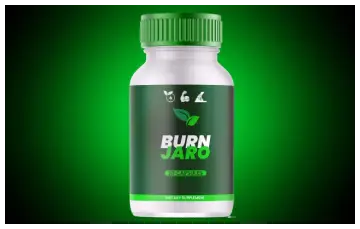
Let’s chat about how BurnJaro stacks up against other weight loss options—it’s eye-opening. Take something like PhenQ, another OTC supplement.
It claims to suppress appetite and boost energy with ingredients like capsicum and chromium.
Users report better results than BurnJaro, with some losing 5-10 pounds in a month, but side effects like jitters are similar.
Still, PhenQ has more transparent labeling and better refund policies, making it feel less scammy.
But like BurnJaro, it’s not a miracle; you need diet and exercise.
Now, contrast that with prescription heavy-hitters like Wegovy (semaglutide). This one’s a game-changer—clinical trials show 15-20% body weight loss over a year.
It works by mimicking hormones to reduce hunger, way more effective than BurnJaro’s vague “pink salt” formula.
I wish I’d gone this route sooner; friends on it rave about sustained results without the OTC risks. Downsides? It’s injectable (though a pill version’s out now), pricey (up to $1,000/month without insurance), and requires doctor oversight. But the science backs it, unlike BurnJaro’s hype.
Zepbound (tirzepatide) edges out even Wegovy, with up to 22% loss in trials. It’s dual-action on hormones, targeting fat more aggressively.
If you’re serious about big changes, this beats BurnJaro hands-down, but it’s not for casual use—side effects like nausea are common, and it’s for those with BMI over 30 or related issues.
On the natural side, LeanBean focuses on women with glucomannan for fullness. Reviews are mixed but better than BurnJaro’s poor ratings (2/5 on Trustpilot vs. BurnJaro’s flops). It’s gentler, no stimulants, but slower results.
Orlistat (Alli) blocks fat absorption—effective for 5-10% loss, but messy side effects like oily stools. It’s FDA-approved, unlike BurnJaro, so safer in that sense.
Overall, BurnJaro falls short in efficacy and trust. If budget’s tight, try PhenQ or LeanBean. For real impact, talk to your doc about Wegovy or Zepbound—they’re leagues ahead, but require commitment. What works for me might not for you, so research and prioritize health.
Also Read: Comparison Of RediMind And Alpha Brain
Frequently Asked Questions (FAQ)
You want the straight scoop? Honestly, no single “fat burner” pill is a silver bullet—most OTC ones like caffeine-based supplements (think Jacked Factory Burn-XT) promise big but deliver little without diet changes. From what I’ve analyzed, the best approach isn’t a pill; it’s combining green tea extract or L-carnitine with real effort. But if pushed, clinical picks like Transparent Labs Recomp stand out for its forskolin and yohimbine blend, potentially aiding 5-10% fat loss when stacked with exercise. Always, though, focus on whole foods and movement over hype.
In my experience and from digging into studies, they’re overhyped. Sure, some with caffeine or green tea might boost metabolism slightly (1-3% calorie burn), but without cutting calories or exercising, you won’t see much. Evidence shows minimal long-term weight loss—maybe 2-5 pounds at best—and side effects like jitters outweigh benefits. Prescription ones like orlistat work better by blocking fat absorption, but even those need lifestyle tweaks. Bottom line: They can support, but don’t rely on them alone; real change comes from habits.
Kelly’s story is inspiring—she dropped around 60 pounds through a mix of listening to her doctor, upping protein (think healthy meats and mixes), and getting active with walks in NYC. She was prediabetic, so she cut processed foods, added infrared saunas and cold plunges for recovery. Importantly, she used a GLP-1 med (not Ozempic, but one that helps process sugar). It took 2-3 years steadily, no quick fixes. You can do similar: Start with doc advice, balance diet, and move more.
Based on trials, tirzepatide (Zepbound) tops the list—up to 22.5% weight loss in studies, beating semaglutide (Wegovy) at 15%. It’s dual-hormone action curbs appetite powerfully. The new Wegovy pill is close, with 14-16% loss daily. But #1 depends on you; phentermine works short-term for some. Always prescription under doc supervision—OTC stuff doesn’t compare.
Wrapping Up
I can’t stress enough: Steer clear of BurnJaro. My journey showed it’s more hassle than help, and you deserve better tools for your goals. Focus on proven paths, and you’ll see real progress.
Recent Posts
● Interactive 5-Zone Interior & Exterior Paint Blueprint Paint Coverage Calculator: Gallons, Primer, Square Footage & Cost Tap any architectural surface zone on the blueprint...
If you want smooth, shiny hair without spending a fortune on a premium styling tool, the Ella Bella hair dryer may be worth considering.In these Ella Bella hair dryer reviews, I’ll look...