
I’ve always been curious about ways to keep my mind sharp, especially as life gets busier.
In this article, I’ll compare RediMind and Alpha Brain, two popular brain supplements, to help you decide which might fit your needs for better focus and memory.
My goal is to break down their features, strengths, and weaknesses from a practical standpoint, like someone who’s looked into these options for everyday cognitive support.
| Aspect | RediMind | Alpha Brain |
| Main Ingredients | Alpha GPC, Huperzine A, Bacopa Monnieri, Lion’s Mane Mushroom, Ginkgo Biloba | Alpha GPC, Huperzine A (from Huperzia Serrata), Bacopa Monnieri, L-Theanine, Phosphatidylserine, Vitamin B6, Oat Straw Extract, Cat’s Claw, L-Tyrosine, Pterostilbene |
| Key Benefits | Boosts short-term memory by up to 51% in 30 days, enhances focus, concentration, and energy; supports neural connections and acetylcholine levels | Supports memory, focus, mental processing speed, and flow state; aids verbal recall and executive function in some studies |
| Dosage | 1-2 capsules daily, up to 4 for intense needs (not exceeding 6) | 2 capsules daily with a light meal |
| Price (Approximate for 30-day supply) | Around $30-40 | Around $35 for 30 capsules, $80 for 90 |
| Form | Vegan capsules, non-GMO, gluten-free | Capsules, caffeine-free, gluten-free |
| Clinical Backing | One study showing memory improvement | Company-funded study with mixed results on memory and function |
| User Ratings | 4.9/5 based on reviews | 3.8/5 average, with varied feedback |
| Potential Side Effects | Mild, results vary | Headaches in some users, no effect for others |
| Availability | Online via company site, Amazon | Online via company site, stores like GNC |
What Makes Brain Supplements Like These Appealing?

As I think about why people turn to products like RediMind or Alpha Brain, it comes down to that desire for an edge in daily life.
I know from my own experience juggling work and personal stuff that a foggy mind can slow everything down.
These supplements promise to clear that up by targeting brain chemistry, like boosting neurotransmitters or protecting neurons.
RediMind caught my eye because it focuses on memory retention, which feels practical for remembering names or tasks.
Alpha Brain, on the other hand, markets itself for that “in the zone” feeling, which sounds great for creative work or meetings.
But let’s get into the details without overhyping anything—I’ll share what stands out based on what I’ve learned.
Key Differences Between RediMind And Alpha Brain
- Ingredient count and focus: RediMind keeps it to five targeted ones for memory, while Alpha Brain has over ten for broader effects like flow and stress reduction.
This makes RediMind simpler if memory is your main concern, but Alpha Brain offers more if you need all-around support.
- Clinical evidence strength: RediMind’s study boasts a 51% memory boost, feeling more direct, whereas Alpha Brain’s shows selective improvements, raising questions about consistency.
- User ratings and satisfaction: RediMind edges out with 4.9/5 versus Alpha Brain’s 3.8/5, suggesting higher reliability in feedback, though Alpha Brain has more reviews overall.
- Pricing and accessibility: Both are similar per month, but Alpha Brain’s variants add flexibility, while RediMind’s guarantee might sway budget-conscious choices.
- Side effect profiles: RediMind seems milder with fewer complaints, while Alpha Brain has reports of headaches, possibly from its complex mix.
- Target audience: RediMind suits those combating age-related decline, as I see it, whereas Alpha Brain appeals to high-performers seeking peak states.
These distinctions help pinpoint which aligns with your goals.
Exploring RediMind In Depth
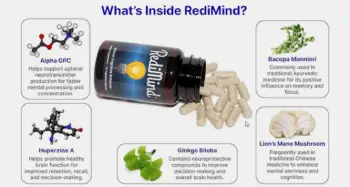
RediMind positions itself as a straightforward option for anyone noticing slips in recall as they age.
I appreciate how it doesn’t try to be everything; it’s targeted at memory and clarity.
From what I’ve seen, it’s made by Nutreance, and they emphasize natural ingredients without fillers.
Key Features Of RediMind
Alpha GPC for neurotransmitter support: This compound helps produce acetylcholine, which is key for learning and memory.
I find it interesting because it crosses the blood-brain barrier easily, potentially leading to quicker mental sharpness.
- Huperzine A to inhibit breakdown: It blocks an enzyme that breaks down acetylcholine, so your brain keeps more of that good stuff around.
Users often mention feeling more alert without jitters.
- Bacopa Monnieri for long-term cognitive health: An herb used in traditional medicine, it may reduce anxiety while improving information processing.
In my view, this adds a calming element to the mix.
- Lion’s Mane Mushroom for nerve growth: This fungus stimulates nerve growth factor, which could help repair brain cells.
It’s one of those ingredients that feels forward-thinking for ongoing brain maintenance.
- Ginkgo Biloba for blood flow: It promotes circulation to the brain, which might enhance concentration.
I think this rounds out the formula by addressing physical aspects of brain function.
These features make RediMind feel like a daily ally for subtle improvements, especially if you’re in your 40s or beyond.
Pros Of RediMind
- Clinically tested for memory gains: A study showed a 51% improvement in short-term memory after 30 days, which is impressive. I like that over 95% of participants reported benefits, making it seem reliable for real-world use.
- Natural and clean formulation: Being vegan, non-GMO, and free from gluten or additives appeals to me as someone who prefers straightforward products. No caffeine means no crashes.
- User-friendly dosing: Starting with one capsule lets you ease in, and the flexibility up to four for tough days feels practical without being overwhelming.
- Positive feedback on energy and clarity: Many users, like one who said it sharpened their mind in their 50s, note better alertness and decision-making. It seems to build over time, which matches how I think supplements should work.
- Money-back guarantee: A 30-day trial reduces risk, showing confidence in the product. Free shipping on subscriptions adds convenience.
Overall, these pros suggest RediMind is solid for consistent, low-key support.
Cons Of RediMind
- Proprietary blend hides exact doses: Without knowing how much of each ingredient is there, it’s hard to compare potency. I wonder if some components are underdosed.
- Results can vary by individual: Some report only mild changes, especially in older users, so it might not be a miracle for everyone.
- Limited scope beyond memory: It doesn’t emphasize focus or speed as much, which could leave gaps if you need all-around cognitive help.
- Availability mostly online: Not in many stores, so you rely on shipping, which might frustrate impatient buyers.
- Potential for minor adjustments needed: Figuring out the right dose takes trial and error, and it might interact with meds, so checking with a doctor is wise.
These drawbacks remind me that no supplement is perfect, but they’re manageable.
Breaking Down Alpha Brain
Alpha Brain has been around longer, backed by Onnit, and it’s got that celebrity vibe from endorsements.
I see it as more of a broad-spectrum nootropic, aiming to cover multiple bases like speed and flow. It’s caffeine-free, which is a plus for avoiding stimulants.
Key Features Of Alpha Brain
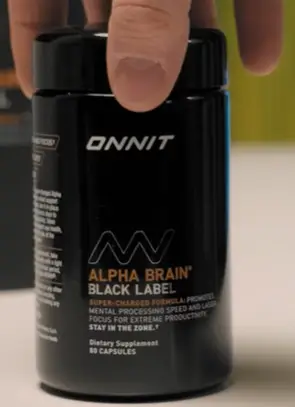
- Alpha GPC for choline supply: Similar to RediMind, it fuels acetylcholine production, supporting memory and learning. It’s a core ingredient that gives a foundation for brain activity.
- Huperzine A via Huperzia Serrata: This extract preserves acetylcholine, potentially sharpening focus. I notice it’s dosed in a way that complements other components.
- Bacopa Monnieri for adaptation: Helps with stress response and cognitive processing, adding resilience to the formula.
- L-Theanine for calm alertness: Often paired with caffeine elsewhere, here it promotes relaxation without drowsiness, which could enhance that flow state.
- Phosphatidylserine for stress reduction: This phospholipid might lower cortisol, helping with mental clarity under pressure.
- Vitamin B6 for neurotransmitter synthesis: Aids in making serotonin and dopamine, broadening the mood and energy support.
- Oat Straw Extract for circulation: Boosts blood flow, similar to Ginkgo, for better nutrient delivery to the brain.
- Cat’s Claw for antioxidant protection: Fights inflammation, which could protect long-term brain health.
- L-Tyrosine for dopamine precursor: Supports motivation and focus during demanding tasks.
- Pterostilbene for cellular health: An antioxidant that might enhance overall cognitive longevity.
With more ingredients, Alpha Brain feels like a comprehensive toolkit, which might appeal if you want variety.
Pros Of Alpha Brain
- Supports multiple cognitive areas: Studies indicate improvements in verbal memory and executive function after six weeks, which could translate to better multitasking.
- No stimulants for steady energy: Caffeine-free means it’s suitable for evening use or sensitive folks, avoiding ups and downs.
- Variety of forms available: Capsules, gummies, shots—options make it adaptable to lifestyles, like quick shots for on-the-go.
- Positive for flow and productivity: Users often describe entering a productive zone, which resonates with me for work-heavy days.
- Established brand with stacks: Onnit’s ecosystem allows combining with other products, offering customization.
These strengths position Alpha Brain as versatile for dynamic needs.
Cons Of Alpha Brain
- Mixed study results: The company-funded trial showed benefits in only some areas, with no big wins in others like attention or speed.
- Potential side effects like headaches: Some users report discomfort after a few days, which could deter consistent use.
- Higher cost for value: At around $80 for 90 capsules, it feels pricey if results aren’t immediate or strong.
- Variable user experiences: Ratings average 3.8/5, with many saying no noticeable change after weeks.
- Large pills and aftertaste: Swallowing can be tricky, and some note a lingering flavor, though water helps.
These issues highlight that Alpha Brain might not click for everyone.
How They Stack Up For Daily Use?
When I consider incorporating either into my routine, RediMind seems like the pick for steady memory maintenance. Imagine starting your day with a capsule that gradually builds sharper recall—users talk about remembering details better at work or home.
Alpha Brain, though, might shine in scenarios needing quick mental agility, like presentations. But I question its value given the mixed outcomes; sometimes, simpler is better.
Expanding on that, let’s think about lifestyles. If you’re a student cramming for exams, Alpha Brain’s focus on processing speed could help, based on partial study wins.
For professionals in their 50s, RediMind’s memory emphasis feels more relevant, as cognitive slips start subtly.
I recall reading user stories where RediMind helped with concentration during long hours, without the overwhelm of too many ingredients.
Cost-wise, both hover around $1 per day, but Alpha Brain’s pricier larger bottles might suit bulk buyers. RediMind’s vegan edge appeals if ethics matter to you. Ultimately, trial periods are key—start low and monitor.
Potential Drawbacks And Considerations
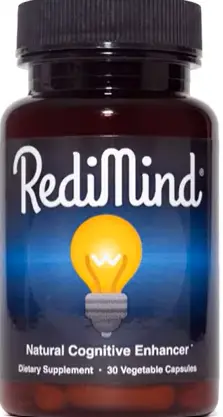
No supplement is flawless, and I’ve learned to weigh risks. For RediMind, the opaque blend means guessing doses, which bugs me analytically.
Alpha Brain’s lawsuit history, where claims were challenged for not matching study data, adds caution. It was dismissed, but it underscores checking hype.
Interactions matter too; both boost acetylcholine, so if you’re on meds affecting that, consult pros. Diet plays a role—pairing with omega-3s or B vitamins might amplify effects, as general brain health advice suggests.
My Analytical Take On Effectiveness
From an objective lens, RediMind’s targeted approach wins for memory-specific needs. Its study is straightforward, showing clear gains.
lpha Brain’s broader claims feel stretched, with benefits in verbal recall but not universally. If I were choosing, I’d lean RediMind for reliability, but Alpha Brain for experimentation.
User anecdotes reinforce this: RediMind gets praise for subtle, building improvements, like clearer thinking in daily tasks.
Alpha Brain has fans for “zone” moments but detractors for no change. Statistically, higher satisfaction with RediMind suggests better odds.
Frequently Asked Questions (FAQ)
Alternatives like Mind Lab Pro or omega-3 supplements often rank higher for overall cognitive support, depending on your needs.
Yes, it’s effective for memory enhancement with positive reviews and clinical backing.
Omega-3 fatty acids top many lists for broad brain health benefits.
It involved a lawsuit alleging misleading ads, as the company’s study didn’t fully support all claims, though cases were dropped.
Wrapping It Up
As I reflect on this, you and I both want something that delivers without fuss. RediMind stands out for its focused memory support and strong user backing, making it a smart choice if recall is your priority.
Alpha Brain offers more variety but with inconsistencies that might frustrate.
Whichever you pick, start small and listen to your body—true brain health comes from habits too, like exercise and sleep. What do you think suits your routine best?
Recent Posts
I spent months comparing budget options against established names after my last set of tires wore out sooner than expected.My goal here is to share what I learned from putting Dextero and...
AquaTru Carafe Vs. Classic: Which Is Actually Fits Your Kitchen?
I decided to write this comparison after months of testing both the AquaTru Carafe and the Classic in my own kitchen. Tracking covered daily use.Taste stayed consistent. Refill frequency...