
I’ve spent years swapping and testing rear lighting on performance cars, and the C7 Corvette versus Infiniti Q50 tail-light debate keeps coming up among owners who want sharper looks, better visibility, and lasting quality.
My goal here is to break down the real differences so you can decide which setup fits your style, budget, and daily needs without the usual guesswork.
| Aspect | C7 Corvette Tail Lights | Infiniti Q50 Tail Lights |
| Design Style | Angular, rectangular LED clusters | Sleeker, more rounded or sequential LED forms |
| Lighting Technology | Full LED, often sequential aftermarket options | LED with sequential signals on later models |
| Fitment Years | 2014–2019 | 2014–present (generation-specific) |
| Stock Brightness | Strong, modern intensity | Clean and functional, slightly softer stock look |
| Aftermarket Options | Extensive C8-style and smoked versions | Strong sequential and animated upgrades |
| Installation Complexity | Plug-and-play common | Often plug-and-play, some wiring for sequences |
| Durability Concerns | Condensation possible on cheap units | Condensation and LED failures on early years |
| Price Range (Aftermarket) | Mid to high | Lower to mid |
| Aesthetic Impact | Aggressive, sports-car signature | Refined, luxury-sport balance |
Key Differences Between C7 And Q50 Tail Lights
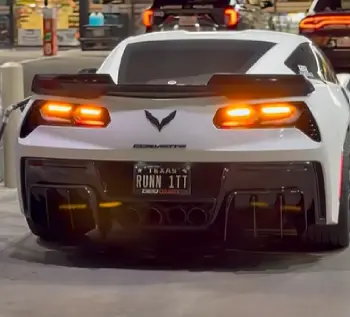
- Shape and Visual Signature: The C7 sticks with sharp, rectangular clusters that match its aggressive body lines while the Q50 leans toward smoother, more flowing shapes that feel polished rather than pure muscle.
- Lighting Behavior: Stock C7 units deliver solid LED output with clear brake and turn distinction, whereas Q50 lights, especially post-2018, often include sequential turn signals that create a sweeping motion across the lens.
- Vehicle Context: C7 lights sit on a mid-engine-ready sports car platform with wide rear haunches, so the same intensity can look different once installed on the Q50’s tighter sedan proportions.
- Aftermarket Ecosystem: C7 owners enjoy a broader selection of C8-style conversions and smoked lens kits, while Q50 owners focus more on sequential and animated hawkeye-style upgrades.
- Weather Resistance: Both platforms can suffer condensation if seals fail, yet early Q50 units showed a higher rate of LED board issues in humid climates compared with most C7 housings.
- Overall Presence on the Road: The C7’s angular design creates a stronger visual punch from a distance, while the Q50’s cleaner lines blend more naturally into everyday traffic without drawing as much attention.
Key Features Of C7 Corvette Tail Lights
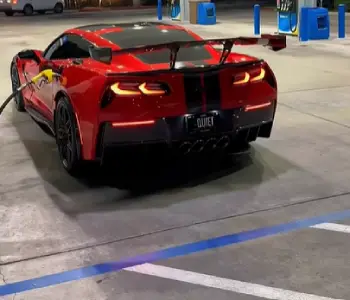
- Full LED Construction: Stock and most aftermarket units use LED arrays for brakes, running lights, and turns, which cuts power draw and speeds response time compared with older bulb setups.
- Angular Housing Design: The rectangular shape with sharp edges ties directly into the C7’s overall creased bodywork, and many aftermarket sets add smoked or clear lenses for a darker stance.
- Sequential Turn Options: Popular upgrades bring C8-inspired sequential signals that light up in a left-to-right or right-to-left sweep, giving the rear a more modern and dynamic appearance.
- Plug-and-Play Wiring: Most quality kits reuse the factory connectors so you avoid splicing and keep the installation straightforward even in a home garage.
- High Visibility Output: Brake lights flash bright enough for daytime highway use, and reverse lights when included cut through fog better than many sedan units.
- Housing Durability Materials: Quality aftermarket housings rely on impact-resistant polycarbonate that resists cracking from road debris while maintaining a tight seal against moisture.
- Customization Flexibility: Owners can choose between clear, smoked, or red-tinted lenses depending on how aggressive they want the final look to appear.
Pros of C7 Corvette Tail Lights
- Aggressive Presence: The angular design instantly signals performance intent and stands out clearly in traffic, giving the car a more purposeful rear view.
- Strong Aftermarket Support: C8-style conversions, smoked lenses, and sequential kits are widely available from established makers, giving owners plenty of reliable choices.
- Quick Response and Brightness: LED technology delivers near-instant illumination that improves safety on the highway and helps following drivers react faster.
- Style Continuity: Upgraded lights keep the C7 looking current even years after production ended, helping the car avoid a dated appearance.
- Resale Appeal: Clean, modern tail lights help a used C7 hold value among enthusiasts who notice details and prefer updated lighting.
- Track and Street Versatility: The bright output works equally well for evening track sessions and daily commuting without needing separate setups.
- Distinctive Identity: The rectangular clusters set the C7 apart from earlier Corvette generations and most competing sports cars on the road.
Cons of C7 Corvette Tail Lights
- Break from Tradition: Many longtime Corvette fans still prefer the round lights of earlier generations and find the rectangular shape less iconic than the classic design.
- Higher Upgrade Cost: Quality sequential or C8-style sets often sit in the mid-to-high price range, making a full refresh more expensive than basic replacements.
- Potential Condensation: Cheaper aftermarket units can trap moisture if seals are weak, leading to fogging that reduces clarity over time.
- Limited Stock Customization: Factory lights offer fewer lens color options compared with the aftermarket scene, so most owners end up buying upgrades anyway.
- Fitment Precision Required: Poorly made housings can leave small gaps against the rear bumper, which looks unfinished and can allow water intrusion.
- Learning Curve for Sequential Kits: Some advanced sequential units need minor coding or module adjustments that go beyond simple plug-and-play.
Key Features Of Infiniti Q50 Tail Lights
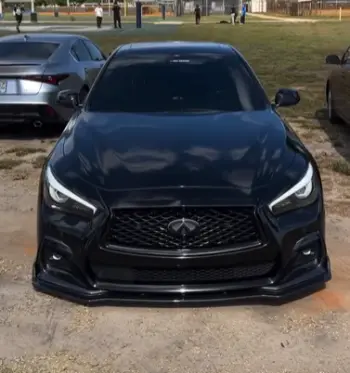
- LED Arrays with Sequential Capability: Later model years and aftermarket sets feature sequential turn signals that move across the lens, creating a smooth and premium visual effect.
- Sleek Housing Profiles: The lights follow the Q50’s rear contours more closely, creating a cleaner, less aggressive silhouette that suits the sedan’s balanced design.
- Animated Welcome Sequences: Some premium aftermarket units add startup animations that cycle when you unlock the car, adding a high-tech touch without overwhelming the overall look.
- Durable Lens Materials: Quality replacements use impact-resistant polycarbonate that resists yellowing over time and holds up well against daily exposure to sun and road salt.
- Generation-Specific Fitment: 2014–2017 and 2018+ housings differ in shape and mounting points, so matching the exact year matters for perfect alignment and gap-free installation.
- Balanced Brightness Levels: The LED output remains clear in bright sun while avoiding the overly harsh intensity that some sports-car lights can produce at night.
- Easy Integration with Factory Systems: Most kits work with the existing body control module, reducing the chance of dashboard warning lights after installation.
Pros Of Infiniti Q50 Tail Lights
- Refined Sequential Motion: The sweeping turn signals add a premium, modern feel without looking flashy, which suits the Q50’s luxury-sport character.
- Easier Budget Upgrades: Solid sequential kits cost less than equivalent C7 sets while still transforming the rear appearance in a noticeable way.
- Clean Integration: The lights follow the sedan’s body lines so the car looks purposeful rather than heavily modified after the swap.
- Good Daytime Visibility: LED output remains clear even in bright sun, helping the car stay visible without excessive glare for other drivers.
- Animated Options: Some units include startup sequences that make the car feel more high-tech every time you approach it.
- Lower Entry Barrier: Owners can achieve a significant style improvement without spending the higher amounts common in the Corvette aftermarket.
- Balanced Daily Usability: The design works well for both city driving and highway runs without drawing unnecessary attention.
Cons Of Infiniti Q50 Tail Lights
- Less Aggressive Stance: The smoother design can look tame next to true sports-car lighting, especially when parked beside more muscular vehicles.
- Early Model Reliability Issues: 2014–2017 units sometimes developed LED failures or condensation problems that required full replacement.
- Generation Lock: Lights from one model year rarely fit another without modification, limiting options for owners who change cars within the same platform.
- Fewer Extreme Style Choices: Smoked or heavily tinted options exist but are less common than on the C7, reducing the range of bold custom looks.
- Subtle Impact: Upgrades improve the look but rarely transform the car’s personality the way C7 C8-style lights can change a Corvette’s rear view.
- Potential for Module Errors: Some sequential kits trigger body control warnings if the wiring is not matched precisely to the car’s year.
- Less Enthusiast Recognition: The refined style appeals more to daily drivers than to performance enthusiasts who prefer bolder lighting statements.
Real-World Driving Impressions
On the road the differences become practical. In a C7 the sequential sweep and bright brake lights make lane changes and sudden stops more noticeable to the cars behind you.
The reverse lights illuminate a wider patch of pavement, which helps when backing into tight spots or dark alleys. The aggressive look also draws comments at cars-and-coffee gatherings—sometimes positive, sometimes mixed.
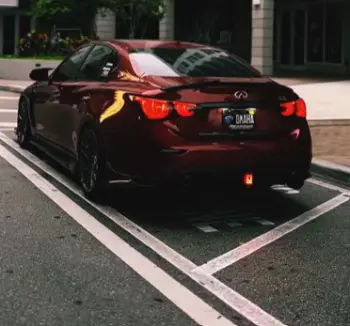
In a Q50 the experience feels calmer. The lights integrate so well with the body that many people only notice them when the sequential function activates.
Night driving remains clear and safe, yet the overall impression stays sophisticated rather than attention-seeking.
Parking-lot maneuvering benefits from the solid reverse output, and the installation process itself usually finishes faster than the equivalent C7 job.
From an analytical standpoint, the C7 lights win on raw visual impact and aftermarket creativity. The Q50 lights win on refined motion and lower entry cost.
Your choice depends on whether you prioritize the Corvette’s muscular signature or the Infiniti’s polished daily-driver polish.
Either way, LED technology has made both safer and more distinctive than the halogen days. I have tested multiple sets on both platforms over the years and consistently found that spending a bit more on sealed, well-reviewed units pays off in longevity and peace of mind.
The C7’s angular clusters reward owners who want the car to look ready for a track day even in the grocery store parking lot.
The Q50’s sequential flow rewards owners who prefer a quieter statement that still feels contemporary every time the turn signal activates.
Neither is objectively better across every metric; the right choice simply matches the car’s character and the driver’s priorities.
Aftermarket Brand Landscape
For the C7, names that consistently deliver solid feedback include Morimoto for optical performance, Auto Revitalization for sequential C8-style designs, and a handful of clear-lens specialists.
Lower-tier options appear on big marketplaces but often trade longevity for price.
On the Q50 side the field includes Diode Dynamics for clean module-based upgrades, various clear-lens specialists offering frosted and sequential sets, and a few companies focused on animated housings.
Staying with established sellers reduces the chance of fitment headaches or premature failure.
Installation And Ownership Notes
C7 owners should plan for careful alignment and a test of every function before buttoning everything up. Moisture checks after the first few rains are wise.
Q50 installs move quicker, yet the same moisture test remains useful because trunk and quarter-panel seals still matter.
Longevity depends more on build quality than platform. Sealed, well-made housings on either car last years with normal care. Avoid cheap sets that skip proper gaskets or use thin circuit boards.
Frequently Asked Questions (FAQ)
C6 units use classic round shapes while C7 units switched to angular rectangular LED clusters that match the newer body design.
Avoid the cheapest no-name sequential kits that lack proper seals; they often fog up and fail early.
They are aftermarket units designed to mimic the C8’s modern sequential LED look while fitting the C7 body and wiring.
Morimoto and similar established performance lighting brands consistently deliver reliable sealing, brightness, and fitment.
Wrapping Up
In the end I keep coming back to the same advice I give friends at the track or the local meetup. Pick the tail lights that match how you actually drive and how you want the car to feel when you walk up to it.
If the C7’s sharp aggression speaks to you, go sequential or C8-style and enjoy the extra presence. If the Q50’s cleaner sequential flow fits your daily routine better, that upgrade will still turn heads without overstatement.
Either path improves safety and style when you choose quality parts and install them carefully. You now have the practical breakdown to make the call that works for your garage and your roads.
Take the time to measure your current housings, check year-specific fitment, and read recent owner feedback before ordering. The right set will reward you every time you glance in the mirror or park under bright lights
Recent Posts
I tried Meltoway Hair Dissolving Cream because I wanted a quick way to deal with unwanted body hair without reaching for a razor every few days. If you are looking for a convenient at-home...
If you’re considering a saffron-based supplement to support mood, appetite control, and everyday wellness, Happy Saffron Plus is worth considering.I like that it takes a familiar botanical...