
If you want to protect outdoor wood while keeping its natural appearance visible, I think Cabot Clear Wood Protector is worth considering.
I like the idea of treating a deck, fence, siding, or other exterior wood without covering its character with a heavy opaque finish.
Based on what I look for in a wood protector, I would recommend considering this product if your priority is moisture resistance and a natural-looking finish.
However, your wood condition, exposure, and maintenance routine will affect the results you get.
My First Experience With Cabot Clear Wood Protector
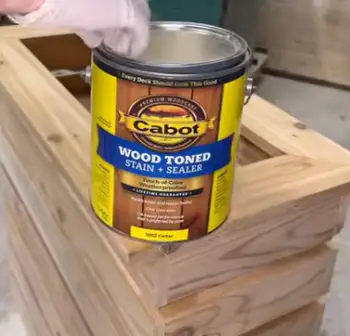
When I first consider an exterior wood protector, I pay attention to three things: how easily I can apply it, how the finished wood looks, and how well it handles outdoor exposure.
Those three factors matter more to me than simply seeing a long list of promises on a label.
My first impression of Cabot Clear Wood Protector is that it is designed for people who want protection without completely changing the appearance of their wood.
That is especially useful when I have attractive natural grain that I do not want to hide.
I prefer a finish that lets the wood still look like wood. A heavily pigmented coating can create a completely different appearance, while a clear protector gives me a more subtle result.
When I use a product like this, I want the grain, texture, and natural character to remain noticeable.
Application is another important part of my experience. Before I start, I make sure the surface is clean, dry, and free from loose dirt, mildew, old peeling material, and other contaminants. I have learned that even a good wood protector cannot compensate for poor preparation.
Once the surface is ready, I work in manageable sections. I pay attention to edges, joints, end grain, and areas where water tends to collect. These spots can become weak points if I rush through the application.
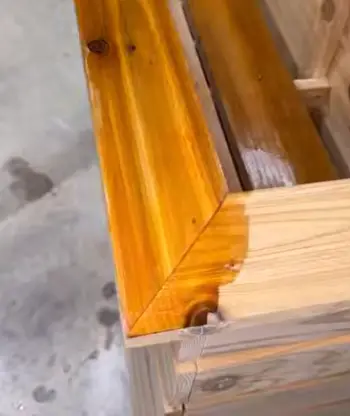
What I particularly appreciate about a clear protector is the visual result. Instead of giving the wood an entirely new color, it generally allows the original appearance to remain the main feature. Depending on the wood and existing finish, the treatment may slightly enrich the appearance, but it does not have the same visual impact as a strongly tinted stain.
I also consider how the wood feels afterward. For an outdoor deck, I do not want an unpleasantly sticky or overly heavy surface. I want the treatment to become part of a sensible maintenance routine rather than create another problem.
My experience also reminds me that no exterior coating is permanent. Sun, rain, snow, humidity, foot traffic, temperature changes, and standing moisture all affect outdoor wood. So I would not treat one application as a permanent solution.
Overall, I see Cabot Clear Wood Protector as a practical option for someone who wants to preserve a natural appearance while adding a protective layer to exterior wood.
Pros Of Cabot Clear Wood Protector
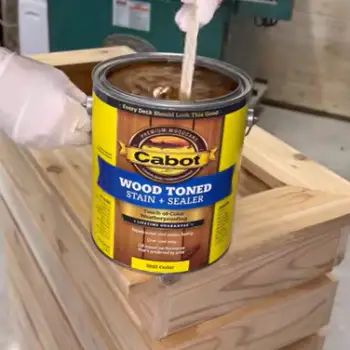
- Natural Appearance
The biggest attraction for me is the ability to maintain the wood’s natural character. If you have attractive cedar, pine, redwood, or another exterior wood, you may not want to cover its grain with a strong color.
A clear protector makes sense when your main goal is preservation rather than decoration. I can still appreciate the original grain instead of looking at a completely transformed surface.
This is particularly useful for homeowners who have recently installed new wood and want to maintain its appearance. Rather than immediately changing the color, a clear product can provide a more understated finish.
- Moisture Protection
Outdoor wood constantly deals with moisture. Rain, morning dew, humidity, snow, and accidental water exposure can all contribute to deterioration.
When I choose a wood protector, moisture resistance is one of the first things I consider. Keeping excessive moisture from penetrating the wood can help reduce some of the problems associated with repeated wetting and drying.
Of course, I would not expect any coating to make wood completely immune to water. Proper drainage, ventilation, and regular inspection still matter.
- Useful for Different Exterior Wood Projects
One advantage I look for in an exterior wood product is versatility. A protector becomes more useful when I can consider it for several appropriate outdoor wood surfaces instead of purchasing different products for every project.
Depending on the specific product directions and surface, a clear protector may be considered for applications such as decks, fences, siding, porches, and other exterior woodwork.
That flexibility can be convenient when I am maintaining several wooden areas around a property.
- Helps Preserve the Original Character
I do not always want my outdoor wood to look freshly painted. Sometimes the natural texture is the entire reason I chose wood in the first place.
That is where a clear protector has an advantage for my preferences. I can concentrate on protection while allowing the material’s original appearance to remain visible.
If you like rustic, natural, or traditional outdoor spaces, this characteristic may be especially appealing.
- Straightforward Maintenance Concept
I prefer exterior products that fit into a predictable maintenance routine. Once the surface is properly prepared and treated, I can periodically inspect it for fading, weathering, dirt accumulation, water problems, and areas that need attention.
That makes the product easier for me to understand as part of long-term wood care.
- Good Option for Natural-Looking Projects
If your project is built around the appearance of natural wood, I would consider a clear protector before automatically choosing a strongly colored stain.
The final appearance can depend heavily on the species, age, condition, previous treatment, and moisture content of the wood. Still, the basic concept makes sense when preserving natural aesthetics is a priority.
Cons Of Cabot Clear Wood Protector
- It Does Not Make Wood Maintenance-Free
This is probably the biggest limitation I would keep in mind. Applying a wood protector does not mean I can forget about the surface for years.
Outdoor wood continues to experience weather exposure. I still need to inspect it and respond when the finish begins to deteriorate.
- Surface Preparation Matters
If I apply the product over dirty, damp, moldy, or poorly prepared wood, I cannot expect the best result.
Preparation can sometimes take more time than the actual application. For me, that is an important consideration before starting a larger project.
- Clear Finishes Show the Existing Wood
A clear product preserves the natural appearance, but that can also mean it does not hide existing imperfections.
If the wood already has discoloration, stains, uneven weathering, or significant cosmetic damage, those characteristics may remain visible.
- Results Can Vary With Weather Exposure
A deck that receives intense sunlight and heavy rain may need attention sooner than a sheltered fence.
I would therefore avoid assuming that every application will last for exactly the same amount of time.
Maintenance For Cabot Clear Wood Protector
- Clean the Wood Regularly
I start with basic cleaning because accumulated dirt can make outdoor wood look older than it really is.
Leaves, mud, pollen, dust, and other debris can remain trapped against the surface and hold moisture. I remove this material regularly instead of waiting until the wood looks badly neglected.
For a deck, I pay particular attention to areas beneath furniture, planters, stairs, and corners. These places can collect debris while remaining easy to overlook.
- Watch for Water Problems
I regularly look for areas where water sits longer than it should.
Standing water is not something I want on an exterior wood surface. If I notice puddling, I investigate the cause instead of simply applying another layer of product.
Poor drainage can undermine even a well-maintained wood protection routine.
- Inspect the Finish
I do not wait for obvious deterioration before checking the wood.
Every so often, I examine the surface for changes in appearance, areas that seem more weathered, and spots where the protective finish appears to be wearing away.
This gives me a chance to address smaller problems before they become major restoration projects.
- Keep Gutters and Downspouts Working
This may seem unrelated to a wood protector, but it matters.
If a gutter constantly sends water onto a wooden deck, porch, fence, or siding, that area receives much more moisture than the rest of the surface.
I therefore keep gutters and downspouts clear and make sure water is directed away from wooden structures whenever possible.
- Trim Nearby Vegetation
Plants and trees can create shaded, damp conditions around exterior wood.
I keep branches and vegetation from remaining directly against wooden surfaces. Better airflow can help the area dry more effectively after rain.
This is especially important around fences and decks that already receive limited sunlight.
- Avoid Applying Over Damp Wood
Before treating wood, I make sure the surface meets the product’s preparation requirements.
Applying a coating when the wood is not appropriately dry can affect how evenly the product performs. I would rather wait for suitable conditions than rush the job because I want it finished immediately.
- Prepare Before Recoating
When it is time for maintenance, I do not simply add another coat over everything without inspection.
I first determine whether the surface needs cleaning, stripping, sanding, or other preparation. The right preparation depends on the condition of the existing finish and the manufacturer’s directions.
- Pay Attention to End Grain
End grain can absorb moisture differently from broad flat surfaces.
When I maintain exterior wood, I pay extra attention to exposed ends, cuts, joints, and other areas that may receive more moisture.
These small details can have a noticeable effect on long-term wood care.
- Keep Furniture From Trapping Moisture
Outdoor furniture, rugs, planters, and storage items can cover sections of a deck for extended periods.
I move these items periodically when practical so I can inspect the wood underneath. This also helps prevent certain areas from remaining damp or collecting debris unnoticed.
- Follow the Product Directions
This is the maintenance rule I consider most important.
Application rates, drying requirements, surface preparation, weather conditions, and recoat instructions can vary. I would always follow the directions supplied with the specific product I have rather than relying only on general wood-care advice.
Comparison Of Cabot Clear Wood Protector With Other Brands
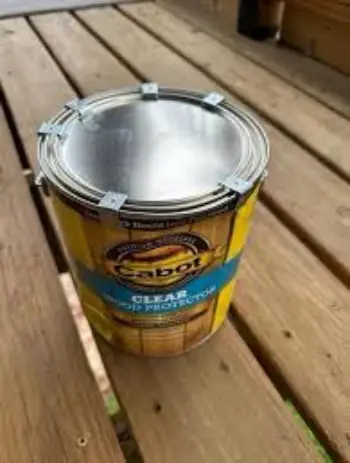
- Cabot Clear Wood Protector vs. Traditional Wood Stains
Traditional stains generally put more emphasis on adding or changing color, while a clear protector focuses more heavily on maintaining the natural appearance.
If I want my deck to have a noticeably different tone, I would consider a stain. If I want the wood itself to remain the visual focus, a clear protector makes more sense for my project.
- Cabot Clear Wood Protector vs. Semi-Transparent Stains
A semi-transparent stain gives me more color while still allowing some grain to show through.
That makes it useful when my wood has uneven coloration or when I simply want to refresh its appearance.
A clear protector is better suited to situations where changing the color is not my main objective. The choice therefore depends heavily on whether I prioritize appearance transformation or natural preservation.
- Cabot Clear Wood Protector vs. Water-Based Wood Protectors
Water-based products can appeal to people who prefer certain application and cleanup characteristics.
A clear protector may be more attractive to me when I am specifically looking for a particular type of exterior wood treatment and natural appearance.
I would compare drying characteristics, surface compatibility, durability expectations, application requirements, and cleanup before making a decision.
- Cabot Clear Wood Protector vs. Oil-Based Wood Treatments
Oil-based wood treatments have traditionally been popular for exterior wood because of the way they penetrate and condition certain surfaces.
If I am comparing an oil-based treatment with another type of protector, I look at the wood species, existing finish, desired appearance, maintenance requirements, and environmental conditions.
The best fit depends on the specific project rather than simply choosing one category for every situation.
- Cabot Clear Wood Protector vs. Other Clear Finishes
Clear finishes can differ considerably in appearance, durability, application method, and maintenance requirements.
For me, the main question is simple: do I want a product that keeps the natural character of the wood visible while providing exterior protection?
If that is my priority, Cabot’s clear approach is worth considering.
Frequently Asked Questions (FAQ)
Its service life varies with wood condition, weather exposure, traffic, and maintenance. Regular inspection helps determine when renewed protection is needed.
The exact formulation depends on the specific Cabot product version, so I recommend checking the label for the product you have.
Prepare the wood properly, ensure suitable surface and weather conditions, then apply it according to the product’s label directions and recommended coverage.
People commonly focus on its color, grain visibility, application experience, and durability, with results varying according to the wood and exposure conditions.
Final Thoughts
After considering how I would use it, Cabot Clear Wood Protector makes sense for homeowners who want outdoor wood protection without giving up its natural appearance.
I especially like the idea for decks, fences, and other projects where the grain is part of the appeal.
If that matches what you want, I would consider buying it, provided your wood is properly prepared and compatible with the product.
Just remember that regular cleaning, inspection, and timely maintenance still matter after application.
Recent Posts
I spent months comparing budget options against established names after my last set of tires wore out sooner than expected.My goal here is to share what I learned from putting Dextero and...
AquaTru Carafe Vs. Classic: Which Is Actually Fits Your Kitchen?
I decided to write this comparison after months of testing both the AquaTru Carafe and the Classic in my own kitchen. Tracking covered daily use.Taste stayed consistent. Refill frequency...