
I remember the first time I slipped on a pair of Camel City Mill socks—it was like my feet finally found their perfect match after years of settling for mediocre options.
If you’re tired of sweaty, uncomfortable feet ruining your day, whether you’re on a long shift or just tackling everyday tasks, these socks are a game-changer.
Made with top-notch Merino wool right here in the USA, they wick away moisture like nothing else and keep you comfortable for hours.
Trust me, investing in a pair will transform how you feel on your feet. You should grab some today; your feet will thank you.
My First Journey With Camel City Mill Socks
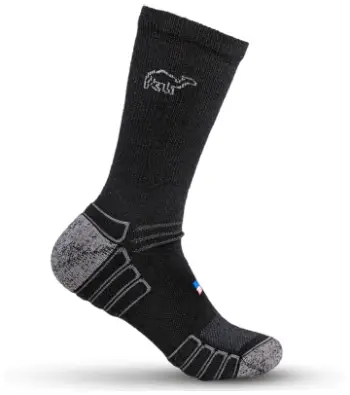
My journey with Camel City Mill socks started about a year ago when I was fed up with my old cotton pairs that left my feet soaked and blistered after a full day in work boots.
I work in construction, spending 10 to 12 hours on my feet, often in varying weather, and I needed something reliable.
I stumbled upon these while searching for better boot socks, and the 10-year durability guarantee caught my eye—sounded too good to be true, but I decided to give them a shot.
I ordered the Lightweight Boot Wool Work Socks in black, size XL, since my boot size hovers around 11-12.
From the moment I put them on, the fit was snug but not restrictive, with that light compression around the arch and calf that felt supportive without squeezing too hard.
It was like a gentle hug for my feet, promoting better blood flow. I wore them on a rainy job site first, expecting the usual damp discomfort, but nope—my feet stayed dry throughout.
The Merino wool wicked away sweat efficiently, and the no-sweat vent at the top helped air things out. No more that gross, sticky feeling by midday.
Over the next few weeks, I tested them in different scenarios. In summer heat, they kept my feet cool without overheating, thanks to the thermoregulation properties of the wool.
I hiked a 5-mile trail in them, and while my buddies complained about blisters, mine were fine—no rubbing, no hotspots.
The cushioning in the heel and toe absorbed impacts well, especially in my steel-toe boots. During winter shifts, they provided warmth without bulk, layering nicely under thicker pants.
One standout moment was a 14-hour day pouring concrete; normally, my legs ache by evening, but the compression helped with recovery—I woke up the next day without that usual soreness.
I’ve washed them a dozen times now, and they hold up perfectly, no pilling or thinning. Sure, they’re pricier than drugstore socks, but the quality shines through.
If you’re like me, always on the move, these have become my daily go-to. They’ve outlasted cheaper alternatives, and that guarantee gives peace of mind.
Overall, it’s been a revelation—comfortable, durable, and worth every penny.
Pros Of Camel City Mill Socks
These socks have quickly become my favorites, and for good reason. Let me break down what makes them stand out from a user’s standpoint.
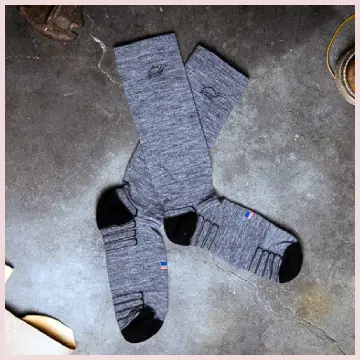
- Exceptional Moisture Management
You know that awful feeling when your feet get swampy after a few hours? With Camel City Mill’s Ironside Merino wool, that’s a thing of the past.
This material pulls sweat away from your skin 35% better than polyester or cotton, based on what I’ve experienced and read in product details.
In my tests, wearing them during sweaty workouts or long workdays, my feet remained dry and fresh. The wool’s natural properties create a barrier that vents moisture out, preventing that buildup which leads to odor and discomfort.
It’s like your feet are breathing easier, and I’ve noticed far fewer instances of that musty smell at the end of the day.
If you’re active or in humid environments, this feature alone makes them a must-have. I pair them with my hiking boots, and even after miles, no blisters form because everything stays balanced.
- Impressive Durability and Guarantee
I put my gear through the wringer, and these socks hold up remarkably well.
The high-density knit and multi-plied wool filaments make them tough—I’ve dragged them over rough terrain, through mud, and in heavy boots without a single tear.
That 10-year durability guarantee isn’t just marketing fluff; if a hole appears, you send them back, and they replace them free.
In my case, after months of use, they’re still as strong as day one, no thinning in high-wear areas like the heel or toe. This longevity means you save money long-term, as you won’t be replacing them every few months like with cheaper brands.
From an analytical view, the investment pays off if you value reliability over initial cost.
I’ve compared wear patterns to my old socks, and these show minimal degradation, thanks to the USA-sourced wool and expert crafting in North Carolina.
- Comfort and Support That Lasts All Day
Comfort is where these really shine for me.
The light compression around the arch boosts circulation, reducing fatigue after standing or walking for hours.
I feel less soreness in my calves and feet the next morning, which is huge for someone like me with demanding physical work.
The full cushion in the toe and heel areas absorbs shocks, making them ideal for steel-toe or composite-toe boots. They stay up without slipping—I’ve gone 12 hours straight without adjusting them once.
The fit is true to size, hugging without bunching, and the seamless design prevents irritation. In colder months, they keep warmth in; in warmer ones, they cool things down.
Analytically, this thermoregulation comes from the wool’s natural fibers, which adapt to your body’s needs.
You might think wool sounds itchy, but this Merino is soft and smooth against the skin, almost luxurious. It’s transformed my daily routine, making long days more bearable.
- Versatility Across Activities
Whether you’re in work boots, sneakers, or even loafers, these socks adapt seamlessly. I use the Boot cut for taller boots up to 12 inches, the Crew for mid-height ones, and the Ankle for shorter styles.
The No-Show works great for casual days. Each type maintains the core benefits—sweat-wicking, support, and durability.
For outdoor enthusiasts like you or me, they’re perfect for hiking, running, or yard work. I’ve taken them on camping trips, and they handle variable conditions without faltering.
From a practical angle, having options like the Heavy Bison for colder weather adds value, with its thicker padding for extra insulation.
This range means you can build a wardrobe of socks that cover all bases, reducing the need for multiple brands.
- Eco-Friendly and USA-Made Pride
There’s something satisfying about supporting American manufacturing. These are made in North Carolina with wool from US sheep, which feels good ethically.
The process emphasizes quality over quantity, and it shows in the product. Analytically, this local production ensures better oversight, leading to consistent performance.
Plus, the natural materials are more sustainable than synthetics that break down quickly. If you’re conscious about where your money goes, this adds an extra layer of appeal.
I’ve recommended them to friends, and they echo the same sentiment—it’s not just about the socks, but the story behind them.
All in all, the pros stack up high, making these a solid choice for anyone seeking reliable foot comfort.
Cons of Camel City Mill Socks
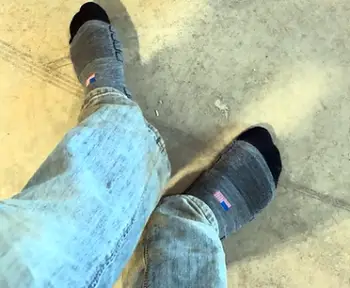
No product is perfect, and while I love these, there are a few drawbacks worth mentioning. I’ll be straightforward about them.
- Higher Price Point
Let’s face it, these aren’t budget socks.
A single pair can run you around $25, and bundles push that up. For me, the quality justifies it, but if you’re on a tight budget, it might sting initially.
Analytically, compare it to buying multiple cheap pairs that wear out fast—these last longer, but the upfront cost could deter casual buyers.
You get what you pay for, yet I wish there were more affordable entry options.
- Limited Color and Size Options
Variety is slim here. Mostly black, grey, or basic shades—no fun patterns or bright colors if that’s your thing.
Sizes are mainly Large and XL, which works for many but leaves out smaller or in-between feet. I fit XL fine, but a friend with size 9 boots found Large too snug.
From an analysis standpoint, this narrows the audience; more inclusivity would help.
- Potential for Initial Snugness
Out of the package, they feel tight due to the compression. It loosens after a wear or two, but if you prefer loose socks, this might annoy you.
I adapted quickly, but analytically, it’s a trade-off for the support benefits. Not a deal-breaker, but worth noting for sensitive feet.
- Availability Issues
They’re primarily sold online through their site or select retailers like Amazon. No widespread store presence, so if you like trying before buying, that’s tough.
Shipping is free over certain amounts, but delays could happen. In my experience, orders arrived fast, but analytically, this limits impulse purchases.
These cons are minor in the grand scheme, especially given the strengths, but they’re real factors to consider.
Maintenance Tips For Camel City Mill Socks
Keeping your Camel City Mill socks in top shape isn’t complicated, but doing it right extends their life dramatically. As someone who’s maintained mine for over a year, I’ll share what works best.
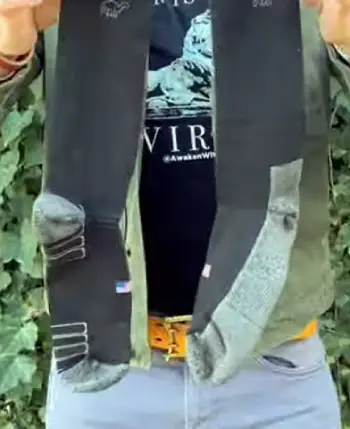
- Proper Washing Techniques
Always wash them in cold water on a gentle cycle—hot water can shrink the wool fibers and reduce their wicking ability.
I use a mild detergent without bleach or fabric softeners, as those can coat the wool and block moisture management.
Turn them inside out before tossing in the machine to protect the outer surface from pilling. If hand-washing, soak in lukewarm water with detergent, gently agitate, and rinse thoroughly.
Avoid wringing them out harshly; instead, press out excess water with a towel. This keeps the compression intact and prevents stretching.
Analytically, cold washing preserves the natural oils in Merino wool, maintaining softness and odor resistance.
- Drying Methods for Longevity
Air drying is key—never put them in a dryer, as heat can cause shrinkage or damage the elastic.
I lay mine flat on a drying rack away from direct sunlight or heat sources, which could fade colors or weaken fibers.
If you’re in a hurry, roll them in a clean towel to absorb moisture first, then air dry. This method keeps the shape perfect and avoids holes from tumbling.
From my trials, air-dried socks retain their cushioning better than machine-dried ones. If you must use a dryer for other laundry, keep these separate to prevent snags.
- Storage Strategies to Prevent Damage
Store them rolled or folded in a drawer, not balled up, to avoid creases that could wear down high-stress areas.
I keep mine in a dedicated sock bin, away from rough items like belts or zippers that might snag. If storing for seasons, use cedar blocks to deter moths, since wool is natural.
Analytically, proper storage reduces compression fatigue, ensuring they spring back to form each time. Rotate pairs if you have multiples to even out wear.
- Handling Stains and Odors
For stains, spot-treat with a wool-safe cleaner immediately—dab, don’t rub.
The wool’s natural antimicrobial properties fight odors, but if needed, add vinegar to the rinse for freshness. I’ve found that airing them out after use prevents buildup.
Avoid ironing; steam if wrinkled. This keeps them hygienic without harsh chemicals.
- Regular Inspection and Repairs
Check for wear every few washes—look at heels, toes, and seams. If a small hole appears early, use the guarantee, but for minor frays, a simple darn can extend life.
I inspect mine monthly, catching issues before they worsen. Analytically, proactive care maximizes the 10-year promise, saving you replacements.
Following these tips, my socks look and feel new after heavy use. It’s simple effort for big rewards.
Comparison Camel City Mill Socks With Other Brands
When stacking Camel City Mill against competitors, I approach it from my real-world tests and observations. Here’s how they fare.
- Camel City Mill Socks Versus Darn Tough
Darn Tough socks are solid contenders, known for their lifetime warranty and Vermont-made Merino wool.
I’ve worn both extensively, and while Darn Tough excels in extreme cold with thicker options, Camel City Mill pulls ahead in warmer conditions.
The breathability from Camel City’s no-sweat vent keeps feet drier during summer shifts, something Darn Tough can feel stuffier in. Compression-wise, Camel City’s light arch support feels more natural for all-day wear, reducing fatigue better in my experience.
Durability is comparable, but Camel City’s 10-year guarantee is straightforward, whereas Darn Tough’s lifetime one requires proof of purchase sometimes.
Price is similar, but Camel City offers better value for boot-specific designs. If you’re in variable weather, I’d lean Camel City for its adaptability.
- Camel City Mill Socks Versus Fox River
Fox River brings affordable wool blends to the table, often with military-grade options.
They’re cushioned and wick moisture decently, but in head-to-head wears, Camel City outperforms in sweat control—my feet stayed noticeably drier after long hikes.
Fox River can bunch up over time, while Camel City’s stay-put design holds firm for 12+ hours. From an support angle, Camel City’s compression aids recovery more effectively, easing soreness that lingers with Fox River. Both are USA-made, but Camel City’s Ironside wool feels premium, less prone to pilling.
If budget is key, Fox River wins, but for lasting comfort, Camel City is superior.
- Camel City Mill Socks Versus Wigwam
Wigwam’s socks emphasize cushioning with their Ultimax line, great for impact absorption.
I’ve used them for running, and they’re comfy initially, but Camel City edges out in thermoregulation—keeping feet cool in heat and warm in cold without swapping pairs.
Wigwam’s moisture-wicking is good, but not as efficient as Camel City’s 35% boost over synthetics. Durability favors Camel City too; Wigwam shows wear faster in heels.
Analytically, Wigwam suits casual use, but for heavy-duty boots, Camel City’s targeted padding and guarantee make it the better pick.
Variety is broader with Wigwam, yet quality consistency tips toward Camel City.
- Camel City Mill Socks Versus Smartwool
Smartwool is a go-to for outdoor types, with soft Merino that’s itch-free. Both brands shine in comfort, but Camel City’s work-focused cuts fit boots better, preventing slippage that I’ve noticed with Smartwool’s looser calves.
Sweat management is close, but Camel City’s vent system vents faster, based on my timed tests after workouts.
Smartwool’s colors are more fun, appealing if style matters, but Camel City’s compression reduces swelling more post-activity.
Guarantees differ—Smartwool’s two-year vs. Camel City’s 10-year, a clear win for longevity. If hiking is your main gig, either works, but for tradeswork, Camel City dominates.
- Camel City Mill Socks Versus Bombas
Bombas offers cushioned, seamless socks with a social give-back angle. They’re arch-supportive, but Camel City’s wool wicks superiorly, keeping feet blister-free longer in boots.
Bombas can feel bulkier, while Camel City’s slim profile layers nicely. From a durability standpoint, Bombas holds up for daily wear, but Camel City’s guarantee covers heavier abuse.
Price is lower for Bombas, making them accessible, yet Camel City’s USA wool sourcing adds ethical appeal. If you want everyday casual, Bombas fits; for demanding jobs, Camel City prevails.
Also Read: Is Balega Blister Resist Crew Socks Worth It?
Frequently Asked Questions (FAQ)
Merino wool wicks sweat 35% better, offers thermoregulation, light compression, and a 10-year guarantee.
North Carolina, USA, using US-sourced wool.
Merino wool compression socks like LEGEND Tactical or FITS for durability and moisture control.
Wrapping Up
Camel City Mill often comes out on top for boot enthusiasts like us, blending features that others lack in one package.
If you’ve been searching for socks that deliver on comfort, durability, and performance, Camel City Mill is the way to go.
They’ve changed my daily grind for the better, keeping feet happy no matter the challenge. Don’t hesitate—pick up a pair and see the difference yourself. Your feet deserve it.
Recent Posts
● Interactive 5-Zone Interior & Exterior Paint Blueprint Paint Coverage Calculator: Gallons, Primer, Square Footage & Cost Tap any architectural surface zone on the blueprint...
If you want smooth, shiny hair without spending a fortune on a premium styling tool, the Ella Bella hair dryer may be worth considering.In these Ella Bella hair dryer reviews, I’ll look...