
If your dog is constantly scratching and looking miserable, you need to try Finn Allergy and Itch. I’ve seen it transform my pup’s life, easing that relentless itch from allergies.
It’s packed with natural ingredients that support immune health and soothe skin issues. Don’t wait—pick it up today and watch your dog bounce back to happy, itch-free days.
You won’t regret giving them this relief.
My Personal Journey With Finn Allergy And Itch
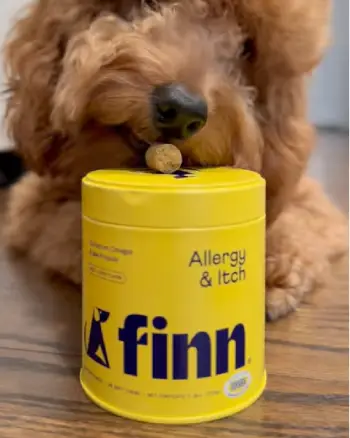
Let me tell you about the rollercoaster I’ve been on with my dog, Max.
He’s a lively Labrador mix, about five years old, and for the longest time, he was my shadow—always ready for a walk or a game of fetch. But then the itching started.
It began subtly, with him nibbling at his paws after our park visits. I thought it was just dirt or something minor, but soon it escalated. Max would scratch his sides until they were raw, and his belly turned pink from all the licking.
We’d be chilling on the couch, and suddenly he’d go into a frenzy, pawing at his ears like they were on fire.
It broke my heart seeing him so uncomfortable, and it disrupted our routine big time. No more peaceful evenings; it was all about trying to calm him down.
I took him to the vet, of course. They ran some tests and confirmed it was likely environmental allergies—pollen, dust, you name it.
The doc suggested meds like antihistamines, but they made Max drowsy, and honestly, I didn’t want him zonked out all day.
That’s when I started researching natural options. I stumbled upon Finn Allergy and Itch while scrolling through pet forums.
The reviews caught my eye—people raving about how it helped their dogs without the side effects of heavy drugs.
It sounded promising: soft chews with stuff like colostrum, bee propolis, and probiotics. Natural, vet-formulated, and dogs apparently loved the beef liver flavor.
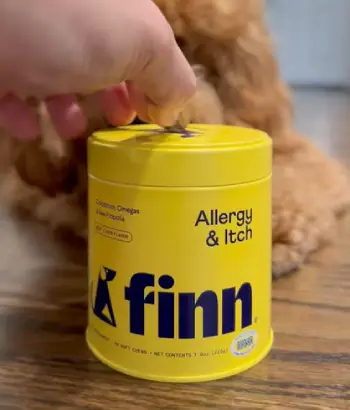
I ordered a canister right away. When it arrived, the packaging was sleek, like a premium treat jar. Max sniffed it curiously, and when I gave him his first chew, he gobbled it up like it was a steak.
No coaxing needed—that was a win already.
I started him on the recommended dose: two chews a day for his size. The first week, I didn’t notice much change.
He was still scratching, but maybe a tad less intensely. I reminded myself these things take time; it’s not a magic pill.
By week two, things shifted. Max’s paw licking decreased noticeably. We’d go for walks, and instead of coming home to scratch, he’d just flop down contentedly. His coat looked shinier too, which was a bonus.
I kept a journal to track it—day 10: less ear flapping; day 14: belly less red. It felt like we were turning a corner. Now, after a full month, Max is like a new dog.
The constant itching is gone; he sleeps through the night without waking up to gnaw on himself. Our playtime is back, and I feel like I’ve got my buddy in top form.
Sure, it’s not a cure-all—allergies can flare up—but Finn has made managing them so much easier. If you’re dealing with a scratchy pup like I was, give it a shot. You’ll see the difference in their energy and comfort. It restored our bond, making every tail wag mean more.
Pros Of Finn Allergy And Itch
You know, when I first tried Finn for Max, I was skeptical, but the benefits won me over quickly. Let’s break down what makes this supplement stand out from my experience and what I’ve heard from other dog owners.
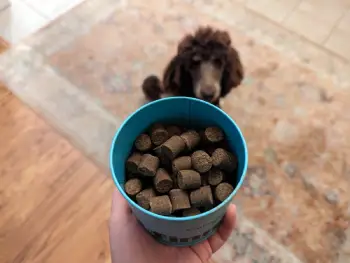
- Natural Ingredients That Actually Help
One thing I love about Finn is how it uses real, science-backed stuff without fillers. Colostrum boosts the immune system, helping your dog fight off allergens naturally.
Then there’s quercetin, which acts like a natural antihistamine to keep histamine levels in check—that’s what causes the itch.
Bee propolis adds antimicrobial power, soothing irritated skin. And don’t forget the probiotics and salmon oil; they support gut health, which ties into overall immunity. Max’s skin cleared up, and his coat got that healthy glow.
You can feel good knowing you’re not pumping your dog full of chemicals.
- Easy to Give and Dogs Love the Taste
Handing out pills? Forget it. These are soft chews that smell like beef liver, so Max thinks they’re treats.
I just toss one in his bowl or hand it over during training, and it’s gone in seconds.
No wrestling or hiding in food. If your dog is picky like some I’ve known, this makes daily dosing a breeze. It turns a chore into something fun for both of you.
- Supports Long-Term Health Beyond Just Itch
It’s not just about stopping the scratch; Finn builds up your dog’s defenses. The immune boost from colostrum and propolis means fewer flare-ups over time.
Max used to get hot spots seasonally, but after months on this, they’re rare. It also aids digestion—probiotics keep things regular, which indirectly helps skin issues since gut health affects everything.
You might notice your pup has more energy, a shinier coat, and even better breath. It’s like a multi-tool for pet wellness.
- Vet-Approved and Safe for Most Dogs
Finn is NASC-certified, meaning it meets high standards for quality. Vets formulate it, so I felt confident starting Max on it.
No major side effects in reviews or my case—just mild tummy upset at first for some dogs, which passes.
It’s grain-free, no corn or soy, perfect if your pup has sensitivities. For me, knowing it’s made in the USA with transparent sourcing gives peace of mind. You can chat with your vet, but many recommend similar natural approaches.
- Affordable and Convenient Subscription
Compared to vet visits or prescription meds, Finn is budget-friendly. A canister lasts a month or more, and subscriptions save you money with auto-delivery.
No running out mid-month. I set it up after the first jar, and it’s one less thing to worry about. Plus, their customer service is top-notch—if something’s off, they help fast.
All in all, these pros make Finn a game-changer. If you’re tired of seeing your dog suffer, this could be the relief you’ve been searching for.
I’ve expanded on this because it’s worth sharing how it holistically improved Max’s life, from daily comfort to overall vitality. Give it time, and you’ll likely see the same.
Cons Of Finn Allergy And Itch
Nothing’s perfect, right? While Finn worked wonders for Max, there are a few downsides I noticed that you should consider before jumping in.
- Takes Time to See Results
Don’t expect overnight miracles. It took about three weeks for Max’s itching to ease up noticeably.
Some dogs might need a full month or more, depending on their size, diet, and allergy severity.
If you’re dealing with a super itchy pup, you might need to pair it with other remedies initially. Patience is key, but it can be frustrating waiting.
- Not a Cure for Severe Cases
For mild to moderate allergies, it’s great, but if your dog has intense issues like chronic infections, Finn alone might not cut it.
Max’s were environmental, so it helped, but I’ve read reviews where owners still needed vet meds alongside. It’s supportive, not a replacement for professional care.
You might end up spending more if it doesn’t fully resolve things.
- Price Point Compared to Basics
It’s not the cheapest option out there. A canister runs around $30-40, and for larger dogs like Max, you go through it faster.
If you’re on a tight budget, generic fish oil or basic probiotics might seem more appealing at first.
But quality costs, and cheap alternatives often lack the targeted blend.
- Potential Mild Side Effects
A few dogs get loose stools when starting, thanks to the probiotics. Max had a day or two of that, but it settled. If your pup has a sensitive stomach, start slow.
Also, rare allergies to ingredients like bee propolis could happen—always watch closely.
- Limited Availability in Stores
You mostly buy online, which is fine for me, but if you prefer grabbing stuff locally, it’s not always easy. Shipping delays could mean a gap in dosing.
These cons are minor in my book, but they’re real. Weigh them against your dog’s needs.
Tips For Keeping Dog’s Allergies In Check
Once you start something like Finn, maintaining the gains is crucial. I’ve learned a lot managing Max’s issues, so let me share some detailed tips that have kept him comfortable long-term.
We’ll cover everything from daily routines to seasonal tweaks.
- Regular Grooming and Bathing Routines
Bathing your dog every 1-2 weeks with a gentle, hypoallergenic shampoo helps remove allergens like pollen from their coat.
I use oatmeal-based ones for Max—they soothe without stripping oils. Brush daily to distribute natural oils and spot issues early.
For paws, wipe them after walks with baby wipes to clear irritants. In allergy season, I add a leave-in conditioner with aloe to prevent dryness. This routine alone cut Max’s scratching by half.
- Dietary Adjustments and Supplements
Beyond Finn, focus on food. Switch to limited-ingredient diets if food allergies suspect—salmon or lamb-based for Max worked well.
Add omega-3s from fish oil if not in Finn; it reduces inflammation. Probiotics daily maintain gut balance, linking to skin health.
Avoid treats with fillers; opt for single-protein ones. Hydrate well—wet food helps if your dog drinks little. Track reactions with a food diary; it helped me pinpoint triggers.
- Environmental Controls at Home
Your home can be an allergy hotspot. Vacuum often with HEPA filters to suck up dust mites. Wash bedding weekly in hot water.
Use air purifiers in main rooms—Max’s itching dropped when I got one. Limit outdoor time during high pollen counts; early mornings are best.
For grass allergies, booties protect paws. Humidifiers in dry winters prevent skin cracking. These changes made our house a safe zone for Max.
- Monitoring and Vet Check-Ins
Keep an eye on symptoms—note patterns like more itching after parks. Weigh your dog monthly; weight affects dosing.
Annual vet visits for skin checks are musts. If flares happen, don’t wait—early intervention prevents infections. I use apps to log everything, making vet talks easier.
Flea prevention year-round is non-negotiable; even one bite can trigger itches.
- Exercise and Stress Management
Active dogs handle allergies better. Daily walks build immunity, but avoid grassy areas if that’s a trigger. Play indoors on bad days.
Stress worsens itching, so calm routines help—puzzles or chews for Max. Massage sessions relax him and check for hot spots. Consistency here keeps overall health up, supporting Finn’s effects.
These tips, combined with Finn, have kept Max itch-free for months. It’s about holistic care—dedicate time, and you’ll see your dog thrive. I’ve detailed this because small habits add up to big relief.
Comparing Finn Allergy And Itch To Other Brands
When I was shopping around for Max, I looked at several options. Here’s how Finn stacks up against some popular competitors, based on my research and trials.

- Finn allergy and itch Versus Zesty Paws Itch Relief Bites
Zesty Paws focuses on antioxidants like vitamin C and E, plus Alaskan salmon oil for omega-3s.
I tried these for Max briefly; they helped with coat shine but didn’t tackle his deep itching as well as Finn.
The flavor is lamb, which he liked, but the chews are harder, making them less appealing for picky eaters. Price-wise, similar, but Finn’s bee propolis gives it an edge for immune support.
If your dog’s issues are mild and skin-focused, Zesty might suffice, but for comprehensive allergy relief, I prefer Finn’s blend.
- Finn allergy and itch Versus Pet Honesty Allergy Support Chews
Pet Honesty uses colostrum and turmeric, aiming at inflammation and immunity. Max sampled these—his paw licking reduced, but not as fast as with Finn.
They have a salmon flavor, tasty enough, but some dogs get gassy from the turmeric. It’s cheaper per chew, great for budgets, yet Finn’s probiotics added gut benefits that Pet Honesty lacks.
Good for seasonal flares, but if you want all-around skin soothing, Finn feels more robust.
- Finn allergy and itch Versus Native Pet Allergy Chews
Native Pet packs probiotics and colostrum, similar to Finn, with a focus on gut-skin connection. I gave these a go; Max’s energy perked up, but itching lingered longer than with Finn.
Beef-flavored, easy to eat, and affordable. However, without quercetin, it didn’t manage histamine as effectively.
Ideal for digestive-linked allergies, but Finn’s propolis makes it better for environmental ones.
- Finn allergy and itch Versus Vet’s Best Seasonal Allergy Chews
Vet’s Best is vet-recommended, with nettles and perilla for natural relief. Tried on Max—mild improvement in sneezing, but scratching persisted.
Peanut butter taste won him over, and it’s budget-friendly. Lacks Finn’s immune boosters like colostrum, so not as holistic.
Fine for basic support, but if your dog needs deeper help, Finn outperforms.
- Finn allergy and itch Versus PetLab Co. Allergy & Immune Chews
PetLab includes beta-glucans and probiotics for immunity. Max responded okay, with less redness, but results took longer than Finn.
Pork flavor is a hit, and subscriptions are easy. A bit pricier, and some reports of tummy issues.
Strong on prevention, but Finn’s targeted itch relief via quercetin edges it out for acute cases.
In the end, Finn won for Max due to its balanced formula and quick results. Each brand has strengths, but think about your dog’s specific needs.
Also Read: Is Katherine Heigl Dog Food Worth It?
Frequently Asked Questions (FAQ)
Typically 2-4 weeks, varying by dog.
Finn Allergy and Itch stands out for natural relief.
Yes, highly rated for quality and vet formulation.
Omega-3s, bathing, antihistamines, or meds like Apoquel.
Wrapping Up
After all this, I stand by Finn Allergy and Itch—it’s brought peace to my home and joy back to Max. If your dog struggles with itching, grab it now.
You’ll thank yourself when you see that tail wagging without a scratch in sight. It’s worth every penny for their comfort.
Recent Posts
● Interactive 5-Zone Interior & Exterior Paint Blueprint Paint Coverage Calculator: Gallons, Primer, Square Footage & Cost Tap any architectural surface zone on the blueprint...
If you want smooth, shiny hair without spending a fortune on a premium styling tool, the Ella Bella hair dryer may be worth considering.In these Ella Bella hair dryer reviews, I’ll look...