
If your baby is struggling with sore gums, fussiness, and restless nights, Camilia teething drops may look like a convenient option worth considering.
In my view, they are worth investigating for parents who prefer a ready-to-use teething product, but I would not recommend buying them without checking the ingredients, safety information, and evidence behind their benefits.
These Camilia teething drops reviews explore how the product is intended to work, its potential advantages and drawbacks, how it compares with alternatives, and what you should know before giving it to your baby.
My First Experience With Camilia Teething Drops

When I evaluate a baby teething product, I focus on three things: safety, convenience, and whether it offers meaningful relief.
Teething can be exhausting for babies and parents alike. One moment, your little one seems perfectly happy; the next, they are chewing on everything, drooling more than usual, and becoming difficult to settle.
Camilia Teething Drops are marketed as an oral solution for symptoms associated with teething.
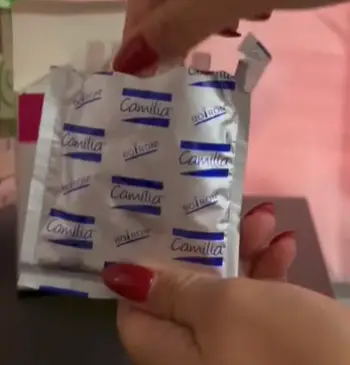
The product is commonly sold in small, single-use liquid doses, making it convenient for parents who want something portable and straightforward to administer.
However, packaging and product formulations can vary by market, so I would always check the exact product available where I live.
What makes Camilia different from many conventional teething products is its homeopathic formulation.
Rather than relying on a conventional pain-relieving medicine, it uses highly diluted ingredients traditionally associated with homeopathic remedies.
That distinction matters because a product’s traditional use does not automatically establish that it works, and homeopathic products should not be assumed to have the same evidence base as established medicines.
If I were considering Camilia for my baby, I would first identify the symptoms I wanted to address. Mild gum discomfort, increased drooling, and a desire to chew are common during teething.
A fever, significant diarrhea, persistent vomiting, or unusual lethargy should not automatically be blamed on emerging teeth.
I would also pay attention to the way the product is administered. Single-use doses can make measuring easier, but convenience alone does not establish safety or effectiveness. I would read the packaging carefully, verify the age guidance, and ask a pediatrician or pharmacist whether the formulation is appropriate for my child.
One important distinction in these reviews is that a product assessment is not the same as a personal clinical trial. I cannot claim to have administered Camilia to a baby or personally observed results. Instead, I am assessing its intended use, practical features, limitations, and the questions a careful parent should ask before purchasing it.
My overall approach is simple: I would consider Camilia only after checking its safety information and discussing any concerns with a qualified healthcare professional. I would also keep proven comfort measures at the center of my baby’s teething routine rather than depending on drops alone.
Pros of Camilia Teething Drops

- Convenient, Premeasured Doses
One of Camilia’s most practical features is its single-use packaging. Each vial contains a premeasured amount, so you do not have to estimate a dose with a separate measuring spoon or dropper.
For busy parents, this can make handling the product more straightforward. Small vials can also be convenient when traveling, visiting family, or spending the day away from home.
However, premeasured packaging does not eliminate the need to follow the label. You should confirm the correct age guidance, administration instructions, and maximum daily amount before using it.
- No Benzocaine or Lidocaine
Camilia’s advertised formulation does not contain benzocaine or lidocaine, two numbing ingredients associated with serious risks when used improperly for teething in young children.
This is an important distinction because numbing gels are not a good solution for infant teething. The FDA warns against using benzocaine products for teething pain in young children and also warns about the risks of oral lidocaine use in infants.
Still, the absence of these ingredients does not automatically establish that Camilia is effective or completely risk-free. I would evaluate the complete product, its labeling, manufacturing quality, and regulatory status rather than judging it by one ingredient alone.
- A Liquid Format That Is Easy to Administer
Some babies resist tablets, chewable products, or anything that requires pressure against their already tender gums. Camilia’s liquid format may be easier for a caregiver to administer than a solid product.
The small vial is intended to deliver the liquid directly into the baby’s mouth according to the package directions. You do not need to rub a gel into sensitive gum tissue.
Even so, your baby’s age and ability to swallow comfortably matter. I would follow the product’s specific instructions and ask a pediatrician or pharmacist if I were unsure whether it was appropriate for my child.
- No Added Sweeteners or Artificial Flavors in the Advertised Formula
The manufacturer’s US product information describes Camilia as free from added sweeteners, artificial flavors, dyes, and preservatives. Parents who prefer a product without these additions may consider that appealing.
I would not interpret this feature as proof that the remedy works better than alternatives. Nor would I assume every product sold under a similar name has identical ingredients. Checking the actual packaging is essential, especially when purchasing imported baby products.
- Straightforward Packaging for Caregivers
A simple administration process can be useful when several caregivers look after the same baby. Parents, grandparents, and babysitters can refer to the same package instructions rather than trying to measure an amount themselves.
I would still make sure everyone understands the dosing limits and knows when to stop using the product. Clear communication prevents accidental repeat doses and helps caregivers recognize when symptoms need medical attention.
- An Option Some Parents May Want to Discuss With a Pediatrician
Some families are interested in homeopathic products because they prefer remedies that differ from conventional medicines. Camilia may appeal to those parents because it is a purpose-made liquid product for teething symptoms.
However, personal preference and clinical effectiveness are separate matters. There is insufficient reliable evidence to conclude that Camilia provides meaningful teething relief beyond what might occur naturally or through soothing care.
I would consider a conversation with a healthcare professional more valuable than relying on reassuring packaging or testimonials. A pediatrician can help you choose an approach appropriate for your baby’s age, symptoms, and medical history.
Cons Of Camilia Teething Drops
- Effectiveness Is Not Established by Strong Clinical Evidence
This is the biggest drawback I see. Camilia’s claimed benefits are based on traditional homeopathic practice, not accepted medical evidence.
Teething discomfort often comes and goes. A baby may settle shortly after receiving a product because the discomfort naturally fluctuates, because they are being comforted, or because another soothing measure helps.
That timing alone does not prove the drops caused the improvement.
If you purchase Camilia expecting reliable, rapid pain relief, you may be disappointed. I would not make it the main strategy for managing significant discomfort.
- FDA Approval Is Not in Place
In the United States, Camilia is not FDA-approved for teething relief. The FDA states that no products labeled as homeopathic have been approved through its drug approval process.
This does not mean every homeopathic product has the same ingredients or risk profile. However, it does mean that parents should not mistake its availability in stores for FDA confirmation of its safety and effectiveness.
This point is especially important for babies, who cannot explain how they feel or describe a possible adverse reaction.
- Possible Allergic Reactions or Sensitivity
No product should be treated as automatically safe for every infant. Camilia’s label warns against use when a child has a known allergy to one of its ingredients.
If your baby develops a rash, swelling, breathing difficulties, or another concerning symptom after receiving any product, seek appropriate medical advice. Breathing difficulty or swelling involving the mouth or throat requires emergency care.
Do not give additional doses while trying to determine whether a reaction is related to the product.
- It Can Create False Confidence About the Cause of Symptoms
Parents understandably want to attribute fussiness to teething, particularly when their baby is drooling and chewing on objects. But not every episode of crying or disturbed sleep is caused by emerging teeth.
A significant fever, persistent diarrhea, repeated vomiting, unusual sleepiness, poor feeding, or signs of dehydration deserve medical attention rather than repeated teething treatment.
The manufacturer’s own labeling advises consulting a doctor if symptoms persist for more than three days or worsen, and if swelling, fever, or rash develops. For a very young infant or a baby who appears seriously unwell, do not wait three days to seek advice.
- Cost May Not Translate Into Meaningful Relief
Depending on the retailer and package size, buying individual-dose teething products can add up. If the remedy does not provide a clear benefit, the expense may be difficult to justify.
I would compare the price with the cost of simple comfort measures, such as a suitable chilled teething ring, and consider whether a pediatrician recommends any additional treatment.
My concern is not simply whether Camilia costs more or less than another brand. It is whether the evidence supports paying for the claimed benefit in the first place.
Maintenance Tips For Camilia Teething Drops
- Store the Vials According to the Label
Keep unopened Camilia vials in their original packaging and follow the storage conditions printed on the box. The manufacturer’s US instructions state that the product should not be refrigerated or frozen.
For that version, unused vials should remain in the foil pouch after opening the pouch and be stored for no longer than three months at a temperature not exceeding 77°F (25°C). Check the instructions on your own package, as the exact wording may differ.
Keep the product away from direct heat, moisture, and places where children can reach it. Do not use a product that has been stored improperly or whose packaging appears damaged.
- Inspect the Packaging Before Every Use
Before opening a vial, check that the carton, foil pouch, and individual container are intact. Do not use the product if the packaging appears tampered with, damaged, or contaminated.
Also check the expiry date. A product that looks normal is not necessarily suitable for use after its expiration date.
If you purchase Camilia from a local shop or an online seller, pay attention to the packaging language, manufacturer details, and authenticity. If you cannot verify what you have purchased, ask a pharmacist before giving it to your baby.
- Never Reuse an Opened Vial
Camilia’s instructions specify that an opened vial should be used immediately and then discarded. Do not save a partially used dose for later.
Reusing an opened container creates avoidable handling and contamination concerns. It can also make it harder to track how much your baby has received.
I would treat each vial as a single-use container and discard it after administration, even if a little liquid remains.
- Follow the Dosing Instructions Carefully
The US manufacturer’s instructions for Camilia Original recommend one dose at the onset of symptoms, with a repeat after 15 minutes if needed, up to nine doses in 24 hours. This is product-specific guidance, not a recommendation to use it for every baby.
Before following these directions, confirm the instructions on the package you actually have and discuss its use with your baby’s healthcare professional. Do not exceed the labeled amount, combine similar products casually, or assume that giving more will provide greater relief.
Keep a simple record of when a dose is given if multiple caregivers are involved. This can help prevent accidental duplicate doses.
- Use a Clean, Comfortable Teething Ring
A chilled teething ring can provide a physical sensation that soothes tender gums. Choose one designed for your baby’s age, inspect it for damage, and clean it according to the manufacturer’s instructions.
Use a refrigerator to cool the ring if its instructions allow it. Avoid freezing it unless the manufacturer specifically says it is suitable, because an excessively hard or cold ring may injure sensitive gums.
Never tie a teething ring around your baby’s neck or leave the baby unattended with a product that could pose a choking risk.
Comparison Of Camilia Teething Drops With Other Brands

- Camilia vs. Hyland’s Baby Teething Products
Camilia and Hyland’s have both been associated with homeopathic teething remedies, but you should not assume their ingredients or safety profiles are identical.
Camilia Original is a liquid containing homeopathic preparations of Chamomilla, Phytolacca decandra, and Rheum.
Hyland’s has sold various teething products over time, and its historical formulations have included products that raised FDA safety concerns, including recalled teething tablets containing inconsistent amounts of belladonna alkaloids.
I would check the exact product and current labeling before comparing them. Neither brand should be assumed effective simply because it is marketed for babies, and historical product names are not a substitute for verifying current availability and formulation.
- Camilia vs. Orajel Teething Products
Orajel is associated with oral care products, including numbing products that have historically contained benzocaine. Camilia’s advertised US formula does not contain benzocaine.
That difference is important, but it does not establish that Camilia is a proven alternative. The FDA advises against using benzocaine products for teething pain in young children because of serious safety risks.
For a teething baby, I would avoid benzocaine-containing numbing products and choose simple comfort measures first. If your child appears to be in significant pain, consult a pediatrician about age-appropriate options.
- Camilia vs. Conventional Pain Relievers
Conventional pain relievers differ from homeopathic products because their active ingredients, dosing, and intended effects are evaluated through established drug-development processes when appropriately authorized.
Depending on a child’s age, weight, and circumstances, a pediatrician may recommend a suitable pain reliever. Acetaminophen, for example, may be considered in certain circumstances, while ibuprofen is generally not recommended for children younger than six months unless a healthcare professional advises otherwise.
I would never guess a dose or use an adult product for an infant. Ask a pediatrician or pharmacist for guidance, particularly if your baby is very young or has other medical conditions.
- Camilia vs. Chilled Teething Rings
A chilled teething ring is one of the simplest alternatives to consider. It provides a cool surface for your baby to chew on, which may temporarily soothe tender gums without requiring an oral remedy.
Camilia, by contrast, is a homeopathic liquid whose effectiveness for teething relief has not been established by accepted medical evidence.
I would favor a properly designed, age-appropriate teething ring as an initial comfort measure, provided it is used under supervision and according to its instructions. It is inexpensive to maintain, reusable when cleaned properly, and does not involve administering a medicine.
- Camilia vs. Gentle Gum Massage
Gentle gum massage is another practical option. With clean hands, a caregiver can apply light pressure to the gums to help soothe discomfort.
Unlike Camilia, gum massage does not require purchasing a remedy or following a medicinal dosing schedule. Its usefulness depends on the baby’s comfort and willingness to tolerate it.
Neither method is guaranteed to work for every child. I would start with gentle comfort measures and speak to a healthcare professional if the symptoms are severe or persistent.
Also Read: Is Enovid Nasal Spray Worth It?
Frequently Asked Questions (FAQ)
Camilia is marketed for infants, but it is not FDA-approved, and its effectiveness and safety have not been established through FDA approval. Check the label and consult your pediatrician before using it.
There is insufficient reliable clinical evidence to establish that Camilia effectively relieves teething symptoms. Some parents report benefits, but those experiences do not prove effectiveness.
No. Camilia is a homeopathic product and is not FDA-approved for teething relief in the United States.
There is no established, evidence-based onset time for relief. The manufacturer’s directions mention repeating a dose after 15 minutes if needed, but that interval does not prove the product works within 15 minutes.
Wrapping Up
My verdict on Camilia teething drops is cautious. Their premeasured liquid format may appeal to parents, but their effectiveness remains unproven, and they are not FDA-approved.
I would prioritize gentle gum massage, suitable chilled teething rings, and pediatric guidance over relying on homeopathic drops.
If you are considering purchasing Camilia, first discuss it with your baby’s healthcare professional and verify the exact product label.
Your baby’s safety and reliable relief matter more than any product’s marketing claims.
Recent Posts
If you need a warm, comfortable, and reasonably priced sleeping bag for camping, backpacking, or chilly nights outdoors, the TETON Celsius sleeping bag deserves a closer look. I like its...
If you spend long shifts on your feet, choosing the right nursing shoes can make a real difference to your comfort and energy.In my view, Nurse Babe shoes are worth considering if you want...