
If you need a warm, comfortable, and reasonably priced sleeping bag for camping, backpacking, or chilly nights outdoors, the TETON Celsius sleeping bag deserves a closer look.
I like its rectangular design, roomy sleeping space, and focus on warmth without the premium price of some high-end outdoor gear.
If you want a practical sleeping bag for family camping, car camping, or occasional cold-weather adventures, I recommend considering the TETON Celsius.
Just make sure its temperature rating matches your actual camping conditions before buying.
My First Experience With The TETON Celsius Sleeping Bag
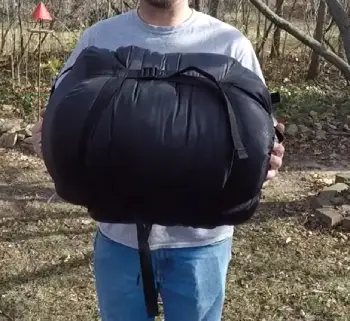
When I evaluate a sleeping bag, I look beyond its advertised temperature rating.
I want to know whether I can sleep comfortably, move around without feeling restricted, and stay warm when temperatures drop overnight. The TETON Celsius stands out because it prioritizes comfort and usable space rather than an ultralight design.
The first thing I appreciate about this sleeping bag is its rectangular shape. Traditional mummy sleeping bags taper toward the feet, which can make side sleeping and changing positions uncomfortable.
The Celsius offers a roomier alternative, making it appealing if you like to stretch your legs, bend your knees, or sleep in different positions.
Its overall design suits people who spend weekends at established campsites, travel by car, or enjoy outdoor adventures without carrying every piece of equipment on their backs.
If you camp with children or occasionally share a tent with family members, the spacious shape can make bedtime feel less restrictive.
Another feature I consider important is insulation. TETON Sports sells Celsius models with different temperature ratings, including versions marketed for cold-weather camping.
The exact construction and features vary by model, so I would check the specifications of the particular bag before assuming every Celsius offers the same warmth.
I also like the practical approach to comfort. A sleeping bag should be easy to unzip, climb into, and adjust when the temperature changes.
The Celsius design generally emphasizes convenience, with a rectangular shape and a full-length zipper arrangement on applicable models.
However, I would not automatically treat a sleeping bag advertised for freezing temperatures as a guarantee of warmth in every situation. Your sleeping pad, clothing, tent, humidity, wind exposure, and personal sensitivity to cold all affect how comfortable you feel overnight.
For example, if I were camping on a chilly autumn evening, I would pair a suitably rated Celsius bag with an insulated sleeping pad and dry base layers. That combination would be more sensible than relying on the sleeping bag alone.
Weight is another consideration. The Celsius is generally better suited to car camping and situations where you do not need to minimize every ounce. Some versions can feel bulky compared with specialized backpacking bags, particularly when packed with other camping equipment.
My overall impression is that the TETON Celsius makes the most sense for campers who prioritize warmth, space, and value. If you want a roomy sleeping bag for regular campsite use rather than a compact bag for long-distance hiking, it is a model worth comparing with alternatives.
Pros Of The TETON Celsius Sleeping Bag
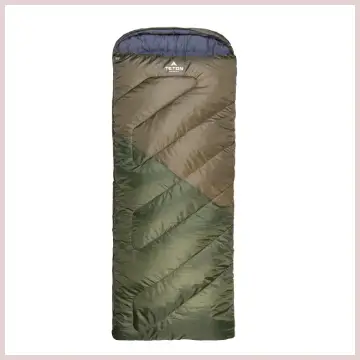
- Comfortable Sleeping Space
Comfort is one of the strongest reasons I would consider the Celsius. Its rectangular construction gives you more room to shift positions than many tapered sleeping bags.
If you sleep on your side, move frequently during the night, or dislike having your feet confined, that extra space can make a noticeable difference. You can stretch out rather than constantly adjusting the fabric around your legs.
This design also appeals to casual campers who want something closer to a comfortable bed than a tightly fitted outdoor cocoon. For weekend camping, that can be a major advantage.
Of course, a roomy sleeping bag is not automatically the warmest option. If you prioritize warmth in extreme cold, compare its fit and insulation with those of a properly sized mummy bag.
- Useful Warmth for Cold-Weather Camping
The Celsius range includes models intended for colder conditions, which makes it attractive to campers who need more insulation than a basic summer sleeping bag provides.
I appreciate the emphasis on warmth because nighttime temperatures can drop unexpectedly, especially during shoulder-season camping trips. Having suitable insulation can help you sleep better and enjoy the experience instead of spending the night shivering.
Still, I would choose a specific Celsius model based on the temperatures I expect rather than assuming the entire range performs identically.
Your sleeping pad matters just as much as the bag’s insulation when you are sleeping on cold ground. A high-quality sleeping bag cannot fully compensate for inadequate insulation underneath your body.
- Good Value for Recreational Campers
TETON Sports is known for offering outdoor equipment aimed at recreational users, and the Celsius range appeals to shoppers seeking practical features without automatically moving into premium-priced gear.
For someone who camps several weekends each year, the value proposition can be compelling. You may prefer spending less on a sleeping bag and allocating part of your budget to a suitable sleeping pad, tent, headlamp, and other essentials.
I would compare the exact model’s price, construction, packed size, and warranty terms before deciding whether it represents good value. A low purchase price matters less if the bag does not suit your climate or travel needs.
- Suitable for Car Camping and Family Trips
If you drive to your campsite, a heavier sleeping bag is often less of a problem. You can transport it in your vehicle and unpack it when you arrive.
The Celsius makes sense for this style of camping because its roomy shape and insulation are practical for overnight trips, family holidays, and established campsites.
I would also consider it for a guest room or emergency bedding when its size and temperature rating suit the intended use. However, I would not choose a bulky Celsius model as my first option for a long backpacking trip.
- A Practical Choice for Different Sleeping Positions
Some campers naturally curl up, while others stretch their legs or sleep on their sides. A rectangular bag accommodates these habits more easily than many narrow designs.
I consider this a real benefit because discomfort can make even a warm sleeping bag unpleasant. If you are constantly fighting the shape of your bag, you may struggle to get a restful night’s sleep.
The Celsius is especially appealing if freedom of movement matters more to you than achieving the smallest possible packed size.
Cons Of The TETON Celsius Sleeping Bag
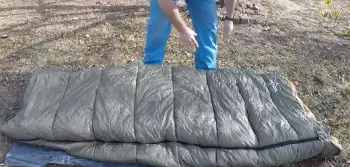
- Bulky for Backpacking
The Celsius’s roomier construction and insulation can make it less convenient to carry than lightweight backpacking bags.
If you need to fit your sleeping bag, food, water, clothing, and shelter into a single backpack, every bit of packed volume matters. A bulky sleeping bag may take up space you would rather use for other essentials.
I would choose it for car camping and short approaches to campsites, but compare lighter alternatives if long-distance hiking is your main activity.
- Rectangular Bags Can Lose Heat More Easily
Extra space improves comfort, but it also leaves more air inside the sleeping bag that your body needs to warm.
In cold conditions, a fitted mummy bag may provide better thermal efficiency because it reduces unused space around your body. The Celsius’s rectangular shape is therefore a trade-off rather than an unconditional advantage.
If you regularly camp in freezing weather, pay close attention to the temperature rating, draft protection, and insulation design of the specific model.
- Temperature Claims Require Careful Interpretation
A temperature printed on a product label does not guarantee that every sleeper will feel comfortable at that temperature.
Some people naturally sleep warm, while others need extra insulation. Wind, moisture, clothing, fatigue, and ground temperature also influence overnight comfort.
I would rather select a bag with an appropriate safety margin than depend on its lowest advertised rating. For winter camping, test your sleep system in manageable conditions before relying on it in a remote environment.
- Not Every Model Has the Same Features
The Celsius name covers multiple sleeping bag configurations. Temperature ratings, materials, dimensions, zipper arrangements, and other details can differ.
This makes it important to read the specifications for the exact model you plan to purchase. Do not assume a review of one Celsius bag describes every other version.
- May Feel Too Warm in Mild Weather
A bag designed for cold weather can become uncomfortable on warm summer nights. Even when you unzip it, the insulation may feel excessive if temperatures remain high.
If you camp throughout the year, consider whether one sleeping bag can realistically cover your entire temperature range. In some cases, owning a lightweight summer bag and a separate cold-weather bag makes more sense.
Maintenance Tips For The TETON Celsius Sleeping Bag
Proper maintenance can help preserve insulation, reduce unpleasant odors, and extend the useful life of your sleeping bag. I would make these habits part of every camping trip rather than waiting until the bag looks dirty.
- Air Out the Bag After Every Trip
Moisture builds up inside a sleeping bag through perspiration and normal breathing. Even when the fabric looks dry, some moisture can remain in the insulation.
After returning from camp, I would open the bag fully and let it air out in a dry, shaded, well-ventilated area. Make sure both the inside and outside have time to dry.
Avoid leaving the bag packed tightly in a vehicle for days after a trip. Warm, humid conditions can encourage unpleasant odors and, if moisture persists, mold growth.
Before storing it, check the foot area, hood if present, seams, and zipper region for dampness.
- Follow the Care Label When Washing
Do not assume that every sleeping bag can be washed in the same way. The correct method depends on the specific insulation, outer fabric, and manufacturer’s instructions.
I would inspect the care label before using a washing machine. If machine washing is permitted, use the recommended cycle and detergent, and ensure the machine is large enough to avoid crushing the bag.
Harsh detergents, bleach, and fabric softeners can damage materials or interfere with insulation performance. Hand washing may be suitable for some models, but the label should guide your decision.
If the bag is expensive or heavily soiled, professional cleaning that specializes in sleeping bags may be the safer choice.
- Dry It Completely Before Storage
Drying is one of the most important maintenance steps. Moist insulation may lose some of its insulating effectiveness, while prolonged dampness can create odors and encourage mold.
Follow the product’s drying instructions carefully. If tumble drying is allowed, use the specified temperature and check the bag periodically to prevent overheating.
Do not put a damp sleeping bag away simply because the outer fabric feels dry. The insulation inside can retain moisture longer than you expect.
I would rather allow extra drying time at home than discover a musty bag when preparing for the next camping trip.
- Avoid Long-Term Compression
Compression sacks are useful when transporting sleeping bags, but keeping insulation compressed for extended periods can be undesirable.
When you return home, remove the Celsius from its travel sack and store it loosely in a large breathable storage sack or another arrangement recommended by the manufacturer.
A spacious storage location helps the insulation maintain its loft. Avoid sealing a damp bag in an airtight container.
If you have limited closet space, make sure the storage area is dry and does not expose the bag to extreme heat or direct sunlight.
- Protect the Zipper and Seams
Zippers can snag on loose fabric, and forcing them can damage the teeth or slider. I would use steady pressure and gently free trapped fabric instead of pulling harder.
Keep dirt, sand, and small twigs away from the zipper track. After camping on dusty ground, inspect the zipper and brush away loose debris before packing the bag.
Check the seams periodically for loose threads, small tears, or signs of insulation escaping. Addressing minor problems early can prevent more extensive repairs later.
Comparison Of TETON Celsius With Other Sleeping Bag Brands
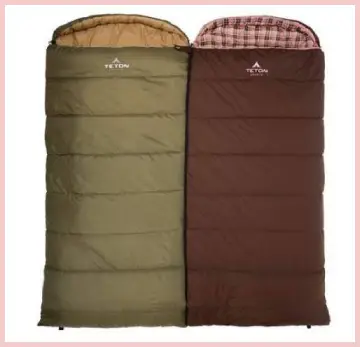
- TETON Celsius vs. Coleman Sleeping Bags
Coleman is a familiar choice for family camping and recreational outdoor trips. Its sleeping bag range includes options for different temperatures, budgets, and sleeping preferences.
The TETON Celsius is appealing if you prioritize a roomy design and are considering one of TETON’s colder-weather models.
Coleman may be worth considering if you want a straightforward bag for occasional camping and can find a model with the right temperature rating.
I would compare the exact dimensions, insulation, weight, and care instructions instead of assuming one brand is always warmer or more durable.
- TETON Celsius vs. REI Co-op Sleeping Bags
REI Co-op offers sleeping bags across recreational and more technical outdoor categories. Depending on the model, you may find options designed to balance warmth, weight, packability, and fit.
I would lean toward comparing REI’s lightweight or technical models if backpacking is a major priority. Their designs may suit people who need to reduce the weight and bulk of their gear.
The Celsius remains worth considering if you prefer a roomier rectangular bag for campsite use. Your choice should reflect whether mobility and comfort or compactness and thermal efficiency matter more.
- TETON Celsius vs. Kelty Sleeping Bags
Kelty offers sleeping bags for different outdoor activities, including camping and backpacking. Its range provides an alternative for people comparing traditional rectangular bags with more fitted designs.
I would look at Kelty if you want to explore options with different shapes and portability levels. Some models may better suit hikers who need a lighter sleep system.
TETON Celsius can be the more appealing option when its spacious interior and cold-weather features match your needs. Compare model-specific prices and specifications before deciding which provides better value.
- TETON Celsius vs. Marmot Sleeping Bags
Marmot is worth considering if you are shopping for sleeping bags aimed at technical outdoor use. Certain models emphasize thermal performance, reduced weight, and compact packing.
If you camp in challenging conditions or carry your equipment over long distances, I would compare Marmot’s relevant models with the Celsius carefully. A more specialized design may be worth the additional cost if it matches your needs.
For car camping, however, the benefits of a lightweight technical bag may matter less than comfort and affordability. The Celsius can remain a sensible option when its size and temperature rating fit your camping style.
Also Read: Is YNM Weighted Blanket Worth It?
Frequently Asked Questions (FAQ)
TETON sleeping bags offer practical features and options for different camping needs. Their value depends on the model, temperature rating, and intended use.
Popular choices to compare include models from TETON Sports, Coleman, REI Co-op, Kelty, Marmot, The North Face, Big Agnes, Sea to Summit, NEMO, and Mountain Hardwear. The best choice depends on your budget and conditions.
TETON Sports is a recognized outdoor gear brand offering sleeping bags and other camping equipment. Check individual product specifications, warranty terms, and user feedback before buying.
Buyers commonly evaluate its warmth, roomy design, comfort, weight, and value. Experiences vary with the specific model, weather conditions, and sleeping setup.
Wrapping Up
I recommend considering the TETON Celsius sleeping bag if you want a roomy, comfortable option for car camping and chilly outdoor nights without automatically paying for premium backpacking equipment.
Its rectangular design and cold-weather models are appealing, but weight, packed size, and temperature-rating limitations deserve attention.
Before you buy, match the exact model to your expected overnight temperatures and pair it with an appropriate sleeping pad.
If comfort and practical value are your priorities, the Celsius could be a worthwhile addition to your camping gear.
Recent Posts
If your baby is struggling with sore gums, fussiness, and restless nights, Camilia teething drops may look like a convenient option worth considering.In my view, they are worth investigating for...
If you spend long shifts on your feet, choosing the right nursing shoes can make a real difference to your comfort and energy.In my view, Nurse Babe shoes are worth considering if you want...