
I have been cooking outdoors for years, and nothing beats firing up a solid camp stove when feeding a hungry group at the campsite or backyard gathering. In this article, I share my honest thoughts on the Camp Chef Pro 16 versus Tahoe 16 to help you decide which one fits your needs better.Both deliver powerful performance with three burners, but they shine in slightly different ways for portability, stability, and everyday use. I break down their key features, share real-user experiences, and weigh the pros and cons so you can choose confidently.
I remember the first time I unboxed my Camp Chef stove system. The solid build immediately stood out, with those powerful burners promising reliable heat no matter the wind. Both the Pro 16 and Tahoe 16 come from the same family of 16-inch three-burner cooking systems. They share the same 90,000 BTU total output from three 30,000 BTU cast aluminum burners. This power level handles everything from searing steaks to simmering sauces or boiling water fast for pasta or coffee.
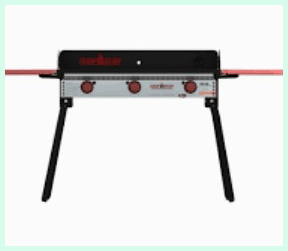
The Pro 16 feels tailored for campers who move around a lot. It includes folding legs that collapse down for easier transport in a vehicle or storage at home. The burner housing helps limit hot and cold spots while adding extra wind protection. Many users pair it with the optional professional flat top griddle that fits perfectly over two burners, leaving the third free for a pot or skillet. This setup gives versatility when you want to griddle breakfast while brewing coffee on the side.
The Tahoe 16 leans toward stability for bigger cooking sessions. It stands at a convenient 30-inch cooking height, which reduces back strain when stirring large pots or flipping food for a crowd. The three-sided windscreen works well outdoors, and the overall frame supports heavy cookware without wobbling. Both models include matchless ignition on each burner, fully adjustable heat-control dials, and a regulator with hose for standard propane tanks.
They also accept many Camp Chef accessories like side shelves, tool racks, or covers.When I compare the two side by side, the differences come down to how you plan to use them most. The Pro 16 edges out in portability thanks to its folding design and slightly more compact packed size. The Tahoe 16 wins for stationary setups where you cook big meals without worrying about the stove shifting under weight. Heat distribution stays even on both because of the burner housing design. You rarely deal with major hot spots if you preheat properly.
I have used similar Camp Chef systems on weekend camping trips, family reunions, and even tailgating events. The power lets me cook eggs, bacon, pancakes, and hash browns all at once on a griddle top while keeping chili warm on another burner. Friends always comment on how restaurant-quality the food tastes compared to basic camp stoves. The even heat means no more burned edges with raw centers.
A Brief Comparison Table
| Feature | Camp Chef Pro 16 | Camp Chef Tahoe 16 |
| Burners | Three cast aluminum 30,000 BTU each | Three cast aluminum 30,000 BTU each |
| Total BTU Output | 90,000 BTU | 90,000 BTU |
| Cooking Surface Area | 608 sq in | 608 sq in |
| Design Focus | Portable with folding legs and wind protection | Stable for large groups with higher cooking height |
| Weight | Around 56-63 lbs | Around 47 lbs |
| Best For | Camping trips needing quick setup | Big feasts and heavy pots |
My Experience With Camp Chef Pro 16
I first tried the Pro 16 during a week-long family camping trip in the mountains. Setting it up took under five minutes once I learned the folding legs.
We cooked breakfast for eight people every morning with eggs, sausage, and pancakes on the griddle while coffee brewed on the side burner.
The windscreen kept flames steady even on gusty mornings near the lake.
The 90,000 BTU output never left me waiting long for water to boil or food to sear. Heat felt even after preheating for ten minutes, and I could move pans around without major temperature differences.
Cleaning at the end of each day was straightforward when done while still warm. I appreciated the matchless ignition because wet matches would have been frustrating after rain.
One evening we faced stronger winds than expected, but the burner housing protected the flames enough to finish grilling chicken and vegetables.
The stove felt stable with multiple heavy cast iron pans loaded on top. Transport back home was easy once everything folded down and fit neatly in the truck bed.
Over multiple seasons, the Pro 16 has become my go-to for most outings. Minor scuffs from rough handling have not affected performance.
I added a couple of side shelves that expanded workspace nicely for chopping ingredients right beside the heat.
Friends who own different brands often borrow mine because of the reliable power and versatility.
The only times I wished for something different were during ultra-light backpacking trips where weight mattered more than cooking capacity.
For car camping or backyard use, it strikes an excellent balance. I have recommended the Pro 16 to several buddies who wanted an upgrade from basic two-burner setups, and they report similar satisfaction after their first few uses.
Pros Of Camp Chef Pro 16
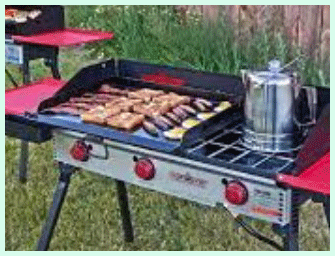
- Powerful Heat Output: The three 30,000 BTU burners deliver 90,000 BTU total, which boils water quickly and sears meat with excellent results even in cooler weather. You feel confident tackling any recipe outdoors.
- Portable Folding Legs: These legs fold down neatly, making the stove easier to pack into a car trunk or store in a garage without taking up much room. Campers who travel frequently appreciate this feature.
- Wind Protection Features: The burner housing and three-sided windscreen keep flames steady on breezy days. I have cooked successfully when light winds would have extinguished lesser stoves.
- Versatile Burner Setup: You can use a flat top griddle over two burners while keeping the third open for pots, pans, or even a kettle. This flexibility turns one appliance into multiple cooking stations.
- Matchless Ignition System: Each burner lights reliably with a simple turn of the dial. No more fumbling with matches or lighters when hands are cold or wet.
- Even Heat Distribution: The cast aluminum burners and housing design minimize hot and cold spots. Food cooks uniformly across the surface after a proper preheat.
- Accessory Compatibility: The Pro 16 works with a wide range of Camp Chef add-ons like side shelves for extra prep space, paper towel holders, and protective covers. You can customize it to your exact needs.
- Durable Construction: The overall build feels solid and ready for repeated use on camping adventures. Many owners report years of reliable service with basic care.
- Quick Setup And Breakdown: Folding components and straightforward design mean you spend less time assembling and more time enjoying the meal. This matters when setting up camp after a long drive.
- Great Value For Camping: At typical price points, especially during sales at retailers like Costco, the Pro 16 offers strong performance without breaking the bank for most outdoor enthusiasts.
- Compact When Packed: The collapsed size fits better in smaller vehicles or storage spaces compared to bulkier alternatives. I can slide it alongside tents and coolers easily.
- Reliable For Group Cooking: It handles meals for six to eight people comfortably, with enough surface area and power to keep multiple dishes going simultaneously.
Also Read: Comparison of Brita Elite And Standard
Cons Of Camp Chef Pro 16
- Heavier Than Some Compact Models: At around 56 to 63 pounds, the Pro 16 requires some effort to lift, especially when fully assembled or when adding accessories. Solo campers may prefer lighter options for long hikes.
- Bulk When Fully Extended: The open configuration with windscreen and legs takes up noticeable space on a small picnic table, limiting options in tight camping spots.
- Initial Seasoning Required For Griddle: If you add the flat top griddle accessory, proper seasoning takes time and a few uses before it reaches non-stick perfection. New users sometimes struggle with sticking food early on.
- Propane Consumption On High: Running all three burners at maximum output drains tanks faster during long cooking sessions for large groups. Planning extra fuel becomes necessary.
- Limited Built-In Storage: Unlike some stoves with integrated shelves, you often need to purchase accessories separately to gain prep or tool space.
- Potential For Wind Still Affecting Edges: While better than basic models, extremely strong gusts can still challenge the flames at the outer edges if the windscreen orientation is not ideal.
Maintenance Tips For Camp Chef Pro 16
- Clean While Warm: Wipe down the cooking surface and burners soon after use while residual heat loosens grease and food particles. This prevents stubborn buildup that becomes harder to remove later.
- Use Mild Soap And Water: Wash removable parts with hot water and gentle dish soap, avoiding harsh abrasives that could damage the finish or burners over time.
- Inspect Burners Regularly: Check for debris or spider webs inside the burner tubes and clear them with compressed air or a soft brush to maintain consistent flame performance.
- Apply Thin Oil Layer: After cleaning and drying the griddle accessory, spread a light coat of cooking oil or cast iron conditioner and heat until it smokes lightly to build seasoning protection.
- Store In Dry Place: Keep the stove covered and protected from moisture when not in use to prevent rust on metal components and extend overall lifespan.
- Tighten Connections Periodically: Examine the regulator hose and burner connections for any looseness that could develop from repeated folding and transport.
- Scrape Gently: Use a plastic or wooden scraper on the griddle surface to remove residue without scratching the metal and compromising the seasoning.
- Season Griddle Multiple Times: Repeat the oil and heat process several times when new to create a durable non-stick layer that improves with each use.
- Protect From Elements: Use a fitted cover during storage or transport to shield against dust, rain, and accidental bumps that could dent components.
- Lubricate Moving Parts: Apply a small amount of food-safe lubricant to folding leg hinges occasionally so they continue to operate smoothly without sticking.
- Avoid Overloading: Do not exceed recommended weight on the cooking surface or side shelves to prevent bending or warping that affects stability.
My Experience With Camp Chef Tahoe 16
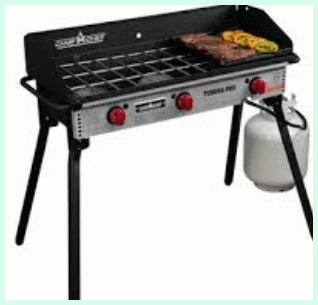
Switching to the Tahoe 16 for a large backyard cookout gave me a different perspective.
The taller 30-inch cooking height reduced bending over, which helped during hours of preparing food for twenty guests.
Stability felt rock solid even with big stockpots full of chili or stew simmering away.
I used it with a full griddle top and still had room to keep sides warm on the outer edges. The three burners distributed heat reliably, letting me sear burgers on high while vegetables cooked gently on lower settings.
The windscreen proved useful when evening breezes picked up, keeping everything cooking evenly.
Breakdown after the event went smoothly, though the slightly different frame took a couple extra moments to collapse compared to the Pro model.
Weight distribution felt manageable with two people carrying it. During the party, multiple people commented on how professional the setup looked and performed.
I noticed the Tahoe excelled when stationary for extended periods. It handled heavy-duty tasks like deep frying or slow-cooking large batches better than more portable options.
Over repeated uses, the consistent performance built my confidence for bigger events. Minor adjustments to flame dials gave precise control that impressed even experienced grill masters in the group.
Both experiences showed me how these stoves complement different styles of outdoor cooking. The Pro 16 travels lighter for adventures, while the Tahoe 16 anchors larger gatherings with confidence.
Pros Of Camp Chef Tahoe 16
- stays in one pStable Cooking Height: The Tahoe 16 stands at a comfortable 30-inch height that reduces back strain during long cooking sessions. You stay upright and focused on the food instead of bending awkwardly over lower stoves.
- Rock-Solid Stability: The wider and heavier frame handles multiple heavy cast iron pots or full griddles without any wobbling, even when the surface underneath is slightly uneven. This gives you confidence when stirring large batches.
- Excellent For Group Meals: With the same 608 square inch cooking area and 90,000 BTU total output, it easily manages breakfast for ten or dinner for a crowd without running out of space or power. You can keep several dishes going at once.
- Effective Three-Sided Windscreen: The built-in wind protection keeps flames consistent on breezy days, letting you maintain precise temperatures even when outdoor conditions change suddenly.
- Precise Flame Control: Each of the three 30,000 BTU cast aluminum burners offers smooth adjustment from gentle simmer to full sear. This versatility turns out perfectly cooked eggs alongside crispy bacon or slow-simmered sauces.
- Matchless Ignition Reliability: Every burner lights instantly with a simple dial turn, eliminating the frustration of hunting for lighters when your hands are full or the weather is damp.
- Durable Overall Construction: The robust build quality stands up to repeated transport and heavy use, with many owners reporting years of dependable service from family camping trips to backyard parties.
- Convenient Accessory Ecosystem: It pairs seamlessly with Camp Chef side shelves, tool hooks, and flat top griddles, letting you expand your setup exactly as needed without compatibility headaches.
- Even Heat Across The Surface: The burner housing design minimizes hot and cold spots after proper preheating, so food cooks uniformly whether you are using the full griddle or individual pans.
- Great For Heavy Cookware: You can safely place large stockpots, Dutch ovens, or multiple skillets without worrying about tipping or uneven support from the sturdy frame.
Cons Of Camp Chef Tahoe 16
- Heavier Overall Weight: At around 47 pounds or more with accessories, the Tahoe 16 demands more effort to move, especially for solo campers or when loading into smaller vehicles after a long day.
- Less Portable Than Folding Models: The design focuses on stability rather than quick collapse, so packing and unpacking takes slightly longer compared to stoves with fully folding legs.
- Larger Footprint When Set Up: The taller and wider stance occupies more table or ground space, which can feel cramped at small campsites or crowded picnic areas.
- Higher Propane Use On Maximum: Running all three burners at full 30,000 BTU each consumes fuel noticeably faster during extended high-heat cooking for large groups, requiring extra tanks on longer trips.
- Griddle Accessory Often Separate: The popular flat top griddle usually needs to be purchased additionally, increasing the total cost if you want complete griddling capability from day one.
- Potential For Surface Heat Retention: The cooking area stays very hot for a while after shutdown, so you must stay cautious around children or when breaking down camp quickly.
- Limited Built-In Storage Options: Without included shelves on the base model, you may need extra accessories to create convenient prep space right next to the burners.
- Initial Setup Familiarization: First-time users sometimes spend extra minutes figuring out the exact positioning of the windscreen and regulator connection until the process becomes second nature.
- Noise At Peak Output: When pushing all burners to maximum for rapid boiling or searing, the flame roar can become noticeable and potentially disturb quiet natural settings.
- Dependency On Level Ground: Although stable, the taller height means it performs best on relatively flat surfaces to avoid any slight tipping risk with unbalanced loads.
- Replacement Parts Lead Time: Certain small components like knobs or hoses may require ordering through Camp Chef support, leading to short waits if something wears out after heavy seasons.
- Not Suited For Backpacking: The weight and size make the Tahoe 16 impractical for hikes or minimalist adventures where every pound matters more than cooking capacity.
Maintenance Tips For Camp Chef Tahoe 16
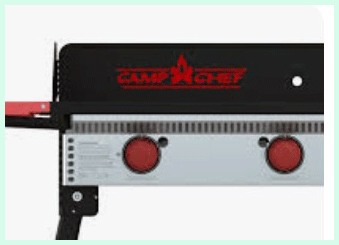
- Clean After Each Use While Warm: Wipe the burners and cooking surfaces soon after finishing to remove grease before it hardens, making the next session much easier and preventing buildup.
- Use Gentle Cleaning Methods: Hot soapy water with a soft cloth or sponge works best on most parts, avoiding steel wool or harsh chemicals that could scratch the finish or damage aluminum components.
- Inspect And Clear Burner Tubes: Regularly check inside the cast aluminum burners for food particles, insects, or debris and clear them gently with compressed air or a soft brush to keep flames even.
- Season The Griddle Accessory Properly: After washing and drying the flat top, apply a thin layer of oil and heat it until it smokes to build and maintain a strong non-stick seasoning layer over time.
- Store In A Protected Location: Keep the stove covered and dry when not in use to guard against rust, dust, and accidental damage that could affect moving parts or metal surfaces.
- Check Regulator And Hose Regularly: Examine the propane connections and fuel line for wear, cracks, or looseness before every trip to ensure safe and leak-free operation.
- Scrape Residue Carefully: Use plastic or wooden tools on the griddle surface to lift stuck food without damaging the seasoned coating that improves with repeated use.
- Position For Proper Grease Flow: When using with a griddle, angle it slightly so drippings move away from active burners, reducing the chance of flare-ups during cooking.
- Lubricate Folding Or Moving Parts: Apply a small amount of food-grade lubricant to any hinges or adjustment points occasionally so the stove continues to operate smoothly.
- Test All Burners Individually: During routine maintenance, light each burner separately to confirm the matchless ignition system works reliably across all three positions.
- Avoid Overloading The Frame: Respect the weight limits on the cooking surface and any added shelves to prevent bending or stress that could compromise long-term stability.
- Deep Clean Periodically: Every few uses, disassemble accessible parts for a more thorough wash and inspection to catch small issues before they become bigger problems.
- Protect From Direct Sun And Rain: Use a fitted cover during transport and storage to shield the Tahoe 16 from UV damage, moisture, and bumps that occur on the road.
- Monitor Flame Patterns: Watch for uneven flames during test runs and adjust or clean as needed to maintain the even heat distribution you expect from the 90,000 BTU system.
- Organize Accessories Neatly: Store side shelves, covers, and tools in a dedicated bag or bin so everything stays together and protected between camping outings.
- Season Multiple Times When New: Repeat the oil-and-heat process several times on a new griddle accessory to create a durable protective layer that makes cleaning and cooking easier long-term.
Read More: Comparison of Ninja Og850 And Ninja Og951
Comparison With Other Brands
Versus Blackstone Models: Camp Chef stoves often feel more integrated with wind protection and burner housing compared to many Blackstone options that focus primarily on standalone griddles. The 90,000 BTU output competes well while offering better multi-burner versatility for pots alongside griddling.
Versus Weber Camp Stoves: Weber products emphasize premium build quality and sometimes higher prices, but Camp Chef matches or exceeds heat output and cooking area in the 16-inch class while remaining more affordable for similar performance.
Versus Coleman Stoves: Coleman tends toward lighter and simpler two-burner designs ideal for minimalists. Camp Chef provides noticeably more power and surface space for group cooking, though at the cost of added weight.
Versus Other Camp Chef Lines: Within the brand, the Pro 16 and Tahoe 16 sit in the mid-to-large category. Smaller 14-inch models trade some cooking area for easier portability, while larger Expedition or Denali versions add features like built-in griddles at higher price points.
Versus Portable Propane Grills: Traditional grills with grates lose the flat top flexibility that Camp Chef systems offer. The ability to switch between direct flame and griddle cooking gives Camp Chef an edge for varied menus.
Versus High-End Luxury Brands: Luxury outdoor kitchens deliver restaurant-level finishes but cost significantly more. Camp Chef hits a sweet spot of performance and value without unnecessary extras that inflate price.
Strength In Accessories Ecosystem: Few competitors match Camp Chef’s range of compatible shelves, covers, and griddle plates that let you expand functionality over time.
Durability In Real Conditions: Users report Camp Chef holding up better in windy or dusty camping environments than some lighter imported alternatives due to the robust burner design.
Value Proposition: When comparing total cost including accessories and long-term reliability, Camp Chef frequently outperforms budget brands that require frequent replacement.
Simmer Control Comparison: Both Pro 16 and Tahoe 16 offer good low-heat performance for delicate tasks, rivaling or beating many competitors that struggle with consistent low flames.
Portability Trade-Offs: Against ultra-light backpacking stoves, Camp Chef sacrifices some ounces but gains massive cooking capacity that justifies the difference for car campers and group outings.
Frequently Asked Questions (FAQ)
The Tundra Pro 16 features a cooking surface of about 38 inches by 16 inches with 608 square inches total area. Overall dimensions when set up measure roughly 44.8 inches wide by 25.8 inches deep by 35.7 inches high.
Camp Chef griddles and stoves are manufactured in China, though the brand designs them in the USA with a focus on outdoor performance.
The Tundra Pro 16 has three 30,000 BTU burners for a total output of 90,000 BTU, providing strong power for various cooking tasks.
Conclusion
After spending time with both the Camp Chef Pro 16 and Tahoe 16, I believe the better choice depends on your primary needs. If you value portability and quick setup for frequent camping trips, go with the Pro 16 and enjoy its folding design and solid wind protection. You will appreciate how easily it packs and performs on the move.If you host bigger groups or prefer a taller, more stable platform for heavy pots and long cooking sessions, the Tahoe 16 makes more sense with its convenient height and sturdy frame.
Both deliver the same impressive 90,000 BTU power and large 608 square inch cooking area, so you cannot go wrong on performance alone.I recommend considering how often you travel versus how many people you usually feed. Many users end up owning one as their main stove and adding accessories to expand capabilities.
Whichever you pick, proper maintenance will keep it cooking reliably for years. You deserve equipment that makes outdoor meals enjoyable rather than stressful. Take your time deciding based on your real cooking habits, and you will create many great memories around delicious food prepared with these capable Camp Chef systems.
Recent Posts
● Interactive 5-Zone Interior & Exterior Paint Blueprint Paint Coverage Calculator: Gallons, Primer, Square Footage & Cost Tap any architectural surface zone on the blueprint...
If you want smooth, shiny hair without spending a fortune on a premium styling tool, the Ella Bella hair dryer may be worth considering.In these Ella Bella hair dryer reviews, I’ll look...