
I have spent years testing dishwasher detergents in my own kitchen, running load after load of greasy pans, dried-on pasta, and coffee-stained mugs.
My goal here is simple: give you a clear, real-world breakdown of Cascade Complete versus Cascade Platinum so you can pick the one that matches your dishes, water type, and budget without wasting money or time.
| Feature | Cascade Complete | Cascade Platinum |
| Cleaning Power | Strong for everyday soils | Higher concentration of active agents (about 50% more) |
| Tough/Stuck-On Food | Good, may need light pre-scrub | Excellent, often no pre-wash needed |
| Formats Available | ActionPacs, gel, powder | Mainly ActionPacs |
| Scents | Lemon, Fresh, Citrus Breeze | Lemon, Fresh |
| Built-in Rinse Aid | Limited | Yes, stronger anti-spotting |
| Hard Water Performance | Decent | Better film and spot resistance |
| Dishwasher Cleaning | Basic | Helps clean interior and reduce buildup |
| Price per Load | Lower (often 15–25 cents) | Higher (often 25–40+ cents) |
| Best For | Daily light-to-medium loads | Heavy messes, hard water, convenience |
My Hands-On Experience With Both Formulas
I started with Cascade Complete because the price felt right for a household that runs the dishwasher almost every night.
Plates and silverware came out clean most of the time. Then I switched to Platinum for a month of heavier cooking—think lasagna pans and breakfast pans with stuck-on egg. The difference showed up fast.
Food that used to need a quick scrape before loading simply disappeared. That experience shaped how I look at both products now.
Over the following months I rotated between the two so I could judge them under the same water conditions, the same dishwasher, and the same range of soils.
The results stayed consistent enough that I can speak from direct use rather than marketing claims alone.
Key Differences Between The Cascade Complete And Platinum
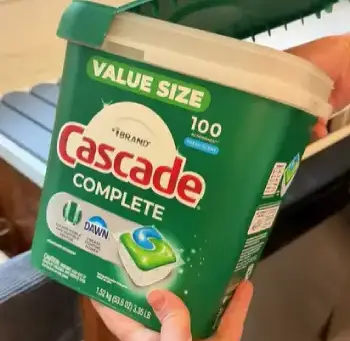
- Higher concentration of active cleaning ingredients: Platinum packs roughly fifty percent more enzymes and surfactants than Complete, which lets it break down proteins and starches far more aggressively on dried egg, cheese, and baked residue that would otherwise cling after a normal cycle.
- Ability to skip pre-washing: Platinum is formulated so you can load crusty pans straight from the stove and still get clean results, while Complete usually needs a quick scrape or rinse on the toughest overnight messes to avoid leftover bits.
- Built-in rinse aid and anti-spotting agents: Platinum includes stronger agents that leave glassware clearer and reduce film in hard-water homes, whereas Complete often requires a separate rinse aid to reach the same spot-free finish.
- Format flexibility: Complete is sold as ActionPacs, gel, and powder so you can pick the style that fits your habits and budget, while Platinum sticks mostly to convenient single-dose pods.
- Price gap: The higher cost of Platinum shows up quickly on daily use, yet many households find the time and water savings from less pre-rinsing help offset the difference over months of regular loads.
Key Features Of Cascade Complete
- Enzyme and surfactant blend for everyday grease and food: The formula cuts through normal dinner residue on plates, bowls, and cutlery without drama and keeps most loads looking clean after a standard cycle.
- Multiple formats and scents: You can choose powder for the lowest cost per load, gel for easy pouring, or ActionPacs for no measuring, and the lemon or fresh options leave a clean scent that does not overpower plastics.
- Solid performance on normal cycles: It handles coffee stains, light grease, and typical food soils reliably and works well with the grease-cutting power of Dawn technology already built in.
- Budget-friendly cost per load: Tracking monthly expenses shows Complete keeps the detergent bill noticeably lower than the premium line, which matters when the dishwasher runs almost every night.
Pros Of Cascade Complete

- Lower price makes it easy to buy in bulk without second thoughts: Stocking up during sales stretches the household budget further than the premium option and still delivers reliable everyday results.
- Wide choice of forms means you can switch between powder for value and pods for speed: Powder costs even less per load while pods remove measuring guesswork, giving flexibility that matches different cooking weeks.
- Reliable everyday cleaning without overkill: For plates used for sandwiches or simple dinners the formula is more than enough and rarely leaves you rewashing items.
- Pleasant scent options that do not linger too strongly: The citrus versions feel fresh after the cycle yet fade quickly from plastic containers so food storage stays neutral.
- Widely available and familiar formula: You can find it in almost any store, which keeps life simple when supplies run low mid-week and you need a quick replacement.
Cons Of Cascade Complete
- May leave residue on heavily baked or dried food: Casserole dishes and pans with overnight stuck-on bits sometimes need a second look or light scrubbing before the next cycle starts.
- Spotting can appear in hard water without extra rinse aid: Glassware occasionally shows faint film unless a separate product is added to the dispenser for clearer results.
- Less concentrated formula means more effort on tough loads: Pre-rinsing becomes more common than with the higher-tier option when dealing with dried proteins or burnt edges.
- Powder can clump if the box sits open in a humid kitchen: Closing the container tightly or switching to pods during warmer months prevents hard chunks that are difficult to scoop.
Key Features Of Cascade Platinum

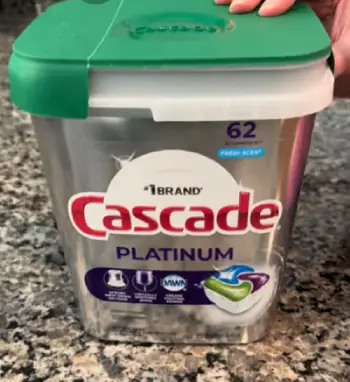
- Higher level of active cleaning agents: The concentrated enzymes and surfactants deliver stronger action on baked-on food, so pans and casserole dishes come out cleaner with less leftover residue after one cycle.
- Designed for no pre-rinse convenience: You can load dirty pots and pans without the usual sink soak because the formula goes to work on proteins and starches while the machine runs.
- Enhanced rinse aid and hard-water protection: Glasses and stainless steel finish with fewer spots, and the interior of the dishwasher stays cleaner longer so you reach for dedicated machine cleaners less often.
- Stronger grease and stain fighting: Tomato sauce rings, tea stains, and greasy roasting pans clear more completely thanks to the boosted formula and Dawn component that targets stubborn films.
Pros Of Cascade Platinum
- Superior removal of stuck-on and burnt food: Pans that once required soaking come out clean after a single cycle, which saves both time at the sink and extra water from pre-rinsing.
- Better resistance to water spots and film: Glasses and stainless steel look brighter even in hard-water conditions, reducing the need to hand-polish items before guests arrive.
- Helps keep the dishwasher itself cleaner: Buildup on interior walls and the filter accumulates more slowly, so dedicated cleaning tablets are needed less often over months of use.
- Convenient single-dose pods that dissolve well: No measuring and consistent dosing every time keep the process simple and reduce mess around the machine.
- Stronger overall performance that reduces rewashing: Fewer loads need a second run, which offsets some of the higher cost through lower energy and water use.
Cons Of Cascade Platinum
- Noticeably higher price per load: The premium shows up quickly with daily use and adds real money to the annual detergent budget compared with the more affordable line.
- Limited mainly to ActionPac form: Preference for powder or gel for cost or habit reasons leaves fewer options once you commit to the Platinum formula.
- Stronger scent can feel intense to some users: The fresh or lemon fragrance lingers a bit longer on plastic containers than preferred on quiet days when milder aroma is wanted.
- Overkill for very light soil: Using the top formula on mostly clean plates feels like spending extra for power that is not needed on simple sandwich or leftover days.
Real Kitchen Scenarios Where Each One Shines?
On a typical Tuesday night of pasta and salad, Complete handles everything without complaint.
The plates come out clean, the cost stays low, and I feel smart about the purchase. When I roast a chicken or bake a cheesy casserole, Platinum earns its keep.
Food that sat overnight lifts away. I stop standing at the sink scraping. That convenience is hard to ignore once you experience it.
Hard water makes the choice clearer still. In my area the mineral content leaves spots on glass if the detergent is only average.
Platinum’s anti-spotting agents reduce that frustration. Complete needs help from a rinse aid to reach the same clarity. Soft water homes may not notice the gap as sharply.
I also pay attention to how each product treats the machine. Platinum seems to leave fewer residues inside the dishwasher over months of use.
That means fewer times I reach for a dedicated cleaner tablet. Complete does fine but does not offer the same level of machine care built in.
Cost Versus Performance Trade-Off
I track roughly how much each costs me per month. Complete keeps the number comfortable.
Platinum raises it, yet I spend less time pre-rinsing and almost never rewash. The time savings and lower water use from skipping the sink step partially balance the higher sticker price.
For a family that cooks often and hates scrubbing, the extra dollars feel justified. For someone who mostly reheats leftovers or eats simple meals, Complete delivers more than enough cleaning power at a friendlier cost.
Over a full year the difference can reach several dozen dollars depending on how often you run the machine.
That figure matters more in some households than others. If your time at the sink feels limited, the premium product returns value in saved effort. If your budget is tighter and your dishes stay lighter, the everyday formula keeps expenses predictable without sacrificing basic cleanliness.
How Water Type And Dishwasher Age Affect The Choice?
Newer dishwashers with good sensors and spray arms get strong results from both.
Older machines or ones with weaker water pressure benefit more from the concentrated Platinum formula.
Hard water tips the scale toward Platinum. Soft water lets Complete shine as the practical daily choice.
I tested both in the same machine under the same conditions and still saw the performance gap on the toughest soils.
If your local water report shows high mineral content, the anti-spotting advantage of Platinum becomes more noticeable after a few weeks.
In softer water areas the gap narrows and Complete often feels sufficient for most loads.
Machine age plays a role too. An older unit with slower heating or less precise spray patterns gains more from the extra cleaning agents in the higher-tier pods.
Storage, Dissolving, And Everyday Practicality
Pods from both lines dissolve cleanly in my machine. Powder from Complete needs dry storage or it clumps.
Gel is easy to measure but can be messier if the bottle drips. I keep a small container of Complete powder for light loads and a bag of Platinum pods for heavier ones. That mix gives me flexibility without forcing an all-or-nothing decision.
Humidity is the main enemy of open powder boxes. During summer I switch fully to pods to avoid the hard chunks that form when moisture sneaks in.
ActionPacs stay sealed until use, which removes that worry entirely. Both formulas dissolve fully in normal cycles, though very short eco cycles sometimes leave tiny undissolved bits of Complete powder if the water never reaches full temperature.
Long-Term Observations After Months Of Use
After rotating both products for several seasons I noticed fewer cloudy glasses with Platinum and fewer moments of frustration with stuck food.
Complete never left me with dirty dishes on normal loads. It simply asked for a bit more help on the extreme ones.
Both formulas stay phosphate-free and rely on enzymes, so they align with modern dishwasher requirements. Neither damaged my glassware or plastics when used as directed.
The interior of the machine stayed cleaner longer with Platinum. Filter cleaning became less frequent.
With Complete I still needed an occasional dedicated cleaner tablet to keep the spray arms and door edges free of light film. Neither product caused etching on glass or clouding on plastics over the months I tracked results.
Scent preference remained personal. Some family members liked the stronger Platinum fragrance while others preferred the milder Complete options that faded faster from storage containers.
Also Read: Comparison Of Dawn Platinum And Platinum Plus
Frequently Asked Questions (FAQ)
It depends on your needs. Platinum leads for tough messes and hard water. Complete wins for everyday value.
Platinum for maximum cleaning power and convenience. Complete for solid results at a lower cost.
Yes if you skip pre-rinsing and deal with heavy soils or hard water regularly. Otherwise Complete is often enough.
Yes for most daily loads. It cleans well and costs less. Tough baked-on food may need extra help.
Final Thoughts
I started this comparison to settle the question for my own kitchen and share what actually works day after day.
Cascade Complete gives reliable cleaning at a price that makes sense for regular use. Cascade Platinum steps up the power, reduces prep work, and handles hard water and stuck food more confidently.
You get to decide based on how dirty your dishes usually are, what your water is like, and how much time you want to spend at the sink.
Try the one that matches your reality and adjust if your cooking or water conditions change. Clean dishes should not feel like a chore or a budget strain.
Recent Posts
● Interactive 5-Zone Interior & Exterior Paint Blueprint Paint Coverage Calculator: Gallons, Primer, Square Footage & Cost Tap any architectural surface zone on the blueprint...
If you want smooth, shiny hair without spending a fortune on a premium styling tool, the Ella Bella hair dryer may be worth considering.In these Ella Bella hair dryer reviews, I’ll look...