
I spent months comparing Castlery and West Elm because I needed new living room and bedroom furniture that looked elevated without draining my savings.
Both brands offer modern, stylish pieces, but they serve slightly different needs.
In this article, I break down everything from pricing and quality to comfort and real-world performance so you can decide which fits your space and budget better.
I share my experiences, the pros and cons, and practical insights from living with their furniture daily.
| Aspect | Castlery | West Elm |
| Price Range (Sofa) | More affordable ($600–$2,500) | Higher ($800–$4,000+) |
| Quality & Build | Solid wood frames, good durability for price | Mixed; solid wood in premium lines, veneer elsewhere |
| Design Style | Clean, contemporary, mid-century modern | Trendy modern, customizable options |
| Showrooms | Limited or online-focused | Multiple physical stores |
| Delivery & Returns | Fast shipping, 14-day returns | Variable delivery, 30-day returns |
| Best For | Value-driven buyers wanting style | Those wanting in-person testing and sustainability focus |
| Warranty | Typically 1-3 years | Varies by item |
My First Journey Comparing These Two Brands
A couple of years ago, I furnished a new apartment and went back and forth between these two.
I ordered a Castlery sectional for the living room and a West Elm bed frame with nightstands for the bedroom.
Living with both gave me clear insights. Castlery felt like a smart, budget-friendly choice that still impressed guests, while West Elm delivered that polished look but came with higher expectations and occasional frustrations.
I approach this analytically: price per year of expected use, material quality, ease of assembly and maintenance, and how they hold up with everyday life like kids, pets, or frequent entertaining.
Both target modern homes, but Castlery often wins on pure value while West Elm shines in customization and showroom access.
Key Differences Between Castlery And West Elm
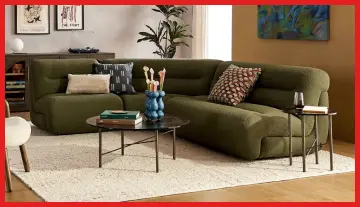
- Pricing and Value: Castlery consistently offers lower entry points for similar-looking pieces.
I saved noticeably on a three-seater sofa compared to a comparable West Elm model.
Over time, this makes Castlery feel like the smarter everyday investment for most people.
- Shopping Experience: West Elm lets you sit and test furniture in stores, which I loved for the bed.
Castlery is mostly online, but they provide detailed specs, swatches, and good photos that helped me visualize accurately.
- Build and Materials: Castlery uses solid wood in many frames and focuses on sturdy construction at accessible prices.
West Elm mixes high-end solid wood with engineered options and emphasizes sustainability certifications more prominently.
- Delivery Speed and Reliability: Castlery surprised me with quicker shipping in my case.
West Elm deliveries varied more, with some reports of delays I thankfully avoided but heard about often.
- Customization Options: West Elm gives more fabric and finish choices. Castlery keeps it simpler, which sped up my decision but limited tweaks.
- Longevity Expectations: Both can last years with care, but Castlery pieces often punch above their price in sturdiness, while West Elm’s premium items feel more luxurious initially.
Key Features Of Castlery Furniture
- Affordable modern designs that look expensive: Clean lines, neutral tones, and mid-century touches that blend into most homes.
- Sturdy construction: Many pieces feature solid acacia wood or strong frames that handled my daily use well without wobbling.
- Performance fabrics: Easy-to-clean options great for real life with spills or pets.
- Thoughtful storage: Some beds and consoles include smart compartments that maximize small spaces.
- Fast assembly: Items I received came well-packaged and went together smoothly, often with helpful instructions.
- Timeless yet current aesthetics: Pieces that avoid extreme trends so they stay relevant longer.
I especially appreciated the Hamilton or similar sectionals – comfortable for movie nights, structured enough to look neat, and holding up after two years with regular use.
Pros Of Choosing Castlery
- Excellent value for money: You get high-style furniture without the premium markup, making it ideal if you want to furnish multiple rooms.
- Impressive durability for the price: My pieces feel solid and have resisted wear better than expected.
- Quick shipping options: Often faster turnaround than bigger retailers.
- Customer-friendly policies in many cases: Clear dimensions and swatches reduce surprises.
- Quiet luxury vibe: Understated elegance that photographs beautifully and earns compliments.
- Wide range for full homes: Sofas, beds, dining sets, and outdoor options all in one cohesive style.
Living with it, I found Castlery perfect for building a foundation without regret.
Cons of Choosing Castlery
- Limited physical testing: You rely on online views and swatches, so measure twice.
- Shorter return window: 14 days means you need to decide quickly after arrival.
- Mostly imported production: Not as much emphasis on domestic or highly sustainable sourcing in every piece.
- Fewer customization choices: Standard options work for many but not if you need specific fabrics or sizes.
- Mixed customer service stories: Some deliveries had issues, though mine went smoothly.
- Not ultra-luxury feel: It performs well but may not match heirloom-level expectations in every detail.
Key Features Of West Elm Furniture
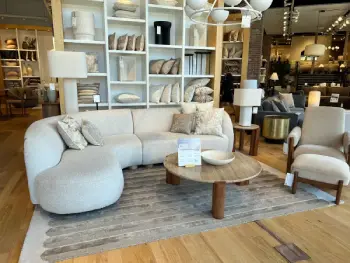
- Stylish, on-trend designs: Bold options alongside classics, with great attention to finishes.
- Sustainability focus: More certified woods and eco-friendly practices that appeal if this matters to you.
- Customization depth: Extensive fabric, leg, and configuration choices for sofas and upholstery.
- In-store experience: Test comfort and scale before buying.
- Cohesive collections: Easy to mix pieces for a unified look across rooms.
- Premium details: Better hardware, varied textures, and thoughtful design elements in higher lines.
The bed frame I chose had a solid, modern presence and felt substantial.
Pros Of Choosing West Elm
- Physical showrooms: Huge advantage for seeing and feeling pieces in person.
- Strong customization: Make it exactly how you want for a personalized home.
- Sustainability efforts: Appeals to conscious buyers with better certifications.
- Trend-forward options: Unique pieces that make a statement.
- Design services: Helpful planning tools and consultations.
- Varied price points: Entry options alongside higher-end items.
It gave my bedroom that finished, magazine-ready feel right away.
Cons Of Choosing West Elm
- Higher prices: You pay more for the brand and experience, sometimes without proportional longevity gains.
- Inconsistent quality reports: Some items hold up great; others show wear or arrive with issues.
- Delivery challenges: Longer waits or complications noted more frequently.
- Mixed durability: Veneer or lighter builds can disappoint over time in high-use areas.
- Customer service variability: Experiences range widely based on feedback.
- Potential overpaying for style: Great looks, but check construction details carefully.
Design And Style Comparison: Which Looks Better In Your Home?
I lean toward Castlery for everyday modern homes because their silhouettes feel current and photograph well without trying too hard.
West Elm offers more variety, including bolder patterns and collaborations that suit creative spaces. In my living room, the Castlery sectional looks crisp and inviting daily.
West Elm in the bedroom adds a touch of sophistication. Both work in apartments or houses, but Castlery edges out for neutral, timeless appeal on a budget.
Comfort And Everyday Use
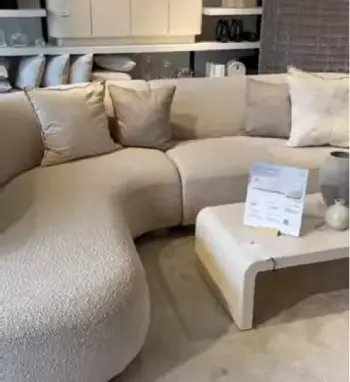
- Seating comfort balance: Castlery sofas provide a supportive yet plush feel that works perfectly for long evenings or family gatherings.
I can sit for hours without my back aching, and the cushions bounce back nicely after use.
- Cushion resilience: In my experience, Castlery cushions hold their shape better over months of daily sitting compared to some West Elm models that tend to compress faster in high-traffic spots.
- Fabric performance: Castlery’s performance fabrics truly shine with kids and pets around – spills wipe off easily and the material resists pilling and stains remarkably well.
- West Elm variation: West Elm comfort depends heavily on the specific collection.
Some models feel luxuriously soft and sink-in, which I enjoyed in the bedroom seating, while others are firmer and more structured.
- Back and arm support: Castlery offers consistent medium-firm support that prevents slouching.
West Elm gives you more choices between soft, medium, and firm, but you usually need to test them in person to know what suits your body.
- Bed comfort and sleep quality: My West Elm bed frame paired with a good mattress delivered solid support, but Castlery’s bed options surprised me with equally good height and stability at a lower price point for everyday restful nights.
- Real-life family testing: For busy households, Castlery wins on easy maintenance and durability under constant use.
West Elm feels more premium when entertaining guests but requires more careful handling in active homes.
This section really matters because beautiful furniture means nothing if it isn’t comfortable for your actual lifestyle.
Quality, Materials, And Longevity
Castlery impresses with solid wood where it counts and sturdy frames that have lasted well in my home.
West Elm shines in select solid pieces but uses more composites elsewhere, leading to variable outcomes.
Analytically, Castlery delivers better bang for buck on durability per dollar spent. Both benefit from proper care like avoiding direct sun or excess moisture.
Pricing Breakdown And Value Analysis
Castlery wins most head-to-heads for sofas, beds, and dining. A quality Castlery sofa might cost what a basic West Elm one does, leaving room for extras.
West Elm justifies premiums with showrooms and options, but only if those features matter to you.
Over five years, Castlery often feels like the lower-risk choice financially.
- Delivery, Assembly, and Customer Service
My Castlery delivery was prompt and professional. West Elm was fine but slower. Assembly for both was straightforward with good packaging. Service varies by experience – read recent reviews for your area. Plan buffer time regardless.
- Sustainability and Ethical Considerations
West Elm leads here with certifications and fair trade options. Castlery focuses more on accessible quality. If eco-impact ranks high, lean West Elm; otherwise, Castlery’s longevity still reduces replacement frequency.
Warranty, Support, And Long-Term Ownership
- Warranty coverage: Castlery typically offers 1-3 years on frames and mechanisms, which covered my basic needs without hassle.
West Elm varies more by collection, sometimes matching or exceeding on premium items but requiring clear documentation.
- After-sales responsiveness: I had minor questions on Castlery assembly that got resolved quickly through their support channels.
West Elm has dedicated teams but response times fluctuated depending on the issue.
- Replacement parts availability: Castlery makes some cushions and legs easier to source later.
West Elm does well with fabric swatches and occasional hardware but can feel slower for older collections.
- Real ownership costs: Factoring in potential repairs, Castlery’s lower upfront price often means lower total ownership cost over time in my experience.
West Elm pieces may need professional cleaning or adjustments sooner in high-traffic homes.
- Resale value: Both hold decent value on secondhand markets, but West Elm’s brand name sometimes fetches slightly higher private sale prices, while Castlery moves faster due to accessibility.
- Peace of mind: Knowing support exists reduces buyer anxiety. I felt confident with both, but Castlery’s straightforward policies aligned better with my practical lifestyle.
This aspect became important six months in when I needed a small fix – it showed me how the brands stand behind their products in real scenarios.
Which One Should You Choose?
If you want stylish, reliable furniture without overspending and prefer shopping online, go with Castlery. It transformed my space affordably and practically.
If you value trying before buying, heavy customization, or sustainability, West Elm might suit you better despite the cost.
I personally mix them now, using Castlery for high-use areas and West Elm for accents.
Also Read: Is Sixpenny Neva Sofa Worth It?
Frequently Asked Questions (FAQ)
No, it sits in the accessible premium or mid-to-upper range – stylish and well-made but priced for broader appeal rather than ultra-luxury.
It depends. Castlery often offers better value and solid performance for the money, while West Elm provides more in-person options and customization. For most budgets, Castlery edges ahead practically.
Castlery and similar direct-to-consumer brands like Article frequently get compared as more affordable alternatives with comparable modern aesthetics.
Castlery stands out as a strong match – similar clean designs, good quality, but at noticeably lower prices with strong value.
Wrapping Up
After living with both, I recommend evaluating your priorities honestly. Castlery helped me create a beautiful, functional home on a realistic budget, and I would choose it again for most pieces.
You deserve furniture that works for your life without compromise. Consider your space, usage, and wallet – measure carefully, read specs, and picture daily life with the piece.
Whichever you pick, focus on quality construction over trends. Your future self will thank you for a thoughtful choice that feels right every time you walk through the door.
Recent Posts
● Interactive 5-Zone Interior & Exterior Paint Blueprint Paint Coverage Calculator: Gallons, Primer, Square Footage & Cost Tap any architectural surface zone on the blueprint...
If you want smooth, shiny hair without spending a fortune on a premium styling tool, the Ella Bella hair dryer may be worth considering.In these Ella Bella hair dryer reviews, I’ll look...