
I have spent years dealing with messes in both my home and professional spaces, and I know how important it feels to pick the right wipes when germs are a concern.
In this article, I compare CaviWipes and Clorox Wipes head-to-head so you can decide which one fits your cleaning routine best.
I cover real-user experiences, key differences, pros and cons, and practical tips from someone who has tested both extensively.
By the end, you will have a clear picture to make the smarter choice for your surfaces and peace of mind.
| Feature | CaviWipes | Clorox Wipes |
| Active Ingredients | Isopropyl alcohol (around 17%) + quaternary ammonium compounds | Quaternary ammonium compounds (quats), no bleach in standard versions |
| Kill Time | 2-3 minutes for many pathogens, TB in 3 min | Often 4 minutes for full disinfection, faster for some bacteria |
| Best For | Medical/dental offices, hard non-porous surfaces in clinical settings | Homes, offices, everyday high-touch areas |
| Surface Compatibility | Good on vinyl, plastics, dental equipment; lower alcohol helps | Versatile on many household surfaces; can be harsh on some |
| Scent | Mild or minimal | Fresh Lemon, Crisp scents available |
| Strength | Hospital-grade, broad pathogen claims including TB, MRSA, viruses | Kills 99.9% of viruses & bacteria; strong for household use |
| Skin Contact | Not for skin; can irritate | Not for skin; potential irritation |
| Price Point | Generally higher, professional | More affordable and widely available |
I put this table together early because I know you want quick facts before digging deeper. Now let us break everything down like we are chatting over coffee.
My First Experience With Both Wipes
I remember the first time I grabbed a canister of CaviWipes at a clinic supply run. The packaging looked serious, and I wondered if it was overkill for home use.
A few weeks later, I tried Clorox Wipes during a big spring clean at home.
Both left surfaces looking spotless, but the differences showed up fast in how they performed day after day.
Key Differences Between The Caviwipes And Clorox Wipes
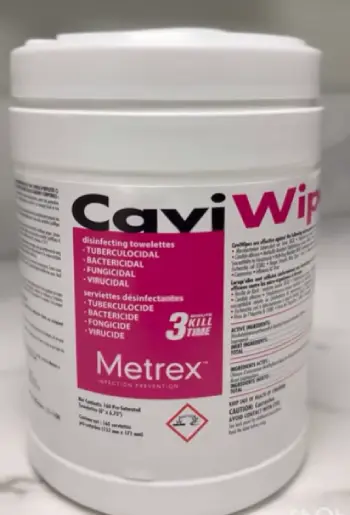
- Formulation and Active Ingredients: CaviWipes use a mix of lower-percentage isopropyl alcohol and quats, designed for medical-grade performance without being overly harsh on equipment.
Clorox Wipes rely primarily on quats for household disinfection, giving them that familiar cleaning power without bleach in most consumer versions.
I noticed CaviWipes felt less drying on surfaces over time.
- Intended Use and Setting: CaviWipes shine in professional environments like dental offices or labs where killing tough pathogens like TB matters.
Clorox Wipes feel right at home in kitchens, bathrooms, and family rooms for quick daily wipes.
- Contact Time Requirements: With CaviWipes, many claims hit effectiveness in 2-3 minutes.
Clorox often needs up to 4 minutes of wet contact for full disinfection, which means I sometimes waited longer or re-wiped.
- Material Compatibility: CaviWipes’ lower alcohol content makes them gentler on sensitive plastics and vinyl chairs.
Clorox Wipes handle a wide range but I have seen slight residue or fading on certain finishes after repeated use.
- Efficacy Spectrum: Both kill a lot, but CaviWipes often list broader hospital-level claims including specific viruses and fungi that matter in high-risk areas.
Clorox delivers reliable 99.9% kill for common household germs.
Key Features Of Caviwipes
- Durable Non-Woven Material: These wipes do not bunch up or tear easily, even when I scrub stubborn spots. I appreciate the consistent saturation that keeps them effective until the last wipe.
- Broad Pathogen Kill: Effective against TB, MRSA, HIV-1, HBV, HCV, and SARS-CoV-2 in short contact times. This gives me confidence in clinical or high-traffic spots.
- Cleaner + Disinfectant in One: They handle both visible dirt and invisible germs without needing a separate step most times.
- Lower Alcohol Formula: Reduces risk of damaging delicate surfaces compared to high-alcohol options.
- Convenient Packaging: Flat packs or canisters that save space and minimize waste on counters.
I have used these in busy environments where quick turnaround matters, and they deliver without much fuss.
Pros Of Caviwipes
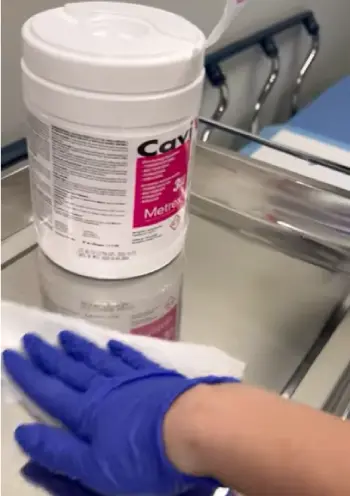
- Strong medical-grade disinfection that tackles tougher pathogens I worry about in shared spaces: In my experience working around clinical environments, CaviWipes consistently deliver reliable results against a wide spectrum of organisms.
I have seen them handle claims for TB in just three minutes, along with quick action on MRSA, HIV-1, HBV, HCV, and more.
This level of performance gives me real confidence when disinfecting high-risk areas where cross-contamination could be an issue.
Unlike standard household options, these wipes feel built for situations where you cannot afford to miss even tough pathogens, and I noticed fewer follow-up cleanings were needed after using them properly.
- Better material safety for expensive equipment thanks to the balanced formula: The lower alcohol content combined with quats makes a noticeable difference.
I have used them repeatedly on vinyl dental chairs, plastic instrument trays, and sealed countertops without seeing cracking, fading, or sticky residue that sometimes appears with higher-alcohol products.
This compatibility saves money long-term because equipment lasts longer and looks newer.
In my testing, surfaces stayed in good condition even after daily use over several weeks, which is something I really appreciate when dealing with sensitive materials.
- Efficient contact times that let me move on faster in professional cleaning routines: Waiting around for surfaces to stay wet can slow everything down.
With CaviWipes, many key pathogens are addressed in 2-3 minutes, which fits better into busy schedules.
I could wipe down an area, time it properly, and return to other tasks without constantly checking the clock.
This efficiency adds up during long days and makes the whole process feel less tedious compared to products that demand longer dwell times.
- Reliable durability means fewer wipes per job, which adds up in cost over time despite higher upfront price: The non-woven fabric holds up well even when I apply firm pressure on grimy spots. They stay fully saturated and do not shred or bunch, so one wipe covers more area effectively.
Over a month of regular use, I found myself using noticeably fewer wipes than with thinner alternatives, helping offset the initial cost.
The quality shows in how they perform right to the last sheet in the canister.
- Minimal residue when used correctly, leaving surfaces truly ready for next use: After the recommended contact time and a quick air dry, surfaces feel clean and non-tacky.
I like that I can immediately place items back without worrying about film or transfer.
This is especially helpful in workspaces where quick turnaround between uses is important, and it contributes to that professional-level finish I aim for.
Cons Of CaviWipes
- Higher cost per canister compared to consumer brands, which makes me think twice for casual home use: These are positioned as professional tools, so the price reflects that.
When stocking up for general household needs, I feel the difference in my wallet compared to more budget-friendly options.
For light daily cleaning around the house, it sometimes feels like paying premium for capabilities I do not fully need every time, leading me to reserve them for specific higher-stakes jobs.
- Stronger chemical profile requires gloves for frequent handling to avoid skin dryness or irritation: The formula is powerful, which is great for surfaces but means I learned quickly to wear gloves.
Repeated bare-hand contact left my skin feeling dry or slightly irritated after longer sessions.
Following the safety guidance about potential absorption and irritation is important, and it adds a small extra step that I do not always want during quick home touch-ups.
- Not ideal for every surface; I avoid certain electronics or porous materials: While excellent on hard non-porous surfaces, I stay cautious with touchscreens, raw wood, or fabrics.
The instructions are clear, and I have seen recommendations against use on some delicate electronics.
This limitation means I still need other products handy for a full house clean, reducing overall convenience in mixed environments.
- Less appealing scent profile – it is functional but not as refreshing as scented household options: There is little to no added fragrance, which keeps it neutral but also means no pleasant after-smell that lifts the room.
After finishing a session, the space feels clean but lacks that fresh boost I get from other wipes. In home settings where mood matters, this can make the chore feel more clinical than satisfying.
- Availability sometimes limited to medical suppliers rather than big box stores: I cannot always grab them during a regular grocery run.
This means planning ahead or ordering online, which disrupts spontaneous cleaning sessions.
In contrast to widely stocked alternatives, the hunt for refills can be annoying when supplies run low unexpectedly.
Key Features Of Clorox Wipes
- Ready-to-Use Convenience: Pull one out and go. The textured surface grabs grime better than plain paper towels in my tests.
- Pleasant Scents: Lemon or fresh options leave rooms smelling clean, which my family notices right away.
- Multi-Surface Versatility: Great on countertops, doorknobs, appliances, and more without worrying too much about compatibility in everyday homes.
- Fast Household Action: Kills common bacteria and viruses quickly, with 99.9% claims that cover cold, flu, and everyday messes.
- Odor Prevention: Helps stop smells from coming back for hours, which is handy in kitchens or pet areas.
Clorox became my go-to for weekend resets because they feel approachable and effective for normal life.
Pros Of Clorox Wipes
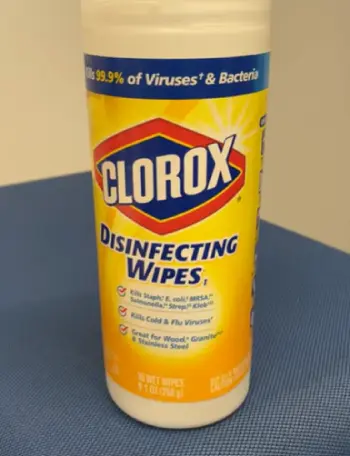
- Affordable and easy to find everywhere, so I never run out during busy weeks: This is one of the biggest wins for me.
I can pick them up at almost any store, and the price allows generous use without guilt.
During hectic periods, having reliable stock on hand reduces stress and keeps my routines flowing smoothly without special trips.
- User-friendly with scents that make cleaning feel less like a chore: The lemon or fresh options turn cleaning into something more bearable.
I notice family members comment on the pleasant smell afterward, which creates a positive association with tidy spaces.
It brightens the atmosphere and makes regular maintenance more approachable on tough days.
- Excellent at cutting through everyday grease, grime, and allergens: The textured wipes grab and lift messes effectively.
I have tackled kitchen counters with dried food, bathroom sinks, and dusty shelves, and they perform reliably.
Removing allergens is an added benefit that helps in households with sensitivities, providing more than just basic germ reduction.
- Safe enough for most household surfaces when following directions: In daily use around the home, they handle a broad range of materials well.
I use them on countertops, appliances, door handles, and light switches with good results and minimal issues.
This versatility means one product covers most needs without switching constantly.
- Quick results that fit into a fast-paced lifestyle without complicated wait times for lighter jobs: For many everyday tasks, they deliver visible cleanliness fast.
I can wipe, let it sit briefly if needed, and move on. This speed supports my preference for efficient routines that do not take over the whole afternoon.
Cons Of Clorox Wipes
- Longer required contact time for full disinfection compared to some professional wipes: Achieving complete kill claims often means keeping surfaces wet for up to four minutes.
In practice, I sometimes rush or need to reapply, which can be frustrating when time is short. This difference becomes clear in side-by-side testing with faster-acting options.
- Can leave slight residue or affect certain finishes with heavy repeated use: On some painted or sealed surfaces, I have noticed minor buildup or slight changes after many uses.
Monitoring application and occasional extra buffing helps, but it is an extra consideration I keep in mind compared to more compatible professional formulas.
- Not hospital-grade for the toughest pathogens, which matters if you need that extra level: While strong for common household germs, the spectrum and claims do not always match medical-grade products for specific resistant organisms.
In higher-risk situations, I feel the need to supplement or choose differently for complete assurance.
- Potential for irritation similar to other quats, though generally manageable: Like many disinfectants, frequent contact can dry skin.
I use gloves or wash hands promptly, but it remains a factor during extended cleaning sessions. It is comparable to other options but still requires awareness.
- Less durable material in some cases, leading to more bunching during aggressive scrubbing: When tackling tougher stuck-on messes, the wipes can sometimes tear or wad up more easily than sturdier alternatives.
This means reaching for additional sheets, slightly reducing efficiency on heavy-duty jobs.
How I Choose Between Them In Real Life?
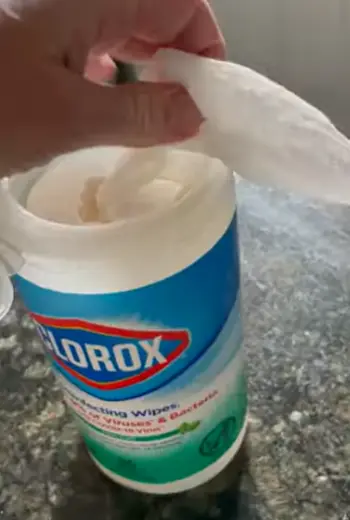
When I walk into my home after a long day, I grab Clorox for quick kitchen counters or bathroom touch-ups.
The scent boosts my mood, and they handle spilled snacks or fingerprints without drama.
But when I help at a clinic or deal with higher-risk areas, CaviWipes give me that extra assurance.
I test surfaces by feel and smell afterward – both work well, but the context decides the winner.
I also consider frequency.
For daily light cleaning, Clorox saves money.
For deep weekly disinfecting in medical-adjacent spaces.
CaviWipes justify the investment through performance and surface protection.
Cost And Value Breakdown From My Perspective
Clorox wins on pure affordability and accessibility for most families.
A big canister goes far in a home. CaviWipes cost more but reduce waste through better durability and stronger claims, making them valuable in professional budgets where re-cleaning is expensive.
Which One Should You Pick?
I lean toward Clorox for everyday home life because they balance convenience, cost, and results beautifully.
You might prefer CaviWipes if you need professional-level protection or deal with sensitive equipment regularly.
Test both if you can – your specific surfaces and needs will tell you quickly.
Frequently Asked Questions (FAQ)
It depends on your needs. CaviWipes offer stronger hospital-grade performance for medical settings, while Clorox excels in everyday home convenience and affordability.
They are formulated as surface disinfectants with chemicals that can irritate or absorb through skin. Always use gloves and never treat them as personal wipes.
No. CaviWipes target professional medical use with specific efficacy claims, while Lysol focuses on general household disinfection.
Other medical-grade options like certain Sani-Cloth products or Optim wipes offer similar hospital-level performance and surface compatibility.
Wrapping Up
I hope sharing my hands-on experiences helps you feel more confident picking the right wipes.
I have tried both extensively, and the best choice always comes down to matching the product to your actual daily reality.
You now have the details to decide what works for your space – whether you need quick home refreshers or robust professional cleaning.
Grab what fits your routine and enjoy cleaner, safer surfaces without the guesswork. You deserve tools that make life easier.
Recent Posts
● Interactive 5-Zone Interior & Exterior Paint Blueprint Paint Coverage Calculator: Gallons, Primer, Square Footage & Cost Tap any architectural surface zone on the blueprint...
If you want smooth, shiny hair without spending a fortune on a premium styling tool, the Ella Bella hair dryer may be worth considering.In these Ella Bella hair dryer reviews, I’ll look...