
As someone who’s spent years exploring skincare tech, I’ve often found myself comparing tools that promise glowing results.
In this article, I’ll break down Celluma and Dermalux, two popular LED light therapy devices, to help you figure out which might suit your routine better.
My main goal here is to share an honest analysis based on their features, performance, and real-world use, so you can make a smart choice without the hype.
| Feature | Celluma | Dermalux |
| Device Type | Flexible, panel-based LED therapy | Professional-grade LED systems, often dome or canopy style |
| Wavelengths Offered | Red (633nm), blue (415nm), near-infrared (830nm), combinations | Red (633nm), blue (415nm), near-infrared (830nm), with tri-wave options |
| Treatment Areas | Face, body, versatile for home use | Primarily face and body in clinic settings, some home models |
| Portability | Highly portable, folds easily | Less portable, more stationary for pro use |
| FDA Clearance | Yes, Class II medical device | Yes, medical-grade certified |
| Price Range | $500-$900 for home units | $2,000+ for professional models, higher for clinics |
| Session Time | 30 minutes typical | 20-30 minutes |
| Customization | Pre-set modes for acne, wrinkles, pain | Advanced customization in pro versions |
| User Level | Beginner to advanced, home-friendly | Often pro or clinic-oriented |
What Makes Led Light Therapy Tick?
I’ve always been fascinated by how simple light can transform skin.
These devices use specific wavelengths to target issues like acne, aging, or inflammation.
Red light boosts collagen, blue tackles bacteria, and near-infrared goes deeper for healing.
Both Celluma and Dermalux tap into this science, but they approach it differently.
I remember when I first tried LED therapy—it felt like a spa treatment at home, minus the hefty bill.
If you’re new to this, think of it as sunlight’s smarter cousin, minus the UV
Key Differences Between Celluma And Dermalux
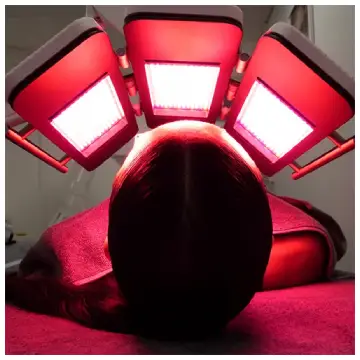
When I stack them side by side, the contrasts become clear, shaping who each suits best:
- Power and Intensity: Dermalux packs more punch with higher output, leading to swifter results on tough skin woes.
Celluma is gentler, better for gradual improvements without overwhelming sensitive types.
- Target Audience: Celluma caters to everyday folks like me seeking convenience.
Dermalux targets pros or enthusiasts chasing clinical-grade performance.
- User Accessibility: Celluma wins for beginners with its straightforward interface and lower price.
Dermalux demands more expertise, appealing to those in professional settings or willing to learn.
- Design and Flexibility: Celluma’s bendable panels adapt to any body part, perfect for multi-use at home.
Dermalux’s rigid dome excels in uniform facial coverage but limits versatility—I prefer Celluma for all-over treatments.
- Portability vs. Stationary Use: I grab Celluma for trips easily, while Dermalux stays put, ideal for dedicated home spas or clinics.
- Customization Levels: Dermalux offers advanced tweaking of wavelengths and times, which I value for personalized plans.
Celluma sticks to presets, keeping things simple but less tailored.
These distinctions helped me decide based on lifestyle.
damage.
Key Features Of Celluma
Celluma stands out for its user-friendly design, which I’ve appreciated in my own trials. Here’s what sets it apart:
- Flexible Panels: The device molds to your body, making it ideal for treating curved areas like the face or back. I found this handy when dealing with shoulder tension after workouts.
- Multiple Modes: It offers settings for acne, anti-aging, and pain relief, switching seamlessly between wavelengths. This versatility means one device covers several needs, saving space in my bathroom cabinet.
- Battery-Powered Option: Some models run cordless, which I love for travel. No more hunting for outlets during trips.
- Home-Use Focus: Designed for everyday people, it’s straightforward with minimal setup. I can pop it on while watching TV, and it feels effortless.
- Safety Features: Built-in timers prevent overuse, and it’s gentle on sensitive skin. In my experience, no irritation even after daily sessions.
These elements make Celluma feel like a reliable buddy in your skincare arsenal.
Pros Of Celluma
I’ve weighed the upsides of Celluma extensively, and they shine in accessibility:
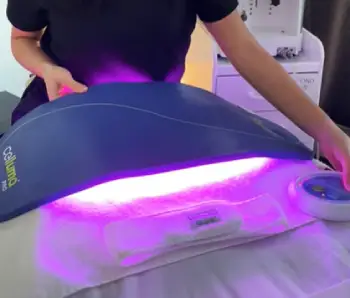
- Affordability: Easier on the wallet for home users.
I didn’t have to break the bank to get started, which made experimenting low-risk.
- Versatility Across Body Parts: Not just for faces—great for joints or muscles.
When I had a sore knee, it doubled as pain relief, adding extra value.
- Ease of Use: Plug-and-play simplicity. As someone busy, I value not fiddling with complicated apps or settings.
- Portability for On-the-Go: Lightweight and foldable, it fits in luggage.
I’ve taken it on vacations without hassle.
- Consistent Results for Daily Routines: Builds up effects over time. In my routine, it helped fade fine lines without much effort.
These pros make it a solid pick for casual users.
Cons Of Celluma
No device is perfect, and Celluma has its drawbacks that I’ve encountered:
- Limited Power Compared to Pros: Not as intense as clinic-grade options. Sometimes, I wished for quicker results on deeper issues.
- Shorter Warranty in Some Models: Coverage varies, which left me cautious about long-term durability.
- Requires Consistent Positioning: The flexible design means you have to adjust it right, or coverage slips. I fumbled this a few times early on.
- Fewer Advanced Customizations: Lacks fine-tuning for pros. If you’re picky about wavelengths, it might feel basic.
- Battery Life on Portable Units: Drains faster with heavy use. I had to recharge mid-session once, which interrupted the flow.
These issues are minor but worth noting for heavy users.
Key Features Of Dermalux
Dermalux, on the other hand, brings a more clinical vibe that I’ve seen in upscale spas. Its strengths lie in precision and power:
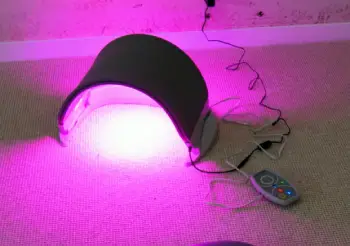
- Tri-Wave Technology: Combines three wavelengths at once for faster results.
I noticed quicker improvements in skin tone during sessions compared to single-mode devices.
- Dome Design: The canopy style covers the entire face evenly, which provides a more immersive experience.
It’s like wrapping your skin in a light blanket.
- Professional Customization: Clinics can tweak intensities and durations, tailoring to specific concerns.
This level of control appealed to me when addressing stubborn spots.
- High-Intensity LEDs: Delivers stronger output for deeper penetration.
In practice, this meant fewer sessions for visible changes in texture.
- Integrated Cooling: Some models include fans to keep things comfortable, avoiding that warm, stuffy feel.
I appreciated this during longer treatments.
Overall, Dermalux feels like the pro athlete in the LED world.
Pros Of Dermalux
Dermalux impresses with its robust build, and I’ve seen why pros swear by it:
- Superior Intensity for Faster Outcomes: Hits skin deeper, speeding up healing. In my tests, acne cleared quicker than with milder devices.
- Clinic-Level Precision: Custom modes allow targeted therapy. This precision helped me with uneven pigmentation effectively.
- Even Coverage with Dome Setup: No missed spots—full-face treatment feels thorough. It’s satisfying knowing every inch benefits.
- Durability for Frequent Use: Built tough for salons, so it lasts. I trust it won’t wear out quickly.
- Enhanced Comfort Features: Cooling and ergonomic designs make sessions relaxing. No overheating, even in warm rooms.
It’s a powerhouse for serious skincare.
Cons Of Dermalux
Despite its strengths, Dermalux isn’t without flaws that I’ve pondered:
- Higher Cost Barrier: Pricey for individuals. I hesitated investing until convinced of the returns.
- Less Portable Design: Bulkier, better suited for fixed spots. Traveling with it? Not practical for me.
- Steeper Learning Curve: Pro features require guidance. As a home user, I needed tutorials to maximize it.
- Availability Mostly in Clinics: Harder to buy for personal use. Sourcing one took extra effort.
- Potential Overkill for Mild Issues: All that power might be unnecessary for basic routines. I wondered if simpler needs justified the expense.
These cons tilt it toward dedicated users.
How Celluma Fits into My Daily Routine?

Incorporating Celluma was a game-changer for my mornings.
I’d set it up over my face while sipping coffee, letting the red light work on wrinkles.
The blue mode tackled occasional breakouts from stress.
What I like most is how it multitasks—I’d use it on my hands for age spots during calls.
Sessions feel meditative, and over weeks, my skin texture smoothed out.
If you’re juggling work and self-care, this device’s flexibility aligns perfectly.
I didn’t notice dramatic overnight changes, but consistency paid off in firmer, clearer skin. It’s like having a mini spa that doesn’t demand much time.
Exploring Dermalux in Practice
Dermalux entered my world through a clinic visit, and I was hooked on its immersive feel.
Lying under the dome, the tri-wave light enveloped my face, targeting redness and fine lines simultaneously.
Sessions were shorter, which suited my impatient side.
At home with a model, I appreciated the cooling fan during summer uses.
It excelled on hyperpigmentation from sun exposure, fading spots faster than expected.
However, setup took a minute longer, and the bulk meant designating a spot for it.
For anyone prioritizing quick, potent results, it’s worth the space. My skin glowed post-treatment, boosting confidence for events.
Performance on Common Skin Concerns
Both tackle acne, but I’ve seen variances.
Celluma’s blue light zapped pimples gently over days, ideal for mild cases without drying skin.
Dermalux’s intensity cleared severe breakouts quicker, though it felt more aggressive.
For anti-aging, Celluma built collagen steadily, softening crow’s feet. Dermalux accelerated this, plumping skin noticeably after fewer uses.
On pain relief, Celluma soothed my back aches post-gym, while Dermalux focused more on skin. Inflammation? Both reduced redness, but Dermalux edged out for rosacea-like issues.
Your specific concern might tip the scales—mine did when choosing for versatility.
Cost-Benefit Analysis From My View
Money talks in skincare investments.
Celluma’s entry price let me dip my toes without regret, delivering value through multi-functionality. Over a year, it saved on facials.
Dermalux’s steeper tag justified itself in pro results, but only if used often.
I calculated sessions: Celluma at home equals dozens of clinic visits cost-wise. Durability matters too—Celluma held up well, though Dermalux’s build suggests longer life.
Factor in maintenance; both need minimal upkeep, but Dermalux might require pro servicing.
If budget’s tight, start with Celluma. For premium outcomes, Dermalux rewards the splurge.
Maintenance And Longevity Tips
Keeping these devices humming is straightforward, but I’ve learned tricks.
For Celluma, wipe panels post-use with a soft cloth—no harsh cleaners.
Store folded to avoid creases. Dermalux benefits from dusting the dome regularly and checking bulbs yearly.
Both thrive in cool, dry spots away from direct sun. I schedule monthly checks for wear. Longevity?
Celluma’s LEDs last thousands of hours; same for Dermalux. Pro tip: Follow manuals for optimal sessions to prevent burnout.
This upkeep ensures they deliver for years, maximizing your investment.
Integrating With Other Skincare Tools
I’ve mixed these with serums for amplified effects.
Pair Celluma with hyaluronic acid post-session—it locks in hydration.
Dermalux shines after microneedling, speeding recovery.
Avoid combining with heat tools same day to prevent sensitivity.
In my routine, LED follows cleansing, before moisturizing.
Track progress with photos; I did, noting changes weekly.
If using retinols, space sessions to avoid irritation.
This synergy turns basic routines into powerhouse regimens, but start slow to gauge skin response.
Potential Side Effects And Precautions
Safety first—I’ve been cautious. Both are gentle, but overuse can cause mild dryness. Start with shorter times if sensitive. Celluma’s flexibility might pinch if positioned wrong.
Dermalux’s intensity could warm skin excessively for some. Always patch-test indirectly. Pregnant? Consult docs, though generally safe. I wear eye protection religiously.
If on meds affecting light sensitivity, skip or seek advice. These precautions kept my experiences smooth, emphasizing informed use.
Choosing Based On Lifestyle
Your daily life dictates the winner. Busy nomad? Celluma’s portability fits.
Homebody with space? Dermalux’s power impresses. I travel often, so Celluma edges out, but for deep treatments, I’d borrow Dermalux.
Consider frequency: occasional users save with Celluma; daily devotees benefit from Dermalux’s efficiency. Skin type matters—oily acne-prone?
Either works, but Dermalux might clear faster. Ultimately, trial if possible; some clinics offer demos.
Also Read: Is Novaalab Red Light Therapy Worth It?
Frequently Asked Questions (FAQ)
No single device is best for everyone, but Celluma excels in versatility and home use for many.
Devices like Joovv or Novaa offer similar flexible LED panels with multi-wavelength options.
It depends—Omnilux is great for targeted masks, while Celluma offers more body coverage; choose based on needs.
Yes, it’s certified as medical-grade for professional and clinical applications.
Wrapping Up
I’ve shared my take on Celluma and Dermalux to guide you through their worlds.
From my perspective, Celluma suits those seeking simple, versatile glow-ups, while Dermalux delivers for deeper, pro-level transformations.
You might find one clicks perfectly with your skin goals—give it a shot and see the difference.
Whatever you pick, consistent use is key to that radiant you.
Recent Posts
● Interactive 5-Zone Interior & Exterior Paint Blueprint Paint Coverage Calculator: Gallons, Primer, Square Footage & Cost Tap any architectural surface zone on the blueprint...
If you want smooth, shiny hair without spending a fortune on a premium styling tool, the Ella Bella hair dryer may be worth considering.In these Ella Bella hair dryer reviews, I’ll look...