
I recently spent weeks comparing CertainTeed Monogram and MainStreet vinyl siding for my own home renovation, and my goal here is to help you decide which one fits your budget, climate, and long-term plans based on real differences in thickness, performance, look, and cost.
| Feature | Monogram | MainStreet |
| Nominal Thickness | 0.046″ | 0.042″ |
| Wind Resistance | RigidForm 210 (up to 210 mph) | RigidForm 170 (up to 170 mph) |
| Color Options | 38–41 including blends | 20–25 |
| Texture | TrueTexture deep rough cedar | Woodgrain or brushed |
| Panel Projection | ¾” | ~9/16″ |
| Typical Installed Cost | $5.00–$7.50 per sq ft | $3.50–$5.50 per sq ft |
| Expected Lifespan | 30–40 years | 20–30 years |
| Warranty | Lifetime limited + PermaColor | Lifetime limited + PermaColor |
| Best For | Long-term ownership, high-wind | Budget projects, shorter stays |
My Experience Choosing Between The Two Lines
When I started looking at new siding, I wanted something that would hold up without constant upkeep yet still look polished from the street.
CertainTeed kept coming up in contractor conversations, so I focused on their two most commonly quoted horizontal vinyl lines: Monogram and MainStreet. Both carry the same lifetime limited warranty and PermaColor fade protection.
Both resist moisture, insects, and the need for paint. The real decision rested on how much rigidity, color range, and visual depth I was willing to pay for.
I walked through installed examples, held sample panels side by side, and talked with installers who work with both products regularly.
The thickness difference of just four thousandths of an inch sounds tiny until you feel the panels and see them on a long wall.
Monogram sits flatter and resists the slight waviness that thinner vinyl can develop in heat or under uneven substrate. MainStreet still performs well for many homes, especially if cost is the deciding factor.
Key Differences Between CertainTeed Monogram And MainStreet
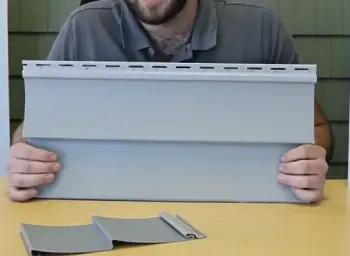
- Panel thickness and rigidity: Monogram measures 0.046 inches while MainStreet sits at 0.042 inches.
The extra material makes Monogram feel noticeably stiffer in the hand.
It resists oil-canning better on long walls and holds shape through daily temperature swings.
- Wind-load technology: Monogram uses RigidForm 210 with a double-thick nail hem tested for higher pressures.
MainStreet relies on RigidForm 170. Coastal or open sites gain clear advantages from the stronger rating on Monogram during heavy storms.
- Texture and shadow lines: Monogram carries TrueTexture rough-cedar finish molded from real boards.
It creates deeper shadow lines that read more like painted wood from the street. MainStreet offers solid woodgrain or brushed surfaces that stay cleaner but flatter overall.
- Color selection and premium blends: Monogram provides 38 to 41 colors including multi-tone blends that mimic stained cedar.
MainStreet stays in the 20-to-25 range of solid tones. Darker or more complex exterior shades work better and last longer on the Monogram line.
- Installed cost and value timeline: MainStreet costs less to install on a full home. Monogram adds several thousand dollars after labor.
Longer ownership often justifies the higher price through better durability and stronger curb appeal over time.
- Panel length options: Monogram offers extended lengths in some profiles that cut the number of vertical seams on large walls.
MainStreet uses standard lengths only. Fewer seams improve both finished appearance and installation speed on bigger elevations.
- Overall visual depth: Monogram projects farther from the wall with its three-quarter-inch depth. Shadow lines appear richer and more dimensional from the curb.
MainStreet keeps a simpler profile that still looks clean but less architectural.
- Heat and temperature response: Thicker Monogram panels move less under strong sun and hold shape through freeze-thaw cycles.
MainStreet can show more visible movement especially on dark colors exposed to full southern exposure.
Key Features Of Certainteed Monogram Vinyl Siding
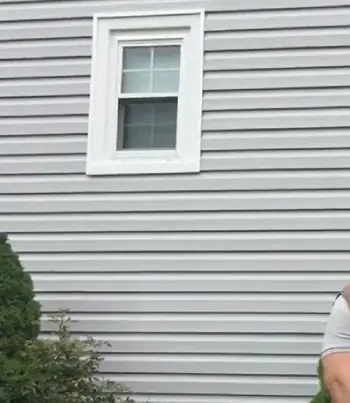
- Heavy-duty 0.046-inch construction: The thicker gauge resists impact from hail or debris better than thinner panels.
It stays straighter on imperfect older walls. Daily temperature swings cause far less distortion across large elevations.
- RigidForm 210 double nail hem: This design stiffens the entire panel and supports the higher wind rating.
Installers note it sits flatter right after nailing and keeps courses consistent over years of weather.
- TrueTexture rough-cedar finish: The surface comes molded directly from real cedar boards and finished with a low-gloss look.
It avoids the plastic shine common on cheaper vinyl. Curb appeal remains strong even after a decade of sun exposure.
- CertiLock positive locking system: Panels snap together with an audible click and self-align during installation.
Courses stay even from one wall to the next. The secure fit reduces the chance of wind lifting edges later.
- STUDfinder installation graphics: Nail slots sit precisely on 16-inch centers with clear markings. Crews hit studs accurately without constant measuring.
Loose panels become far less likely years down the road.
- Wide color palette including blends: Premium colors use a durable polymer capstock that stands up to darker hues. Matching trim, roof, and stone becomes easier.
Multi-tone options give a more natural wood appearance from the street.
- Lifetime limited warranty with PermaColor: Fade protection covers the original owner and transfers under certain conditions.
The coverage signals strong manufacturer confidence. Proper installation still remains the key to long service life.
- Deeper panel projection: The three-quarter-inch depth adds real rigidity and creates richer shadow lines. Large elevations benefit most from the dimensional look.
The finished wall reads closer to traditional wood siding.
Pros Of Certainteed Monogram
- Superior rigidity and flatter appearance: Extra thickness keeps walls looking straight even on older homes with minor irregularities. Long street-facing elevations stay sharp without the soft waviness thinner vinyl can develop. The difference shows clearly in side light.
- Higher wind and impact performance: Storms and occasional hail meet stronger resistance thanks to the upgraded nail hem and material thickness. Open or coastal sites gain measurable safety margins. Peace of mind lasts through many seasons.
- More realistic wood-like aesthetics: Deep grain texture and low-gloss finish create rich dimensional lines. Neighbors often comment that the finished look resembles painted cedar more than typical vinyl. Curb appeal rises quickly after installation.
- Broader design flexibility: Extra colors and multi-tone blends open more coordination options with existing roof or stone. Darker shades stay viable longer without rapid heat distortion. Design vision faces fewer limits.
- Potential for higher resale appeal: Buyers notice the premium thickness and richer texture during showings. Stronger first impressions help support better offers. Long ownership timelines usually recover the added investment through durability.
- Fewer seams with extended lengths: Larger panels reduce the number of vertical joints on big walls. Appearance stays cleaner and more continuous. Installation also moves a bit faster once the crew settles into the rhythm.
- Better heat stability: Darker colors resist distortion more effectively under full sun. South-facing walls hold their shape through years of daily cycling. Temperature extremes cause less visible stress on the surface.
Cons Of Certainteed Monogram
- Higher upfront cost: The price gap can reach several thousand dollars on a full re-side project. Tight budgets feel the difference immediately. Homes planned for short ownership may not justify the premium.
- Slightly more demanding installation: Thicker material and the locking design require more effort from the crew. Some installers prefer thinner panels purely for speed on straightforward jobs. Labor time can rise a little as a result.
- Premium pricing on darker or blend colors: Specialty shades often carry material surcharges. Exact color matches cost extra and need careful budgeting. The added expense appears only when those options are chosen.
- Still vinyl, not wood or fiber cement: Extreme reflected heat can still melt panels in rare cases. Fire exposure remains a clear limit compared with other materials. Authentic wood texture and hardness stay out of reach.
- Heavier handling for installers: Panels weigh more than MainStreet stock. Long runs need careful support during placement. Some crews simply prefer the lighter material for everyday volume work.
Key Features Of CertainTeed MainStreet Vinyl Siding
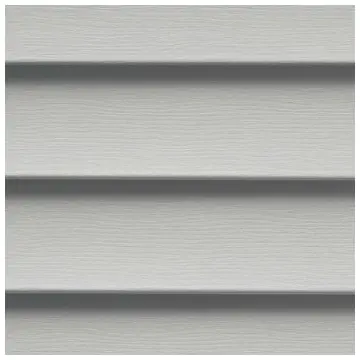
- 0.042-inch panel thickness: This gauge balances everyday durability with lower cost. It meets standard industry requirements for residential use.
Most climates see reliable performance when installed correctly.
- RigidForm 170 technology: The double nail hem adds enough stiffness for straighter installs. Wind performance covers typical neighborhood conditions well.
The design still exceeds basic code needs in many areas.
- DuraLock system: The larger teardrop-shaped lock creates a positive snap fit. Wind uplift meets solid resistance across the panel.
Courses stay aligned through years of expansion and contraction.
- STUDfinder graphics: Marked nail slots sit on 16-inch centers just like the higher line. Crews locate studs quickly and nail accurately.
The system reduces the chance of loose panels later.
- Woodgrain and brushed finishes: Clapboard, Dutchlap, beaded, and triple-three profiles are available.
Textures look clean and traditional without trying to imitate expensive wood. Existing architecture matches easily.
- Practical color selection: Roughly two dozen colors cover the most popular neutrals and classic tones.
Most homeowners find a suitable match without needing specialty blends. Availability stays consistent across regions.
- Lifetime limited warranty with PermaColor: Fade protection matches the language on Monogram.
Transfer rules remain similar for subsequent owners. Peace of mind stays solid for the price point.
- Lighter panel weight: Handling feels easier for crews on large jobs. Cuts and snaps move faster during installation.
Straightforward projects often finish with less physical strain.
Pros Of CertainTeed MainStreet
- Lower installed cost: Full-home coverage stays more affordable on most projects. Rentals, investment properties, and short-stay homes benefit most. Budgets stretch further without sacrificing basic protection.
- Adequate performance for most climates: Standard wind and weather conditions hold up well when installation is careful. Occasional washing keeps the surface clean. Homes with ten or more years of service still look presentable.
- Wide range of traditional profiles: Clapboard and Dutchlap options fit classic and modern styles alike. Existing architecture matches without paying for premium thickness. Design choices remain practical and flexible.
- Easier handling during installation: Thinner panels cut and snap more quickly for many crews. Labor savings appear on simple rectangular homes. Volume work often favors this line for speed.
- Proven track record as a volume product: Contractors quote MainStreet frequently because it balances quality and cost. Availability rarely becomes an issue. Average residential re-sides rely on it every day.
- Solid fade resistance: PermaColor technology protects the colors effectively. Lighter shades last the longest under full sun. Routine maintenance stays minimal for years.
Cons Of Certainteed MainStreet
- Greater chance of oil-canning or waviness: Long walls or darker colors under strong sun can develop soft ripples. The thinner material shows the effect more clearly in side light. Careful substrate preparation helps but cannot remove the risk entirely.
- Narrower color and texture range: Multi-tone blends stay unavailable on this line. Deeper or more complex shades feel limited compared with Monogram. Design vision can feel restricted when those options matter.
- Lower wind and impact margins: Standard ratings cover average neighborhood sites adequately. Open or coastal areas may need the higher performance of Monogram. Storm resistance sits clearly lower on the scale.
- Shorter practical lifespan in demanding conditions: Real-world wear from hail or temperature extremes appears sooner on the thinner panels. The warranty language matches yet actual service life often differs. Early replacement risk rises in harsh climates.
- Less pronounced shadow lines: Shallower projection creates a flatter overall appearance. Architectural detail looks milder from the street. Curb appeal stays clean but simpler than the deeper Monogram profile.
How The Two Lines Perform In Real Homes?
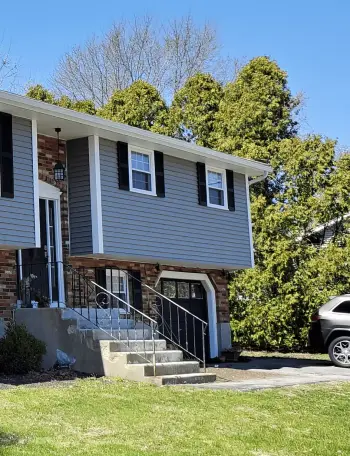
I examined several houses in different age groups and weather exposures. Homes with Monogram that had been up for fifteen years still showed tight seams and consistent color, even on south-facing walls.
MainStreet installations of similar age looked good when the original crew had taken care with fastening and expansion gaps, yet a few displayed the soft waviness that thinner vinyl can develop.
Temperature cycling matters. Vinyl expands and contracts. The thicker Monogram panels absorb that movement with less visible distortion.
In freeze-thaw climates the difference becomes more noticeable over a decade. Hail resistance also favors the heavier gauge; a few impact marks on MainStreet panels were deeper than those on nearby Monogram walls.
Color fade behaved similarly on both lines thanks to PermaColor technology. Lighter shades held longest.
Darker colors on either product needed the better capstock formulations to avoid heat distortion, which is why Monogram’s premium colors carry extra engineering.
Cost Considerations And Return On Investment
Material prices fluctuate by region and order size, yet the installed gap between the two lines stays consistent.
On my 2,100-square-foot project the upgrade to Monogram added roughly $3,800 after labor. I treated that amount as an investment in longevity and curb appeal rather than a pure expense.
Resale data from local agents suggested buyers respond positively to thicker, richer-looking siding.
The difference rarely recovers the full premium in a short ownership window, but over twenty years the reduced risk of early replacement and the stronger first impression help.
If you plan to stay fewer than ten years, MainStreet usually makes more financial sense.
Financing and contractor quotes also play a role. Some crews offer better package pricing on Monogram because the material margin is higher.
Others prefer MainStreet for volume work. Getting two or three detailed bids that specify exact product, color, and accessory lines remains the only reliable way to compare final numbers.
Installation Details That Affect Both Products
No matter which line you choose, installation quality determines long-term success. Both products need proper wall preparation, house wrap, flashing, and allowance for thermal expansion.
Nail placement must leave the panels free to move; driving nails tight creates buckling later.
STUDfinder markings help, yet experienced crews still verify stud locations on older homes where framing may not be perfect. Accessory compatibility matters too.
CertainTeed makes matching J-channel, corner posts, and soffit for both lines, and mixing brands can create color or fit issues.
I watched the crew on my project take extra time on the starter strip and around windows. Those details prevent water intrusion and keep the finished lines straight. Cutting corners on preparation ruins even the thickest panels.
Who Should Choose Monogram?
Choose Monogram if you plan to stay in the house for decades, live in a high-wind or hail-prone region, want the richest possible wood-like appearance, or simply prefer the straightest, most rigid wall surface.
The extra cost buys measurable performance and aesthetic advantages that compound over time.
Who Should Choose MainStreet?
MainStreet fits homeowners who need solid coverage at a lower price, expect to move within ten to fifteen years, or are updating a rental or investment property.
It still delivers lifetime warranty protection and low maintenance while keeping the project within tighter budgets.
Frequently Asked Questions (FAQ)
Monogram is thicker at 0.046 inches with higher wind ratings, deeper texture, and more colors. MainStreet is 0.042 inches thick, more affordable, and still carries the same basic warranty and fade protection.
Monogram ranks as the stronger performer among the standard horizontal lines for most long-term homeowners. CertainTeed also offers insulated and shake products that may suit specific needs better.
Yes. It provides reliable everyday protection, low maintenance, and solid value when budget or shorter ownership timelines are priorities.
CertainTeed consistently ranks among the top manufacturers for overall quality, warranty support, and product range. Other reputable names exist, yet CertainTeed’s depth of options and engineering details place it near the front for many professionals.
Final Thoughts
After living with the decision process and seeing both products on real walls, I settled on Monogram for my own house because I expect to stay long enough to enjoy the flatter lines and richer texture.
You may reach a different conclusion once you weigh your climate, budget, and ownership horizon. Measure the panels yourself if possible, request sample boards in your preferred colors, and insist on detailed written quotes that name the exact product line.
The right choice is the one that matches how long you plan to look at those walls every day and how much performance you need from them.
Whatever you select, proper installation will matter more than the small differences between these two solid CertainTeed options.
Recent Posts
● Interactive 5-Zone Interior & Exterior Paint Blueprint Paint Coverage Calculator: Gallons, Primer, Square Footage & Cost Tap any architectural surface zone on the blueprint...
If you want smooth, shiny hair without spending a fortune on a premium styling tool, the Ella Bella hair dryer may be worth considering.In these Ella Bella hair dryer reviews, I’ll look...