
If you’re searching for CFG Industry excavator reviews, you’re probably looking for an affordable excavator that promises decent performance without the premium price tag.
I completely understand the appeal because I was interested for the same reason. After researching customer feedback, comparing specifications, and evaluating real-world experiences, I personally wouldn’t recommend buying a CFG Industry excavator.
While the low price looks attractive, recurring complaints about quality, reliability, and after-sales support make it a risky investment, especially if you depend on your equipment for regular work.
My Personal Experience With CFG Industry Excavator
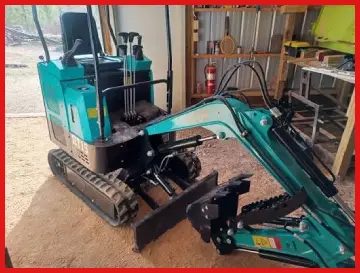
When I first started looking at compact excavators, CFG Industry quickly caught my attention. Like many buyers, I was drawn to the price.
Compared to well-known manufacturers, the cost seemed almost too good to ignore.
The specifications looked impressive on paper, and the promotional photos suggested a capable machine suitable for landscaping, small construction projects, farming, and property maintenance.
Initially, I thought I had discovered a hidden bargain.
After spending considerable time reading customer experiences and watching demonstrations, I realized the picture wasn’t nearly as positive as the marketing suggested.
One thing I noticed repeatedly was inconsistent build quality. Some owners reported receiving machines that worked reasonably well for light-duty projects during the first few months.
Others experienced hydraulic leaks almost immediately after delivery. That inconsistency concerned me because heavy equipment should provide dependable performance from day one.
Another issue I kept seeing involved assembly quality. Several buyers mentioned needing to tighten loose bolts, adjust hoses, refill fluids, or replace inexpensive components before the excavator could be used confidently.
Personally, I don’t think buyers should have to perform these tasks on what is supposed to be new equipment.
Hydraulic performance appeared to be another weak point. While the excavator handled loose soil and light digging adequately, users frequently complained about slow hydraulic response when tackling compacted dirt, clay, or heavier materials.
If your projects involve demanding excavation work, these limitations become frustrating very quickly.
Replacement parts also raised concerns. Established manufacturers typically maintain dealer networks with stocked inventory and trained technicians.
CFG Industry doesn’t appear to offer that same level of support in many regions. Several customers reported waiting weeks or even months for replacement parts.
For homeowners this may simply be inconvenient, but for contractors every day without equipment means lost income.
I also noticed complaints regarding customer support. While some buyers received helpful responses, many others struggled to obtain warranty assistance or technical guidance.
That’s a significant consideration because even reliable machinery occasionally requires service.
The operator comfort left mixed impressions as well. The controls functioned adequately, but the seating, visibility, and overall ergonomics didn’t match what I’d expect from premium manufacturers.
During extended work sessions, operator fatigue could become noticeable.
Fuel efficiency seemed acceptable for a compact machine, but that alone couldn’t outweigh the concerns surrounding durability.
After comparing all these experiences against similarly priced alternatives and reputable brands, my conclusion became fairly straightforward.
Although some owners have positive experiences, the overall inconsistency makes CFG Industry excavators difficult for me to recommend.
For occasional hobby projects, some buyers might accept the risks. However, if you’re purchasing equipment to support your business or complete demanding jobs, reliability should always take priority over initial purchase price.
Pros Of CFG Industry Excavators
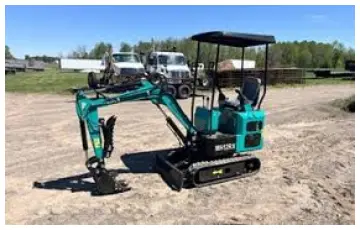
- Budget-Friendly Purchase Price
The first thing that caught my attention was the price.
Compared with established manufacturers such as Caterpillar, Kubota, Bobcat, or Yanmar, CFG Industry excavators are considerably less expensive.
In some cases, the difference in purchase price can be several thousand dollars.
If you’re buying your very first excavator and have a strict budget, that lower cost naturally becomes appealing.
Instead of financing a much more expensive machine, you can purchase a CFG excavator outright or significantly reduce your initial investment.
For homeowners, hobby farmers, or property owners who only need an excavator a few times each year, the lower price may seem like a practical solution.
Rather than renting equipment repeatedly, owning a compact excavator can provide convenience whenever a project comes up.
However, I always remind myself that the purchase price is only one part of the total ownership cost. Repairs, maintenance, downtime, and replacement parts also deserve serious consideration.
- Compact Size Makes It Easy to Work in Tight Spaces
One feature I genuinely appreciate is the compact design. Mini excavators are popular because they can reach areas where larger machines simply cannot operate.
Whether you’re digging near fences, working inside residential backyards, creating garden ponds, installing drainage systems, or trenching around existing buildings, a compact excavator offers excellent maneuverability.
The smaller footprint also means it’s easier to transport the machine on an appropriate trailer. If you’re moving between multiple small job sites, the compact dimensions become an advantage.
For homeowners with limited access points or narrow gates, this size can make the difference between completing a project yourself and hiring larger, more expensive equipment.
- Beginner-Friendly Controls
Another positive aspect is the relatively simple control layout. From what I’ve seen, the operating controls are straightforward enough that first-time operators can become comfortable with the machine after spending some time practicing in an open area.
The joystick controls generally perform the expected functions without unnecessary complexity. This makes the excavator less intimidating for new users who haven’t previously operated construction equipment.
Of course, operating any excavator safely still requires proper training and attention, but the overall layout isn’t overly complicated.
For occasional users rather than full-time operators, this simplicity can be helpful.
- Suitable for Basic Residential Projects
One reason some owners remain satisfied is that they purchased the excavator with realistic expectations.
If your projects involve digging shallow trenches, removing shrubs, planting trees, cleaning drainage ditches, moving loose soil, or performing general landscaping work, the excavator can often complete these lighter jobs without major difficulty.
Many property owners simply don’t require the extreme lifting capacity or digging power offered by commercial-grade machines.
For weekend projects around a home, small farm, or rural property, the machine may provide enough capability to complete routine excavation work.
The key is understanding that this isn’t designed for continuous heavy commercial use.
- Decent Fuel Economy During Light Operation
Fuel efficiency is another area where compact excavators naturally perform well.
Because these machines use relatively small diesel engines, fuel consumption generally remains manageable when performing lighter tasks.
If you’re digging intermittently rather than operating continuously throughout the day, operating costs can remain fairly reasonable.
Lower fuel consumption becomes especially beneficial for homeowners who only use the excavator occasionally throughout the year.
Although fuel savings alone won’t justify purchasing unreliable equipment, it is still a practical advantage worth mentioning.
- Compatibility with Common Attachments
I also like the flexibility offered by many compact excavators, including CFG models.
Depending on the specific model and coupler design, users can often install various attachments that increase the machine’s usefulness.
Common attachments include digging buckets for trenching, grading buckets for leveling soil, augers for drilling post holes, grapples for handling debris, rippers for breaking compact ground, and small hydraulic breakers for light demolition work.
Instead of purchasing separate machines for different tasks, one excavator can perform multiple jobs simply by changing attachments.
That versatility makes compact excavators attractive for property maintenance and landscaping projects.
Cons Of CFG Industry Excavators
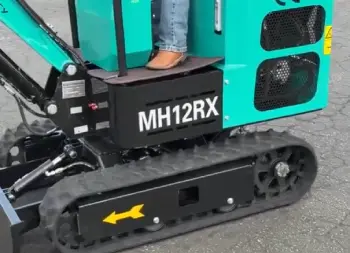
- Inconsistent Build Quality
The biggest concern I repeatedly encountered was inconsistent manufacturing quality.
Unlike premium manufacturers that follow strict quality control procedures, CFG Industry excavators appear to vary significantly from one machine to another.
Some owners receive excavators that perform reasonably well for months, while others report problems almost immediately after delivery.
That inconsistency alone makes purchasing one feel like a gamble.
Several buyers mentioned discovering loose bolts, poorly tightened hydraulic fittings, uneven welds, missing grease, or cosmetic defects shortly after receiving their machine. While these issues may seem minor individually, together they raise questions about the overall manufacturing process.
When you’re investing thousands of dollars in heavy equipment, you shouldn’t have to wonder whether your particular machine was assembled correctly.
- Hydraulic System Problems
The hydraulic system is the heart of any excavator, and unfortunately, this is one of the most common areas where CFG Industry receives criticism.
Numerous owners reported experiencing hydraulic leaks, weak lifting performance, slow boom movement, inconsistent bucket response, or declining hydraulic pressure after relatively limited use.
These problems become especially frustrating during demanding excavation work. Digging through compact soil, clay, or rocky terrain requires strong and consistent hydraulic power. When the system struggles, productivity drops significantly.
Hydraulic repairs can also become expensive. Replacing hoses, seals, cylinders, pumps, or control valves isn’t cheap, particularly if replacement parts aren’t readily available.
For professional contractors, unreliable hydraulics can quickly turn profitable jobs into costly delays.
- Limited Dealer and Service Network
Another drawback that concerned me is the lack of a widespread dealer network.
Well-established brands such as Kubota, Caterpillar, Bobcat, and Yanmar have authorized dealerships across many regions. If something goes wrong, owners can usually find trained technicians, genuine replacement parts, and warranty support without excessive difficulty.
CFG Industry doesn’t offer that same level of accessibility in many countries.
This means that if your excavator develops a mechanical problem, you may struggle to locate someone familiar with the machine or even find the correct replacement components.
Owning heavy equipment becomes much more stressful when professional service isn’t easily available.
- Replacement Parts Can Be Difficult to Find
Parts availability is another issue that appeared consistently throughout customer reviews.
Even relatively small components such as hydraulic seals, electrical switches, hoses, filters, or fittings sometimes require lengthy shipping times because local suppliers don’t stock them.
For homeowners, waiting several weeks may simply be inconvenient.
For contractors or business owners, however, every day that an excavator sits idle represents lost productivity and potentially lost income.
This is one of the biggest reasons I hesitate to recommend lesser-known equipment brands.
A machine is only as useful as your ability to repair it when something eventually wears out.
Maintenance Tips For CFG Industry Excavators
- Perform a Complete Walk-Around Inspection Before Every Use
One habit I always recommend is performing a thorough visual inspection before starting the engine.
It only takes a few minutes, but it can help identify problems before they become expensive repairs.
During the inspection, I would carefully check the machine for oil leaks, hydraulic fluid leaks, damaged hoses, loose bolts, cracked welds, worn tracks, and any signs of unusual wear.
I would also look underneath the excavator for fresh fluid spots that may indicate developing leaks.
This simple routine can prevent small problems from turning into major mechanical failures. Many experienced equipment operators consider a daily inspection one of the most valuable maintenance habits.
- Check Hydraulic Hoses and Fittings Regularly
The hydraulic system deserves special attention because it controls nearly every movement of the excavator.
Since hydraulic issues appear frequently in owner reviews, I would inspect every hose and fitting before beginning work. Look for cracked rubber, worn protective coverings, loose fittings, bulging hoses, or signs of fluid leakage.
Even a small hydraulic leak should never be ignored. Hydraulic pressure is extremely high, and a damaged hose can fail suddenly during operation.
Replacing one inexpensive hose early is much cheaper than repairing a damaged hydraulic pump or contaminated system later.
- Keep Hydraulic Fluid Clean and at the Proper Level
Hydraulic oil is the lifeblood of an excavator.
Low hydraulic fluid levels can reduce lifting power, slow boom movement, and increase wear on expensive hydraulic components.
Before operating the machine, I would always verify that the hydraulic reservoir contains the correct amount of clean fluid. If the oil appears dirty, cloudy, or contaminated with water, it should be replaced immediately.
Following the manufacturer’s recommended service intervals helps protect hydraulic pumps, cylinders, valves, and motors from premature wear.
Using the correct hydraulic oil is equally important. Choosing the wrong fluid can negatively affect performance and shorten component life.
- Grease Every Lubrication Point Frequently
Greasing is one of the simplest maintenance tasks, yet it’s often overlooked.
Every moving joint experiences friction during operation. Without adequate lubrication, metal components wear much faster.
I would regularly grease all pivot points, including the boom pins, arm pins, bucket linkage, swing bearing fittings, and attachment connections.
Fresh grease creates a protective barrier that reduces friction, keeps moisture away from metal surfaces, and extends the life of expensive pins and bushings.
For machines used daily, lubrication should become part of the regular operating routine rather than an occasional task.
- Monitor Engine Oil Carefully
The engine is another component that deserves close attention.
Before every workday, I would check the engine oil level and inspect the oil for contamination or unusual discoloration.
Clean engine oil provides proper lubrication for internal components, reduces heat, and helps prevent premature engine wear.
Waiting too long between oil changes can lead to sludge buildup, reduced engine efficiency, and expensive repairs.
Replacing both the engine oil and oil filter at recommended intervals is one of the easiest ways to maximize engine life.
- Replace Fuel Filters on Schedule
Clean fuel is essential for diesel engine performance.
Fuel filters trap dirt, rust particles, and contaminants before they reach the fuel injection system.
When filters become clogged, engine performance may decrease, fuel consumption can increase, and starting problems may develop.
Replacing fuel filters according to the maintenance schedule helps protect injectors and fuel pumps, both of which can be expensive to repair.
If you frequently purchase fuel from different suppliers, checking the filters even more often is a good precaution.
- Clean the Air Filter Frequently
Excavators often operate in dusty environments where dirt is constantly being pulled into the engine.
A dirty air filter restricts airflow, forcing the engine to work harder while reducing fuel efficiency and power.
I would inspect the air filter regularly, especially after working in dry soil, gravel, or construction sites.
If the filter is excessively dirty or damaged, replacing it is much better than trying to force additional use from it.
A clean air filter helps the engine breathe properly and contributes to better overall performance.
Comparing CFG Industry Excavators With Other Brands
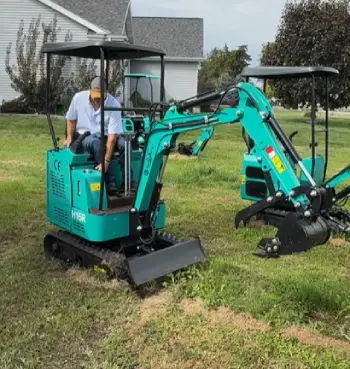
- CFG Industry vs. Kubota
Kubota has built its reputation over decades by producing dependable compact construction equipment.
When I compare Kubota with CFG Industry, reliability is the biggest difference that stands out.
Kubota excavators are known for excellent build quality. The welds are generally cleaner, the hydraulic systems are more refined, and the overall construction feels much more solid.
Owners frequently report using Kubota machines for thousands of operating hours with only routine maintenance.
Another area where Kubota excels is dealer support. If something goes wrong, finding replacement parts or qualified technicians is usually straightforward. This gives owners peace of mind because repairs can often be completed quickly.
Operator comfort is another noticeable advantage. Kubota machines typically provide smoother hydraulic controls, better visibility, more comfortable seating, and reduced vibration during long workdays.
Of course, Kubota excavators cost considerably more than CFG Industry models. However, after considering long-term reliability, resale value, and lower downtime, I believe Kubota provides significantly better overall value despite the higher purchase price.
If I were choosing between the two, I would invest in Kubota without hesitation.
- CFG Industry vs. Bobcat
Bobcat is one of the most respected names in compact construction equipment, particularly among professional contractors.
When comparing these two brands, Bobcat clearly targets commercial users who need dependable equipment every single day.
The hydraulic performance is much stronger and more responsive than what many CFG owners describe. Bobcat excavators generally lift heavier loads, dig faster, and operate more smoothly under demanding conditions.
Build quality also appears far more consistent. While CFG Industry receives mixed reviews regarding manufacturing quality, Bobcat maintains a much stronger reputation for durability.
Service availability is another major advantage. Bobcat dealerships are widespread, making repairs, maintenance, and replacement parts much easier to obtain.
Resale value also strongly favors Bobcat. Even older Bobcat excavators often maintain impressive market value because buyers trust the brand.
Although Bobcat machines require a larger initial investment, I believe they deliver substantially greater value over the life of the equipment.
- CFG Industry vs. Caterpillar
Caterpillar is often considered the benchmark for construction equipment, and after comparing customer experiences, it’s easy to understand why.
CAT excavators consistently receive praise for exceptional durability, advanced hydraulic systems, excellent operator comfort, and outstanding reliability.
Unlike CFG Industry, Caterpillar maintains one of the largest dealer and service networks in the world. Whether you need emergency repairs, routine maintenance, or replacement parts, professional support is usually available quickly.
The machines themselves also feel much more refined.
Hydraulic controls respond smoothly.
Engine performance remains consistent.
Operator cabins are designed for comfort during long workdays.
Structural components are engineered to withstand years of demanding commercial use.
The biggest drawback is the purchase price. CAT excavators are among the most expensive options on the market.
However, if you’re running a construction business where equipment reliability directly affects profits, the investment often pays for itself through reduced downtime and excellent resale value.
Personally, I would view a CAT excavator as a long-term investment rather than simply another equipment purchase.
- CFG Industry vs. Yanmar
Yanmar has earned an excellent reputation for compact excavators, particularly among landscapers, contractors, and agricultural users.
One of the biggest differences I noticed is hydraulic refinement.
Yanmar excavators generally deliver smoother and more precise hydraulic operation, making trenching, grading, and detailed excavation work easier to control.
Engine reliability is another strength.
Yanmar diesel engines have a long history of dependable performance while maintaining excellent fuel efficiency.
Operator comfort also receives consistently positive feedback, with comfortable seating, intuitive controls, and reduced vibration during operation.
Although Yanmar excavators cost more than CFG Industry machines, the improved reliability and stronger customer support make the additional investment worthwhile in my opinion.
Frequently Asked Questions (FAQ)
CFG excavators can perform basic light-duty work, but customer experiences are inconsistent. Many users report concerns involving hydraulic reliability, build quality, replacement parts, and customer service. Because of these recurring issues, I wouldn’t recommend them over more established brands.
CFG Industry markets excavators that are generally manufactured in China. Like many budget equipment brands, production often involves third-party manufacturing facilities rather than proprietary factories, which may contribute to variations in quality.
Several Chinese manufacturers have developed stronger reputations than CFG Industry. Brands such as SANY and XCMG are generally regarded as better choices because they offer improved engineering, broader dealer networks, better parts availability, and more consistent quality.
Some Chinese mini excavators provide good value, particularly from reputable manufacturers with established dealer support. However, quality varies considerably between brands. Before buying, I recommend researching warranty coverage, parts availability, customer support, and long-term owner feedback rather than focusing solely on price.
Final Verdict
After reviewing extensive customer feedback and evaluating the strengths and weaknesses, I can’t recommend purchasing a CFG Industry excavator.
The affordable price initially seems appealing, but recurring complaints involving quality control, hydraulic reliability, replacement parts, customer support, and long-term durability outweigh the savings.
If you’re only performing occasional light work and fully understand the risks, it may function adequately.
However, if you want dependable equipment that will serve you for years, I believe investing in a more established manufacturer is the smarter and more economical decision.
Recent Posts
I tried Meltoway Hair Dissolving Cream because I wanted a quick way to deal with unwanted body hair without reaching for a razor every few days. If you are looking for a convenient at-home...
If you’re considering a saffron-based supplement to support mood, appetite control, and everyday wellness, Happy Saffron Plus is worth considering.I like that it takes a familiar botanical...