
If you’ve been struggling with stale indoor air, dust buildup, or allergy flare-ups at home, you might have already come across the Clarifion air ionizer.
I decided to buy and test it because I wanted a low-maintenance way to improve the air in my room without bulky machines or constant filter replacements.
If you’re in a similar situation and want something simple that plugs in and quietly works in the background, this might be worth your attention.
You can usually find it online through major e-commerce platforms and official brand listings.
My Real Experience Using Clarifion Air Ionizer
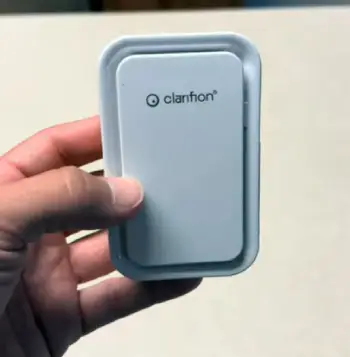
When I first plugged in the Clarifion air ionizer, I honestly didn’t expect much. It’s tiny, almost like a wall nightlight, so it doesn’t give that “serious air purifier” impression.
But within a few days, I started noticing subtle changes in my room.
The first thing I observed was how dust seemed to settle less aggressively on my desk and shelves. I didn’t wake up sneezing as much as I used to, which was a big deal for me since I’m mildly sensitive to dust.
The air didn’t feel dramatically “fresh” like stepping into a mountain breeze, but it did feel lighter and less stuffy.
What I liked most is how effortless it was. There are no buttons, no settings, no filters to wash or replace. You plug it in and forget it exists.
I kept one in my bedroom and another in my small work corner. Over time, I felt the environment became more comfortable, especially during nights when I usually notice stuffiness the most.
However, I also want to be honest with you. If you’re expecting it to perform like a heavy-duty HEPA purifier, you might be disappointed.
It doesn’t eliminate visible particles instantly or handle strong odors from cooking or smoke in a dramatic way. Instead, it works more subtly, maintaining air quality rather than transforming it completely.
For me, it became more of a supportive device rather than a complete solution. I still ventilate my room and clean regularly, but the Clarifion adds a quiet layer of air support that I’ve grown to appreciate.
How Clarifion Air Ionizer Works In Simple Terms?
The Clarifion air ionizer uses negative ion technology. In simple words, it releases negatively charged ions into the air.
These ions attach themselves to airborne particles like dust, allergens, and some pollutants, making them heavier so they fall out of the breathing zone.
So instead of trapping particles in a filter like traditional purifiers, it influences how particles behave in the air. That’s why there’s no filter inside it.
This approach is also why expectations matter. It’s not actively “vacuuming” air like a fan-powered purifier. It’s more like adjusting the environment so particles don’t stay floating as much.
Pros Of Clarifion Air Ionizer
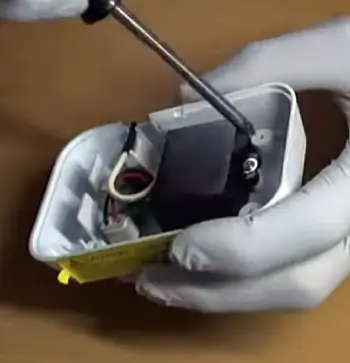
- Extremely simple “plug and forget” design
One of the biggest advantages I noticed immediately is how effortless it is. You literally plug it into a wall socket and it starts working.
There are no buttons, no app, no settings, and no configuration steps.
For someone like me who doesn’t want another device to manage daily, this simplicity is actually refreshing. It just sits there quietly doing its job in the background without demanding attention.
- Completely silent operation
This is one of the most noticeable benefits in real life. There is zero fan noise, no buzzing, and no airflow sound.
I placed it in my bedroom, and I could sleep right next to it without noticing anything running. If you are sensitive to sound while sleeping or working, this is a major advantage over traditional air purifiers that always have some level of fan noise.
- No filters and zero maintenance costs
This is where Clarifion feels different from standard air purifiers. There are:
- No HEPA filters
- No carbon filters
- No replacement schedules
- No cleaning cycles for internal parts
From my experience, this means long-term cost stays extremely low. You just plug it in and forget about ongoing expenses.
However, this also comes with a trade-off
- Very low energy consumption
The device uses minimal electricity. You can run it 24/7 without worrying about your bill.
I personally kept it running continuously in one room, and there was no noticeable impact on energy usage. Compared to larger purifiers, this is a clear advantage.
- Helps reduce light dust settling
After a few days of use, I noticed something interesting: dust didn’t float around as much and seemed to settle faster on surfaces.
This matches how ionizers work—they charge airborne particles so they fall out of the air more quickly. In my case, it didn’t eliminate dust, but it made the air feel slightly less “busy” with particles.
- Can improve perceived air freshness
While it doesn’t add fragrance or actively “clean” the air like a fan system, the environment felt slightly lighter over time.
For me, this was most noticeable in:
- Bedroom air at night
- Small closed rooms
- Areas with mild dust or pet presence
It doesn’t create a dramatic transformation, but it does contribute to a more comfortable atmosphere.
- Compact and travel-friendly size
Because it’s so small, you can move it between rooms easily. I even tested switching it between my bedroom and workspace depending on where I spent more time.
It doesn’t take up any floor or table space, which makes it ideal for small homes or apartments.
- Works quietly in the background without effort
There’s something mentally satisfying about not having to “think” about it. Unlike devices that require filter checks or app monitoring, this one simply runs.
For people who prefer low-intervention home devices, this is a strong point.
Cons Of Clarifion Air Ionizer
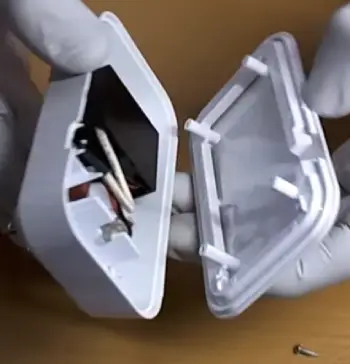
- Doesn’t actively filter or remove particles
This is the most important limitation.
Unlike HEPA purifiers, Clarifion does not physically trap dust, pollen, or pollutants. Instead, it charges particles so they fall onto surfaces.
That means:
- Air may feel cleaner
- But surfaces can collect more dust over time
So instead of removing particles from your home, it shifts where they end up.
- Limited effectiveness for allergies and asthma
If you deal with strong allergies, this device may not be enough on its own.
Based on ionizer technology, it struggles with:
- Fine allergen control compared to HEPA systems
- Consistent removal of pollen or pet dander in heavy conditions
- Deep respiratory sensitivity support
In my experience, it helped slightly with comfort but didn’t fully solve allergy issues.
- Weak performance in larger spaces
One Clarifion unit is designed for small rooms. In bigger open areas, the effect becomes barely noticeable.
I tried using it in a larger living area, and honestly, the impact felt minimal compared to a small bedroom setup.
To get noticeable results, you would need multiple units placed strategically.
- No visible proof of performance
This is something I personally struggled with: you cannot see it working.
There is:
- No air quality indicator
- No particle measurement
- No fan movement
- No feedback system
So you are relying entirely on subtle environmental changes rather than measurable results.
- Does not remove odors effectively in strong cases
It may help slightly with mild smells, but stronger odors like:
- Cooking smells
- Smoke
- Damp room odors
are not fully eliminated.At best, it reduces intensity slightly, but it won’t “clean the air” in a strong sense.
- Possible dust redistribution on surfaces
Because particles settle onto furniture, floors, and walls, you may notice:
- Slightly more visible dust accumulation
- Need for more frequent surface cleaning
So while airborne dust reduces, cleaning shifts from air to surfaces.
- Mixed long-term durability feedback
Some users (and I noticed this concern in broader feedback patterns) report that the device may:
- Stop working after a few months
- Lose its indicator light
- Become inconsistent over time
My own unit worked fine during the testing period, but long-term reliability seems inconsistent across users.
- Ozone concern
Like many ionizers, there is ongoing discussion about ozone byproducts.
While modern devices are generally designed to stay within safety limits, ionizer technology itself has historically raised concerns about:
- Air irritation in sensitive individuals
- Potential respiratory discomfort in poorly ventilated spaces
I personally didn’t experience any irritation, but it’s still something sensitive users should consider.
Maintenance Tips For Clarifion Air Ionizer
- Keep Surrounding Area Clean
Even though the device works on airborne particles, it performs better in a clean environment. I noticed that when I kept my room less cluttered and dusted regularly, the effect felt more noticeable.
- Use in Smaller Spaces for Better Effect
From my experience, it works best in small to medium rooms. In larger open areas, the impact becomes less noticeable. I recommend placing one unit per room rather than expecting a single device to handle everything.
- Avoid Blocking the Outlet Area
Since it plugs directly into the wall, make sure nothing obstructs airflow around it. I once placed it behind furniture, and it felt less effective compared to when it was in an open socket.
- Combine With Natural Ventilation
I found the best results when I also opened windows occasionally. Fresh air circulation combined with ionization creates a more balanced environment.
- Don’t Expect It to Replace Deep Cleaning
This is important. It supports air quality but doesn’t eliminate the need for cleaning floors, bedsheets, or curtains. I treat it as a helper, not a replacement.
- Rotate Between Rooms if Needed
If you have multiple small spaces, you can move it around. I sometimes shift mine between bedroom and study area depending on usage.
Comparison Clarifion Air Ionizer With Other Air Purifier Brands
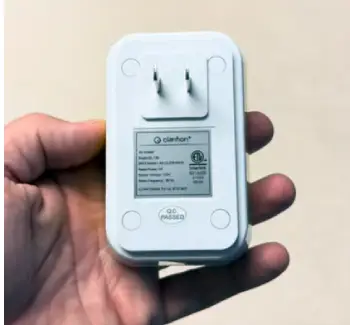
- Clarifion vs HEPA Filter Air Purifiers
When I compare Clarifion with HEPA-based purifiers like larger room units, the difference is very noticeable.
HEPA machines actively pull air through dense filters, capturing up to very fine particles.
You can literally feel airflow movement and see performance changes faster.
Clarifion, on the other hand, is silent and passive. It doesn’t circulate air or physically trap particles.
So if your goal is allergy relief in a heavily polluted environment, HEPA systems clearly outperform it. But if your goal is low-maintenance air support in a small space, Clarifion becomes more appealing.
- Clarifion vs Ionizer + Fan Hybrid Systems
Some modern air purifiers combine ionization with fans. These hybrid systems have more impact because they move air actively while also charging particles.
Compared to those, Clarifion feels more minimal. It doesn’t push air or cover large rooms effectively. However, it wins in simplicity.
There’s no noise, no mechanical wear, and no energy-heavy operation.
- Clarifion vs Smart Air Purifiers
Smart air purifiers often include sensors, app control, and automatic air quality adjustments. Using those feels like having a small air management system in your home.
Clarifion doesn’t compete in that category at all. It’s intentionally basic. While smart purifiers give you real-time data and control, Clarifion gives you plug-and-forget simplicity.
If you enjoy monitoring air quality stats, Clarifion will feel too simple. But if you dislike tech-heavy devices, it may actually feel refreshing.
Frequently Asked Questions (FAQ)
It doesn’t physically filter particles and may not remove all pollutants effectively.
Yes, but results are subtle and best noticed in small, clean spaces over time.
They may reduce airborne particles but cannot fully prevent flu transmission.
HEPA-based medical-grade purifiers are generally recommended.
Wrapping Up
After using Clarifion for a while, I see it as a simple support device rather than a full air purification system.
It works quietly in the background, improves light air quality, and requires almost no effort to maintain. If you want something low-maintenance for everyday air freshness in smaller spaces, it can be a practical choice.
But for serious air filtration needs, you’ll likely need a more powerful system alongside it.
Recent Posts
● Interactive 5-Zone Interior & Exterior Paint Blueprint Paint Coverage Calculator: Gallons, Primer, Square Footage & Cost Tap any architectural surface zone on the blueprint...
If you want smooth, shiny hair without spending a fortune on a premium styling tool, the Ella Bella hair dryer may be worth considering.In these Ella Bella hair dryer reviews, I’ll look...