
I sat down to figure out which pitcher actually delivers cleaner water for everyday use after testing both Clearly Filtered and Epic Water side by side in my kitchen.
My goal here is to break down the real differences so you can decide which one fits your water quality, budget, and habits without the usual marketing fluff.
| Feature | Clearly Filtered | Epic Water (Pure) |
| Contaminants Targeted | 365+ | 200+ |
| Filter Life | ~100 gallons | ~150 gallons |
| Approx. Cost per Gallon | $0.50–0.55 | $0.31–0.41 |
| Upfront Pitcher Price | Around $90 | Around $70–80 |
| Fluoride Reduction | Often near 100% in tests | Variable, sometimes lower |
| PFAS / Microplastics | Strong independent results | Strong independent results |
| Certifications | NSF/ANSI 42, 53, 372 (WQA) | Independent lab tests to NSF standards |
| Warranty | Limited lifetime on pitcher | Lifetime |
| Best Extra Feature | Broadest contaminant list | Nano option for bacteria/viruses |
| Filtration Style | Affinity multi-media | Solid carbon block / CoreXchange |
My Experience Testing Both Pitchers Day To Day
I filled both every morning for weeks, tracked taste, flow, and how often I had to swap filters.
Clearly Filtered felt thorough right away. The water came out flat and clean, no chlorine edge, no metallic hint.
Epic Pure did the same job for most of the usual suspects and kept going longer before the flow slowed.
Both fit fine in a standard fridge door. Both needed a quick prime on the first filter. Neither turned my kitchen into a science experiment.
What stood out was how each handled the stuff I actually worry about. Lead, PFAS, disinfection byproducts, and microplastics show up in a lot of city water reports.
Both brands publish third-party data showing high reduction rates for those. The gap appears when you dig into the full lists and the long-term cost.
Key Differences Between The Clearly Filtered And Epic Water
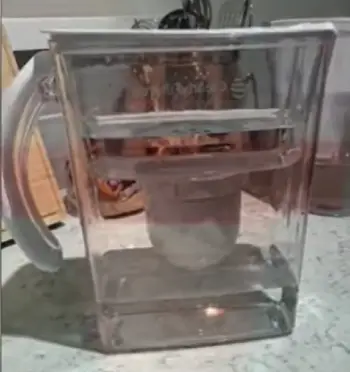
- Contaminant coverage range: Clearly Filtered publishes a longer list that includes more pharmaceuticals, pesticides, and specific PFAS compounds while Epic covers the core health risks most households face and adds a Nano version that targets bacteria and viruses for well water users.
- Filter lifespan and replacement rhythm: Epic’s 150-gallon rating means fewer trips to reorder and Clearly Filtered’s 100-gallon mark lines up closer to a three-to-four-month cycle for a typical family of four.
- Ongoing cost structure: Epic comes out cheaper per gallon once you factor in filter life and subscription discounts while Clearly Filtered costs more to keep running but delivers the wider reduction profile.
- Certification approach: Clearly Filtered carries formal WQA certifications for several standards and Epic relies on independent laboratory results that meet or exceed the same NSF protocols without the official listing on every claim.
- Design and daily feel: Clearly Filtered’s clear body lets you see the water level easily while Epic includes a simple timer on some models that counts down the days until the next change.
These differences matter more than brand loyalty. If your local report shows high fluoride or a long list of emerging contaminants, the extra coverage from Clearly Filtered becomes practical. If you want longer intervals between filter changes and a lower yearly spend, Epic makes more sense.
Key Features Of Clearly Filtered
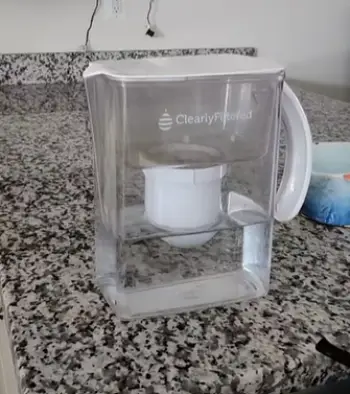
- Affinity Filtration Technology: Multiple media layers work together to grab a wider range of molecules than basic carbon alone and the design aims to hold onto contaminants without stripping every mineral.
- High published reduction rates: Independent tests repeatedly show near-complete removal of chlorine, many disinfection byproducts, lead, arsenic, and selected PFAS with fluoride reduction often hitting 100 percent in lab reports.
- Material safety focus: The pitcher uses medical-grade Tritan that is free of BPA, BPS, and phthalates and the body itself carries lead-free certification.
- Straightforward gravity operation: No electricity and no plumbing are required so you simply fill the top, wait, and pour from the bottom with a capacity around ten cups that works for most households.
- Subscription and guarantee options: Auto-ship discounts lower the filter price and a satisfaction window lets you send it back if the performance does not match expectations.
I noticed the filtration speed slowed as the filter approached the end of its life, which is common with denser media. The lid design can feel a bit loose when the pitcher is full, but it never leaked on the counter.
Pros Of Clearly Filtered
- Widest contaminant list among pitcher filters: When your water report includes pharmaceuticals or multiple PFAS compounds the extra coverage provides measurable peace of mind for households that want the broadest safety net available in a simple pitcher format.
- Strong independent test data on fluoride and heavy metals: Lab results often show complete or near-complete reduction where other pitchers leave residual levels and this stands out in side-by-side comparisons.
- Mineral retention: Beneficial minerals such as calcium and magnesium stay in the water so the taste remains refreshing rather than completely stripped like reverse osmosis systems can produce.
- Certified materials and lead-free construction: Formal certifications give an extra layer of verification that the pitcher itself does not add contaminants during normal use.
- Clear visual design: You always know how much filtered water remains without lifting the lid which makes daily checking quick and simple.
The thoroughness shows up in daily use. Coffee and tea tasted cleaner. Ice cubes lacked the faint chlorine note I used to notice. The trade-off sits in the higher filter cost and slightly longer wait for a full pitcher.
Cons Of Clearly Filtered
- Higher ongoing filter expense: Replacement cartridges run higher per gallon than most competitors so annual costs climb for larger households that go through filters more quickly.
- Slower fill times near the end of filter life: Gravity filtration through denser media can stretch to fifteen or twenty minutes when the filter is aging and this becomes noticeable during busy mornings.
- Lid design quirks: Some users report the lid shifting during pours which becomes noticeable when the pitcher is full and can feel less secure over time.
- No built-in replacement reminder: You track gallons or calendar days yourself unless you set a phone alert which adds a small extra step compared with models that include a timer.
- Premium pricing across the board: The initial pitcher and every subsequent filter sit at the higher end of the category so budget-focused buyers may look elsewhere first.
These drawbacks did not stop me from recommending it to friends whose water reports showed elevated fluoride or multiple emerging contaminants. The performance data simply outweighed the cost for those situations.
Key Features Of Epic Water
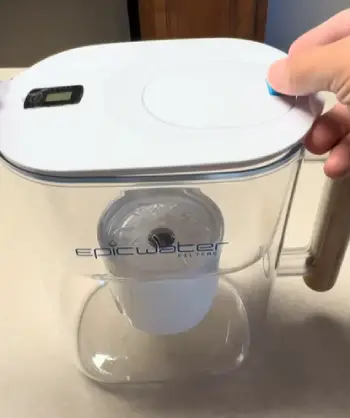
- Solid carbon block with CoreXchange dual-layer media: An outer nano-fiber layer captures fine particles while the carbon core handles chemicals and taste compounds so the combination targets microplastics and a solid list of everyday contaminants.
- Longer filter capacity: One hundred fifty gallons stretches the time between changes and for a household that drinks two to three gallons a day that can mean four to five months of use.
- Lifetime warranty on the pitcher: The company stands behind the housing for as long as you own it and that level of coverage is rare in the pitcher category.
- Made-in-USA manufacturing and recycling program: Filters ship from Colorado and the brand runs a take-back system that trades used filters for free replacements after a certain number.
- Nano option for microbiological concerns: The Nano filter adds bacteria and virus reduction which opens the door for well water or travel use where municipal treatment is absent.
Epic’s flow stayed more consistent across the filter life in my tests. The built-in timer removed the guesswork of tracking gallons. Taste stayed neutral without the flat character some people notice after heavy filtration.
Pros Of Epic Water
- Lower cost per gallon over time: Longer filter life and competitive replacement pricing keep the yearly expense manageable for families that want solid performance without stretching the budget.
- Lifetime warranty and solid customer support options: Knowing the pitcher itself is covered indefinitely removes one common worry and gives long-term ownership confidence.
- Effective reduction of microplastics and PFAS: Independent tests confirm high removal rates for the particles and chemicals many people now prioritize in their drinking water.
- Consistent flow and convenient timer: Daily use feels smoother because the filter maintains speed longer and the timer handles the reminder so you spend less time thinking about maintenance.
- Eco-conscious extras: Recycling program, domestic manufacturing, and reduced plastic packaging appeal to households trying to lower waste while still getting reliable filtration.
Epic earned a permanent spot on my counter for everyday drinking water. The combination of performance, price, and the longer interval between changes made it the practical daily driver.
Cons Of Epic Water
- Shorter published contaminant list: While the core health risks are covered well the total number sits below Clearly Filtered’s count and this may matter if your water report is especially complex.
- Variable fluoride performance in some independent tests: Certain lab reports showed lower reduction percentages compared with Clearly Filtered on the same water sample so results can depend on the specific source water.
- Design details that some users find less refined: The plastic feel and occasional reports of untreated water bypassing when the upper reservoir is overfilled appear in user feedback and can affect the overall experience.
- Limited formal NSF listings: Heavy reliance on independent lab data rather than official certifications can matter to buyers who prioritize third-party verification stamps on every claim.
- Customer service mixed reviews in some channels: A few unresolved complaints around subscriptions appear in public records though many owners report smooth experiences overall.
None of these issues prevented Epic from performing well in my kitchen. They simply shape the decision for people who want every possible contaminant addressed or who prefer official certification logos.
How The Two Compare On The Contaminants That Matter Most?
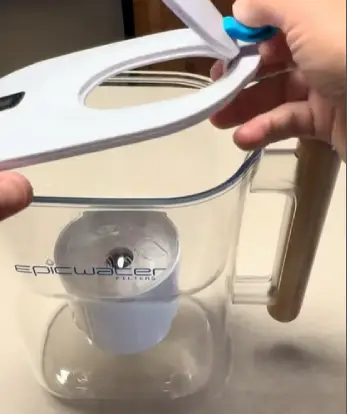
Both remove chlorine completely in standard tests. Both handle lead, mercury, and many disinfection byproducts at high rates.
Microplastics reduction sits above 99 percent for both according to manufacturer and third-party data. PFAS reduction is strong in both cases, though specific compounds can vary by test.
Fluoride is the clearest separator. Clearly Filtered regularly posts near-total reduction. Epic’s results fluctuate more across different water sources and test protocols.
If fluoride sits high on your local report, that single factor can tip the scale.
Nitrate reduction stays modest for both. Neither replaces a specialized system if agricultural runoff is a major issue.
Beneficial minerals remain in the water with both, which keeps the taste from turning flat the way reverse osmosis can.
Real-World Cost Over A Year
Assume a family drinks roughly three gallons a day. Clearly Filtered requires about eleven filters a year at current pricing, landing near $400–450 before discounts.
Epic needs roughly seven to eight filters and lands closer to $200–250 with subscription savings.
The gap widens or narrows depending on household size and whether you join the auto-ship programs.
Upfront cost favors Epic by a small margin. Long-term ownership favors Epic for most average households. The premium for Clearly Filtered buys the broader contaminant list and stronger fluoride data.
Who Should Choose Which Pitcher?
Choose Clearly Filtered when your water report lists elevated fluoride, multiple PFAS compounds, or a long roster of pharmaceuticals and pesticides.
The extra coverage and formal certifications justify the higher running cost for those situations.
Choose Epic Pure when you want solid all-around performance, longer filter intervals, lower annual spend, and a lifetime warranty. Add the Nano version if bacteria or viruses appear in well water tests.
Both beat basic carbon pitchers by a wide margin on the contaminants that actually affect health.
Neither matches a full reverse osmosis system for total dissolved solids, but both keep minerals that many people prefer for taste and daily mineral intake.
Frequently Asked Questions (FAQ)
No single brand wins every category. Clearly Filtered leads on contaminant count and fluoride data. Epic leads on value, filter life, and warranty. Match the brand to your specific water report.
Yes. Independent testing shows over 99 percent reduction for the Pure and Nano filters.
Yes. They deliver strong performance on PFAS, lead, chlorine, and microplastics at a competitive cost per gallon and come with a lifetime warranty.
The healthiest option is the one that targets the contaminants actually present in your water. Test first, then choose the filter whose data matches those results. Both brands perform well for typical municipal water concerns.
Final Thoughts
I started this comparison wanting one clear winner.
What I found instead is two strong pitchers that solve the same core problem with different strengths.
Clearly Filtered gives you the widest safety net and the strongest fluoride numbers. Epic gives you longer intervals, lower yearly cost, and a warranty that lasts as long as the pitcher does.
You now have the side-by-side data, the daily-use notes, and the cost reality. Check your latest water quality report, decide which contaminants matter most in your home, and pick the pitcher that lines up with those priorities.
Clean water is not complicated once you match the tool to the job. Both of these tools do that job well when you choose them for the right reasons.
Recent Posts
● Interactive 5-Zone Interior & Exterior Paint Blueprint Paint Coverage Calculator: Gallons, Primer, Square Footage & Cost Tap any architectural surface zone on the blueprint...
If you want smooth, shiny hair without spending a fortune on a premium styling tool, the Ella Bella hair dryer may be worth considering.In these Ella Bella hair dryer reviews, I’ll look...