
I tested ClearVision glass cleaner with one simple goal: to see whether it could actually deliver the streak-free, crystal-clear finish I wanted.
Unfortunately, my experience, combined with the recurring complaints I found around the product, left me unconvinced.
I wouldn’t recommend buying ClearVision if your priority is dependable cleaning, easy application, and consistently spotless glass.
There are better-established alternatives that can give you more confidence and fewer frustrations for everyday window and glass cleaning.
My First Experience With ClearVision Glass Cleaner
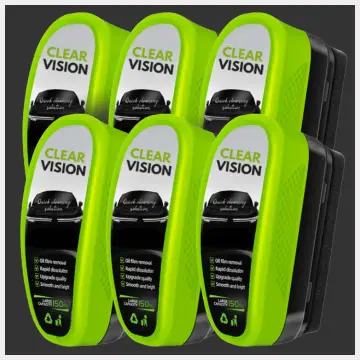
When I first looked at ClearVision glass cleaner, the product seemed to promise exactly what I wanted from a glass-cleaning solution.
Cleaning windows sounds simple, but getting genuinely clear glass without streaks, haze, residue, or repeated wiping can be surprisingly difficult.
I wanted something that would make my cleaning routine faster rather than turn it into a second job.
I started by using the cleaner on ordinary household glass.
I wasn’t dealing with extremely dirty windows at first. Instead, I wanted to see how the product handled the everyday mess that glass collects: fingerprints, light dust, smudges, water marks, and the slightly cloudy film that develops over time.
My first impression was mixed.
The cleaner appeared capable of loosening ordinary surface grime, but the final finish didn’t impress me enough to make me want to replace a glass cleaner I already trusted.
For me, the real test isn’t whether a product can remove dirt. Most glass cleaners can do that to some degree. The important question is what the glass looks like after the cleaner dries.
That’s where ClearVision became less convincing.
I noticed that getting a truly clean-looking surface required more attention than I expected. I had to pay close attention to how much product I applied and how quickly I wiped it.
Too much cleaner can leave moisture behind, while insufficient wiping can result in visible marks. Instead of simply spraying, wiping, and moving on, I found myself checking the glass from different angles.
That isn’t necessarily a deal-breaker with every cleaning product, but it matters when a product is supposed to make glass cleaning easier.
I also tested it on mirrors and other smooth glass surfaces because those are particularly unforgiving.
A small amount of residue that might go unnoticed on a regular window can become obvious on a mirror when light hits it. Again, the results weren’t terrible, but they weren’t sufficiently impressive for me to overlook the product’s shortcomings.
One thing I always consider when testing a household cleaner is consistency. I don’t want a product that performs beautifully under perfect conditions but becomes frustrating when I’m cleaning several windows at once. I want predictable results whether I’m cleaning the bathroom mirror, a patio door, a car window, or a kitchen glass surface.
ClearVision didn’t give me enough confidence in that area.
Another concern is the broader customer feedback surrounding the product. When a cleaner receives repeated complaints from buyers, I don’t think those comments should automatically be dismissed. Individual experiences can vary, of course, and one unhappy customer doesn’t prove that a product is universally poor. But when similar concerns appear repeatedly, I take them seriously.
That was especially important here because I wasn’t already impressed enough by my own experience to give the product the benefit of the doubt.
For me, a good glass cleaner should make the process feel effortless. I should be able to spray a reasonable amount, wipe with a suitable cloth, and get a clean surface without having to repeatedly polish the glass afterward.
ClearVision didn’t consistently meet that standard.
I also found that the cleaning technique made a major difference. Using too much product can make almost any glass cleaner look worse. A clean microfiber cloth worked better than an old paper towel or rough cleaning rag. I also got better results when I worked in manageable sections rather than spraying an entire window at once.
That taught me something important: sometimes the problem isn’t only the formula. Technique, cloth quality, surface temperature, and the amount of cleaner all affect the final result.
Still, I don’t think consumers should have to work excessively hard to compensate for a mediocre cleaner.
If you’re already comfortable with careful glass-cleaning techniques, you may be able to get acceptable results from ClearVision. But if you’re looking for a product that makes the task noticeably easier, I don’t think this is the option I’d choose.
My overall experience was therefore more disappointing than exciting. ClearVision can clean glass, but that’s a fairly low bar. What I really wanted was a cleaner that combined strong dirt removal with a consistently clear, streak-free finish. Based on my experience, I wouldn’t make ClearVision my first choice.
Pros Of ClearVision Glass Cleanar
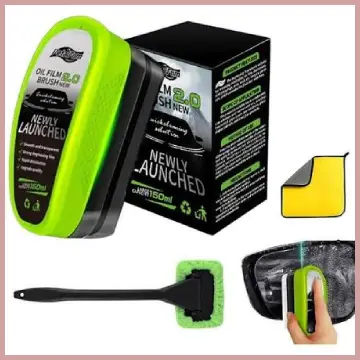
- It Can Remove Basic Surface Dirt
The most obvious positive is that ClearVision can handle basic dirt.
If your glass has fingerprints, light dust, or everyday smudges, the cleaner can help loosen and remove them.
I don’t want to pretend that the product does absolutely nothing. It wouldn’t be fair to say that. There is some cleaning ability here, especially when the glass isn’t heavily contaminated.
For quick touch-ups, that basic cleaning performance can be useful.
- Easy Spray-and-Wipe Application
Another positive is the familiar spray-and-wipe format. I appreciate cleaning products that don’t require complicated preparation. You don’t have to mix multiple ingredients or follow an elaborate process.
For someone who simply wants to clean a mirror or window, the basic application process is straightforward.
However, simplicity of application doesn’t necessarily mean simplicity of achieving a perfect finish.
- Suitable for Routine Glass Cleaning
ClearVision can potentially be used for ordinary household glass-cleaning tasks. If you’re maintaining relatively clean surfaces rather than tackling years of buildup, it may provide satisfactory results with the right technique.
I found that using a small amount and working with a clean microfiber cloth gave me better results than applying a heavy spray.
- Familiar Household-Cleaning Approach
The product fits into the normal glass-cleaning routine most people already know. Spray, wipe, inspect, and polish if necessary.
That familiarity is convenient, especially for people who don’t want to learn an entirely different cleaning method.
Cons Of ClearVision Glass Cleaner

- Streaks Can Be a Problem
This is probably my biggest complaint.
The whole reason I use a dedicated glass cleaner is to get a clear, polished surface. If I still have to spend extra time removing streaks afterward, the product loses some of its appeal.
The final appearance wasn’t consistently as clean as I wanted.
- Results Can Depend Heavily on Technique
I found myself paying more attention to spray quantity and wiping technique than I would prefer.
A good glass cleaner should certainly be used correctly, but it shouldn’t feel excessively sensitive to small differences in application.
- Not the Most Convincing Choice for Large Cleaning Jobs
If you’re cleaning multiple windows, sliding doors, mirrors, or other large glass surfaces, consistency becomes even more important.
I wouldn’t want to spend an entire afternoon repeatedly checking and polishing glass. For larger cleaning projects, I’d rather use a product that has a stronger reputation for predictable results.
- Customer Feedback Raises Concerns
The negative feedback surrounding ClearVision is another reason I’m cautious.
Reviews should always be interpreted carefully. People have different expectations, cleaning habits, and circumstances. However, repeated complaints about a product can signal that it isn’t delivering the experience buyers expected.
Because my own experience wasn’t strong enough to counter those concerns, I wouldn’t recommend taking a chance on it.
- It Doesn’t Stand Out Enough
This is perhaps the biggest issue overall.
There are many glass cleaners available. Therefore, a product needs to give me a compelling reason to choose it.
ClearVision didn’t provide enough of a performance advantage for me to overlook its drawbacks.
Maintenance Tips For ClearVision Glass Cleaner
- Use a Clean Microfiber Cloth
This is one of the biggest improvements you can make.
I strongly prefer microfiber when cleaning glass because it picks up residue and dust without leaving the same amount of lint that some ordinary cloths can leave behind.
If your cloth is dirty, greasy, or overloaded with detergent residue, even a good glass cleaner can produce disappointing results.
I recommend using a dedicated microfiber cloth for glass.
- Don’t Overspray
More cleaner doesn’t automatically mean cleaner glass.
In fact, excessive product can make your job harder. Too much moisture can take longer to remove and may leave streaks or residue behind.
I found that a light, controlled application was more practical.
Start with less. You can always add a little more if necessary.
- Clean Small Sections
When I’m cleaning a large window, I prefer working in sections.
Spraying the entire surface at once may allow portions of the cleaner to dry before I reach them. Once that happens, I may have to work harder to achieve a uniform finish.
By cleaning smaller sections, I have better control over the product and can wipe each area while it’s still manageable.
- Avoid Cleaning Hot Glass
Direct sunlight and high surface temperatures can make glass cleaning more difficult.
When the glass is hot, cleaning solution may dry quickly. That can increase the likelihood of streaking and make the wiping process more frustrating.
I prefer cleaning windows when they’re cooler and away from intense direct sunlight.
- Change Your Cloth When It Becomes Saturated
A microfiber cloth can only absorb so much moisture and grime.
If I’m cleaning several windows, I don’t continue using the same heavily saturated cloth indefinitely. At some point, I’m just spreading moisture and residue around.
Having multiple clean cloths available makes the job much easier.
- Wipe in a Consistent Pattern
Random wiping can make it harder to identify where streaks are coming from.
I prefer using deliberate strokes and then checking the surface from different angles. This helps me identify remaining marks before I move to the next section.
For particularly large panes, I find vertical or horizontal passes easier to control.
- Inspect Glass Under Different Lighting
A window can look perfect from one angle and reveal streaks when sunlight hits it.
That’s why I don’t judge the finish from only one position.
After cleaning, I move around and inspect the surface under different lighting conditions. It takes only a few seconds and can save me from discovering streaks later.
- Keep the Bottle Properly Stored
Household cleaning products should be stored according to their label instructions and kept away from children and pets.
I also avoid leaving cleaning bottles in extreme heat or direct sunlight unless the product specifically indicates that such storage is acceptable.
Proper storage helps preserve the product and reduces unnecessary safety risks.
- Don’t Mix Cleaning Chemicals
This is an important rule regardless of which glass cleaner you use.
I wouldn’t combine ClearVision with another cleaning chemical simply because I think the mixture might work better. Mixing household cleaners can produce dangerous fumes or unwanted chemical reactions.
If a surface needs a different treatment, I clean and rinse it appropriately before switching products.
- Keep Your Spray Nozzle Clean
If the nozzle becomes clogged or develops residue, the spray pattern can become uneven.
That can lead to inconsistent application across the glass.
I like checking the nozzle occasionally and cleaning it according to the product’s instructions if buildup appears.
- Clean the Surrounding Frame Too
Sometimes what looks like dirty glass is actually residue around the frame or edges.
I find it helpful to clean the window frame, sill, and surrounding areas before doing the final glass polish. Otherwise, dust and grime can transfer back onto the freshly cleaned surface.
Comparison Of ClearVision Glass Cleaner With Other Brands
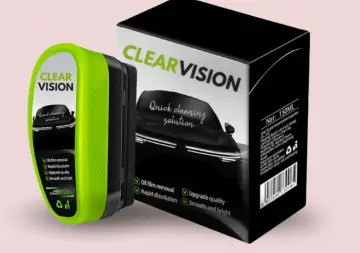
- ClearVision vs. Established Glass Cleaners
When I compare ClearVision with more established glass-cleaning products, my biggest consideration is consistency.
A familiar household glass cleaner may not be revolutionary, but if I can reliably use it for mirrors, windows, doors, and other glass surfaces without excessive polishing, that’s valuable.
ClearVision didn’t give me enough of an advantage to make switching worthwhile.
- ClearVision vs. Ammonia-Free Options
Ammonia-free glass cleaners can be attractive for people who prefer a gentler-feeling household cleaning routine or want a product designed for particular surfaces.
When comparing these options with ClearVision, I would pay attention to the intended surfaces, residue control, scent, and drying behavior.
For me, the most important factor remains the final finish. A cleaner that requires fewer follow-up wipes has a practical advantage.
- ClearVision vs. Premium Glass Cleaners
Premium cleaners can cost more, but price isn’t the only thing I consider.
If a higher-priced product saves me time, produces fewer streaks, and works consistently, I may consider that extra cost worthwhile.
ClearVision didn’t convince me that choosing it was the smarter value.
- ClearVision vs. DIY Glass-Cleaning Solutions
Some people prefer making their own glass-cleaning solution using common household ingredients.
I’ve tried DIY approaches before, and they can work under the right circumstances. However, they require correct ratios, suitable cloths, and careful application.
ClearVision has the convenience advantage of being ready to use, but convenience only matters if the performance justifies choosing it.
- ClearVision vs. Microfiber-Based Cleaning Methods
Another approach is to minimize cleaning solution altogether and rely on high-quality microfiber cloths with an appropriate amount of water or a specialized glass-cleaning cloth.
I find this interesting because sometimes the cloth makes a bigger difference than expected.
If I’m still required to polish heavily after using ClearVision, a good microfiber-based cleaning method may be simpler and less expensive.
Who Should Consider ClearVision?
I don’t see ClearVision as a product that nobody could possibly use successfully.
If you already have it, your glass isn’t heavily dirty, and you’re willing to spend some time adjusting your cleaning technique, you may find it adequate for occasional use.
People who are particularly sensitive to price may also consider it if they can obtain it at a very low cost.
But those are fairly limited reasons.
If you’re shopping specifically for a dependable glass cleaner, I would look elsewhere first.
Who Should Avoid ClearVision?
I would avoid ClearVision if you want consistently streak-free results with minimal effort.
I’d also be cautious if you’re planning to use it for a large number of windows or other extensive glass-cleaning jobs. That’s where inconsistent results become particularly annoying.
And if customer feedback is an important part of your buying decision, the negative reviews should give you pause.
I wouldn’t ignore those concerns simply because the product has some positive characteristics.
Is ClearVision Glass Cleaner Worth Buying?
For me, the answer is no.
The product isn’t completely useless. It can clean basic dirt, and its spray-and-wipe format is convenient. But that’s not enough to make it a strong recommendation.
When I spend money on a dedicated glass cleaner, I expect more than basic dirt removal. I want a clean, polished finish, predictable results, and a process that doesn’t require excessive effort.
ClearVision didn’t consistently deliver that experience for me.
The negative customer feedback also makes me less comfortable recommending it to someone who hasn’t purchased it yet. If I were starting from scratch and had several products to choose from, I’d rather select one with a stronger reputation for dependable glass-cleaning performance.
In other words, I don’t think you should buy ClearVision simply because it promises crystal-clear glass. The actual cleaning experience matters more than the marketing promise.
Also Read: Is Corvante Glasses Cleaner Worth It?
Frequently Asked Questions (FAQ)
There isn’t one universal winner because the best glass cleaner depends on the surface, level of dirt, desired finish, scent preference, and cleaning method. I would prioritize a cleaner that consistently removes grime without leaving noticeable streaks or residue.
ClearVision may be offered through different online sellers or marketplaces depending on availability. Before purchasing, I would carefully check the seller, return policy, ingredients or product information, and recent customer feedback.
How long a bottle lasts depends on how frequently you clean, how many surfaces you treat, and how much product you spray each time. Light household use will naturally make a bottle last longer than frequent cleaning of multiple large windows.
Consumer Reports has evaluated cleaning products and household cleaners over time, but recommendations can change as products and testing results are updated. I wouldn’t rely on a single older ranking. Instead, check the most current Consumer Reports testing if that specific recommendation is important to your purchase.
Final Verdict
After considering my own experience and the concerns reflected in customer feedback, I wouldn’t recommend buying ClearVision glass cleaner.
It handles basic cleaning, but the performance isn’t convincing enough for me to overlook the possibility of streaks, inconsistent results, and extra wiping.
If you’re looking for a dependable glass cleaner, I’d choose a more established alternative with a stronger track record.
You deserve a product that makes your cleaning routine easier rather than one that leaves you wondering whether the glass is actually clean.
Recent Posts
● Interactive 5-Zone Interior & Exterior Paint Blueprint Paint Coverage Calculator: Gallons, Primer, Square Footage & Cost Tap any architectural surface zone on the blueprint...
If you want smooth, shiny hair without spending a fortune on a premium styling tool, the Ella Bella hair dryer may be worth considering.In these Ella Bella hair dryer reviews, I’ll look...