
You know that moment when you discover something simple that changes your daily routine for the better? That’s what happened to me with Cliganic essential oils.
If you’re tired of synthetic scents and want pure, organic options that actually work for relaxation, skincare, or even freshening up your space, these are a must-buy.
They’re affordable, high-quality, and backed by certifications that give you peace of mind.
Trust me, once you try them, you’ll wonder why you waited so long. Go ahead and add them to your cart—you won’t regret it.
My First Journey With Cliganic Essential Oils
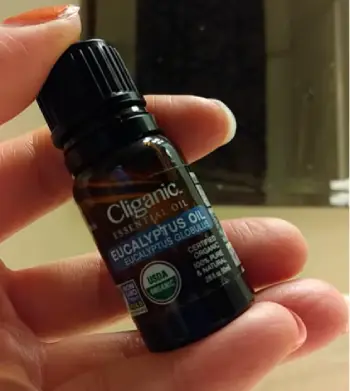
I first stumbled upon Cliganic essential oils about a year ago during a particularly stressful work week.
I was scrolling through online recommendations, looking for something natural to help me unwind without breaking the bank.
I’d heard mixed things about big-name brands being overpriced or questionable in quality, so I decided to give Cliganic a shot because of their USDA organic certification and the rave reviews on affordability.
Let me tell you, unboxing that set felt like opening a treasure chest of nature’s best aromas.
The top 5 classics set—peppermint, lavender, eucalyptus, lemongrass, and orange—arrived in sturdy glass bottles with droppers, which made it easy to use right away.
I started with lavender in my diffuser that evening. The scent filled my living room gently, not overpowering like some oils I’ve tried before.
It helped me relax after a long day, and I even noticed it eased my occasional headaches. You know how sometimes scents can feel artificial? This was pure, like walking through a field of fresh lavender.
I mixed a few drops with my carrier oil for a quick temple rub, and it became my go-to ritual.
Next, I experimented with peppermint for focus. During remote work sessions, I’d dab a bit on my wrists or add it to a homemade room spray.
The invigorating minty kick kept me alert without the jitters from extra coffee. I remember one afternoon when I was dragging; a whiff of peppermint mixed with orange perked me right up.
It was like a natural energy boost. And for eucalyptus, I used it in my shower routine— a couple of drops on the floor turned my bathroom into a spa.
The steam carried the scent, clearing my sinuses during allergy season. It felt therapeutic, almost like a mini eucalyptus forest escape.
Lemongrass became my kitchen hero. I added it to a DIY cleaner for countertops, and it cut through grease while leaving a fresh, citrusy vibe that made chores less dreadful. Orange oil? Perfect for uplifting moods. I’d blend it with lavender for bedtime, creating a calming yet cheerful atmosphere.
Over months, I incorporated them into skincare too—diluting tea tree (from their extended line) for spot treatments worked wonders on breakouts without drying my skin.
What stood out was the consistency. Each bottle delivered the same potency, no weak batches. I appreciated the non-GMO and cruelty-free labels; it aligned with my values. Sure, they’re not the priciest out there, but that didn’t mean skimping on quality.
I’ve shared them with friends, and we’ve swapped blends for everything from yoga sessions to pet-safe fresheners.
If you’re new to this, start small like I did— you’ll find yourself reaching for them daily. It’s transformed how I approach wellness, making it feel accessible and fun.
Pros Of Cliganic Essential Oils
Cliganic essential oils have quickly become staples in my routine, and for good reason. Let me share what makes them shine from my perspective as someone who’s tried a bunch.
- Affordability Without Compromising Quality
You and I both know that wellness products can get pricey fast, but Cliganic keeps things reasonable.
Their sets, like the top 5 classics, often cost under $20, yet they’re USDA organic certified.
That means you’re getting pure oils without fillers or synthetics. I’ve compared prices, and for the quality—third-party tested for purity—it’s a steal.
No need to join some membership club; just straightforward value that fits any budget.
- Versatility for Everyday Use
These oils adapt to whatever you need. Take peppermint: I use it for focus during work or to soothe an upset stomach by inhaling directly.
Lavender helps with sleep, but I’ve also mixed it into lotions for dry skin relief. Eucalyptus clears my head in the mornings, and lemongrass repels bugs naturally when I diffuse it outdoors.
Orange lifts spirits on gloomy days. The point is, one bottle serves multiple purposes, making your investment go further.
I’ve even created custom blends for friends’ gifts, and they always rave about how effective they are.
- Purity and Certifications That Build Trust
What sets Cliganic apart is the transparency. Each batch is third-party tested, ensuring no contaminants. They’re non-GMO verified, vegan, and cruelty-free—no animal testing here.
As someone who cares about ethics, this matters. The oils are 100% pure, single-ingredient, so you get the real deal.
I’ve noticed the difference in scent strength compared to cheaper alternatives; it’s authentic and potent without being harsh.
- User-Friendly Packaging and Application
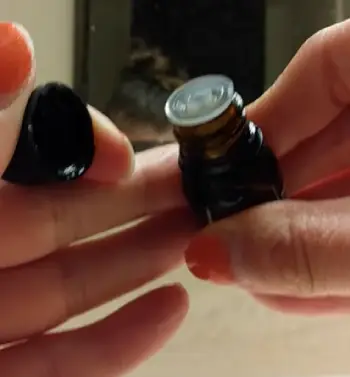
The bottles come with euro droppers, which prevent waste and make measuring easy.
No spills or guesswork. They’re dark glass to protect from light, keeping the oils fresh longer.
I love how compact they are—perfect for travel or stashing in a drawer. Plus, the labels are clear, listing origins and uses, which helps beginners like you get started confidently.
- Positive Impact on Well-Being
From my experience, these oils genuinely enhance daily life. They’ve helped me manage stress, improve sleep, and even boost my skincare routine.
Diffusing them creates a welcoming home environment, and topically (always diluted), they’ve soothed minor aches.
It’s not just hype; the natural compounds work subtly but effectively. If you’re seeking holistic support, Cliganic delivers without overwhelming your senses.
Cons Of Cliganic Essential Oils
No product is perfect, and Cliganic has a few drawbacks worth mentioning. I’ll be honest about what I’ve encountered.

- Sourcing Details Could Be More Specific
While they’re globally sourced and bottled in the USA, the exact origins aren’t always pinpointed per batch.
For some oils, multiple countries are listed, which might concern purists who want precise traceability.
I’ve found the quality consistent, but if you’re super detail-oriented, this vagueness could bother you.
- Potential for Sensitivity in Some Users
These are potent oils, so if you have sensitive skin, always patch test.
I’ve had no issues, but a friend mentioned mild irritation with undiluted tea tree.
Dilution is key, but beginners might overlook that.
Also, some scents, like eucalyptus, can be strong—great for clearing sinuses but overwhelming in small spaces.
- Limited Variety Compared to Bigger Brands
Cliganic offers core favorites, but if you want exotic or rare oils, their selection is more basic.
I’ve had to supplement with other brands for things like frankincense blends.
It’s not a deal-breaker, but for avid collectors, it might feel restrictive.
- Availability Fluctuations
Sometimes popular sets sell out online, forcing you to wait or buy singles.
I’ve experienced this during peak seasons, which is frustrating when you need a quick refill.
Brick-and-mortar stores carry them less often, so online shopping is your best bet.
- Environmental Concerns in Testing
One report I came across mentioned phthalates in some essential oils, including a few from Cliganic.
While their testing claims purity, this raised an eyebrow.
I haven’t noticed issues, but it’s something to consider if you’re extra cautious about contaminants.
Tips For Cliganic Essential Oils
Keeping your Cliganic oils in top shape ensures they last and perform well. Here’s how I handle mine, broken down for you.
- Proper Storage to Preserve Potency
Store them in a cool, dark place away from sunlight and heat. I keep mine in a wooden box in my bedroom drawer—temperatures around 60-70°F are ideal.
Avoid bathrooms or kitchens where humidity fluctuates; it can degrade the oils.
Dark glass bottles help, but extra protection like a cabinet prevents oxidation. This way, your lavender stays as fresh as day one.
- Dilution Techniques for Safe Use
Always dilute before skin contact. I mix 2-3 drops per teaspoon of carrier oil like jojoba or coconut. For baths, add to Epsom salts first to disperse evenly.
In diffusers, follow the model’s guidelines—usually 3-5 drops per 100ml water.
This prevents irritation and extends the oil’s life. If you’re making sprays, use distilled water and a bit of alcohol for emulsification.
- Cleaning Your Diffuser Regularly
After each use, wipe your diffuser with a soft cloth and run a cycle with white vinegar water (1:1 ratio) to remove residue. I do this weekly to avoid buildup.
For stubborn spots, soak removable parts in soapy water. Dry thoroughly before storing.
This keeps scents pure and your device running smoothly—no mixing of old aromas with new ones.
- Shelf Life Monitoring and Rotation
Most Cliganic oils last 1-3 years if stored right.
Check for changes in color, thickness, or smell—if it’s off, toss it. I label bottles with purchase dates and rotate stock, using older ones first.
Citrus oils like orange oxidize faster, so use them within a year. This habit saves money and ensures efficacy.
- Blending and Customization Best Practices
Start simple: 2-3 oils max per blend. I follow ratios like 30% top note (lemongrass), 50% middle (lavender), 20% base (if adding one).
Test small batches. Store blends in separate bottles, labeled clearly.
For topical use, keep concentrations low—1-2% for adults. This experimentation keeps things fun while maintaining safety.
- Safety Precautions for Household Use
Keep out of reach of kids and pets—these are concentrated. If ingested, seek help immediately.
Pregnant? Consult a doctor.
I always ventilate rooms when diffusing and avoid direct inhalation for long periods. Patch test new blends on your inner arm. Following these keeps everyone safe and enjoying the benefits.
Comparing Cliganic To Other Brands
When stacking Cliganic against competitors, it’s clear where it excels and where others might edge it out. I’ve used several, so let’s break it down.

- Cliganic Versus doTERRA
doTERRA boasts award-winning purity, like their 2026 Oprah nod for best essential oils, but it’s pricier due to the MLM model.
You often need a membership for deals, pushing costs up—lavender might run $20+ versus Cliganic’s under $10. Cliganic matches in organic certification and third-party testing, but without the markup.
doTERRA’s sourcing is detailed, from specific farms, while Cliganic’s is broader globally. If you value exclusivity, doTERRA wins; for everyday affordability, Cliganic is your pick.
I found Cliganic’s scents just as potent for aromatherapy, minus the hype.
- Cliganic Versus Young Living
Young Living emphasizes seed-to-seal control, owning farms for traceability, which appeals to purists.
Their oils feel premium, but again, MLM inflates prices—peppermint could cost double Cliganic’s.
Cliganic offers similar purity with USDA organic and non-GMO stamps, but less farm-specific info.
Young Living has vast variety, including rares like helichrysum, where Cliganic sticks to basics.
Ethically, both are cruelty-free, but Young Living’s internal testing versus Cliganic’s independent labs gives a slight trust edge to the latter for me. Overall, if budget matters, Cliganic provides comparable wellness without the premium tag.
- Cliganic Versus Plant Therapy
Plant Therapy shines with GC/MS reports per batch, offering transparency Cliganic matches through third-party purity tests but not always batch-specific.
Prices are similar—both affordable non-MLMs—but Plant Therapy’s kid-safe lines and organics give it a family-friendly nod.
Cliganic’s sets are great starters, with consistent quality in my use, though Plant Therapy’s lavender felt slightly more floral.
Both are Leaping Bunny certified, vegan-friendly. For versatility, they’re neck-and-neck; I alternate based on sales. If detailed analytics matter, Plant Therapy pulls ahead, but Cliganic’s simplicity wins for quick, reliable grabs.
Also Read: Is Evermore Oil Dispenser Worth It?
Frequently Asked Questions (FAQ)
doTERRA, based on recent awards like the 2026 Oprah Daily Self-Care O-wards.
Yes, each batch undergoes independent lab testing for purity.
Avoid overpriced MLMs like doTERRA and Young Living, plus cheap Amazon brands with potential adulteration.
Bottled in the USA with ingredients sourced globally.
Wrapping Up
In the end, Cliganic essential oils have proven themselves as reliable, pure companions in my life.
With their organic edge and real results, they’re worth every penny.
If you’re ready for natural wellness that fits your routine, don’t hesitate—pick up a set today.
You’ll thank yourself for the calm and clarity it brings.
Recent Posts
I spent months comparing budget options against established names after my last set of tires wore out sooner than expected.My goal here is to share what I learned from putting Dextero and...
AquaTru Carafe Vs. Classic: Which Is Actually Fits Your Kitchen?
I decided to write this comparison after months of testing both the AquaTru Carafe and the Classic in my own kitchen. Tracking covered daily use.Taste stayed consistent. Refill frequency...