
If you want an affordable air conditioner with useful features, solid cooling performance, and a practical design without immediately jumping to the most expensive name in HVAC, I think ComfortStar AC is worth considering.
I would especially recommend looking at it if your priority is dependable everyday cooling and reasonable value rather than a luxury brand name.
That said, I would still compare the model’s efficiency rating, warranty, installation requirements, and local service support before buying.
In this ComfortStar AC review, I’ll explain what impressed me, where I think the brand could improve, and who should—or shouldn’t—buy one.
My First Experience ComfortStar AC Experience
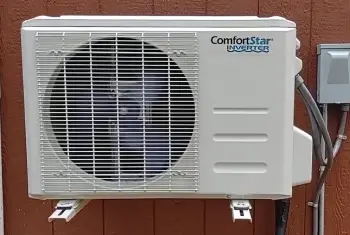
When I first started evaluating ComfortStar air conditioners, I tried to approach the brand the same way I would if I were buying an AC for my own home.
I wasn’t interested in judging it simply by its appearance or by the number of features printed on the box.
For me, the real questions were much more practical: Does it cool the room properly? Does it maintain a comfortable temperature? Is it reasonably quiet?
How much attention does it require? And, most importantly, does it offer enough value for the money?
My first impression was that ComfortStar focuses more on practicality than flashy presentation.
The equipment generally has the familiar HVAC appearance you would expect from a modern air-conditioning system.
Once installed properly, it doesn’t demand much attention from the user, which I consider a positive thing.
Cooling performance was the first thing I noticed. When an AC is struggling, you can usually tell quickly.
The room remains warm even though the system is running continuously, the airflow feels weak, or the temperature fluctuates noticeably.
With a properly sized ComfortStar system, I found the cooling experience much more in line with what I expect from a conventional residential air conditioner.
I also paid attention to how the unit behaved after the initial cooling period. This matters because an AC that cools quickly but constantly cycles on and off isn’t necessarily giving you the best overall experience.
What I want is steady comfort. Once the room reaches the desired temperature, the system should be able to maintain it without making the environment feel excessively cold or humid.
Noise was another consideration. I wouldn’t describe an air conditioner as completely silent—no conventional HVAC system is—but acceptable operating noise is important, especially if your indoor unit is close to a bedroom, home office, or living area.
My impression of ComfortStar was that the overall sound level can be perfectly reasonable when the system is correctly installed and maintained.
Where I became more cautious was the service and installation side. This is something I think every buyer should understand.
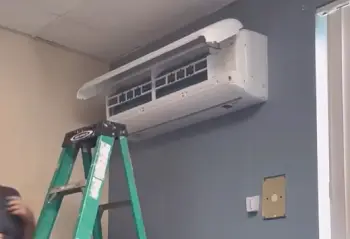
A good AC can perform poorly if the installation is wrong. Refrigerant charge, ductwork, electrical connections, airflow, drainage, sizing, and thermostat setup can all affect the final experience.
So, would I consider ComfortStar? Yes, particularly when the price is attractive and I have access to a competent installer and dependable local HVAC support.
I wouldn’t buy purely because the equipment costs less than a premium competitor. I’d look at the complete ownership picture first.
That distinction is important. You’re not simply buying a metal outdoor cabinet and an indoor cooling system. You’re buying installation, maintenance, replacement parts, warranty support, electricity consumption, and years of daily comfort.
Pros Of ComfortStar AC
- Good Value for the Money
The biggest attraction for me is value.
ComfortStar can appeal to buyers who want functional air conditioning without automatically paying a premium for a famous HVAC name.
If two systems have comparable capacity, efficiency, warranty coverage, and installation quality, I can understand choosing the one that gives you a better overall price.
The important word is “comparable.”
I wouldn’t sacrifice important specifications just to save money upfront.
Still, for budget-conscious homeowners, the possibility of getting dependable cooling at a competitive price is attractive.
- Practical Cooling
I like an AC that behaves like an AC.
ComfortStar’s appeal isn’t necessarily about overwhelming you with unnecessary extras. For many homeowners, the most important features are simple: cooling, temperature control, airflow, reasonable efficiency, and dependable operation.
If that’s your priority, the brand can be worth considering.
- Multiple Configuration Options
ComfortStar equipment can fit different HVAC requirements depending on the product line and market.
That gives buyers more flexibility than simply choosing one type of system.
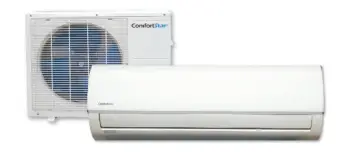
A ductless mini-split, for example, can be useful when extending ductwork isn’t practical. A conventional split system can make more sense for a home already designed around central HVAC.
The right configuration depends heavily on your property.
- Reasonable Everyday Comfort
I consider consistent comfort more important than impressive specifications.
When an AC is correctly sized and installed, it should fade into the background of your daily life. You set the temperature, let the system operate, and enjoy a comfortable indoor environment.
That’s one of the strongest positives I see in a practical HVAC brand.
- Straightforward Ownership
Another advantage is that the equipment doesn’t have to be complicated to operate.
Most homeowners don’t want to spend their evenings troubleshooting an air conditioner.
They want understandable controls and predictable operation.
For someone who prefers simplicity, that can be a genuine advantage.
- Potentially Lower Initial Cost
Price can make a big difference when you’re replacing an air conditioner unexpectedly.
If your existing system fails during a heat wave, you may not have the luxury of spending weeks comparing every premium option.
A reasonably priced ComfortStar system may provide a practical alternative when budget is one of your major constraints.
Cons Of ComfortStar AC
- Brand Recognition Is Not as Strong
One obvious disadvantage is brand recognition.
When you mention major HVAC names, many homeowners immediately recognize them. ComfortStar doesn’t necessarily have the same level of mainstream consumer familiarity.
That can make some buyers hesitant.
Personally, I don’t think popularity alone determines product quality, but brand recognition can matter when you’re trying to find contractors, parts, service technicians, or resale information.
- Local Service Support Matters
This is probably the biggest issue I would investigate before purchasing.
Your experience with any HVAC brand can depend heavily on where you live.
A ComfortStar system might be a sensible purchase in one market where qualified technicians and parts are readily available, while the same purchase could be frustrating elsewhere.
Before you buy, ask your installer a very direct question:
“Will you service this system several years from now?”
Then ask how quickly they can obtain common replacement components.
Those answers tell you more than a sales brochure.
- Installation Quality Can Make or Break Performance
This isn’t unique to ComfortStar, but it’s worth emphasizing.
A poorly installed premium AC can perform worse than a properly installed budget-oriented system.
Incorrect refrigerant charge, poor airflow, undersized wiring, inadequate drainage, improper ductwork, or incorrect system matching can all create problems.
So if you’re buying ComfortStar, don’t cut corners on installation.
- Efficiency Depends on the Specific Model
I wouldn’t describe every ComfortStar AC as highly efficient.
That would be too broad.
Efficiency varies according to the model, system configuration, capacity, and operating conditions.
If energy consumption matters to you, look at the exact specifications rather than assuming the entire brand has one efficiency level.
- Resale and Long-Term Perception
If you’re planning to sell your house soon, a less familiar HVAC brand might not have the same immediate recognition as a major premium manufacturer.
That doesn’t automatically make it a bad investment, but buyers sometimes feel more comfortable when they recognize the equipment brand.
For a homeowner planning to remain in the property for many years, this may matter much less.
- Warranty Details Need Careful Reading
I always recommend reading the warranty instead of relying on a salesperson’s summary.
Look at what is covered, how long the coverage lasts, whether registration is required, and what responsibilities fall on the homeowner.
Also find out whether labor is included.
Parts coverage and labor coverage aren’t necessarily the same thing.
That distinction can become very important when something fails.
Maintenance For ComfortStar AC
- Clean or Replace the Air Filter Regularly
This is the simplest maintenance task, yet it’s one of the easiest to neglect.
Your AC needs adequate airflow.
A dirty filter restricts that airflow and forces the system to work harder. It can also contribute to poor indoor air quality and reduced comfort.
I recommend checking the filter regularly instead of waiting until you remember.
Homes with pets, dust, renovation activity, or high occupancy may need more frequent attention.
Don’t assume that a filter lasts the same amount of time in every home.
- Keep the Outdoor Unit Clear
Walk outside and look at your condenser occasionally.
Leaves, grass clippings, dirt, weeds, and other debris can accumulate around it.
I like keeping the surrounding area reasonably clear so the unit can exchange heat effectively.
Don’t pack furniture, storage boxes, plants, or other objects tightly around the condenser.
Good airflow around the outdoor unit matters.
- Clean the Condenser Carefully
If the outdoor coil becomes heavily clogged with dirt, its ability to release heat can decline.
You can remove loose debris around the unit, but be cautious about aggressive cleaning.
The fins can bend easily.
If the coil needs substantial cleaning, I would rather have a qualified HVAC professional handle it than risk damaging the equipment.
- Inspect the Drainage System
Condensation is a normal part of air conditioning.
That moisture needs somewhere to go.
A clogged condensate drain can cause water leaks and potentially damage surrounding materials.
If you notice unexpected water around your indoor unit, don’t simply wipe it up and continue using the system indefinitely.
Find out why it’s happening.
- Keep Vents Unblocked
If you have a ducted system, avoid covering supply and return vents with furniture, rugs, curtains, or storage items.
I know it sounds obvious, but I’ve seen homeowners unintentionally restrict airflow by rearranging furniture.
Your AC can’t distribute conditioned air effectively if the airflow paths are obstructed.
- Don’t Ignore Strange Sounds
A new noise deserves attention.
Grinding, rattling, squealing, buzzing, or unusual clicking can indicate a mechanical or electrical problem.
You don’t necessarily need to panic over every unusual sound, but I wouldn’t ignore a persistent change in operating noise.
Small problems can become expensive problems when they’re allowed to continue.
- Watch for Changes in Cooling
If your AC previously cooled your home easily but suddenly takes much longer, pay attention.
Possible causes can include airflow restrictions, dirty coils, thermostat problems, refrigerant issues, duct problems, or mechanical faults.
Don’t immediately assume the refrigerant needs to be topped off.
A qualified technician should identify the underlying cause.
- Schedule Professional HVAC Service
Even if everything appears normal, periodic professional maintenance can be worthwhile.
A technician can inspect electrical connections, system operation, coils, airflow, refrigerant-related components, drainage, and other areas that aren’t practical for most homeowners to evaluate themselves.
I see professional maintenance as preventive care rather than waiting for the first major failure.
Comparison Of ComfortStar AC With Other Brands
- ComfortStar vs Goodman
Goodman has much stronger name recognition in the residential HVAC market.
When I compare the two, I would generally expect Goodman to be easier for many consumers to research and find contractors for because of its broad market presence.
ComfortStar may become more appealing when its pricing and specifications are competitive.
For me, the deciding factors would be the exact model, installation quality, warranty, and local support.
If my local contractor strongly supports ComfortStar but has limited experience with another brand, I would take that seriously.
- ComfortStar vs Carrier
Carrier is one of the most recognizable names in air conditioning.
It has a broad range of equipment, including premium systems with sophisticated features and high efficiency.
ComfortStar can make more sense for someone who wants to control the initial purchase cost.
If budget isn’t my primary concern, I’d spend more time evaluating higher-end Carrier systems and their efficiency and comfort features.
But if I’m trying to achieve dependable cooling at a lower entry price, ComfortStar deserves consideration.
- ComfortStar vs Trane
Trane has a strong reputation for premium HVAC equipment.
When comparing it with ComfortStar, I see the decision largely as one involving budget, specifications, service support, and long-term ownership expectations.
I wouldn’t assume that choosing Trane automatically guarantees a better experience because installation still matters enormously.
Likewise, I wouldn’t assume ComfortStar will provide identical long-term performance simply because both systems cool a room.
The models have to be compared individually.
- ComfortStar vs Lennox
Lennox is another brand that occupies a strong position in the higher-end residential HVAC space.
Its systems can offer advanced efficiency and comfort features, but premium equipment can also involve higher purchase costs.
If you’re building a long-term premium HVAC setup, Lennox may be worth serious consideration.
If you’re more concerned with getting practical cooling while managing the initial budget, ComfortStar may be more attractive.
- ComfortStar vs Rheem
Rheem is another established HVAC manufacturer with a substantial residential presence.
Compared with ComfortStar, Rheem may appeal to buyers who want a more widely recognized brand and established contractor network.
ComfortStar’s potential advantage is value.
Again, though, I’d look at the actual quote rather than the logo.
A slightly more expensive system with significantly better efficiency or warranty coverage may actually be the better purchase over its lifetime.
- ComfortStar vs Midea
Midea is a major global HVAC and appliance manufacturer, and its air-conditioning products have a broad presence in many markets.
The comparison becomes particularly interesting when looking at ductless and inverter-style systems.
If you’re considering a mini-split, I’d pay close attention to compressor technology, efficiency, operating range, controls, noise, installation requirements, and local parts availability.
Rather than choosing based purely on brand familiarity, compare the technical specifications and ownership support for the specific models you’re considering.
- ComfortStar vs Pioneer
Pioneer is well known among buyers looking for ductless mini-split equipment.
If I’m comparing a ComfortStar mini-split with a Pioneer system, I’d look closely at installation requirements, efficiency, heating capability if applicable, remote controls, warranty, and parts availability.
For ductless systems especially, installer experience is incredibly important.
A technically impressive system can still disappoint when installed incorrectly.
Who Should Buy A ComfortStar AC?
I think ComfortStar is most appealing to homeowners who are budget-conscious but still want a conventional HVAC solution.
It’s also worth considering if you already have a local contractor who knows the equipment and can provide ongoing service.
I would also consider it for a secondary property where getting dependable cooling is more important than having the most prestigious HVAC name.
Rental properties can also make sense, although landlords should think carefully about long-term service and replacement-part availability.
If your priority is simply keeping your home cool without paying heavily for premium branding, ComfortStar deserves a place on your comparison list.
Who Should Avoid ComfortStar AC?
I would hesitate if there is no qualified ComfortStar service provider anywhere near your property.
That’s a major concern.
I would also hesitate if the only reason you’re choosing it is because it’s dramatically cheaper than every alternative.
Extremely low upfront cost can become less attractive if installation, maintenance, repairs, and electricity consumption eventually cost more.
If you’re building a luxury home and want premium controls, advanced zoning, maximum efficiency, and a highly established service network, I’d compare ComfortStar carefully against higher-end alternatives before committing.
Also Read: Is Vissani Portable AC Worth It?
Frequently Asked Questions (FAQ)
ComfortStar is an HVAC brand offering air-conditioning equipment in various markets. The specific manufacturing arrangement can vary by product line and market.
I wouldn’t automatically avoid an entire brand. Instead, I would be cautious about any system with poor local service, weak warranty support, questionable installation, or unsuitable specifications.
No. Tempstar and Carrier are separate brands, although both are part of the broader HVAC industry and have corporate relationships within larger manufacturing groups at different points in their histories.
Yes, portable and mini air-conditioning products can work, but their effectiveness depends heavily on room size, insulation, unit capacity, exhaust setup, and the type of product.
Final Verdict
If you’re shopping for an AC and want to keep your upfront budget under control, I think ComfortStar is worth comparing rather than dismissing.
I would buy one when the exact model offers suitable capacity and efficiency, the price is competitive, and a trustworthy local technician can install and service it.
I wouldn’t choose it solely because it’s cheap. For me, the best ComfortStar purchase is the one backed by proper sizing, professional installation, clear warranty coverage, and accessible service.
If those pieces are in place, ComfortStar can be a sensible choice for everyday home cooling.
Recent Posts
I tried Meltoway Hair Dissolving Cream because I wanted a quick way to deal with unwanted body hair without reaching for a razor every few days. If you are looking for a convenient at-home...
If you’re considering a saffron-based supplement to support mood, appetite control, and everyday wellness, Happy Saffron Plus is worth considering.I like that it takes a familiar botanical...