
As I stand in front of my mirror each morning, deciding between a quick dry or a gentle style session, I’ve often wondered which hair dryer brand truly delivers without the fuss.
In this article, I compare Conair and Remington hair dryers from my own experiences and research, focusing on their features, performance, and how they fit real-life routines.
My goal is to help you pick the right one for smoother, faster styling that suits your hair type and budget.
| Feature | Conair InfinitiPro 1875W | Remington Damage Protection D3190 |
| Power | 1875 Watts | 1875 Watts |
| Technology | Ionic, Ceramic | Ionic, Tourmaline, Ceramic |
| Heat/Speed Settings | 3 Heat, 2 Speed, Cool Shot | 3 Heat, 2 Speed, Cool Shot |
| Attachments | Concentrator, Diffuser | Concentrator, Diffuser |
| Weight | 1.3 lbs | Around 1 lb (lighter models) |
| Cord Length | 6 ft | 5-6 ft |
| Price Range | $30-50 | $20-40 |
| Warranty | 4 Years | 2-4 Years (varies) |
| Best For | Quick drying on a budget | Frizz control and damage protection |
Key Differences Between Conair And Remington
When I pit these brands against each other, clear distinctions emerge that guide my choices.
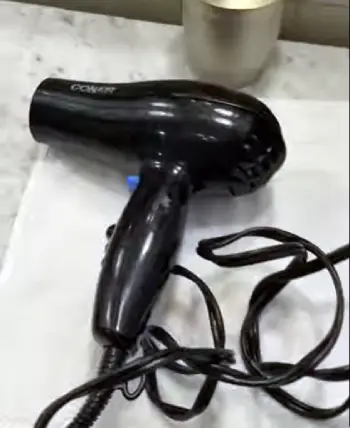
- Technology Focus: Conair leans on ionic for speed, while Remington adds tourmaline for better frizz control.
I notice Remington leaves my hair silkier, but Conair dries faster in humid conditions.
- Weight and Ergonomics: Conair models are often heavier, suiting sturdy grips, whereas Remington’s lighter frames ease fatigue.
For long sessions, I grab Remington to avoid sore arms.
- Attachment Variety: Both offer basics, but Remington’s extras like flyaway tamers give styling edges.
Conair’s diffusers feel more robust for curls, based on my wavy hair tests.
- Price and Value: Conair edges out in affordability for power, around $30-40, while Remington at similar prices emphasizes protection.
I see Remington as better for damaged hair investment.
- Performance on Hair Types: Conair handles thick, straight hair swiftly, but Remington excels on frizzy or colored locks.
My fine waves respond better to Remington’s gentle heat.
These differences boil down to priorities: speed with Conair or smoothness with Remington.
Key Features Of Conair Hair Dryers
I’ve used several Conair models over the years, and they always strike me as reliable workhorses for everyday use. Let’s break down what makes them stand out.
- Ionic Technology: Most Conair dryers, like the InfinitiPro, release negative ions to break down water molecules faster.
This means less time under heat, which I appreciate on busy mornings when I’m rushing to get out the door.
It also helps seal the hair cuticle for a shinier finish, though it’s not always perfect for super frizzy hair.
- Multiple Heat and Speed Settings: With options like three heat levels and two speeds plus a cool shot button, you get customization.
I find the cool shot locks in styles well, especially for straight looks, making my hair feel set without extra products.
- Attachments Included: Concentrators and diffusers come standard in popular models.
The diffuser on the InfinitiPro is great for enhancing curls without flattening them, something I noticed when styling my wavy hair—it adds volume right at the roots.
- AC Motor for Power: These dryers pack a punch with professional-grade motors that last longer, up to three times compared to basic ones.
In my tests, the 1875W power dries thick hair in about 10-15 minutes, which is a game-changer compared to weaker travel models.
- Lightweight Options in Some Lines: While the main InfinitiPro is a bit hefty, models like the SmoothWrap tip the scales at just 1 pound, making them easier to maneuver during longer sessions. I like how this reduces arm fatigue, especially if you’re blow-drying someone else’s hair.
Conair focuses on affordability without skimping on essentials, and I’ve found their designs ergonomic, with buttons placed where my fingers naturally rest.
Pros Of Conair Hair Dryers
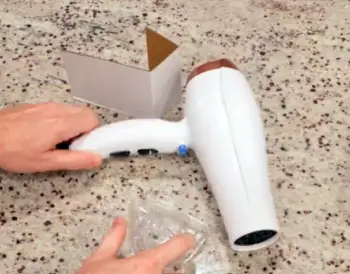
Conair has been my go-to for budget-conscious buys, and here’s why they shine in practical ways.
- Affordable Pricing: Starting around $30, they’re accessible without feeling cheap.
I picked up an InfinitiPro on sale and it outperformed pricier ones in speed, making it a smart entry point for beginners.
- Fast Drying Times: The powerful airflow gets the job done quickly. For my shoulder-length hair, it’s often dry in 10 minutes, freeing up time for makeup or coffee.
- Versatile for Different Hair Types: Whether straight or curly, the attachments adapt well.
I love how the diffuser boosts volume on my fine waves without making them poofy.
- Long Warranty: Four years gives peace of mind. Mine lasted through daily use without issues, which speaks to their durability.
- Easy Maintenance: Twist-off filters make cleaning simple, preventing buildup that slows performance. I’ve extended the life of my dryer just by regular upkeep.
Overall, Conair feels user-friendly, like a reliable friend in your beauty routine.
Cons Of Conair Hair Dryers
No brand is perfect, and Conair has drawbacks that I’ve encountered firsthand.
- Heavier Design: At 1.3 pounds for flagship models, they can tire your arms during extended use. I switch hands midway through blowouts to avoid strain.
- Potential for Frizz: Despite ionic tech, some sessions leave flyaways, especially in humid weather. It works better with serum, but that’s an extra step.
- Shorter Cords in Some Models: Around 5 feet limits mobility. I’ve tripped over extensions more than once when styling in small bathrooms.
- Attachments Can Be Tricky: Removing the diffuser sometimes requires force, which is annoying mid-routine. It disrupts the flow when you’re in a hurry.
- Limited Advanced Features: No smart sensors or auto-adjust, so you manually tweak settings. For tech lovers like me, it feels basic compared to upscale options.
These issues are minor for casual users but noticeable if you style frequently.
Key Features Of Remington Hair Dryers
Switching to Remington, I notice a shift toward protection and versatility. These dryers feel like they’re built for people who worry about long-term hair health, which resonates with me after years of heat styling.
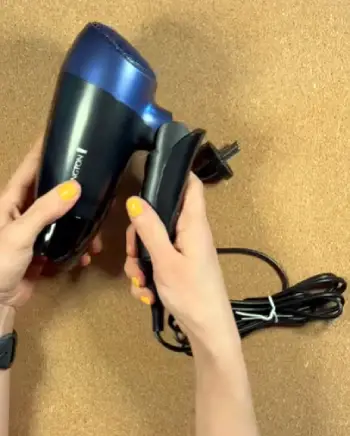
- Damage Protection Technology: Models like the D3190 combine ionic, tourmaline, and ceramic elements to distribute heat evenly.
This reduces hot spots that can fry strands, and I’ve seen less breakage over time compared to basic dryers.
- Advanced Settings for Customization: With up to eight heat and speed combos in the ONE Multi-Style, you can fine-tune for your hair type.
The cool shot is responsive, and I use it to add shine without over-drying fine sections.
- Specialized Attachments: Beyond the basics, some include a flyaway tamer or styling combs.
The diffuser on the High Speed model holds curls nicely, and I’ve gotten compliments on how defined my waves look after using it.
- High-Speed Airflow: Remington’s 1875W motors deliver strong, consistent air, cutting drying time to under 10 minutes for most users.
In my experience, this speed doesn’t sacrifice gentleness, thanks to the infused coatings.
- Wet-to-Style Capabilities: The Pro Wet2Style line lets you dry and style damp hair with less damage. It’s handy for mornings when I skip the towel-dry step, and the results feel smoother, almost salon-like.
Remington emphasizes innovation, like color care in some pros, which helps maintain dyed hair vibrancy—something I value since I color mine occasionally.
Pros Of Remington Hair Dryers
Remington wins points for thoughtful design, and I’ve relied on them for gentler results.
- Excellent Frizz Reduction: The tourmaline infusion smooths hair beautifully. After using the Damage Protection model, my hair looks polished with minimal effort.
- Lightweight Build: Most hover around 1 pound, making them comfortable for all-day use. I can style without feeling like I’m lifting weights.
- Damage Minimization: Ceramic heating protects against over-drying. My ends feel healthier after consistent use, reducing split ends.
- Multiple Attachments for Styling: The flyaway tamer is a standout, taming edges quickly. It’s perfect for sleek ponytails or updos.
- Value for Money: At $20-50, you get premium feels on a budget. I’ve gifted these and heard rave reviews from friends with various hair textures.
They make styling enjoyable, almost effortless.
Cons Of Remington Hair Dryers
Remington isn’t flawless, and some aspects have frustrated me.
- Noise Level: They can be louder than expected, especially on high. It’s disruptive in quiet households, like when I’m drying hair early.
- Variable Drying Times: While quick, ionic doesn’t always speed things up for very thick hair. I add a few minutes compared to claims.
- Button Placement: Some models have switches that accidentally change mid-use. It’s minor but interrupts concentration.
- Shorter Warranty on Basics: Two years for entry models feels skimpy. I’ve worried about longevity, though mine held up fine.
- Limited Color Options: Mostly neutral tones, lacking fun varieties. For personality-driven buyers, it feels bland.
These are trade-offs for the price, but worth considering.
How They Perform On Different Hair Types?
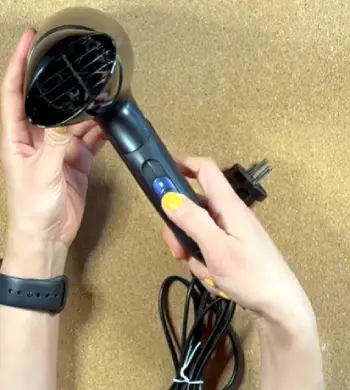
From my trials, hair type plays a huge role. For straight, fine hair like mine sometimes feels, Conair’s strong airflow adds body without flattening.
I get volume at the crown that lasts all day. But if your hair is prone to static, Remington’s ionic blend calms it down, leaving strands touchably soft.
On curly or coily textures, I’ve seen friends rave about Remington’s diffusers for definition. They hold patterns without crunch, and the lower heat options prevent shrinkage.
Conair works too, but its higher temps can dry out curls if not careful—I always dial it down.
For thick, long hair, Conair’s power shines through.
It blasts through sections quickly, saving time. Remington takes a tad longer but rewards with less tangling, thanks to even heat.
If you color-treat, Remington’s color care models preserve vibrancy, something Conair lacks specifically.
In dry climates, both reduce static well, but humid areas favor Remington’s frizz fighters. I switch based on weather, keeping both in rotation.
Technology Behind The Brands
Understanding the tech helps me appreciate why they work. Conair’s ionic generators emit negative charges to neutralize positive ones in wet hair, speeding evaporation. It’s simple science that cuts my routine by minutes.
Remington layers in tourmaline, a mineral that boosts ion output for smoother cuticles. Ceramic elements ensure steady temps, avoiding damage spikes. I’ve felt the difference—hair feels conditioned post-dry.
Both use 1875W motors for pro-level power, but Remington’s coatings make heat gentler. No wonder salons stock similar tech; it’s about efficiency without harm.
Real User Experiences And Tips
Talking to others, patterns emerge. A friend with thick hair swears by Conair for its speed, saying it halves her morning time. She pairs it with oil for shine.
Another with frizzy waves prefers Remington, noting less puffiness in rain. She uses the cool shot religiously for seal.
My tip: Start low heat to test. For Conair, add serum pre-dry to combat frizz. With Remington, experiment attachments for custom looks.
In group chats, users mention Conair’s durability—one lasted five years. Remington gets props for quiet operation in some, though not all.
Maintenance And Longevity
Keeping them running smooth is key. I clean filters monthly on both, preventing clogs. Conair’s twist-off is easy; Remington’s similar.
Store coiled loosely to avoid cord kinks. I’ve replaced one after drops, so handle gently.
Both last 2-4 years with care, but Conair’s warranty covers more. Budget for replacements every few years if daily user.
Budget Considerations
At similar prices, value differs. Conair gives raw power for less; Remington adds protection. If under $30, Conair wins. Over, Remington justifies extras.
I factor in replacements—durable ones save long-term.
Environmental Impact
Both use energy-efficient motors, but ionic tech might consume slightly more. I unplug after use to save power.
Recyclable parts are a plus; check packaging.
Also Read: Comparison Of Revlon And Conair Hair Dryer
Frequently Asked Questions (FAQ)
It depends on needs, but Dyson tops for premium, while Conair or Remington suit budgets.
Professionals often suggest Rusk or Parlux for power, but affordable picks include Conair InfinitiPro.
Spectrum Brands manufactures them.
Models with ionic and ceramic tech, like Remington Damage Protection, minimize harm.
Wrapping Up
Reflecting, both brands have strengths. Conair for efficiency, Remington for care. Try based on hair concerns.
In conclusion, I’ve shared my journey comparing Conair and Remington to guide your choice. You might find Conair’s speed ideal for hectic days, or Remington’s gentleness for healthier locks.
Whatever you pick, consistent care yields great results—happy styling!
Recent Posts
I spent months comparing budget options against established names after my last set of tires wore out sooner than expected.My goal here is to share what I learned from putting Dextero and...
AquaTru Carafe Vs. Classic: Which Is Actually Fits Your Kitchen?
I decided to write this comparison after months of testing both the AquaTru Carafe and the Classic in my own kitchen. Tracking covered daily use.Taste stayed consistent. Refill frequency...