
As a homeowner and DIYer who’s rewired basements, garages, and outdoor runs more times than I care to count, I wrote this to cut through the confusion between conduit systems with electrical boxes and Romex cable.
My goal is simple: give you a clear, practical side-by-side so you can pick the right approach for safety, code, cost, and future flexibility without second-guessing every junction.
| Aspect | Conduit + Electrical Boxes | Romex (NM-B Cable) |
| Protection | Rigid or flexible metal/plastic pipe shields wires | Plastic sheath only; vulnerable to damage |
| Installation speed | Slower; measure, cut, bend, pull wires | Faster; staple and run in open framing |
| Cost | Higher materials + labor | Lower materials; quicker labor |
| Accessibility | Easy to add or replace individual wires later | Harder to modify without opening walls |
| Moisture / outdoor use | Excellent when properly sealed | Limited; not for wet or exposed locations |
| Code typical use | Required in commercial, exposed, or wet areas | Standard for dry residential interior walls |
| Heat dissipation | Better airflow around individual conductors | Bundle retains more heat |
| Appearance | Visible runs look industrial; boxes provide access | Hidden in walls; clean finish once covered |
| DIY difficulty | Higher skill for bends and pulls | Lower barrier for basic runs |
Understanding Romex In Everyday Projects
Romex, the brand name most of us use for non-metallic sheathed cable, shows up in nearly every residential interior job I take on.
It consists of two or more insulated conductors plus a bare ground, all wrapped in a tough plastic jacket. The familiar yellow, white, or orange sheath tells you the wire gauge at a glance.
I reach for it when framing is open and the path stays dry and protected inside walls or ceilings. The cable flexes around obstacles, staples easily to studs, and terminates in standard plastic or metal boxes with simple clamps.
Its main strength is speed: once you plan the route, you can pull long continuous runs with minimal joints.
The sheath itself provides basic mechanical protection, yet it remains vulnerable to nails, screws, and abrasion if left exposed.
Understanding Conduit And Electrical Boxes
Conduit systems take a different path. You install rigid metal, intermediate metal, PVC, or flexible conduit first, then pull individual THHN or similar conductors through it.
Electrical boxes—metal or non-metallic—serve as the junction points where wires connect to devices, splices, or each other. The conduit acts as continuous armor and a raceway. I use this approach whenever the wiring will face physical abuse, moisture, or the need for future changes. Boxes give me accessible pull points and make troubleshooting far simpler.
The combination feels more industrial, yet it scales cleanly from a single outdoor light to an entire workshop panel feed.
Key Differences Between Conduit Electrical Box Systems And Romex
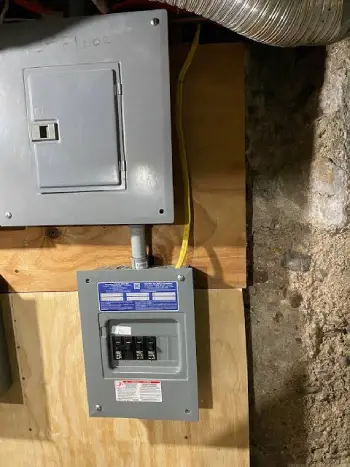
- Physical protection level: Conduit creates a hard barrier against impact.
It also guards against rodents and weather.
Romex relies only on its outer jacket. Surrounding building materials must do the rest.
- Installation sequence: With conduit you build the pathway first.
Then you fish the wires through. Romex lets you run the complete cable in one motion.
- Future expansion ease: Opening a conduit box is simple.
You can add a new conductor quickly. Altering Romex usually means fishing new cable.
Finished surfaces often need opening.
- Heat management: Individual wires in conduit lose heat more readily.
Air flows around each one.
Romex conductors sit tightly bundled. The sheath holds more heat inside.
- Code-driven environments: Many commercial spots mandate conduit.
Exposed residential areas do the same.
Most dry residential interiors accept Romex without issue.
- Material and labor cost balance: Conduit parts and fittings cost more.
Labor takes longer too. Romex keeps both numbers lower for simple runs.
- Aesthetic and concealment options: Romex disappears behind drywall.
The finish stays clean. Conduit can remain visible. You can paint it for a neat look.
- Moisture and corrosion resistance: Properly sealed conduit handles damp places. Wet locations work fine as well.
Romex stays restricted to dry spots. Special ratings change that rule only a little.
- Support and fastening needs: Conduit requires straps at set intervals. Boxes need solid mounting. Romex uses simple staples. Placement rules still apply along framing.
- Wire count flexibility: Conduit lets you mix sizes and colors. Fill rules set the limit. Romex arrives with fixed conductors. Changing the count means new cable.
These differences shape every decision I make on a job. When the framing is open and the space stays dry, Romex wins on speed. When the run crosses a concrete floor, climbs an exterior wall, or needs later upgrades, conduit and boxes become the practical choice.
Key Features Of Romex Cable
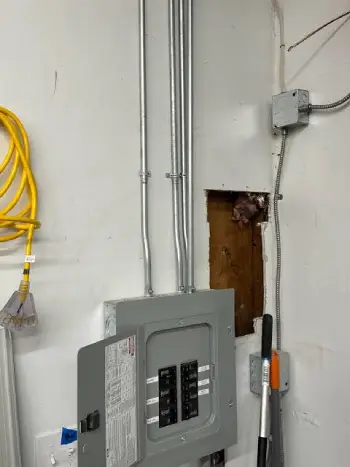
- Color-coded sheathing: The outer jacket shows the gauge at once.
Yellow means twelve gauge. White marks fourteen gauge. Orange signals ten gauge.
- Integrated ground conductor: A bare wire runs inside every cable.
Bonding at each box stays simple. No extra ground pull is needed.
- Flexibility for tight spots: The cable bends around obstacles easily.
No special tools are required. Sharp turns stay within safe limits.
- Pre-assembled multi-conductor design: All wires travel together.
The number of pulls drops. Continuous runs stay smooth.
- Staple-friendly outer jacket: The sheath accepts standard staples.
Attachment to wood framing is quick. Spacing rules keep everything secure.
- Long continuous lengths: Rolls come in useful sizes.
Splices stay few. Voltage drop stays lower on long circuits.
- Standard box compatibility: Common residential boxes accept it.
Connectors clamp the sheath firmly. Terminations finish fast.
- Lower material cost: Common gauges stay affordable.
Home centers stock them everywhere. Project budgets stretch further.
- Lightweight handling: The cable weighs little. Carrying long runs is easy.
Fatigue stays low during a full day.
- Clear marking on the jacket: Print shows voltage rating and type. Inspection goes faster. Mistakes drop during selection.
Each feature supports rapid residential work. The color coding alone has saved me from grabbing the wrong roll more than once. The integrated ground means one less wire to manage at terminations. Yet those same features limit where I can place the cable.
Pros Of Using Romex
- Speed of installation: Open framing lets the cable run fast. Labor hours drop on residential jobs. Schedules stay on track.
- Lower material cost: The same ampacity costs less per foot. Project totals stay smaller. Budgets feel less pressure.
- Simple tool needs: A stripper and stapler handle most work. Special benders are not required. Skill barriers stay low.
- Clean finished look: The cable hides behind drywall. No raceways show. Interiors look neat.
- Routine terminations: Most electricians know the steps. Experienced DIYers manage them too. Connections finish quickly.
- Fewer joints overall: Long continuous runs cut splice points. Failure risks drop. Reliability rises.
- Wide availability: Every home center stocks common sizes. Last-minute buys are easy. Delays stay rare.
- Adequate covered protection: Drywall or sheathing shields the cable. Normal use stays safe. Proper fastening adds security.
- Light weight on framing: The cable adds little load. Studs and joists handle it fine. Structure stays unaffected.
- Quick troubleshooting in open walls: Problems show early during rough-in. Fixes happen before finish work. Rework stays limited.
I lean on these advantages for bedroom circuits, living-room outlets, and most interior lighting. The time saved lets me finish a whole floor before the drywall crew arrives. Cost savings add up on larger homes. The downside only appears when conditions change.
Cons Of Using Romex
- Limited physical protection: Nails and screws can pierce the sheath. Accidental damage stays possible. Extra plates help but do not eliminate risk.
- Dry location limits: Moisture can harm the jacket over time. Wet areas are off limits. Special cable types are needed elsewhere.
- Hard post-finish changes: Finished walls block easy access. New runs often mean cutting surfaces. Repairs turn messy.
- Heat buildup risk: Bundled wires hold more heat. High ambient spots need care. Derating may apply in tight bundles.
- Code restrictions: Commercial spaces often ban it. Exposed work follows the same rule. Residential dry interiors remain the main use.
- Rodent vulnerability: Attics and crawl spaces invite chewing. Unprotected cable can suffer. Barriers or conduit solve that.
- Fixed conductor count: The cable arrives with set wires. Adding a neutral later needs new cable. Flexibility stays low.
- Exposed look issues: Unfinished spaces show the cable. Appearance can feel unfinished. Covering becomes necessary.
- Sheath damage during pull: Rough edges can nick the jacket. Careful handling is required. Inspection after install matters.
- Limited outdoor use: Direct exposure shortens life. Weather seals are not built in. Transition to other methods is common.
These limitations have forced me to rip out and replace Romex more than once when a client later wanted outdoor lights or a workshop upgrade. The initial savings evaporated.
Key Features Of Conduit And Electrical Box Systems
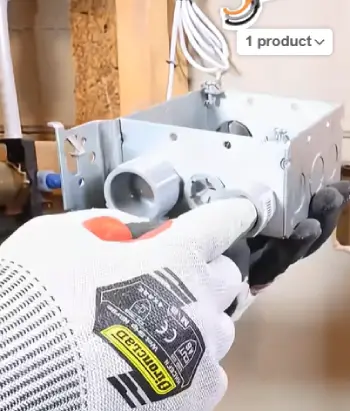
- Continuous protective raceway: Metal or plastic pipe shields the wires.
Impact and weather stay outside.
The path remains solid.
- Single conductor pulls: You choose each wire color and size.
Combinations fit many needs. Future changes stay possible.
- Standardized boxes with knockouts: Metal or plastic boxes accept fittings.
Knockouts match common sizes. Access stays open for work.
- Multi-circuit capacity: One conduit can hold several circuits.
Fill calculations set the limit. Space gets used well.
- Style options for every site: Rigid, flexible, or liquid-tight types exist.
Match the material to the job. Vibration or moisture get handled.
- Grounding path choices: Metal conduit can serve as the ground.
A separate green wire works too. Bonding stays reliable.
- Expansion fittings available: Temperature swings cause movement.
Special joints absorb it. The system stays tight.
- Later access for service: Boxes open easily years later.
Testing or repairs stay simple. New wires pull through without damage.
- Support hardware variety: Straps and hangers fit every surface.
Mounting stays secure. Code spacing is easy to meet.
- Seal and drain options: Gaskets keep water out. Drain fittings handle condensation. Wet locations stay protected.
These traits give me control. I can choose EMT for indoor exposed runs, PVC for underground, or liquid-tight flexible conduit around vibrating equipment. Boxes become service points rather than permanent sealed junctions.
Pros Of Conduit Electrical Box Systems
- Strong mechanical protection: The raceway stops impact damage. Rodents and weather stay out. Service life stretches longer.
- Easy future additions: Open a box and pull a new wire. Finished surfaces stay intact. Upgrades stay simple.
- Better heat flow: Air moves around each conductor. Continuous loads run cooler. Derating needs drop in many cases.
- Code approval in tough spots: Commercial and wet locations accept it. Exposed runs meet the rules. Inspectors sign off faster.
- Industrial appearance option: Visible conduit looks intentional. Garages and workshops suit the style. Paint can refine the look.
- Mixed wire options: Different sizes and colors share one pipe. Custom circuits form easily. Planning gains freedom.
- Solid grounding paths: Metal conduit bonds the system. Separate grounds add backup. Safety stays high.
- Long-term maintainability: Boxes give service points for decades. Testing stays quick. Replacements avoid major demolition.
- Vibration resistance: Flexible styles handle equipment movement. Connections stay tight. Failure rates stay low.
- Custom routing control: Bends and fittings shape exact paths. Obstacles get avoided cleanly. Layouts stay precise.
I specify conduit whenever a client mentions “maybe later I’ll add more outlets” or the run crosses a wet area. The boxes become service ports that keep the system maintainable for decades.
Cons Of Conduit Electrical Box Systems
- Higher material cost: Pipe, fittings, boxes, and wire add up. Totals rise above simple cable. Budgets need room.
- Longer install time: Measuring and cutting take care. Bending and pulling add hours. Schedules stretch.
- Higher skill demand: Clean bends need practice. Proper support matters. Mistakes show clearly.
- Visible raceway look: Finished homes may reject the style. Hiding the pipe needs extra work. Aesthetics can suffer.
- Fill and derating rules: Calculations must be exact. Overfill causes problems. Planning takes extra time.
- Condensation risk: Moisture can collect inside. Seals and drains become necessary. Neglect leads to trouble.
- Bulk and weight: Vertical runs feel heavier. Support hardware must match. Handling grows harder.
- More connection points: Every fitting needs a tight seal. Corrosion can start at joints. Regular checks help.
- Tool and space needs: Benders and pullers take room. Small spaces limit options. Setup time rises.
- Initial layout complexity: Routes need full planning first. Changes mid-job cost more. Flexibility drops during install.
The extra effort shows up on the first day of rough-in. I have spent afternoons persuading EMT around obstacles that Romex would have simply flexed past. Yet the finished system rarely needs revisiting.
When I Choose Romex For A Project?
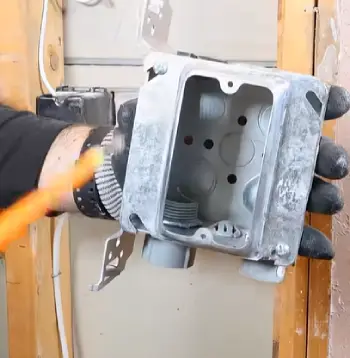
I reach for Romex on new residential construction once the framing inspection passes and the space will remain dry.
Interior walls, ceilings, and floor joist cavities are ideal.
Short runs to outlets and switches go quickly.
I still protect the cable within 1¼ inches of the edge of framing members and use nail plates where needed.
For remodel work where walls stay open only briefly, Romex keeps the schedule tight.
I avoid it near water heaters, exterior walls without vapor barriers, or any place a future renovation might require new circuits.
When I Choose Conduit And Boxes?
Exposed basement ceilings, garage walls, outdoor circuits, and commercial tenant spaces almost always get conduit.
I also use it for any run that must cross concrete or enter a wet location. Workshops and home offices that may gain new equipment later benefit from the spare capacity inside the raceway.
In seismic or high-abuse areas the rigid protection pays for itself. Even in pure residential work I sometimes hybridize: Romex inside walls, then transition to conduit for the final exposed segment.
Installation Realities From The Field
Pulling Romex feels almost effortless once the path is clear. I measure, cut, strip the sheath carefully to avoid nicking insulation, and land the conductors.
Staples every 4½ feet and within 12 inches of boxes keep it secure. Conduit demands more planning.
I lay out the route, account for bends (no more than 360 degrees between pull points), cut and ream ends, assemble fittings, then fish or pull the wires with lubricant if the run is long.
Boxes must be rigidly supported. The extra steps buy durability and access that Romex cannot match.
Cost Considerations Over Time
Up-front numbers favor Romex. A 250-foot roll of 12/2 costs far less than equivalent conduit, wire, and boxes. Labor hours stay lower.
Over a ten- or twenty-year horizon the equation can flip. A conduit system that accepts an extra circuit without drywall repair often costs less than the second remodel.
I factor the client’s expected ownership length and renovation plans into the recommendation.
For a house that will change hands quickly, Romex is usually fine. For a long-term owner who values flexibility, conduit wins.
Maintenance And Troubleshooting Differences
When a circuit fails, Romex forces me to open walls or ceilings to locate the problem.
Conduit lets me open boxes, test individual conductors, and pull replacements if needed.
That difference alone has saved days of repair work on older commercial spaces.
In residential settings the lower failure rate of properly installed Romex keeps service calls infrequent, yet when they occur the repair is more invasive.
Environmental And Longevity Factors
Temperature swings, moisture, and physical stress age both systems differently.
Romex sheath can become brittle in extreme heat or cold. Conduit resists those extremes better but can collect condensation if not properly drained or sealed.
Metal conduit needs attention to corrosion in coastal or chemical environments; PVC avoids that issue.
I choose materials matched to the specific site rather than defaulting to one method everywhere.
Hybrid Approaches I Have Used Successfully
Many projects blend both. I run Romex through interior walls and transition to short conduit stubs where the cable exits into an unfinished basement or garage.
Outdoor lighting often starts with Romex inside the house and switches to PVC conduit once it leaves the building.
These hybrids capture the speed of cable and the protection of raceway where each is strongest.
Transition fittings and proper sealing keep the installation code-compliant and reliable.
Decision Framework I Apply On Every Job
I ask four questions. Will the wiring stay dry and protected? Is future expansion likely? Does the location require physical protection by code or common sense?
What is the budget for both materials and labor? Clear answers point me toward Romex, conduit, or a mix.
The comparison table at the start of this article remains my quick reference when clients want a visual summary.
Frequently Asked Questions (FAQ)
It depends on the location and needs; conduit offers more protection and flexibility while Romex is faster and cheaper for dry interior residential work.
No, code generally allows it, though it is often unnecessary and can make pulling more difficult.
Yes, you can remove the outer sheath and pull the individual conductors, provided they meet the insulation and fill requirements.
It is bulkier than individual wires, harder to pull, and the sheath provides little extra benefit once inside a protective raceway.
Wrapping Up
Choosing between conduit electrical box systems and Romex comes down to matching the method to the environment and your long-term plans.
I have used both extensively and still evaluate every project on its own terms. You now have the practical differences, feature lists, pros, cons, and real-world decision points to make that same evaluation with confidence.
Whether you prioritize speed and cost or protection and future access, the right choice will serve the space safely for years.
Recent Posts
I spent months comparing budget options against established names after my last set of tires wore out sooner than expected.My goal here is to share what I learned from putting Dextero and...
AquaTru Carafe Vs. Classic: Which Is Actually Fits Your Kitchen?
I decided to write this comparison after months of testing both the AquaTru Carafe and the Classic in my own kitchen. Tracking covered daily use.Taste stayed consistent. Refill frequency...