
I have spent years working with plumbing systems in my own home and helping friends tackle repairs, and I keep coming back to the same choice that trips up so many of us: copper sweat joints versus SharkBite snap fittings.
My goal here is to walk you through both options from a hands-on perspective so you can decide which one actually fits your project, skill level, and long-term plans without second-guessing later.
| Aspect | Copper Sweat (Soldering) | SharkBite Snap (Push-to-Connect) |
| Installation Method | Clean, flux, heat with torch, apply solder | Cut, deburr, push fitting onto pipe |
| Tools Needed | Torch, flux, solder, emery cloth, fittings | Tube cutter, deburring tool, disconnect clip |
| Skill Level | Moderate to high | Low to moderate |
| Time per Joint | 5–15 minutes | Under 30 seconds |
| Cost per Fitting | Lower (basic copper fittings cheaper) | Higher (specialty fittings) |
| Permanence | Extremely high when done right | High, with 25-year warranty |
| Reusability | Not reusable | Removable and reusable with proper tool |
| Best For | Permanent installs, high-pressure, behind walls | Quick repairs, tight spaces, mixed pipe types |
| Common Concerns | Fire risk, skill required, mess | Higher cost, some pros prefer traditional methods |
Key Differences Between Copper Sweat And Sharkbite Snap
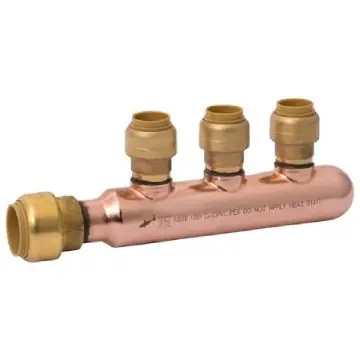
Here is where the two methods diverge in ways that matter for real-world use.
- Process steps: Sweating demands cleaning and heat. Flux and solder complete the seal.
SharkBite needs only a square cut and firm push.
- Tool list: Copper sweat needs a full torch setup. Flux and emery cloth join the kit.
SharkBite uses a cutter and deburring tool only.
- Space safety: Open flame creates real fire risk. Nearby wood needs constant watch.
SharkBite works safely near finished surfaces.
- Pipe options: Traditional sweat stays with copper. Other materials need extra steps.
SharkBite joins different pipes without adapters often.
- View from pros: Many inspectors favor soldered joints. The method feels more traditional.
SharkBite meets code yet faces some preference gaps.
- Price build: Individual SharkBite fittings cost more. Large jobs raise the total fast.
Labor time often favors the push style for DIYers.
- Leak sources: Poor solder flow causes most sweat failures. Overheating weakens the copper too.
SharkBite fails from incomplete insertion or debris.
- Access ease: Tight spaces hinder torch work. Finished walls raise damage risk. SharkBite fits awkward spots with less trouble.
- Support needs: Both require proper pipe support. Stress on the joint leads to problems. Correct hanging prevents future issues.
Understanding Copper Sweat Joints
Copper sweat, or soldering, has been the standard for connecting copper pipes for decades.
You clean the pipe and fitting, apply flux, heat the joint with a torch until the copper reaches the right temperature, and then feed solder into the joint.
Capillary action pulls the molten solder into the gap, creating a solid metal-to-metal seal once it cools.
I still remember the first time I successfully sweat a joint without leaks. The satisfaction of that clean, shiny ring of solder is hard to beat.
When done correctly, these joints become part of the pipe itself. They handle high temperatures, high pressure, and decades of service without issue in most homes.
Key Features Of Copper Sweat
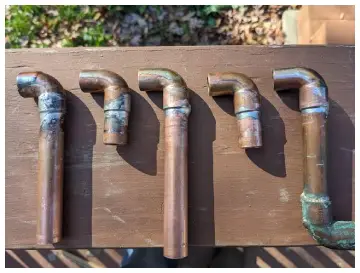
- Bond strength: Creates a continuous metal bond. This bond can last fifty years or more.
Proper installation and good water quality help a lot.
- Material match: Works best with copper pipe. Traditional applications stay within the copper family.
Results look clean and solid.
- Heat process: Requires open flame and careful control. You must manage the torch heat closely.
Too much heat can weaken the pipe.
- Joint type: Leaves a permanent connection. The joint cannot be taken apart easily later.
It becomes one solid piece.
- Cost factor: Offers relatively low material cost. Basic tools pay for themselves over time.
Fittings stay affordable on big jobs.
- Finish quality: Allows precise control over appearance. You can polish the joint for a neat look.
Painted or left natural both work well.
- Pressure handling: Manages high residential pressures. The seal holds under normal home water force.
Hot water lines perform reliably.
- Longevity record: Shows proven performance over decades. Older homes still use these joints today.
Pros Of Copper Sweat Joints
- Reliability record: Delivers long-term strength. Proper joints last fifty years or more. Many older systems still run well.
- Budget edge: Keeps material costs lower. Basic fittings stay cheap on big projects. Tools last through many jobs.
- Heat tolerance: Handles full temperature ranges. Hot water lines perform without special limits. Pressure stays steady.
- Pro trust: Gains preference among many plumbers. Training roots run deep with this method. Confidence stays high.
- No extra parts: Avoids mechanical pieces that degrade. No O-ring exists to harden later. Water chemistry affects it less.
- Clean look: Produces a professional finish. Polished joints appear intentional. Paint covers them neatly if needed.
- Proven history: Carries decades of field success. Homes from past eras still use them. Performance data supports trust.
- Full seal: Forms a true metal-to-metal bond. Capillary action fills the gap completely. Leaks become rare with care.
Cons Of Copper Sweat Joints
- Skill demand: Needs practice for consistent results. Incomplete flow creates leaks. Beginners make common mistakes.
- Fire risk: Involves open flame near materials. Wood and insulation need protection. A fire extinguisher stays close.
- Time cost: Takes several minutes per joint. Full remodels add hours quickly. Cleanup extends the schedule.
- Mess factor: Leaves flux and solder drips. Residue can corrode if ignored. Thorough cleaning becomes essential.
- Material limit: Stays tied to copper traditionally. Other pipes need extra fittings. Transitions grow more complex.
- Access limits: Struggles in tight joist spaces. Finished surfaces raise damage chance. Torch heat restricts options.
- Heat control: Requires steady torch management. Overheating anneals the copper. Weak spots form without care.
- Setup weight: Demands more tools on site. Flux bottles and striker add bulk. Storage takes extra room.
Understanding Sharkbite Snap Fittings
SharkBite fittings take a completely different approach. These are push-to-connect fittings with an internal stainless-steel grab ring and an O-ring seal.
You cut the pipe square, remove any burrs, mark the insertion depth, and push the fitting on until it seats fully.
The grab ring bites into the pipe wall while the O-ring creates the watertight seal.
I first used them during an emergency repair when a copper line sprang a leak in a tight crawl space. Having a torch in that space felt risky, so the push-on fitting solved the problem in minutes.
They work with copper, PEX, CPVC, and certain other materials, which makes them flexible when you need to transition between pipe types.
Key Features Of Sharkbite Snap Fittings
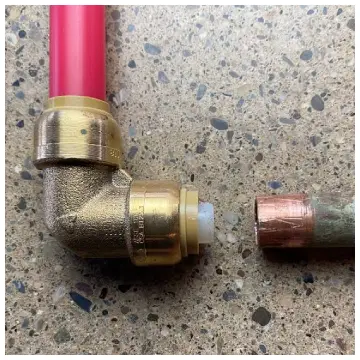
- No heat needed: Requires zero flame or solder. Installation stays cool and clean.
Safety improves in tight spots.
- Material range: Works with multiple pipe types. Copper, PEX, and CPVC all connect easily.
Transitions become simple.
- Removal option: Can be taken off and reused. A disconnect clip makes the job quick.
Reuse saves money on adjustments.
- Warranty cover: Comes with a twenty-five year limited warranty. Correct installation keeps the coverage valid.
Peace of mind lasts longer.
- Size variety: Offers many sizes and configurations. Valves and adapters fit most needs.
Stock stays flexible for repairs.
- Code status: Designed for permanent installs under current codes. Inspectors accept them in most areas.
Local rules still apply.
- Speed focus: Completes joints in under thirty seconds. Time savings add up fast. Emergency fixes finish sooner.
- Seal design: Uses a grab ring and O-ring system. The bite holds the pipe firm. The O-ring stops water leaks.
Pros Of Sharkbite Snap Fittings
- Install speed: Finishes joints in under half a minute. Emergency work ends faster. Solo projects stay manageable.
- Low barrier: Allows most homeowners reliable results. Short practice builds confidence. Depth marks guide the push.
- Safe process: Removes all open flame concerns. Crawl spaces become workable. Occupied homes stay protected.
- Pipe flexibility: Joins copper to PEX with ease. CPVC connections work too. Mixed systems simplify.
- Adjust option: Supports removal for later changes. The clip tool frees the fitting. Reuse cuts waste.
- Warranty strength: Provides twenty-five year coverage. Code approval backs permanent use. Manufacturer support holds.
- Tool simplicity: Needs only basic cutting gear. Deburring finishes the prep. No torch setup required.
- Versatile stock: Covers valves and many adapters. One brand handles most needs. Inventory stays practical.
Cons Of Sharkbite Snap Fittings
- Price premium: Raises cost per fitting. Dozens of joints add up fast. Large projects feel the difference.
- Pro view: Faces preference for traditional methods. Some plumbers call them temporary. Training habits influence choice.
- Prep strict: Demands square cuts and clean edges. Burrs damage the O-ring. Full insertion prevents leaks.
- O-ring questions: Raises long-term material concerns. Aggressive water may affect seals. Rated life still covers decades.
- Size bulk: Appears larger than copper couplings. Tight framing shows the difference. Appearance matters in open areas.
- Stress limits: Suits normal residential use best. Extreme vibration needs extra support. High heat beyond ratings favors solder.
- Support critical: Relies on proper pipe hanging. Mechanical load shifts to the fitting. Correct brackets prevent strain.
- Removal care: Needs the right clip for reuse. Force without tools damages parts. Proper technique keeps value.
Real-World Performance And Longevity Considerations
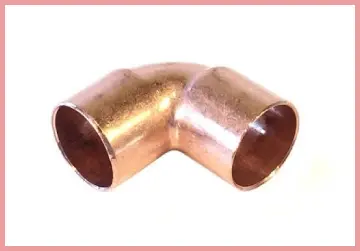
From my own experience and observations, both methods can deliver decades of service when installed correctly.
Copper sweat has the longer track record simply because it has been around longer. SharkBite has been on the market long enough that many installations from the early 2000s are still performing without issue.
Water quality plays a larger role than many people realize.
Aggressive water can attack copper over time regardless of the joint method. Soft water or water with certain chemical treatments may affect O-ring materials differently than hard water. Local conditions matter.
Behind-the-wall installations raise another practical point. Once drywall is closed, any joint becomes harder to access.
Many people prefer the absolute permanence of a soldered joint in those locations, while others are comfortable with the warranty and code approval of SharkBite. I have used both approaches depending on how accessible the location remains.
Temperature extremes also factor in. SharkBite fittings have specific temperature and pressure ratings that cover normal residential use, including hot water lines.
Extremely high temperatures beyond those ratings push the advantage back toward soldered copper.
When I Choose Copper Sweat?
I reach for the torch when the project involves a full re-pipe, when the joints will be permanently enclosed, when cost per fitting needs to stay low across many connections, or when the client or local custom simply prefers traditional methods.
The process feels deliberate and permanent in a way that satisfies both me and many inspectors.
When I Choose SharkBite Snap
I grab the push fittings for emergency repairs, for work in finished spaces where a torch creates too much risk, for transitions between different pipe materials, for temporary shutoffs during larger projects, and for any situation where speed and simplicity outweigh the higher material cost.
They have saved me hours of frustration in tight or awkward locations.
Cost Analysis Beyond The Fitting Price
Material cost alone does not tell the full story. Factor in the time you spend, the tools you already own, the risk of damaging surrounding materials, and the potential need for future adjustments.
A higher-priced SharkBite fitting that lets you finish a repair in fifteen minutes can be cheaper overall than a soldered joint that requires two hours of careful work and cleanup.
For large new construction or full-house remodels, the math often swings toward soldered copper or professional press systems. For the typical homeowner repair or small remodel, the convenience of push fittings frequently wins.
Frequently Asked Questions (FAQ)
Some plumbers prefer traditional methods they trained on and view push fittings as less permanent or more expensive for large jobs. Others simply favor the reliability record of soldered joints for permanent installations.
Yes, many do, especially for repairs, tight spaces, or quick transitions. Usage varies by the plumber’s training, the job requirements, and local preferences.
When installed correctly they provide reliable, code-approved connections with a strong warranty. Many professionals still consider a properly soldered joint the more traditional permanent solution for certain applications.
For many permanent copper installations, a well-executed soldered joint or professional press fittings are often preferred. The best choice depends on the specific project needs, access, and long-term goals.
Wrapping Up
I have used both copper sweat and SharkBite snap fittings extensively, and I no longer treat one as universally superior.
The right choice depends on your specific situation—access, skill level, budget, permanence requirements, and risk tolerance. You now have a clear picture of the strengths and limitations of each method so you can match the technique to the job instead of forcing one approach onto every project.
Take the time to prepare properly, follow the manufacturer guidelines or traditional best practices, and pressure-test your work.
When you do that, either method can deliver dependable results that keep your plumbing system running for years.
Recent Posts
I spent months comparing budget options against established names after my last set of tires wore out sooner than expected.My goal here is to share what I learned from putting Dextero and...
AquaTru Carafe Vs. Classic: Which Is Actually Fits Your Kitchen?
I decided to write this comparison after months of testing both the AquaTru Carafe and the Classic in my own kitchen. Tracking covered daily use.Taste stayed consistent. Refill frequency...