
If you’re tired of rotten egg smells coming from your hot water, replacing traditional sacrificial anode rods every few years, or worrying about your water heater’s lifespan, I believe the Corro-Protec anode rod is worth considering.
After researching its technology and comparing it with conventional options, I found that it offers a modern solution that many homeowners appreciate.
While it isn’t perfect for every home, it can be an excellent investment if you want cleaner-smelling water and longer-lasting water heater protection.
My First Experience With The Corro-Protec Anode Rod
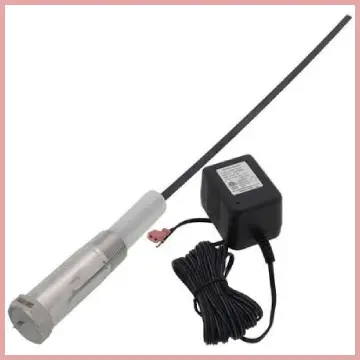
When I first heard about the Corro-Protec powered anode rod, I honestly wondered whether it was just another expensive accessory promising more than it could deliver.
Traditional magnesium and aluminum anode rods have protected water heaters for decades, so replacing them with an electronically powered rod sounded almost too simple.
After installing it, the first thing I noticed wasn’t the installation process—it was the water itself.
For years, my hot water occasionally carried that unpleasant sulfur smell that many people describe as rotten eggs.
It wasn’t always present, but when it appeared, it made showering and washing dishes less enjoyable. I had already flushed my tank several times and even replaced a standard anode rod before, but the smell always seemed to return.
Within a relatively short period after installing the Corro-Protec rod, the odor became significantly less noticeable. That alone made the purchase feel worthwhile.
Another thing I appreciated was knowing I no longer needed to keep replacing sacrificial anode rods every few years.
Traditional rods slowly disappear as they protect the tank, meaning maintenance becomes inevitable. Since the Corro-Protec system uses impressed current technology instead of sacrificing itself, I liked the idea of installing it once and letting it continue working.
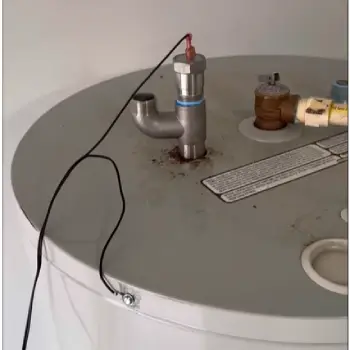
The installation itself wasn’t overly difficult if you’re comfortable working around a water heater. The included power adapter requires a nearby electrical outlet, which may be the biggest challenge depending on where your water heater sits.
Over the following months, I continued monitoring water quality, heater performance, and overall operation.
I didn’t expect dramatic changes to heating efficiency because the rod isn’t designed for that purpose. Instead, its job is protecting the steel tank from corrosion while reducing odor-causing reactions.
From my perspective, that’s exactly what it accomplished.
Of course, I also realized it isn’t magic. If your water heater already has severe sediment buildup, leaking components, damaged heating elements, or bacterial contamination beyond the anode reaction, the Corro-Protec rod won’t solve every issue.
It works best as part of proper water heater maintenance rather than replacing it altogether.
Overall, my experience left me impressed because the benefits matched the expectations without unrealistic promises.
What Is The Corro-Protec Anode Rod?
The Corro-Protec anode rod is a powered titanium anode rod designed to protect steel water heater tanks from corrosion.
Unlike traditional magnesium or aluminum rods that slowly dissolve over time, the Corro-Protec rod uses a low-voltage electrical current supplied by a small power adapter.
Instead of sacrificing metal to protect the tank, it continuously creates corrosion protection electronically.
This means the rod itself doesn’t wear away like conventional anodes.
Because of this technology, many homeowners view it as a long-term upgrade rather than a routine replacement part.
How The Powered Anode Technology Works?
Traditional anode rods protect your water heater by corroding first.
The Corro-Protec system works differently.
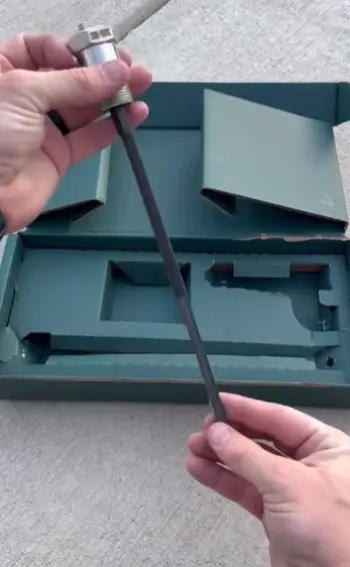
Its titanium rod stays intact while a controlled electrical current keeps the steel tank protected against corrosion. Since titanium is extremely resistant to deterioration, the rod can remain effective for many years.
One of the biggest side benefits is reducing hydrogen sulfide reactions that often cause unpleasant odors in hot water.
This combination of corrosion protection and odor reduction is what separates powered anode rods from traditional options.
Pros Of The Corro-Protec Anode Rod
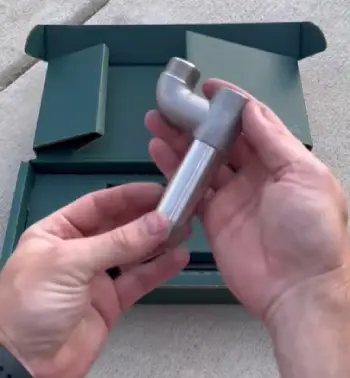
- Long-Term Water Heater Protection
One of the biggest reasons I like this system is the long-term protection it offers.
Traditional rods eventually disappear because they’re designed to sacrifice themselves. Every few years, you have to inspect them and often replace them before they completely dissolve.
With the Corro-Protec rod, that maintenance cycle changes dramatically.
Since the titanium rod doesn’t get consumed during normal operation, I feel much more confident that my water heater remains protected without constant replacement.
For homeowners planning to keep their water heater for many years, this becomes a meaningful advantage.
- Excellent Odor Reduction
If you’ve ever dealt with rotten egg smells in your hot water, you know how frustrating they can be.
Many homeowners buy this product specifically because of this issue.
My experience closely matched what many users report. The unpleasant sulfur smell became far less noticeable after installation.
While results depend on water chemistry, this remains one of the strongest reasons people purchase the Corro-Protec system.
- Less Maintenance Over Time
I really appreciate products that reduce future maintenance instead of adding more.
Traditional anode rods eventually require inspection.
Eventually, they require replacement.
Eventually, you repeat the process again.
The Corro-Protec system removes much of that recurring work.
Although you should still inspect your water heater periodically, replacing anode rods becomes much less of a concern.
- Compatible with Many Water Heaters
Another benefit I noticed is broad compatibility.
The rod works with many electric, gas, and hybrid residential water heaters, making it suitable for a wide range of installations.
That flexibility makes shopping much easier.
- Durable Titanium Construction
Titanium is one of the strongest corrosion-resistant metals available.
Unlike softer sacrificial metals, titanium maintains its structure year after year.
That durability gives me confidence that the product is built for longevity rather than frequent replacement.
- Potentially Extends Water Heater Life
Corrosion remains one of the primary reasons water heaters eventually fail.
Since this rod continuously protects the steel tank, it may help extend the service life of the entire unit.
While nothing lasts forever, slowing corrosion is always beneficial.
- Straightforward Installation
If you’ve replaced an anode rod before, installing the Corro-Protec model feels familiar.
Most installations only require common tools plus access to an electrical outlet.
The instructions are generally clear, making it approachable for many DIY homeowners.
- Helpful Customer Support
Many buyers mention responsive customer service when questions arise.
That added confidence matters, especially when installing a newer technology that some homeowners haven’t used before.
Cons Of The Corro-Protec Anode Rod
- Higher Initial Cost
The biggest drawback is price.
Compared to a standard magnesium rod, the Corro-Protec system costs considerably more upfront.
Although long-term savings may offset the investment, budget-conscious buyers may hesitate.
- Requires Electrical Power
Unlike conventional rods, this model needs continuous electrical power.
If your water heater doesn’t have a nearby outlet, installation becomes more complicated.
- Won’t Solve Every Water Problem
It’s important to have realistic expectations.
This rod isn’t designed to fix sediment buildup, damaged heating elements, plumbing issues, or contaminated water.
Its primary purpose remains corrosion protection and reducing sulfur-related odors.
- Installation Space Can Be Limited
Some water heater installations have very little clearance above the tank.
Removing any anode rod—including this one—may require additional space or flexible installation techniques.
Maintenance Tips For The Corro-Protec Anode Rod
- Flush Your Water Heater Regularly
Even though the powered rod protects against corrosion, sediment can still accumulate inside the tank.
I recommend flushing the water heater periodically to remove mineral deposits before they become excessive.
Clean tanks generally perform better and last longer.
- Check the Power Indicator
One simple habit I developed is occasionally confirming the power indicator remains active.
Since the rod relies on electricity, ensuring it’s powered helps maintain continuous corrosion protection.
- Inspect Electrical Connections
Every so often, I examine the adapter and wiring for signs of wear or accidental disconnection.
It only takes a minute but provides peace of mind.
- Keep the Area Around the Heater Dry
Moisture around electrical connections is never ideal.
Keeping the surrounding area clean and dry helps protect both the water heater and the Corro-Protec system.
- Continue Annual Water Heater Inspections
Even though the anode rod reduces maintenance, it doesn’t eliminate routine inspections.
I still check pressure relief valves, plumbing connections, drain valves, and signs of leaks each year.
These inspections can catch small problems before they become expensive repairs.
- Monitor Water Quality
Changes in water quality may indicate unrelated plumbing issues.
If unusual odors, discoloration, or reduced hot water performance return, it’s worth investigating promptly.
- Don’t Ignore Sediment
Sediment buildup affects heating performance regardless of which anode rod you install.
Removing accumulated minerals helps maintain efficiency while reducing unnecessary wear.
- Replace Other Worn Components Promptly
Heating elements, thermostats, valves, and plumbing fittings all experience wear over time.
Keeping every component in good condition allows the Corro-Protec system to perform at its best.
- Follow Manufacturer Recommendations
Every water heater differs slightly.
I always recommend following the maintenance schedule provided by your specific water heater manufacturer alongside the Corro-Protec instructions.
- Consider Water Testing
If you have unusually hard water or recurring odor problems, testing your water can identify underlying conditions affecting your plumbing system.
Knowing your water chemistry helps determine whether additional treatment may be beneficial.
- Monitor Changes in Water Quality
Pay attention to any changes in your hot water’s smell, taste, or appearance. If you suddenly notice discoloration, unusual odors, cloudy water, or metallic flavors, don’t assume the anode rod is at fault.
These symptoms could point to sediment buildup, plumbing issues, bacterial growth, or changes in your water supply.
Investigating these signs early helps prevent larger problems and keeps your entire plumbing system in better condition.
- Schedule an Annual Water Heater Inspection
Even with a long-lasting powered anode rod installed, I still believe an annual inspection is worthwhile.
During this check, inspect the pressure relief valve, drain valve, plumbing fittings, thermostat, heating elements, and the general condition of the tank.
A yearly inspection helps identify developing problems before they become expensive repairs and gives you confidence that every part of your water heater is functioning properly.
Comparison Of Corro-Protec With Other Brands
- Corro-Protec vs Traditional Magnesium Anode Rods
Traditional magnesium rods remain affordable and highly effective at corrosion protection.
However, they gradually dissolve and require replacement every few years.
Corro-Protec offers a longer-lasting solution by using powered protection instead of sacrificing metal.
For homeowners who want less maintenance, I think Corro-Protec provides greater long-term convenience.
- Corro-Protec vs Aluminum Anode Rods
Aluminum rods typically last longer than magnesium rods and are often recommended for hard water conditions.
They are less expensive than powered systems but still wear out over time.
Corro-Protec stands out because it avoids gradual deterioration while also helping reduce sulfur odors that aluminum rods may not eliminate as effectively.
- Corro-Protec vs Flexible Anode Rods
Flexible anode rods solve installation challenges in tight spaces, making them practical for water heaters with limited overhead clearance.
While they improve accessibility, they still function as sacrificial rods.
Corro-Protec focuses more on long-term durability and reduced maintenance rather than installation flexibility alone.
- Corro-Protec vs Generic Powered Anode Rods
Several companies now offer powered anode technology, but Corro-Protec has built a strong reputation through consistent product quality, customer support, and compatibility with many residential water heaters.
While competing powered rods may perform similarly, Corro-Protec remains one of the better-known choices among homeowners looking for a proven solution.
Is The Corro-Protec Anode Rod Worth Buying?
After considering performance, durability, maintenance requirements, and long-term value, I believe the Corro-Protec anode rod earns its positive reputation.
It isn’t the cheapest replacement available, but it isn’t trying to compete on price.
Instead, it focuses on reducing corrosion, minimizing unpleasant odors, and eliminating the repeated replacement cycle associated with traditional anode rods.
If you’re planning to keep your water heater for several years, I think it’s an investment that makes practical sense.
Frequently Asked Questions (FAQ)
Yes. It effectively protects many water heaters from corrosion while often reducing sulfur-related hot water odors.
It depends on your water conditions, but powered titanium rods like Corro-Protec are among the longest-lasting options.
It’s designed for long-term use, but your water heater still requires regular maintenance and inspections.
Magnesium generally offers stronger protection, while aluminum often performs better in hard water and lasts longer.
Wrapping Up
After spending time evaluating the Corro-Protec anode rod, I believe it’s one of the smartest upgrades you can make for many residential water heaters.
It reduces maintenance, helps control unpleasant hot water odors, and provides reliable corrosion protection without constantly replacing sacrificial rods.
If you’re looking for a long-lasting solution that protects your investment and gives you greater peace of mind, I think the Corro-Protec anode rod is well worth considering.
Recent Posts
I spent months comparing budget options against established names after my last set of tires wore out sooner than expected.My goal here is to share what I learned from putting Dextero and...
AquaTru Carafe Vs. Classic: Which Is Actually Fits Your Kitchen?
I decided to write this comparison after months of testing both the AquaTru Carafe and the Classic in my own kitchen. Tracking covered daily use.Taste stayed consistent. Refill frequency...