
If you want a fun, reusable way to encourage drawing, tracing, lettering, or creative play, I think the Cosmody Drawing Board is worth considering.
I like that it combines a bright LED surface with a simple drawing concept, making it appealing for both kids and casual artists.
After looking at its design, usability, lighting, portability, and everyday practicality, I found several things that stand out.
If you want an affordable creative tool that can make ordinary sketches feel more exciting, I’d recommend giving the Cosmody Drawing Board a serious look before buying.
My First Experience With The Cosmody Drawing Board
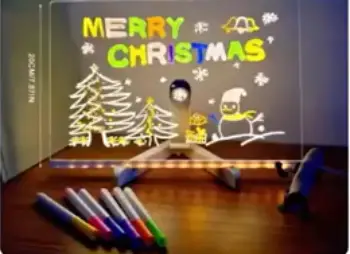
The first thing I noticed about the Cosmody Drawing Board was how different it felt from an ordinary sketch pad.
Instead of drawing on a conventional white sheet and throwing it away when I was finished, I could use the illuminated surface to create artwork that looked more vibrant.
I found the concept especially interesting for tracing. If you have ever tried to place one sheet over another and hold everything against a window just to see the outline underneath, you already know how inconvenient that can be.
An illuminated drawing board gives you a much cleaner way to work.
When I used the board, the LED illumination immediately became the main attraction. The light helped outlines stand out clearly, particularly when the surrounding room wasn’t excessively bright.
I could place an image underneath or use a template and follow the visible lines with much less frustration.
I also liked the fact that the board encourages experimentation. You can sketch something, wipe it away when the appropriate drawing surface is used, and start again. That makes it much less intimidating for children who don’t want to “mess up” a drawing.
For me, portability was another practical advantage. I don’t want a creative gadget that needs a permanent place on my desk.
A drawing board that can be picked up, used at a table, and stored away afterward fits more naturally into everyday life.
I also think the Cosmody board makes sense as a shared activity. You can sit with a child and trace shapes, practice letters, draw characters, or create simple designs together. That interaction is more valuable to me than simply handing a child another screen-based activity.
That said, I wouldn’t treat it as a professional artist’s drafting tablet. Its appeal is more about accessibility, creativity, tracing, and illuminated artwork. If you understand that purpose before buying, the product makes considerably more sense.
Pros Of Cosmody Drawing Board
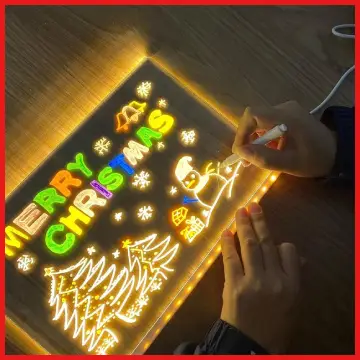
- Bright Illuminated Drawing Surface
The biggest advantage for me is the illuminated surface. The LED lighting makes the board more interesting than a standard drawing pad and can improve visibility when tracing.
When I’m following an outline, I want to see the reference clearly. The light helps with that, especially when the material underneath isn’t naturally easy to see.
For children, the illumination can also add an element of excitement. Drawing becomes something they can interact with rather than just another paper-and-pencil activity.
- Encourages Creative Play
I like products that encourage creativity without requiring a screen. The Cosmody Drawing Board fits that idea nicely.
You can draw pictures, practice shapes, experiment with lettering, trace designs, or create your own patterns. That variety gives you more ways to use the board.
If you’re buying it for a child, I think this flexibility is important. Children can move from simple shapes to more detailed artwork as their confidence grows.
- Reusable Concept
Another feature I appreciate is the reusable nature of the drawing experience.
Traditional coloring books and sketch sheets can disappear quickly when children are enthusiastic. A reusable drawing surface can reduce the need to keep replacing paper for every small experiment.
That doesn’t mean you won’t need paper or drawing materials at all. You may still need suitable supplies depending on how you use the board. But the reusable concept makes the overall activity more practical.
- Useful for Tracing
Tracing is probably where I see the clearest practical benefit.
If you want to reproduce a simple character, shape, symbol, or lettering design, an illuminated board can make the process much easier to manage.
You can focus on following the visible outline instead of constantly adjusting your paper against a window or struggling with weak lighting.
For beginners, that can make drawing feel more approachable.
- Suitable for Different Age Groups
I wouldn’t limit the Cosmody Drawing Board strictly to very young children.
Older children can use it for more detailed drawings, lettering, craft projects, and tracing exercises. Adults may also appreciate it for casual creative work.
The usefulness depends more on what you want to create than on your age.
- Easy Creative Activity Without a Screen
This is another reason I find the product appealing.
Many children spend a significant amount of recreational time with screens. A drawing board gives you another option.
Instead of watching something passively, a child can sit down, pick up a drawing tool, and create something.
For parents, grandparents, teachers, or anyone looking for an alternative activity, that’s a meaningful advantage.
- Portable and Convenient
I like creative products that don’t require an entire workstation.
You can use a drawing board at a table, desk, or another suitable flat surface and put it away afterward. That makes it easier to incorporate into a normal household routine.
If you’re short on space, portability becomes even more useful.
Cons Of Cosmody Drawing Board
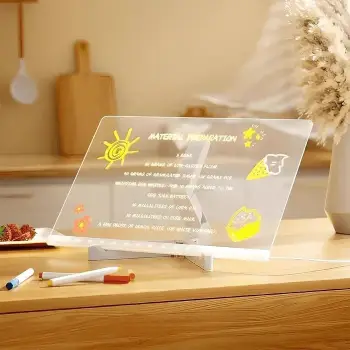
- Not a Professional Drawing Tablet
The first limitation is that I wouldn’t confuse this with a professional digital drawing tablet.
It doesn’t replace a dedicated graphics tablet designed for digital illustration, pressure-sensitive drawing, or sophisticated creative software.
If you’re a professional artist looking for advanced digital controls, you’ll probably want something much more specialized.
- Requires the Right Materials
The board’s usefulness can depend on what you’re drawing with and what you’re placing underneath it.
If you use unsuitable materials, you may not get the clean results you’re expecting. I recommend following the intended use carefully rather than treating the surface like an ordinary sheet of paper.
- Brightness May Feel Different in Different Rooms
Lighting conditions can affect your experience.
In a dim room, illumination may appear impressively bright. In a strongly lit room, the same lighting can appear less dramatic.
That’s not necessarily a defect, but it’s something to keep in mind.
- More Useful for Certain Projects
I see the Cosmody board as a specialized creative tool rather than something you’ll use for every type of drawing.
If you mostly create freehand sketches on ordinary paper, you may not need an illuminated board very often.
Its value becomes clearer when tracing, practicing, or creating illuminated artwork is part of your routine.
- Children Still Need Supervision
If you’re buying the board for a young child, I wouldn’t simply hand it over and walk away.
You’ll want to supervise the use of drawing materials and any power-related components. That’s particularly important with younger children.
Maintenance Tips For Cosmody Drawing Board
- Keep the Surface Clean
One of the easiest ways to keep your board looking good is to clean it regularly.
I prefer using a soft, clean cloth and avoiding abrasive materials that could scratch the surface. If you’re dealing with marks, use the cleaning method recommended for the particular drawing material you’re using.
Don’t aggressively scrub the illuminated panel.
A few seconds of gentle cleaning after use can prevent residue from building up.
- Use Appropriate Drawing Materials
This is one area where I wouldn’t experiment unnecessarily.
If the board is designed for particular markers or drawing materials, stick with those recommendations. Using permanent or unsuitable products can potentially leave stains or make cleaning difficult.
When you’re unsure, test a small area first rather than covering the entire surface.
- Store It Flat or Securely
I recommend giving the board a dedicated storage spot.
Don’t leave it underneath heavy objects or toss it into a crowded drawer where it can be scratched or bent.
Keeping it protected between drawing sessions can help preserve the surface and maintain its appearance.
- Protect the LED Components
The illuminated portion is the heart of the product, so I would treat it carefully.
Avoid dropping the board, bending it unnecessarily, or exposing electronic components to moisture.
It’s easy to think of a drawing board as a simple piece of plastic, but an LED product contains electrical components that deserve normal care.
- Keep Liquids Away
This should be obvious, but it’s especially important when children are using the board.
Keep drinks, wet paints, and other liquids away from the electronic parts. A spill can turn a fun drawing session into an expensive problem.
- Don’t Leave It Running Unnecessarily
When I’m finished using an illuminated device, I switch it off.
There’s no benefit to leaving the lights running when nobody is drawing. Turning it off after each session is an easy habit that also helps conserve power.
- Check the Power Setup
If your particular Cosmody model uses a cable, batteries, or another power arrangement, make sure the connection is secure before use.
I also avoid pulling the cable sharply or wrapping it tightly around the board.
Small habits like these can help prevent unnecessary wear.
- Clean After Creative Sessions
Children can get enthusiastic with art supplies, and that’s exactly when messes happen.
I like cleaning the board shortly after use rather than allowing marker residue or fingerprints to accumulate.
A clean surface also makes the next drawing session more enjoyable.
- Store Drawing Materials Separately
I recommend keeping markers, templates, paper, and other accessories together but not directly on top of the board.
That keeps the working surface cleaner and reduces the chance of scratches.
Comparison Of Cosmody Drawing Board With Other Brands
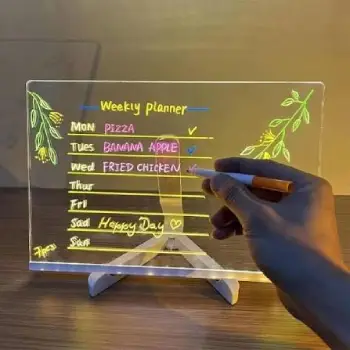
- Cosmody vs. Basic LED Tracing Boards
Basic LED tracing boards generally focus on the same fundamental concept: a flat illuminated surface for tracing and drawing.
What I look for with Cosmody is the overall usability rather than simply asking whether it lights up.
A good drawing board should be comfortable to use, sufficiently visible, easy to handle, and suitable for the intended age group.
If you’re comparing Cosmody with a generic alternative, pay attention to dimensions, lighting controls, included accessories, power method, and surface quality.
- Cosmody vs. Professional Light Pads
Professional light pads are usually designed with more demanding creative work in mind.
They can offer features intended for artists, designers, illustrators, and crafters who need precise illumination and a more specialized workspace.
For casual drawing and children’s activities, that extra sophistication may not be necessary.
I would choose according to your actual use rather than assuming a more expensive light pad automatically makes sense.
- Cosmody vs. Traditional Drawing Pads
A traditional drawing pad wins when simplicity is the only requirement.
Grab a pencil, grab some paper, and you’re ready.
But an illuminated drawing board offers something different. It gives you a tracing-focused surface and a more interactive experience.
For someone who frequently traces images or wants to make drawing more engaging for children, I see more practical appeal in the illuminated format.
- Cosmody vs. Digital Drawing Tablets
Digital drawing tablets serve a completely different purpose.
They are designed to work with computers or other compatible devices and are typically aimed at creating digital artwork.
I wouldn’t compare the two as direct substitutes.
If you want screen-free drawing and physical tracing, an illuminated drawing board makes more sense. If you want digital illustrations, editing, layers, and software-based artwork, a digital tablet is the more appropriate category.
Who Should Consider A Cosmody Drawing Board?
I think the product makes the most sense for people who enjoy drawing, tracing, crafting, or creative activities and want something more engaging than a basic sketchbook.
Parents may find it useful for children who enjoy visual activities.
Teachers and caregivers may also appreciate an illuminated drawing surface for guided creative exercises.
Older kids can use it for practicing lettering, shapes, characters, and other artwork.
For adults, the board can work as a casual tracing and crafting tool.
I wouldn’t recommend buying it simply because it lights up. Think about how you’ll actually use it. If tracing and creative experimentation sound useful to you, the concept becomes much more compelling.
Is The Cosmody Drawing Board Worth It?
For me, the value comes from combining simplicity and visual appeal.
I don’t expect an illuminated drawing board to replace a professional art setup. That’s not what I think it is designed to do.
Instead, I see it as a creative tool that can make drawing and tracing more accessible.
The LED illumination is the central attraction, while portability and the reusable concept add everyday convenience.
If you’re purchasing one for a child, I would focus particularly on age suitability, included accessories, surface size, and the type of drawing materials required.
For adults, I would ask a simpler question: Will I actually use the tracing and illuminated drawing functions?
If the answer is yes, the Cosmody Drawing Board can make sense.
Also Read: Is Lumiboard LED Drawing Board Worth It?
Frequently Asked Questions (FAQ)
Customer opinions can vary, with feedback commonly focusing on ease of use, lighting, design, and overall value.
Cosmody’s business location can vary by product listing and company information, so check the current seller details before purchasing.
Place your tracing material or paper on the illuminated surface, switch on the LED lighting, and follow the visible outlines with a suitable drawing tool.
The right choice depends on the child’s age, board size, brightness, durability, included accessories, and intended use.
Final Verdict
After considering the design, illuminated surface, tracing usefulness, portability, and limitations, I think the Cosmody Drawing Board is a practical option for creative users who want something more engaging than ordinary paper.
It isn’t a professional digital art device, but that’s not really its purpose.
If you want a reusable, screen-free drawing activity for yourself or your child, I recommend considering the Cosmody Drawing Board before making your purchase.
Recent Posts
● Interactive 5-Zone Interior & Exterior Paint Blueprint Paint Coverage Calculator: Gallons, Primer, Square Footage & Cost Tap any architectural surface zone on the blueprint...
If you want smooth, shiny hair without spending a fortune on a premium styling tool, the Ella Bella hair dryer may be worth considering.In these Ella Bella hair dryer reviews, I’ll look...