
I have spent months bouncing between cities, hiking trails, and squeezing through airport security with both the Cotopaxi Allpa and the Osprey Farpoint strapped to my back.
If you are like me—someone who wants a reliable carry-on backpack that handles everything from weekend getaways to multi-week adventures without checking a bag—this comparison comes straight from my own experiences.
I packed, carried, and lived with these two popular travel packs to figure out which one actually delivers when it counts. My goal here is to help you decide based on real-world use, not just specs.
| Feature | Cotopaxi Allpa (35L/42L focus) | Osprey Farpoint 40 |
| Capacity | 35L or 42L | 40L |
| Weight | Around 3.1-4 lbs | Around 3.3-3.5 lbs |
| Dimensions (approx) | 22″ x 14″ x 10-11″ | 22″ x 14″ x 9″ |
| Carry-on Compliance | Excellent for most airlines | Strong for domestic |
| Opening Style | Clamshell suitcase-style | Clamshell with less structure |
| Organization | Superior internal compartments | Minimal, more open |
| Comfort/Harness | Good padded straps & hipbelt | Outstanding suspension system |
| Durability | Tough 840D materials | Durable 450D recycled nylon |
| Laptop Access | Side access | Dedicated sleeve |
| Water Bottle Pocket | Yes (stretch mesh) | Limited/no dedicated |
| Price Range | Higher | Often more affordable |
| Best For | Organized packing, urban travel | Long walks, comfort-focused trips |
Right after testing both, I can tell you they both work great as carry-on travel companions, but they shine in different areas. Let me walk you through everything I noticed.
Key Differences Between The Cotopaxi Allpa And Osprey Farpoint
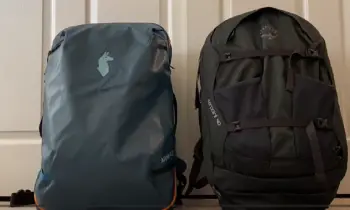
- Design Philosophy and Aesthetics: I love how the Cotopaxi Allpa brings fun, vibrant colors and a playful yet practical vibe that makes me smile at the airport.
It feels modern and adventurous. The Osprey Farpoint, on the other hand, has that classic outdoorsy look with its clean lines and technical harness—perfect if you want something that blends into hiking scenes or looks more rugged.
- Weight and Bulk: The Allpa feels a bit bulkier when fully packed, especially the 42L version, but it compresses well.
The Farpoint stays slimmer and more streamlined, which helped me navigate crowded trains easier during my European trip.
- Packing Experience: Opening the Allpa is like unzipping a well-organized suitcase. I can see everything at once.
The Farpoint opens similarly but gives more of a big cavern feel, which I sometimes had to wrestle with using packing cubes.
- Carrying Comfort Over Distance: This is where the Farpoint pulled ahead for me on longer walks. Its suspension system made heavy loads feel lighter.
The Allpa is comfortable too, but I noticed more pressure on my shoulders after hours of walking.
- Durability in Rough Use: Both held up through rain and rough handling, but the Allpa’s thicker materials gave me extra peace of mind when tossing it into taxis or onto luggage racks.
Key Features Of The Cotopaxi Allpa
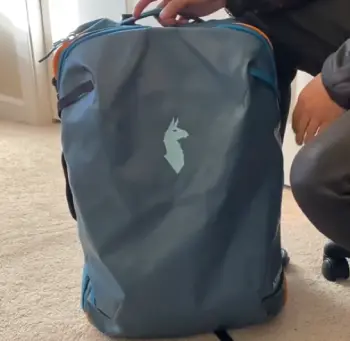
- Clamshell Opening with Excellent Internal Organization: The full-wrap zipper lets the bag open flat. Inside, I found multiple mesh pockets in different sizes that kept my clothes, toiletries, and gadgets separated. No more digging around like in a black hole.
- Sturdy Materials and Weather Resistance: Made with 840D nylon and TPU coating, it laughed off light rain during my rainy Seattle layover. The zippers are smooth YKK ones with anti-theft loops.
- Comfortable Harness and Hip Belt: Padded shoulder straps and a removable hip belt helped distribute weight. I could wear it all day exploring cities without constant readjusting.
- Laptop and Tech Protection: Side-access sleeve kept my 15-inch laptop secure. It was easy to grab at security, though I had to lay the bag down.
- Multiple Carry Handles and Luggage Pass-Through: Handles on top, side, and bottom made it easy to lift or slide onto roller bags. The pass-through sleeve was a lifesaver in airports.
- Sustainability Angle: Cotopaxi uses recycled fabrics and often incorporates fun, unique colorways from leftover materials, which appealed to my desire to travel more responsibly.
I packed the Allpa for a two-week trip to Southeast Asia and fit everything I needed—clothes for varying weather, electronics, snacks, and even a small towel—without feeling stuffed.
Pros Of The Cotopaxi Allpa
- Top-tier organization keeps chaos at bay: The internal layout features multiple mesh pockets of varying sizes that allow me to separate clothes, electronics, toiletries, and documents perfectly.
During a busy layover, I could quickly locate my charging cable or passport without emptying half the bag.
This structure turns packing from a stressful chore into something almost enjoyable, especially when I am rushing between connections or living out of the bag in hostels for weeks.
- Durable build for long-term use: Constructed with robust 840D nylon and a TPU coating, the Allpa handled rough baggage handlers, rainy weather, and constant zipping without showing wear.
After several international trips, the zippers still glide smoothly, and there are no frayed edges or weakened seams.
This reliability gives me confidence that the investment will pay off over years of frequent travel rather than needing replacement soon.
- Versatile for different travel styles: It adapts easily whether I am using it as a daily explorer pack in a new city, a carry-on for flights, or even a gym bag at home.
The multiple handles let me grab it from any angle, and the luggage pass-through sleeve secures it neatly on my roller bag during airport sprints.
This flexibility means I reach for it more often than other bags in my collection.
- Eye-catching design boosts mood: The vibrant, unique color options make the bag stand out on luggage carousels and add a fun personality to my journeys.
It feels less like generic travel gear and more like a personal companion, which subtly improves my travel experience and makes it easier to spot in crowded areas.
- Good compression and expandability: Strong compression straps help slim the bag down to meet strict carry-on requirements when I pack light, while the material allows some stretch for extra souvenirs on the return trip.
This balance prevented me from overpacking while still providing enough room for essentials on longer adventures.
Cons Of The Cotopaxi Allpa
- Heavier feel when fully loaded: Even though the weight specs are reasonable, when I stuffed it close to capacity for two-week trips, the load sat heavier on my shoulders compared to lighter-feeling alternatives.
On extended walking days through cities or trails, I found myself adjusting the straps more frequently to stay comfortable.
- Laptop access requires laying it flat: The side-access sleeve is secure, but I always had to set the bag down horizontally to retrieve my computer safely.
This became annoying during standing security lines or quick train changes where I preferred faster access without repositioning the entire pack.
- Higher price point: It sits at a premium cost compared to many competitors. While I believe the quality and features justify it for serious travelers, it might feel like a bigger splurge if you are budget-conscious or only travel a couple of times a year.
- Less ideal for very minimalist packers: The structured design excels when the bag is reasonably full, but it can appear and feel oversized or slightly awkward if I travel extremely light with just a few items.
The rigidity that helps with organization sometimes works against ultra-minimalist approaches.
- Hip belt fit varies: The padded hip belt distributes weight well for my build, but I can imagine it might not sit perfectly for people with broader or narrower frames.
I had to fine-tune it each time, which is minor but noticeable over many days of use.
Key Features Of The Osprey Farpoint
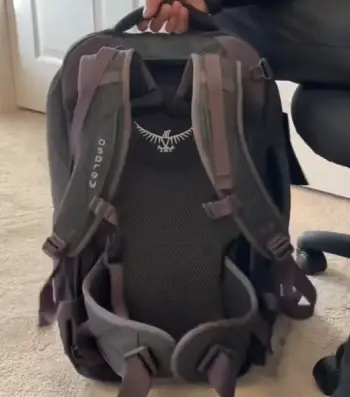
- Advanced Suspension System: The framesheet and perimeter frame turned heavy loads into something manageable.
I walked miles through cities and trails feeling supported.
- Suitcase-Style Clamshell but More Open: It opens wide for easy packing, though without as many built-in organizers as the Allpa.
I relied on cubes, which worked fine.
- Lockable Zippers and Security Features: Great for peace of mind in busy places. The materials felt tough and water-resistant.
- Comfortable Harness with Tuckable Straps: Padded everything and the ability to stow straps for duffel carry made transitions smooth.
- Laptop Sleeve and Quick-Access Pockets: Dedicated protection and a top pocket for tickets or phone came in handy constantly.
- Proven Longevity: Osprey’s reputation and lifetime warranty gave me confidence it would last many years of adventures.
During a month-long trip mixing flights and trains, the Farpoint became my go-to because it carried so comfortably.
Pros Of The Osprey Farpoint
- Unbeatable carrying comfort for long distances: The advanced suspension system with a framesheet and perimeter frame makes a noticeable difference when carrying heavier loads.
On a month-long trip involving lots of walking between train stations and sights, my back and shoulders felt supported even after full days on my feet.
This comfort level encouraged me to explore more without fatigue cutting my adventures short.
- Great value for the performance: It delivers high-end travel features at a more accessible price point than some rivals.
Combined with Osprey’s excellent reputation and lifetime warranty, I feel I am getting strong durability and functionality without overpaying, making it easier to recommend to friends who want quality on a reasonable budget.
- Slimmer profile when packed: The design stays more streamlined even when full, which helped me navigate crowded public transport, narrow aisles, and tight overhead bins more easily.
It never felt bulky or obstructive, allowing smoother movement through airports, buses, and streets.
- Reliable durability with strong warranty: The materials held up exceptionally well against scrapes, rain, and daily abuse.
Knowing Osprey stands behind it with a comprehensive warranty removes worry about potential damage during rough travel, giving long-term peace of mind that the bag will remain a trusted companion for many years.
- Versatile carry options: The ability to tuck away the harness and carry it like a duffel is incredibly practical when moving through security, storing it in tight spaces, or switching modes quickly.
This adaptability proved useful on mixed itineraries involving flights, trains, and walking segments.
Cons Of The Osprey Farpoint
- Limited internal organization: The main compartment is spacious but quite open with fewer built-in dividers.
I relied more heavily on my own packing cubes to keep things sorted, which added an extra step to my packing routine compared to more compartmentalized options.
Finding small items sometimes required more digging.
- No dedicated water bottle pocket on some models: I missed having an easy external spot to stash a bottle for quick access while walking.
I often had to open the main compartment or use side pockets that were less convenient, especially when staying hydrated during active exploration days.
- Hip belt is non-removable: While effective for weight distribution, the fixed hip belt means I cannot easily remove it for a cleaner look or lighter carry when I want a sleeker profile.
This reduced flexibility in certain situations where I preferred minimal strap bulk.
- More technical look: The rugged, outdoors-oriented styling does not always blend seamlessly with professional or casual urban outfits.
In business districts or nicer settings, it sometimes stood out more than I wanted, though it still performed perfectly functionally.
- Slightly less premium material feel: The fabric is tough and water-resistant, but it does not have the same thick, robust hand-feel as higher-denier alternatives.
Over time I noticed it showed minor scuffs faster in very abrasive conditions, though nothing that affected performance.
My Real-User Experiences Side By Side

When I first tried the Allpa on a short city break, I was impressed by how effortlessly I could pack and access items.
The organization saved me time at every stop. Switching to the Farpoint for a longer hiking-focused trip, I immediately felt the difference in comfort.
I covered more ground without fatigue, which made the whole journey more enjoyable.
For someone who flies often and values quick security checks, the Allpa’s structured pockets won me over.
But if your trips involve lots of walking between transport hubs or exploring on foot, the Farpoint’s harness system is a game-changer.
I packed both similarly—using cubes for clothes, a tech pouch, toiletries in a separate bag—and both handled the load, but the experience differed based on the activity.
How They Perform For Carry-On Travel?
Both are solid carry-on options, fitting most domestic and many international overhead bins. I never had issues, even on budget airlines, as long as I didn’t overstuff.
The Allpa’s slightly boxier shape sometimes needed a gentle push, but it complied. The Farpoint’s slimmer depth made it slide in easier.
Weight-wise, when packed for a week or more, both hovered around airline limits, so I watched that closely.
Which One Fits Your Travel Style?
If you crave structure and easy access like I do when juggling multiple items, lean toward the Allpa.
If comfort for active exploration is your priority, the Farpoint might suit you better.
I alternate between them now depending on the trip—Allpa for organized city breaks, Farpoint for adventure-heavy journeys.
Also Read: Comparison Of North Face Vault And Borealis
Frequently Asked Questions (FAQ)
Both excel, but the Osprey Farpoint edges out slightly for its slimmer profile and ease in tight spaces. The Cotopaxi Allpa is fantastic too and often passes with room to spare.
Not usually. The Farpoint’s advanced suspension makes it more comfortable for extended carrying, while the Allpa is very good but can feel heavier over long distances.
The Cotopaxi Allpa clearly wins here with its thoughtful internal pockets and compartments that keep everything in place.
Yes, if comfort and value are your top priorities. It is often a better pick for walkers and hikers, though the Allpa shines for organization lovers.
Wrapping Up
After all my travels with both, I can confidently say that choosing between the Cotopaxi Allpa and Osprey Farpoint depends on what you value most in a travel companion.
I prefer the Allpa for its smart organization and fun personality that makes packing less of a chore, while you might love the Farpoint’s comfort and reliability for those long hauls.
Whichever you pick, both will serve you well on countless adventures. Think about your typical trips, try them on if possible, and go for the one that matches your needs.
You will thank yourself every time you travel light and stress-free. What matters most is finding the backpack that lets you focus on the experiences, not the gear.
I hope my experiences help you make the right call for your next journey.
Recent Posts
● Interactive 5-Zone Interior & Exterior Paint Blueprint Paint Coverage Calculator: Gallons, Primer, Square Footage & Cost Tap any architectural surface zone on the blueprint...
If you want smooth, shiny hair without spending a fortune on a premium styling tool, the Ella Bella hair dryer may be worth considering.In these Ella Bella hair dryer reviews, I’ll look...