
I’ve spent countless hours on trails, in city downpours, and during unexpected mountain weather testing gear that promises to keep me dry and comfortable.
When it came time to pick between the North Face Alta Vista and the Antora, I bought both to figure out which one fits my needs better.
In this article, I share my real experiences with these two popular rain jackets so you can decide which one suits your adventures.
From daily commutes to weekend hikes, I’ll break down how they perform side by side.
| Feature | Alta Vista | Antora |
| Layer Construction | 2.5L DryVent | 2L DryVent |
| Weight (Men’s approx) | 9-11.6 oz | ~12.2 oz |
| Pit Zips | Yes | No |
| Packable | Yes, into chest pocket | No |
| Lining | Recycled nylon (slippery) | Mesh (more comfortable) |
| Price (approx) | $160 | $200+ |
| Best For | Active hikes, packability | Everyday wear, casual comfort |
| Waterproofing | Fully seam-sealed, good in rain | Fully seam-sealed, solid protection |
| Hood | Adjustable, three-piece | Adjustable, with storm flap |
Key Differences Between the North Face Alta Vista And Antora Jackets
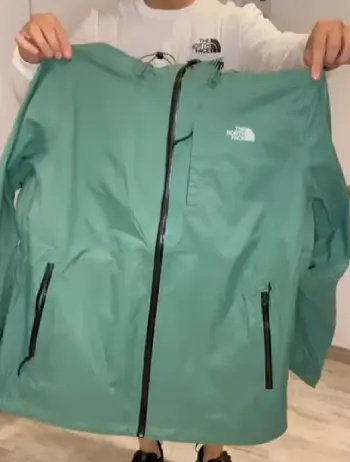
- Construction and Feel: I noticed right away that the Alta Vista uses a 2.5-layer setup, which makes it lighter and more packable.
The Antora’s 2-layer build with a mesh liner feels softer against the skin, especially when I wear it over a light base layer during cooler evenings.
- Weight and Mobility: The Alta Vista wins for me on longer hikes because it barely registers on my back.
The Antora adds a bit more substance, which I appreciate when wind picks up but notice more when stuffing it in a daypack.
- Ventilation Options: Pit zips on the Alta Vista changed the game during uphill sections. I could dump heat without opening the whole front.
The Antora relies on its breathable fabric alone, which works but can get stuffier on high-output days.
- Pockets and Storage: Alta Vista gives me more options with internal drop pockets and a chest pocket that doubles as a stuff sack.
Antora keeps it simple with two secure hand pockets that sit well for everyday use.
- Durability in Real Use: Both hold up to abrasion from packs and branches, but the Antora’s slightly thicker feel makes me trust it more for rougher urban or light bushwhacking days.
- Style and Versatility: I wear the Antora more around town because it looks cleaner layered over hoodies.
The Alta Vista has a sleeker, more technical vibe that shines on trails but still works casually.
Key Features Of The North Face Alta Vista
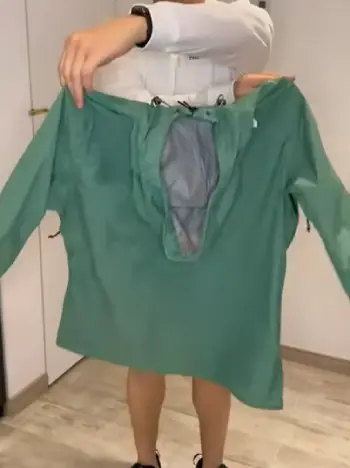
I’ve put the Alta Vista through miles of testing, and these features stand out every time.
- Lightweight 2.5-Layer DryVent Shell: This keeps the jacket under 12 ounces while delivering solid waterproofing.
I stayed dry in steady rain during a recent coastal hike, and the non-PFC DWR finish beaded water effectively even after several wears.
- Pit Zips for Breathability: On warm, rainy days, these vents prevented that clammy feeling I get with other shells.
I could keep moving without overheating.
- Packability into Its Own Pocket: I love how it stuffs into the chest pocket with a carabiner loop. It fits neatly in my daypack without taking much space, perfect for variable weather forecasts.
- Adjustable Hood and Hem: The three-piece hood moves with my head, and the cinch-cord hem seals out drafts. I adjusted it one-handed while walking in gusty conditions.
- Multiple Pockets: Hand pockets, chest pocket, and internals give plenty of room for phone, keys, and snacks without bulk.
- Recycled Materials: Knowing it uses mostly recycled nylon makes me feel better about the purchase, and the fabric held up without pilling after repeated use.
Pros Of The North Face Alta Vista
- Excellent value for active users: At its price point around $160, I get technical features usually found on pricier jackets.
The combination of lightweight design, pit zips, and full seam sealing delivers strong performance that punches above its weight class.
I recommend it to friends who hike regularly because it saves money without sacrificing essential trail protection, letting me focus on enjoying the outdoors rather than worrying about gear failure.
- Superior breathability on the move: Those pit zips make a noticeable difference during exertion.
On a humid hike last season, I opened them midway up a steep climb and immediately felt cooler air circulating, reducing sweat buildup inside.
This feature keeps the jacket usable for longer periods of activity compared to shells without dedicated vents, making it ideal for dynamic days where temperatures fluctuate.
- True pack-and-go convenience: It compresses small enough that I always carry it “just in case” without regret.
Stuffing it into its own chest pocket takes seconds, and the resulting bundle clips easily to my pack or fits in a small compartment.
This has saved me multiple times on trips with changing forecasts, turning potential misery into manageable comfort.
- Technical details that matter: The water-repellent zipper and seam sealing gave me confidence in heavier rain. I didn’t worry about leaks at the main zip even when caught in a sudden downpour.
Combined with the adjustable hood that seals well around my face, these elements create reliable all-around weather resistance that performs consistently in real conditions.
- Versatile fit: Regular cut layers easily over fleeces without feeling restrictive, and it moves well with my arms during scrambling or reaching.
I never felt constricted on technical sections of trails, which encouraged me to wear it more often instead of leaving it in the pack.
Cons Of The North Face Alta Vista
- Lining can feel slick: The recycled nylon interior slides against layers sometimes, which bothered me initially until I got used to it.
On colder days when layering heavily, this can cause shifting that requires occasional readjustment, though it doesn’t affect waterproofing.
- Breathability has limits: In high humidity or intense activity, I still needed to manage moisture by opening vents or the front.
While better than many budget options, it can build up condensation during very strenuous efforts, reminding me it’s optimized for moderate rather than extreme output.
- Less warmth in cold wind: It’s a shell, not an insulator, so I pair it with mid-layers when temperatures drop.
Without additional warmth built in, I feel the chill more quickly in biting winds compared to heavier or insulated alternatives.
- Pockets not the deepest: Items can shift around during vigorous movement, though they stayed secure overall.
I occasionally wished for deeper hand pockets when carrying bulkier items like gloves or a small map on the go.
- Color options fade slightly: After months of sun exposure, some brighter colors showed minor wear compared to darker ones.
This is typical for outdoor gear but something to note if you plan heavy daily use in sunny environments.
Key Features Of The North Face Antora
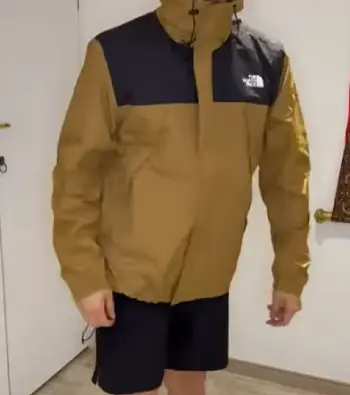
The Antora became my go-to for mixed days where I wasn’t sure about the forecast.
- 2-Layer DryVent with Mesh Liner: This combo offers reliable waterproofing plus that soft, comfortable next-to-skin feel. I wore it all day in light rain without irritation.
- Storm Flap and Windproofing: The front flap with hook-and-loop closures blocks wind and rain effectively. I appreciated this during blustery city walks.
- Secure Zip Hand Pockets: They sit in a practical position and keep essentials dry. I use them constantly for phone and wallet.
- Adjustable Hood and Elastic Cuffs: Simple but effective adjustments keep elements out. The hood fits well over a baseball cap.
- Recycled Construction: Like the Alta Vista, it emphasizes sustainability with recycled fabrics and PFC-free finish, which aligns with my values.
- Alpine-Inspired Design: It looks put-together enough for casual outings while handling outdoor demands.
Pros Of The North Face Antora
- Superior everyday comfort: The mesh lining feels premium and less clammy than many shells I’ve tried.
I reach for it more often for quick errands because it feels good against a t-shirt or light sweater for extended periods.
During a full day of walking around town in variable weather, I forgot I was wearing a rain shell thanks to how breathable and non-irritating the interior stayed.
- Solid wind and rain protection: In moderate storms, it kept me dry without needing constant adjustments.
The thicker feel adds reassurance, and the storm flap over the zipper prevented any seepage even when facing driving rain.
I trusted it completely during several windy outings where other lighter jackets struggled.
- Stylish for town and trail: I get compliments on its look, and it layers nicely over sweaters or light jackets.
The design strikes a nice balance that doesn’t scream “outdoor gear” while still performing when needed, making it my choice for travel days or casual meetups that might involve weather.
- Durable shell: It shrugs off light abrasion better in my experience, making it suitable for daily wear with occasional outdoor use.
After repeated packing and unpacking plus contact with bags and seats, it maintained its shape and water resistance impressively well.
- Reliable fit adjustments: Elastic cuffs and hem cinch create a good seal without complicated cords that can snag.
These simple features let me quickly customize the fit throughout the day, whether blocking cold gusts at the waist or securing the hood in changing conditions.
Cons Of The North Face Antora
- No pit zips: This became obvious on warmer hikes where I felt warmer than with the Alta Vista.
Ventilation depends entirely on the fabric, so during higher effort levels I sometimes had to open the main zipper more than ideal, reducing overall efficiency in active scenarios.
- Heavier and less packable: It takes more space in my bag, so I leave it behind sometimes when weight matters.
Unlike the Alta Vista, it doesn’t stow into itself, which means carrying it externally or sacrificing room for other essentials on minimalist trips.
- Fewer pockets: Only two main ones mean I sometimes miss the extra storage of the Alta Vista. This limitation shows during activities where I need quick access to multiple small items without digging into a backpack.
- Higher price: For the features, I questioned the premium over the Alta Vista, especially if packability is key.
The added cost needs to be justified by the comfort and style benefits for your specific use case.
- Less technical for serious activity: It excels in casual scenarios but doesn’t match the Alta Vista’s performance during sustained high-output efforts.
On longer, more demanding hikes, I found myself wishing for better ventilation and lighter weight.
How I Choose Between Them In Different Situations?
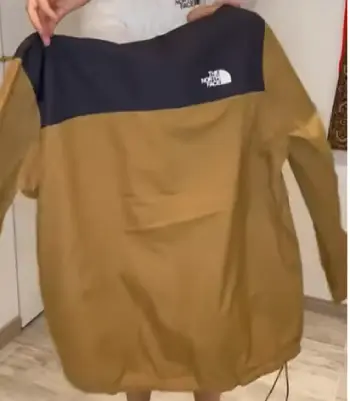
When I plan a full day hike with possible rain, I grab the Alta Vista. Its lighter weight, vents, and packability give me freedom to move fast and adapt.
Last month on a misty mountain trail, I appreciated the pit zips after climbing steep sections.
For commuting, running errands, or light walks where style matters, the Antora wins.
I wore it through a week of variable spring weather in the city, staying dry and comfortable without looking like I was dressed for the backcountry.
If budget is tight, the Alta Vista offers more performance per dollar in my view. But if comfort during all-day wear tops your list, the Antora’s lining makes daily use more pleasant.
Both use North Face’s DryVent tech effectively. I tested them in similar conditions—steady rain, wind, and light trails—and neither leaked when seams stayed intact.
The difference comes down to intended use more than outright superiority.
I also considered longevity. After months of use, both show minimal wear. The Alta Vista’s lighter fabric might show scuffs faster on rougher trips, while the Antora feels built for repeated casual outings.
Fit and Sizing Experiences
I usually wear a medium in both, and they fit true to size with room for a fleece underneath. The Alta Vista feels slightly more athletic and streamlined, great for active movement. The Antora offers a bit more relaxed room, which I like for layering in colder conditions. Women’s versions follow similar patterns based on my friends’ feedback—check size charts for your body type.
Sustainability Angle
Both jackets incorporate recycled materials and avoid PFC in their DWR finishes. I feel good supporting these efforts, knowing my gear has less environmental impact. The Alta Vista edges out slightly with more recycled content in its lighter build.
Real-World Durability and Care
I wash both on gentle cycles and hang dry. The DWR refresh spray brings back water beading after a few washes. Neither delaminated or lost waterproofing prematurely. For heavy users, inspect seams periodically, but they’ve held strong through my testing.
Which One Should You Pick?
If you’re like me and value packability and active performance, go with the Alta Vista. You’ll appreciate its features on the trail without breaking the bank.
If comfort and versatile everyday style matter more, the Antora delivers a jacket you’ll actually wear often.
I switch between them depending on the day, but having both taught me that no single jacket does everything perfectly. Consider your main activities, climate, and priorities before deciding.
Also Read: Is 32 Degrees Clothing Review Worth It?
Frequently Asked Questions (FAQ)
Yes, it excels for casual and everyday use with comfortable lining and solid protection. It’s a reliable choice if you want something you can wear all day.
Absolutely. It shines for hikers and active users thanks to its light weight, pit zips, and packability. Great performance at a fair price.
It depends on you. The Alta Vista is best for trails and activity; the Antora suits daily wear and comfort. Neither is universally superior.
Yes, with its seam-sealed 2L DryVent construction, it handles rain well for most conditions, though no jacket is 100% in extreme prolonged exposure.
Wrapping Up
After putting both the Alta Vista and Antora through real scenarios, I can confidently say they’re both strong options from North Face.
You’ll love the Alta Vista if you want something light, technical, and ready for adventures without much bulk. I turn to it when I need to move freely and stay protected on longer outings.
On the other hand, if you’re looking for a jacket that feels great against your skin and transitions seamlessly from trail to town, the Antora has your back.
I wear mine when comfort and a clean look matter most, and it rarely disappoints in moderate weather.
Ultimately, think about how you’ll use it most. Consider your typical activities, how much layering you do, and whether packability or everyday ease wins out.
Both represent solid investments in staying dry and comfortable. I hope my experiences help you choose the right one for your next adventure.
What matters most to you—lightweight performance or all-day comfort? Grab the one that matches, and you’ll be set for whatever weather comes your way.
Recent Posts
● Interactive 5-Zone Interior & Exterior Paint Blueprint Paint Coverage Calculator: Gallons, Primer, Square Footage & Cost Tap any architectural surface zone on the blueprint...
If you want smooth, shiny hair without spending a fortune on a premium styling tool, the Ella Bella hair dryer may be worth considering.In these Ella Bella hair dryer reviews, I’ll look...