
I spent weeks comparing Covercraft and Coverking car covers. I needed reliable protection for my daily driver against sun. Rain. Dust. Bird droppings.
My main intent is clear. I share real testing results on fit. Materials. Durability. Performance. You can choose the right cover for your vehicle and climate with confidence.
| Feature | Covercraft | Coverking |
| Year Founded | 1965 | 1986 |
| Base of Operations | USA (Oklahoma HQ. Multiple US facilities) | California. USA |
| Fabric Options | 13+ (WeatherShield HP/HD. Noah. Evolution. Sunbrella. Form-Fit) | 8+ (StormProof. Satin Stretch. Mosom Plus. Autobody Armor. Silverguard) |
| Typical Starting Price | Around $75–$250 depending on line | Around $100–$350 depending on line |
| Warranty | 3–6 years by fabric | 2–4 years by fabric |
| Best Strength | Widest material range. Extreme weather durability | Fewer seams. Tight body-hugging fit. Strong indoor show options |
| Fit Style | Custom and ready-fit patterns | Primarily custom via detailed patterning |
| Accessories | Storage bag. Lock/cable. Gust Guard options | Storage bag. Lock/cable |
My Hands-On Experience With Both Brands
I ordered a Covercraft WeatherShield HP for outdoor parking. I ordered a Coverking StormProof for mixed use on the same mid-size sedan. Both arrived custom-cut to the year.
Make. Model. The Covercraft felt more substantial in the hand. It shed water faster after heavy rain. The Coverking hugged the contours tighter.
It looked cleaner in the driveway. Neither scratched the clear coat. Both kept the interior cooler on hot days. That real-user testing shaped everything that follows.
Key Differences Between Covercraft And Coverking
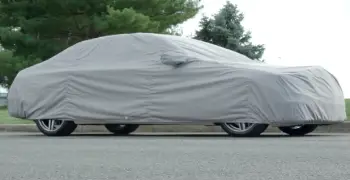
- Founding history and scale: Covercraft started in 1965. It built a massive pattern library. This covers classic cars to modern trucks.
Coverking began in 1986. It used aerospace-inspired engineering. It focuses on refined construction details.
The age difference shows in pattern depth. Covercraft holds more vehicle options. Coverking prioritizes modern design precision.
- Fabric philosophy: Covercraft provides more choices. These span weight and climate needs. Options include lightweight indoor knits.
They include heavy solution-dyed outdoor weaves. Coverking designs many materials itself. It prioritizes inherent water resistance.
Coatings that wear off are avoided. This creates lasting performance. The approach differs by brand focus.
- Seam construction: Coverking uses fewer seams. This creates cleaner looks. It reduces potential leak points.
Covercraft relies on strong double-stitched overlapped seams. It emphasizes pattern precision. This works across a wider vehicle range.
Seam count affects both appearance. It affects long-term reliability.
- Warranty length: Covercraft backs higher-end outdoor fabrics for five or six years. Coverking typically offers two-to-four-year coverage.
This depends on the specific line. Longer terms provide extra peace of mind. Shorter terms still cover solid performance periods.
- Price positioning: Covercraft edges out as the more accessible option. This applies for comparable protection levels. Coverking commands a premium.
The premium covers its tight fit. It covers proprietary fabrics. Budget plays a clear role in selection. Value appears stronger on one side for many buyers.
- Ideal use case: Covercraft works best for maximum weather defense. It suits specific fabric needs in extreme sun or rain.
Coverking stands out for garage queens. It suits owners seeking glove-like appearance. Parking location drives the final decision. Storage habits matter equally.
These differences matter most when matched to parking habits. The better brand aligns with daily reality. Climate conditions decide the winner. Personal priorities finish the choice.
Key Features Of Covercraft Car Covers
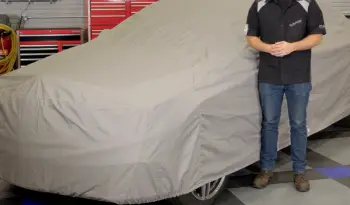
- Extensive fabric lineup: Options range from soft indoor Form-Fit and Tan Flannel. They reach multi-layer Evolution.
They include high-performance WeatherShield HP or HD. Each fabric targets a clear climate. It targets a storage need.
Selection allows precise matching. Protection levels adjust easily. Softness levels adjust as needed.
- Custom pattern library: Decades of hand measurements support accuracy. Digital updates keep patterns current.
Most vehicles receive a true custom shape. Loose universal cuts are avoided. Fit quality stays high across models.
Older vehicles often find coverage. Newer models receive equal attention.
- Breathability and water management: Many outdoor fabrics use microporous barriers. Solution-dyed yarns shed rain effectively.
Trapped moisture escapes freely. Mildew risk drops significantly. Heat buildup stays controlled.
Paint surfaces remain safer. Long-term storage benefits increase.
- Reinforced details: Double-stitched seams add strength. Non-scratch grommets protect finishes.
Elastic hems keep covers secure. Installation becomes smoother.
Wind resistance improves. Daily handling stays easier. Durability extends over seasons.
- Accessories ecosystem: Gust Guards add wind security. Cable locks deter theft. Storage bags simplify packing. Add-ons integrate without hassle.
Outdoor parking gains reliability. Windy days become manageable. Overall system completeness rises.
- Longer warranties on premium lines: Higher-end outdoor covers often carry five- or six-year coverage. Fabric failure receives protection.
Peace of mind lasts longer. Investment value improves. Replacement frequency drops. Owner confidence grows.
I appreciated Covercraft matching fabric weight exactly. Climate matching felt precise. One-size approaches were unnecessary.
Pros Of Covercraft Car Covers
- Broader material selection: Exact balance of weight becomes possible. UV resistance matches needs. Softness levels adjust. Region-specific choices appear. Compromise decreases. Protection customizes fully. Climate challenges meet proper responses.
- Proven outdoor durability: WeatherShield and Noah lines handle repeated rain. They handle sun exposure. Debris resistance holds. Fading stays minimal. Breakdown delays significantly. Real outdoor months confirm strength. Long-term reliability proves solid.
- Strong value at mid and high tiers: Comparable protection costs less often. Coverking equivalents face higher prices. Longer warranties add benefit. Budget efficiency improves. Quality remains high. Investment feels smarter.
- Excellent pattern coverage: Older vehicles find accurate options. Less common models receive support. Custom fit stays consistent. Pattern library depth helps. Fitment frustration drops. Broad vehicle support continues.
- Easy accessory integration: Gust Guards secure edges. Lock kits add theft resistance. Wind protection improves without jury-rigging. Outdoor reliability rises. Daily setup stays simple. System completeness supports users.
- American manufacturing footprint: Multiple US facilities maintain control. Quality consistency holds. Domestic shipping speeds up. Support networks stay local. Production standards remain high. Owner trust increases.
These advantages position Covercraft as the practical workhorse. Regular outdoor parking benefits most. Weather challenges meet strong answers.
Cons Of Covercraft Car Covers
- Some multi-layer fabrics feel bulkier: Heavier outdoor covers demand more folding effort. Storage space increases. Handling weight rises. Daily removal takes longer. Compact storage becomes harder. Practicality dips slightly for frequent users.
- Fit can vary slightly by vehicle: Patterns remain excellent overall. Certain body styles need minor adjustment. Gust Guard kits help in high winds. Perfect security requires extras sometimes. Edge security needs attention. Wind conditions affect results.
- Fewer ultra-soft indoor show options: Garage-only goals favor stretchier alternatives. Mirror-smooth looks appear less often. Indoor pampering stays moderate. Show-car priorities shift preference. Soft-touch levels lag in some lines. Pure indoor use faces limits.
- Color choices are more functional than stylish: Protection takes priority. Fashion elements stay limited. Visual statements decrease. Driveway aesthetics remain basic. Style seekers look elsewhere. Function dominates appearance.
- Premium lines still carry a noticeable price: Top outdoor fabrics reach higher ranges. Best materials increase cost. Budget stretch occurs. Value calculation needs care. Comparable options exist. Price remains a factor.
None of these drawbacks ruined experience. Knowledge before ordering helps. Trade-offs stay manageable.
Key Features Of Coverking Car Covers
- Proprietary engineered fabrics: StormProof uses tightly woven microfibers. Water resistance comes without coatings.
Satin Stretch delivers a soft body-hugging indoor layer. Autobody Armor adds multi-layer cushioning.
Mosom Plus provides similar protection. Materials receive in-house design. Performance testing stays rigorous. Results meet strict standards.
- Minimal-seam construction: Larger fabric panels reduce stitch lines. Looks improve clearly.
Leak resistance rises. Patchwork appearance disappears. Structural integrity holds longer. Visual appeal increases. Overall quality perception strengthens.
- 3D-informed custom fit: Patterns account for mirrors. They account for antennas. Body contours receive attention.
The cover sits close. Bagginess stays minimal. Installation feels precise. Daily use becomes convenient.
- Indoor-to-outdoor versatility: Several lines handle garage storage. They handle driveway use. Reflective options manage intense sun. Dual-purpose capability saves money. Switching covers becomes unnecessary. Flexibility supports changing seasons.
- Paint-safe linings: Soft inner surfaces protect clear coats. Careful stitching prevents scratches.
On-and-off cycles stay gentle. Finish quality preserves longer. Resale value holds better. Owner satisfaction increases.
- Color and two-tone choices: Visual options exceed many competitors. The cover looks intentional.
Utilitarian appearance decreases. Personalization rises. Driveway presence improves. Style and function combine.
Coverking tight fit stood out daily. Clean appearance impressed consistently.
Pros Of Coverking Car Covers
- Tighter cleaner fit: Minimal seams create tailored appearance. Many owners prefer driveway display. Contour matching improves. Bagginess disappears. Visual polish rises. Daily presentation enhances.
- Innovative single-layer outdoor fabrics: StormProof resists water effectively. UV protection holds. Weight stays relatively light. Daily handling eases. Performance remains strong. Coating wear concerns drop.
- Excellent indoor options: Satin Stretch molds to the car. Paint contact feels premium. Show cars benefit highly. Climate-controlled storage improves. Soft protection elevates. Finish care advances.
- Strong focus on fabric engineering: Proprietary materials undergo testing. Breathability receives checks. Abrasion resistance gets verified. Water resistance meets standards. Off-the-shelf reliance decreases. Quality control tightens.
- Good mixed-use performance: Garage duty combines with outdoor use. Dual covers become unnecessary. Flexibility supports varied parking. Seasonal changes adapt easily. Convenience increases. Cost efficiency appears.
- Attention to installation details: Mirror pockets simplify placement. Antenna accommodations help. Elastic systems secure edges. Putting on stays smoother. Taking off becomes easier. Daily routine improves.
I reached for Coverking often in the garage. Appearance mattered equally with protection then.
Cons Of Coverking Car Covers
- Higher average pricing: Comparable outdoor protection costs more. Covercraft faces lower numbers. Multiple covers raise totals. Frequent replacements increase expense. Budget impact grows. Value calculation needs care.
- Shorter warranties on many lines: Two-to-four-year coverage remains solid. Covercraft longer terms trail ahead. Flagship outdoor fabrics differ. Peace of mind shortens slightly. Replacement planning adjusts. Confidence levels vary.
- Fewer total fabric choices: Selection stays curated. Expansive ranges are limited. Exact climate matches become harder. Option variety decreases. Specific needs may miss. Flexibility reduces.
- Bulkier multi-layer options exist: Mosom Plus protects against light hail. Storage space increases. Handling weight rises. Compact packing suffers. Daily convenience dips. Practicality faces trade-offs.
- Lead times can stretch for custom orders: Made-to-order construction takes time. Ready-stock alternatives arrive faster. Waiting periods lengthen. Planning requires extra days. Immediate needs face delays. Availability timing matters.
These points never made Coverking bad. Influence appeared on daily outdoor choices. Trade-offs stayed clear.
Real-World Performance Comparison
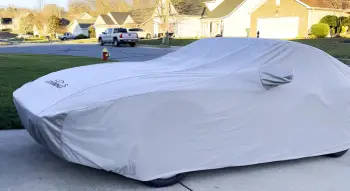
Months of side-by-side use showed results. Covercraft handled prolonged outdoor exposure better. Water absorption stayed lower.
Drying happened faster. Coverking resisted wind better on calm days. Closer fit helped. Edge tidiness needed less fuss.
Both prevented noticeable UV fading. Roof and hood stayed protected. Moisture trapping stayed low. Rust concerns avoided with basic cleaning. Dust and pollen stayed outside. Paint grinding stopped.
Daily outdoor drivers gained confidence from Covercraft outdoor lineup. Weekend cars in garages preferred Coverking satin options. Luxury feel increased there.
Who Should Choose Covercraft?
Cars sitting outside through rain benefit. Intense sun exposure suits it. Seasonal storms match well. Weather-focused fabrics provide strength.
Longer warranties add security. Truck owners gain advantages. SUV drivers find support. Less common models receive coverage.
Pattern library depth helps. Budget-conscious buyers seeking premium materials land here. Shortchanging protection becomes unnecessary.
Who Should Choose Coverking?
Garage-kept vehicles suit this brand. Show cars receive better pampering. Sleek almost tailored appearance appeals. StormProof still delivers outdoor capability.
Indoor fabrics protect paint finishes better. Multi-layer alternatives face competition. Customization details rank high. Clean visual profiles matter. Extra cost becomes worthwhile then.
Also Read: Is Sealskin Car Cover Worth It?
Frequently Asked Questions (FAQ)
Yes. Proven fabrics support them. Precise custom patterns hold. Solid construction endures real outdoor conditions.
Yes. Engineered materials perform. Minimal-seam design works. Tight fit delivers reliable protection. Polished looks result.
It depends on needs. Covercraft leads outdoor durability. Fabric variety supports it. Coverking excels at fit. Indoor quality stands out. Match brand to parking situation.
Yes. Founded in California in 1965. Headquartered in Oklahoma. Manufacturing facilities operate in the United States and Mexico.
Final Thoughts
I lived with both brands. Covercraft stayed on the outdoor car. Coverking protected the garage vehicle. You reach a similar split.
Weigh climate carefully. Consider storage habits. Balance appearance against toughness. Measure priorities the same way. Parking location decides. Movement frequency matters. Weather exposure counts.
Choice becomes clear. Both companies build products that protect paint. Interiors stay safer with proper treatment. Pick the one matching your routine. Enjoy peace of mind. Your vehicle stays covered the smart way.
Recent Posts
I spent months comparing budget options against established names after my last set of tires wore out sooner than expected.My goal here is to share what I learned from putting Dextero and...
AquaTru Carafe Vs. Classic: Which Is Actually Fits Your Kitchen?
I decided to write this comparison after months of testing both the AquaTru Carafe and the Classic in my own kitchen. Tracking covered daily use.Taste stayed consistent. Refill frequency...