
I spent months testing windshield sunshades in my daily driver under harsh summer sun. The Covercraft versus HeatShield debate kept coming up in every parking lot conversation.
My main intent here is to walk you through a clear side-by-side look at how these two custom-fit options actually perform.
You can decide which one protects your car’s interior better without wasting money or time.
| Feature | Covercraft UVS100 | HeatShield |
| Design Style | Accordion fold | Roll-up |
| Coverage Focus | Windshield only | Windshield (side/rear options available) |
| Material Layers | Triple laminate with foam core | Multi-layer reflective with insulation |
| UV Block | High (near 99%) | 100% UVA/UVB claimed |
| Temp Drop Claim | Up to 30-40°F | Up to 40°F |
| Storage | Folds flat | Rolls into cylinder |
| Fit Type | Custom vehicle-specific | Custom vehicle-specific |
| Typical Price Range | Higher premium | Mid to premium |
| Hold Method | Sun visors | Sun visors + shape |
| Made In | USA | USA-focused production |
Why I Started Comparing These Two Brands?
Parking my car in full sun for eight hours left the steering wheel almost too hot to touch. The dashboard looked faded after just one season. I tried cheap universal shades first.
They slipped. They left gaps. They barely cooled the cabin. That pushed me toward custom options. Covercraft and HeatShield kept rising to the top in owner forums.
Real-world tests confirmed their strength. Both promise precise fit. Both promise serious heat reduction. I ordered one of each for the same vehicle model. I ran them through weeks of identical parking conditions.
The difference showed up fast. One folded neatly behind the seat. The other rolled into a tidy tube. One felt thicker. One felt more rigid.
The other reflected light with a brighter shine. Neither is perfect. Each solves the hot-car problem in its own way.
Understanding those differences matters. You care about long-term interior condition. You care about daily comfort.
Key Differences Between Covercraft And HeatShield
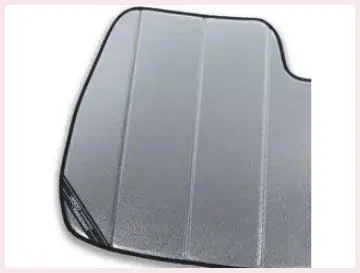
- Fold versus roll storage: Covercraft uses an accordion-style fold. It collapses into a relatively flat rectangle.
HeatShield rolls into a cylinder. A Velcro strap secures it. Storage preference often decides the winner.
- Coverage area: Covercraft focuses strictly on the front windshield. HeatShield starts with the windshield.
Matching pieces cover side windows. Matching pieces cover rear windows. Fuller cabin protection comes from HeatShield.
- Material feel and rigidity: Covercraft’s triple laminate includes a thick foam core. The panel stays stiff.
HeatShield’s multi-layer reflective material stays more flexible. It molds well. A slight curl can appear over years.
- Installation speed and security: Both install in under a minute. Covercraft unfolds. It tucks behind the mirror cutout.
HeatShield unrolls. It bends around the same area. Covercraft stays put with less adjustment.
- Price and longevity perception: Covercraft often sits at a higher price point. HeatShield tends to cost a bit less for the windshield-only version.
Both last several years with careful use. The fold style resists creasing better.
- Edge sealing performance: Covercraft edges tuck closer against the pillars. Light seepage drops lower.
HeatShield relies more on overall shape. Minor side gaps appear on certain curved glass.
- Weight during handling: Covercraft feels heavier due to the foam core. Daily lifts require a bit more effort.
HeatShield stays lighter. Quick one-hand moves become easier.
- Seasonal storage needs: Covercraft folds into a shape that stacks with other items. Winter storage stays simple.
HeatShield’s cylinder needs dedicated space. Trunk organizers help manage it.
Key Features Of Covercraft
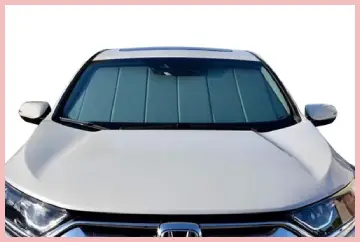
- Custom patterning for exact vehicle fit: Each shade is cut to the specific year. Each shade matches the make.
Each shade matches the model. Edges follow the windshield curve closely. Light leaks drop at the A-pillars.
- Triple laminate construction: A reflective outer layer bounces sunlight away. The middle foam core acts like insulation. Soft felt backing faces the interior.
The glass stays scratch-free. The dash stays scratch-free.
- Accordion fold design: Panels fold in sections.
They collapse flat. Storage becomes simple. A slim bag holds it behind the passenger seat.
- Mirror and sensor cutout: The opening around the rearview mirror stays sized correctly. Forward cameras fit without forcing.
Small intentional gaps near the edges help removal.
- Color choices: Silver finishes look traditional. Blue metallic finishes add subtle style. Performance stays the same in both colors.
- Foam core thickness: The middle layer adds real insulation value. Heat transfer slows more than thin shades allow.
Cabin air stays cooler longer after removal.
- Felt backing durability: Soft material resists wear from repeated contact. Fingerprints wipe off easily. Long-term appearance holds steady.
- Visor hold reliability: Rigid panels lock under standard visors. Movement during wind gusts stays minimal. Secure placement lasts the full parking period.
Pros Of Covercraft
- Excellent rigidity and minimal sag: The foam core presses the shade close to the glass. The middle rarely droops. Hours in high heat change nothing.
- Easy flat storage: Folding produces a manageable package. Tight spaces accept it. Daily drivers without trunk room benefit most.
- Soft felt interior surface: Marks stay off the windshield. The backing feels premium during handling.
- Strong heat and UV reduction: Cabin temperatures drop noticeably. Steering wheels become touchable. Dash surfaces cool enough for comfort.
- Made in the USA with solid build reputation: Material holds up for multiple seasons. Delamination stays rare in long-term reports.
- Consistent edge contact: Pillar areas stay covered better. Bright light strips along the sides become rare. Overall protection rises.
- Simple one-person setup: Unfolding takes seconds. Positioning needs little adjustment. Solo use feels straightforward every day.
- Resale appearance benefit: Interiors show less fading after seasons of use. Buyers notice the preserved condition. Value holds higher.
Cons Of Covercraft
- Bulkier when folded than expected: The foam core creates a thicker package. Smaller cars struggle for storage spots.
- Windshield-only focus: Side window protection needs separate products. Full-cabin coverage requires extra purchases.
- Higher typical price: Quality shows clearly. Budget shoppers notice the cost difference at once.
- Larger mirror cutout on some models: Certain vehicles show a wider opening. A little light can still enter near the sensor.
- Less flexible for quick adjustments: Rigid panels resist bending. Unusual mirror mounts create extra effort.
- Weight during repeated lifts: Heavier feel builds up over many days. Arm fatigue appears for some users.
- Limited color variety: Choices stay narrow. Style preferences may go unmet.
- Fold line visibility: Creases can show after long use. Reflective surface still works. Appearance shifts slightly.
Key Features Of HeatShield
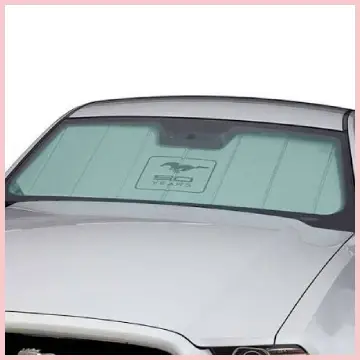
- Custom vehicle patterning: Each unit matches the exact windshield dimensions.
Fit stays tight. Many owners report little need for visors.
- Multi-layer reflective material: The outer surface reflects strongly. Inner layers provide insulation. Full UVA blockage is claimed.
Full UVB blockage is claimed. Temperature drops of 25 to 40 degrees appear in reports.
- Roll-up storage with Velcro: The shade unrolls across the dash.
The cutout positions easily. Visors flip down. A tight roll forms. The strap secures it.
- Optional full-cabin kits: Windshield pieces pair with side shades. Windshield pieces pair with rear shades.
A complete heat barrier forms for long outdoor parking.
- Silver and gold series options: Performance stays identical. The gold version offers a different reflective look.
A darker interior face appears on some models.
- Reflective intensity level: Outer coating throws back a high percentage of solar energy. Surface temperatures on the shade itself stay lower.
Hands feel less heat during removal.
- Velcro strap strength: The closure holds the roll firm through movement. Accidental unrolling stays rare.
Repeated use shows little wear on the strap.
- Pattern accuracy for sensors: Cutouts clear modern camera housings cleanly. Installation avoids interference.
Forward safety systems remain unobstructed.
Pros Of HeatShield
- Strong reflective performance: The shiny surface throws sunlight back effectively. Interior temperatures drop as claimed. Side-by-side tests confirm the results.
- Compact roll storage for many users: The cylinder fits neatly in various spots. The roll motion feels faster for some people.
- Full UVA and UVB protection claims: Dashboard fading slows after a full summer. The material feels substantial. Stiffness stays moderate.
- Expandable system: Side pieces add coverage. Rear pieces add coverage. Cars parked for days gain the most benefit.
- Competitive pricing for custom fit: Vehicle-specific patterning arrives without the highest premium. Value stays clear.
- Light handling weight: Easier lifts during daily use. Fatigue stays lower over weeks.
- Quick unroll speed: Deployment finishes faster for many. Practice improves the motion rapidly.
- Broad vehicle support: Patterns cover many unique glass shapes. Owner groups report strong results on specialty models.
Cons Of HeatShield
- Roll can be awkward in tight spaces: A full tight roll sometimes needs two hands. A clear area helps. Letting go mid-roll means starting over.
- Potential for curl over time: Repeated rolling leaves a slight memory curve. The shade may sit less flat against the glass after years.
- Storage volume still significant: The finished cylinder is not tiny. Trunk space matters. Under-seat clearance matters in compact vehicles.
- Side pieces sold separately: The base windshield unit stands alone. Full protection raises the total cost.
- Reflective surface can glare during handling: Bright days create flashes into the eyes. Positioning requires care.
- Strap dependency: Velcro failure would leave the roll loose. Replacement becomes necessary later.
- Less rigid middle section: Sag can appear in the center on large windshields. Extra positioning helps.
- Cylinder bulk in small trunks: Space competition with other gear increases. Organizers become useful.
Real-World Performance In Daily Use
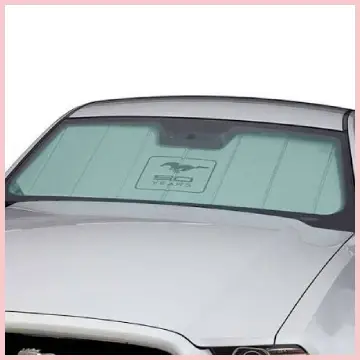
I parked both shades in the same spot on consecutive 95-degree days. Outside air sat near 100 by mid-afternoon.
Without any shade the cabin thermometer climbed past 140. Covercraft brought the reading down into the low 100s. HeatShield did the same.
Sometimes it ran a couple of degrees lower on the hottest days. Both kept the steering wheel touchable.
Both kept the shift knob touchable. The real win showed on the dashboard surface. Unprotected plastic reached temperatures that crack it over seasons. Both products cut that surface heat dramatically.
Installation became automatic after a week. Covercraft’s fold felt more deliberate. HeatShield’s unroll felt faster.
The bend around the mirror became natural. Removal followed the reverse. Neither fell out of place while the car sat. Wind through cracked windows never lifted the edges enough to matter.
Durability after two months of daily cycling looked good for both. Covercraft showed no creases in the reflective layer. HeatShield’s Velcro remained strong. The material did not delaminate. Storage habits mattered more than brand. Leaving either crumpled in a hot trunk would shorten life. Proper folding kept them looking new. Proper rolling kept them looking new.
Who Should Choose Covercraft?
Daily parking at work favors Covercraft. Something that disappears into a slim space works best. The rigid foam core appeals to people who dislike any sag.
Owners of vehicles with complex windshield curves often praise the precise cut. Drivers who already own Covercraft car covers may prefer matching brand quality.
The fold style works better for people who dislike the bulk of a rolled cylinder.
Who Should Choose HeatShield?
Long-term outdoor parking favors HeatShield. Adding the side pieces helps. Adding the rear pieces helps. Reflective intensity attracts owners in desert climates.
Reflective intensity attracts owners in southern climates. People who like the simple roll motion lean this direction. Trunk space supports the choice.
Budget-conscious buyers who still want custom fit often land here first. Unique glass shapes receive strong HeatShield support according to owner groups.
Long-Term Interior Protection Angle
Sun damage builds over time. UV breaks down plasticizers in the dash. UV fades leather. UV fades vinyl. Heat accelerates cracking.
Both shades interrupt that process. Temperature swing on the instrument panel dropped with either installed. After a full season the unprotected areas near the A-pillars still looked newer. Previous years without a shade left clearer damage.
The investment pays back in resale appearance. The investment pays back in comfort every time you climb in.
Maintenance stays simple. Wipe the reflective side with a soft cloth. Dust builds up otherwise. Avoid folding while wet.
Avoid rolling while wet. Store out of direct sun when not in the car. Neither product needs special cleaners.
The felt backing on Covercraft resists fingerprints better. HeatShield’s surface cleans easily with a quick wipe.
Frequently Asked Questions (FAQ)
Yes for most daily drivers. Rigid fit matters. Flat storage matters. Temperature drop justifies the cost. UV protection justifies the cost over multiple seasons.
Custom-fit options from Covercraft lead. Custom-fit options from HeatShield lead. Universal shades rarely match their coverage. Universal shades rarely match their durability.
Both reduce cabin heat effectively. HeatShield’s reflective layers often post the highest claimed drops. Covercraft’s foam insulation holds the cooler air longer.
Owners praise the custom fit. Owners praise the strong heat reduction. Owners praise the long life. Roll storage takes practice. Adding side pieces improves full protection.
Final Thoughts
I started this comparison wanting a simple answer. Living with both shades changed that view. The better product matches how you park.
The better product matches how you store. Covercraft gives reliable daily protection. Easy flat storage comes with it. HeatShield delivers intense reflection. The option to expand coverage comes with it.
You now have the side-by-side details. Features are clear. Differences are clear. Strengths are clear. Limits are clear.
Pick the style that fits your routine. Install it every time you leave the car in the sun. Enjoy a cooler interior.
Enjoy a longer-lasting interior. Your hands will thank you. Your dashboard will thank you every hot afternoon.
Recent Posts
I spent months comparing budget options against established names after my last set of tires wore out sooner than expected.My goal here is to share what I learned from putting Dextero and...
AquaTru Carafe Vs. Classic: Which Is Actually Fits Your Kitchen?
I decided to write this comparison after months of testing both the AquaTru Carafe and the Classic in my own kitchen. Tracking covered daily use.Taste stayed consistent. Refill frequency...