
If you want one product to clean, condition, and refresh finished leather without juggling several bottles, I think CPR Leather Cleaner and Conditioner is worth considering.
I like it most for everyday leather furniture, bags, shoes, car interiors, and other finished-leather items that need a practical maintenance routine.
In my experience, its biggest appeal is convenience: clean and condition in one step. Still, it isn’t the right choice for every leather type or every level of damage.
In this CPR Leather Cleaner and Conditioner review, I’ll explain what I noticed, where it works best, its limitations, and how I compare it with competing leather-care products.
My Personal Experience With CPR Leather Cleaner And Conditioner
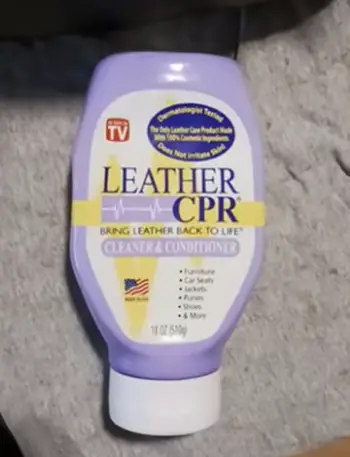
When I first started using CPR Leather Cleaner and Conditioner, I wasn’t expecting a miracle product.
Leather can be surprisingly difficult to maintain because two pieces that look almost identical can react completely differently to the same cleaner.
My goal was simple: I wanted something that could remove ordinary dirt and surface grime while leaving leather feeling conditioned rather than dry.
The first thing I noticed was the convenience. Instead of cleaning with one product and then applying a separate conditioner, CPR combines both steps.
For someone like me who doesn’t want leather care to become a weekend project, that matters.
I began with a small amount on a soft cloth rather than applying a large quantity directly to the leather.
That gave me much better control. I worked in small sections and paid attention to how quickly the surface absorbed the product.
On reasonably maintained finished leather, I found that it helped lift everyday grime and gave the material a cleaner, fresher appearance.
The conditioning effect was equally noticeable. Leather that had started to feel slightly dry became more comfortable to the touch after treatment.
I wouldn’t describe the result as dramatically transforming neglected leather, but it did make regularly maintained leather look and feel more cared for.
I also appreciated that I didn’t need to spend much time buffing afterward. Once I had worked the product into the surface, I could wipe away excess residue with a clean cloth.
Where I became more cautious was with heavily soiled or damaged leather. I wouldn’t expect CPR to repair deep scratches, peeling finishes, cracks, or serious discoloration.
Cleaning and conditioning can improve the appearance of healthy leather, but they can’t reverse structural damage.
My overall first impression was therefore quite positive. CPR makes the most sense to me as a routine leather-care product rather than a restoration treatment.
If you use it regularly and choose the right leather surface, it can make maintenance much easier.
Pros Of CPR Leather Cleaner And Conditioner

- Convenient Two-in-One Formula
The first advantage is obvious: convenience.
I appreciate products that simplify maintenance without making the process feel incomplete. With CPR, I can tackle ordinary cleaning and conditioning during the same session.
That means fewer products sitting around my home and fewer steps to remember.
For someone who owns several leather items, this can make a surprisingly big difference.
- Helps Remove Everyday Dirt
CPR is most useful when you’re dealing with normal surface grime rather than severe damage.
I find that routine dirt, fingerprints, oils, and general buildup are the types of problems a maintenance cleaner should address.
You don’t necessarily need an aggressive chemical treatment every time your leather needs attention. Sometimes what you really need is a product that lets you clean gently and consistently.
- Leaves Leather Feeling Conditioned
Cleaning alone isn’t enough for leather maintenance.
One reason I like the combined approach is that the leather doesn’t simply get stripped and left alone afterward. Conditioning helps maintain a more comfortable feel on appropriate finished-leather surfaces.
The result isn’t necessarily dramatic after every application, but over time, regular care can help leather remain more pleasant to handle.
- Saves Time
I can finish a maintenance session faster when I don’t have to switch between separate cleaner and conditioner products.
That’s especially helpful with large furniture.
If you’ve ever looked at a leather sectional and thought, “I’ll clean that next weekend,” you already understand the problem. A simpler process makes it easier for me to actually do the job.
- Useful for Multiple Leather Items
Another strength is versatility.
Depending on compatibility and manufacturer instructions, I can use a product like CPR on several finished-leather items around the house.
That makes it useful for households with leather furniture, accessories, footwear, and vehicle interiors.
Still, versatility doesn’t mean universal compatibility. I always check the leather type before application.
- Makes Routine Maintenance Easier
This is probably the biggest practical advantage for me.
Leather generally looks better when it’s maintained consistently rather than rescued after years of neglect.
A straightforward cleaner-conditioner encourages that regular habit.
And when a product is easy to use, I’m much more likely to use it regularly.
- Good Option for Preventive Care
I think leather care should be partly preventative.
Instead of waiting until a sofa becomes visibly dry or dirty, I’d rather establish a periodic maintenance routine.
CPR fits that approach well for suitable leather surfaces.
It can help me keep ordinary dirt under control while giving the leather some conditioning during the same process.
Cons Of CPR Leather Cleaner and Conditioner
- It Isn’t a Leather Restoration Product
This is the most important limitation.
If your leather is cracked, peeling, deeply scratched, severely faded, or structurally damaged, cleaning and conditioning won’t magically restore it.
I think expectations matter here.
CPR can support maintenance, but restoration is a different category of work.
- Not Suitable for Every Leather Type
I wouldn’t blindly apply CPR to every leather surface I own.
Suede, nubuck, unfinished leather, exotic leather, and specialty finishes may require different products or professional treatment.
Always check the manufacturer’s recommendations.
- Heavy Stains May Need Specialized Treatment
Ordinary grime is one thing. Permanent stains are another.
Ink, dye transfer, grease, paint, food coloring, and deeply embedded stains may require specialized techniques.
Repeatedly scrubbing those areas with a general cleaner could potentially make the situation worse.
- Results Depend on Leather Condition
The final appearance depends heavily on the condition and finish of the leather.
Healthy leather that’s simply dirty can respond much better than severely neglected material.
I wouldn’t judge the product based solely on whether it can rescue a badly damaged item.
- Excessive Product Can Create Unwanted Residue
More isn’t better.
If I use too much product, I may spend extra time removing residue.
That’s why I prefer applying small amounts and building up only when necessary.
- May Not Replace Specialty Leather Products
If you’re maintaining a very expensive or delicate leather item, a specialized product may still be preferable.
CPR’s versatility is useful, but specialty materials sometimes benefit from specialty care.
Maintenance Tips For CPR Leather Cleaner And Conditioner
- Always Test a Hidden Area First
This is the first thing I recommend.
Before treating the entire surface, I test a small concealed section.
Leather can react differently depending on its finish, dye, age, and previous treatments.
A few minutes of testing can prevent a much bigger problem.
- Remove Dust Before Applying Cleaner
I don’t want loose dust becoming part of the cleaning process.
I first wipe or vacuum the surface gently.
This makes the actual cleaning step more effective and reduces unnecessary rubbing.
- Use a Soft Cloth
A microfiber or similarly soft cloth is my preferred choice.
I avoid rough materials because aggressive friction can damage delicate finishes.
The goal is to clean the leather, not polish it through force.
- Apply Small Amounts
I start with less product than I think I’ll need.
I can always add more.
This gives me better control and helps prevent excessive moisture or residue.
- Work in Small Sections
For large leather furniture, I divide the surface into sections.
This keeps the process organized and helps me maintain consistent coverage.
It also makes it easier to notice whether a particular area is reacting differently.
- Don’t Scrub Aggressively
When I see stubborn dirt, my first instinct can be to rub harder.
That’s exactly when I try to slow down.
Leather isn’t something I want to attack with excessive force. Gentle repeated cleaning is generally preferable to aggressive scrubbing.
- Wipe Away Excess Product
After treating an area, I inspect it for leftover residue.
If I see excess product, I remove it with a clean cloth.
A clean finish should feel conditioned rather than greasy or excessively slick.
- Allow Leather to Settle
After treatment, I give the leather time before immediately subjecting it to heavy use.
This is particularly useful for furniture.
I want the surface to settle naturally rather than immediately loading it with more dirt and body oils.
- Maintain a Regular Cleaning Schedule
I don’t wait until my leather looks terrible.
For heavily used furniture, I prefer periodic light maintenance.
The exact frequency depends on usage, environment, leather type, and manufacturer recommendations.
Comparison Of CPR Leather Cleaner With Other Brands
- CPR vs. Leather Honey
Leather Honey is well known for its conditioning-focused approach.
When I compare the two, CPR appeals to me when I want cleaning and conditioning in one routine. Leather Honey is particularly attractive when conditioning is my primary concern.
The choice therefore depends on what I’m trying to accomplish.
If I’m mainly maintaining everyday leather and want convenience, CPR makes sense.
If conditioning is the central priority and I’m comfortable using a dedicated conditioner, another product may be more appropriate.
- CPR vs. Lexol
Lexol is another familiar name in leather care.
I see Lexol as a strong competitor for people who prefer a more traditional leather-care system.
CPR’s major attraction is simplicity. The combined cleaner-and-conditioner concept reduces the number of steps.
Lexol can appeal to someone who prefers dedicated products for specific stages of leather maintenance.
For me, CPR wins on convenience, while a multi-product approach can provide more control over individual treatment stages.
- CPR vs. Chemical Guys Leather Cleaner and Conditioner
Chemical Guys offers a broad range of automotive detailing products, including leather-care formulas.
When I think about automotive interiors specifically, Chemical Guys has an obvious advantage in terms of its detailing-oriented product ecosystem.
CPR, however, feels more straightforward when my goal is general leather maintenance across different household items.
If you’re already committed to a full car-detailing routine, Chemical Guys may fit naturally into that system.
If you simply want one practical leather-care product, CPR remains appealing.
- CPR vs. Weiman Leather Cleaner and Conditioner
Weiman is another recognizable household name in leather care.
The biggest consideration for me is the intended use and the type of leather I’m treating.
Weiman products can be attractive for household leather furniture, while CPR’s two-in-one positioning also makes it convenient for similar maintenance tasks.
I would make the final decision based on the leather manufacturer’s care instructions rather than choosing purely by brand recognition.
Also Read: Is Weiman Leather Conditioner Worth It?
Frequently Asked Questions (FAQ)
There isn’t one universal winner; the best choice depends on your leather type and cleaning needs.
For suitable finished leather, a gentle cleaner-conditioner such as CPR can be a convenient option.
You can look for CPR Leather Cleaner and Conditioner through major retailers and online marketplaces that carry leather-care products.
It can be suitable for compatible finished-leather Coach bags, but I recommend checking the bag’s care instructions and testing an inconspicuous area first.
Final Verdict
After looking at CPR from a practical user perspective, I see it as a convenient maintenance product rather than a miracle restoration treatment.
I like the two-in-one approach because it saves time and encourages regular leather care. If you own suitable finished leather and want a simple way to clean everyday grime while conditioning the surface, I’d consider buying CPR.
I would be more cautious with delicate, specialty, or badly damaged leather.
For routine furniture, bags, footwear, and compatible automotive leather, CPR is worth considering when simplicity is your priority.
Recent Posts
I tried Meltoway Hair Dissolving Cream because I wanted a quick way to deal with unwanted body hair without reaching for a razor every few days. If you are looking for a convenient at-home...
If you’re considering a saffron-based supplement to support mood, appetite control, and everyday wellness, Happy Saffron Plus is worth considering.I like that it takes a familiar botanical...