
If you’re serious about pickleball, the CPX paddle is a game-changer you need in your bag.
I’ve tried plenty of options, and this one stands out with its blend of power, control, and spin that makes every shot feel effortless.
At around $200 for top models like the Ultra, it’s a steal compared to pricier brands that don’t deliver more.
You owe it to your game to pick one up—trust me, you’ll wonder why you waited.
My First Experience With The CPX Pickleball Paddle
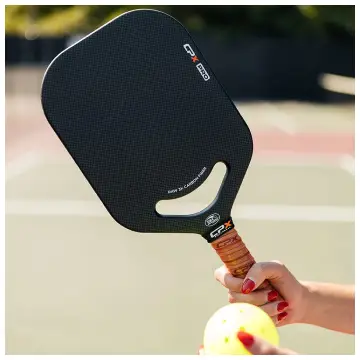
I remember the first time I picked up the CPX Max paddle—it was during a casual pickup game at my local court in Chicago last summer.
I’d been playing with an old wooden paddle that felt like swinging a brick, and a friend handed me his CPX, saying, “Try this; it’ll blow your mind.” From the very first serve, I could tell this was different.
The elongated shape gave me that extra reach I always craved for those baseline drives, and the edgeless design meant no more awkward bounces off the frame.
I slammed a few overheads that zipped past my opponents like they weren’t even there. You know that feeling when a paddle just clicks with your swing? That’s what happened.
Over the next few weeks, I put it through its paces in everything from friendly doubles to a local tournament.
The 14mm core on the Max provided this surprising pop—I wasn’t expecting that much power from something so controllable.
During one intense rally, I was at the non-volley zone, fending off quick volleys, and the paddle’s stability let me reset the point with soft drops that landed just over the net.
My partner kept asking, “Where’d you get that thing?” I even noticed how the aero throat cut down on drag, making my swings feel faster without tiring me out.
Sure, it took a game or two to adjust to the slightly head-heavy balance, but once I did, it enhanced my power shots without sacrificing touch.
I switched to the CPX Ultra for a bit to compare, and wow, the Kevlar friction surface ramped up the spin. Serving with topspin became my secret weapon; the ball would dip sharply, catching people off guard.
In one match, I pulled off a series of third-shot drops that hugged the sideline perfectly. The 16mm core softened things up for better feel on dinks, but it still packed enough punch for drives.
You might think, “Is this paddle for me if I’m intermediate?” Absolutely—it’s forgiving enough for newer players but scales up for advanced ones like me who want to dominate.
After about a month, I’d logged over 50 hours with it. The matte finish held up well against scuffs, and the tennis-style grip stayed comfortable even in sweaty conditions.
One downside I noticed was the sweet spot feeling a tad smaller on mishits, but that pushed me to improve my form.
Overall, using the CPX transformed my confidence on the court. If you’re reading this and hesitating, just imagine how much fun you’ll have unleashing those powerful yet precise shots. It’s not just gear; it’s your edge in every game.
Pros Of Cpx Pickleball Paddle
The CPX pickleball paddle shines in so many ways that I keep reaching for it over others in my collection. Let’s break down what makes it a standout choice for players like you and me.
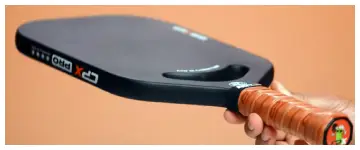
- Exceptional Power Without Losing Control
One thing I love about the CPX, especially the Max and Ultra models, is how it delivers serious power on drives and overheads.
You swing, and the ball explodes off the face—I’ve won points I shouldn’t have because of that pop. But here’s the best part: it doesn’t turn into a wild cannon.
The honeycomb core absorbs just enough to let you place shots precisely, whether you’re at the baseline or kitchen line.
In my games, this balance means fewer unforced errors and more winners.
- Impressive Spin Generation
Spin is where the CPX really excels, thanks to surfaces like the Kevlar on the Ultra. I can slice serves that curve unpredictably, making returns tough for opponents.
You try it, and you’ll see how the friction grips the ball for topspin drops or backspin resets.
Compared to smoother paddles I’ve used, this one adds that extra layer to your strategy, keeping rallies in your favor.
- Comfortable and Ergonomic Design
The tennis-style grip feels natural right away, like an extension of my hand.
No blisters or slips, even after hours of play. The edgeless build reduces vibrations, so my arm stays fresh longer.
If you’re like me and play multiple sessions a week, this design prevents fatigue and lets you focus on the fun.
- Durability That Lasts
I’ve banged this paddle around in intense matches, and it holds up beautifully.
The carbon fiber construction resists wear, and the matte finish doesn’t chip easily.
You won’t be replacing it anytime soon, which saves money in the long run. Plus, it’s USA-made in Chicago, so you know the quality is there.
- Value for the Price
At under $200 for premium models, the CPX offers pro-level performance without breaking the bank.
I’ve paid more for paddles that underperformed, but this one punches above its weight.
You get free extras like covers or grips sometimes, making it even sweeter.
- Versatility for All Skill Levels
Whether you’re starting out or competing, the CPX adapts.
Beginners appreciate the forgiveness, while advanced players like me exploit the power-spin combo.
It’s not overly specialized, so you can grow with it.
Cons Of Cpx Pickleball Paddle
No paddle is perfect, and the CPX has a few quirks I’ve noticed in my time with it. Here’s what you should know before picking one up.
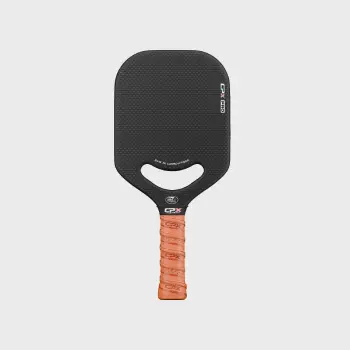
- Head-Heavy Balance Can Feel Off at First
The elongated shape adds weight up top, which boosts power but might tire your wrist if you’re used to lighter paddles.
I adjusted after a few games, but you could find it challenging in quick exchanges.
- Smaller Sweet Spot on Some Models
Mishits don’t forgive as much as wider paddles.
If your stroke isn’t spot-on, the ball might not pop like you want. I’ve had a few shanks that reminded me to stay focused.
- Limited Customization Options
While solid out of the box, it doesn’t offer as many grip sizes or weights as some brands.
You might need to add tape for tweaks, which isn’t ideal if you prefer factory-perfect fits.
- Not the Lightest Option
At around 8 ounces, it’s mid-weight, but if you crave ultra-light speed, this might feel sluggish.
I like the stability, but you could prefer something zippier for volleys.
- Spin Wears Down Over Time
The friction surface is great initially, but after heavy use, spin diminishes a bit. Regular cleaning helps, but it’s not eternal like some premium coatings.
Maintenance Tips For Cpx Pickleball Paddle
Keeping your CPX paddle in top shape is straightforward, and I’ve learned a few tricks to make it last. Follow these, and you’ll enjoy peak performance for years.
- Regular Cleaning Routine
After every session, wipe the face with a damp microfiber cloth to remove dirt and sweat.
Avoid harsh chemicals—they can damage the surface and reduce spin.
If it’s really grimy, use a mild soap solution, but rinse thoroughly and dry immediately.
I do this weekly, and it keeps the friction fresh for better grip on the ball.
- Proper Storage Practices
Never leave your paddle in a hot car or direct sunlight; heat can warp the core.
Store it in a padded case at room temperature. I keep mine in my bag with the edge guard protected to prevent dings.
This simple habit has saved me from costly replacements.
- Grip Maintenance
Check the grip for wear—sweat builds up and makes it slippery.
Replace overgrips every few months if you play often.
Clean with a damp cloth and let air dry. A fresh grip improves control, and I’ve noticed my shots stay consistent longer this way.
- Edge and Surface Inspection
Inspect for cracks or loose edges regularly.
If you see damage, tape it up to avoid worsening.
For carbon fiber faces, use a soft eraser for stubborn marks, but gently to preserve texture. I check mine monthly, catching issues early.
- Avoiding Common Mistakes
Don’t use your paddle to pick up balls—that scratches the face
Keep it away from water; submersion can delaminate layers.
If it’s wet from rain, dry it right away. These precautions keep the integrity intact.
- Long-Term Care
Rotate paddles if you have multiples to spread wear. Every six months, assess if the core feels mushy—time for a new one then. With care, your CPX can handle hundreds of games without losing its edge.
Comparison CPX Pickleball Paddle With Other Brands
When I stack the CPX against big names, it holds its own in unique ways. Here’s how it fares, based on my court time with each.
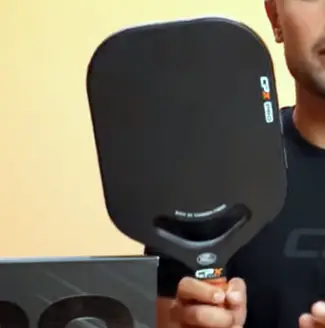
- CPX Pickleball Paddle Versus Selkirk
Selkirk paddles, like the Vanguard series, emphasize control with their thick cores and large sweet spots.
I find them more forgiving on off-center hits than the CPX, which suits defensive play.
But the CPX edges out in raw power—the Max model’s pop lets me attack more aggressively.
Selkirk’s spin is solid, yet the CPX Ultra’s Kevlar gives me that extra bite on serves.
If you prioritize plush feel, Selkirk might win, but for balanced aggression, I lean CPX. Their durability is comparable, though Selkirk’s premium lines feel a touch more robust in long sessions.
- CPX Pickleball Paddle Versus JOOLA
JOOLA’s Perseus Pro IV is a beast for spin and power, especially the 14mm version that explodes on drives.
I’ve used it and loved the dwell time for touch shots, but it can feel less stable than the CPX on volleys. The CPX Max offers similar pop without the occasional overhit issues I had with JOOLA.
Price-wise, CPX is often cheaper, and while JOOLA has faced delisting drama for some models, CPX stays reliably legal.
If you’re a banger, JOOLA tempts, but CPX’s control makes it my pick for all-court reliability.
- CPX Pickleball Paddle Versus Paddletek
Paddletek’s Bantam TKO-C packs serious power in a hybrid shape, with impressive stability that rivals the CPX Ultra.
I appreciate its forgiveness, but the CPX feels lighter in hand, aiding quick reactions at the net. Spin on Paddletek is top-tier, close to CPX, yet the edgeless CPX design reduces mishaps.
Durability is a win for Paddletek—they last forever—but CPX’s value at a lower price point sways me.
For pure power players, Paddletek shines, but CPX’s versatility suits my mixed style better.
Why You Should Like The CPX Pickleball Paddle?
Listen, if you’re anything like me—someone who hits the court a few times a week, chases better shots, and gets genuinely excited about gear that actually makes a difference—you’re going to love what the CPX paddle brings to your game.
I started skeptical, thinking “another carbon fiber paddle, big deal,” but after switching to one, I can’t imagine going back. It’s not just hype; it’s the kind of equipment that makes you smile mid-rally because your drives land harder, your drops sit softer, and your spin actually does something sneaky.
You should like it because it feels like it was built for real players who want pro-level performance without paying pro-level prices or dealing with overhyped brands that underdeliver.
First off, the power-control balance is addictive. You know how some paddles either feel like a wet noodle or a sledgehammer? The CPX (especially models like the Max or Ultra) hits this sweet middle ground.
I can swing confidently from the baseline and still feel like I have touch at the kitchen. That 14mm or 16mm thermoformed core gives this explosive pop without turning every shot into a gamble.
Opponents have literally asked me after games, “What are you using? That thing has some serious juice.” And yeah, it does—without sacrificing the precision you need when points get tight.
Then there’s the spin. The textured surfaces (Kevlar friction on the Ultra is next-level) let you put real bite on serves and third-shot drops.
You flick your wrist, and the ball dips or kicks unpredictably. I’ve turned defensive positions into offensive opportunities just because the paddle grips the ball so well.
If you like outsmarting people with spin rather than just blasting everything, this is your paddle.
Reviewers and players keep saying the same: it’s poppy, accurate, and helps you place shots exactly where you want them.
Also Read: Comparison Of Selkirk Luxx Epic And Invikta
Frequently Asked Questions (FAQ)
Kyle Sulkar.
Honolulu Sword & Shield J2NF.
Chicago, IL.
$199.97.
Wrapping Up
In the end, the CPX pickleball paddle has elevated my game like no other.
With its power, spin, and control, it’s perfect for anyone ready to level up.
Don’t miss out—grab one today and feel the difference on the court. You won’t regret it.
Recent Posts
I spent months comparing budget options against established names after my last set of tires wore out sooner than expected.My goal here is to share what I learned from putting Dextero and...
AquaTru Carafe Vs. Classic: Which Is Actually Fits Your Kitchen?
I decided to write this comparison after months of testing both the AquaTru Carafe and the Classic in my own kitchen. Tracking covered daily use.Taste stayed consistent. Refill frequency...