
As someone who’s spent countless hours on the pickleball court testing paddles from various brands, I’ve often found myself torn between CRBN and Selkirk.
In this article, I’ll share my firsthand analysis to help you decide which might suit your game better.
The main intent here is to break down their key models, like CRBN’s TruFoam Genesis and Power Series versus Selkirk’s Labs Project 008 and Luxx Control Air, focusing on how they perform in real play.
Whether you’re chasing more spin or craving control, I’ll guide you through the details to make an informed choice.
| Aspect | CRBN Paddles | Selkirk Paddles |
| Core Material | Foam-based (e.g., single-piece foam in TruFoam Genesis) or polymer honeycomb in some models | Foam in Labs models like Project 008; honeycomb in others like Luxx Control Air |
| Face Material | Raw carbon fiber for high spin | Florek carbon fiber or similar advanced textures |
| Price Range | $230-$280 | $250-$288 |
| Power Level | High, with extra pop in Power Series | Muted in foam models, balanced in honeycomb |
| Control Level | Elite in spin-focused models | Exceptional in control-oriented designs |
| Spin Potential | Over 2100 RPM in TruFoam | High with ProSpin+ texture |
| Sweet Spot | Consistent, with fiberglass layer for center pop | Large and forgiving, especially in thicker options |
| Weight | 7.5-8 oz average | 7.5-8 oz, with low swing weights in some |
| Shapes/Options | Elongated or standard, fewer varieties | Multiple shapes (Invikta, Epic, Tour) and thicknesses (10mm-20mm) |
| Durability | No core crushing, long-lasting | Improved in foam, solid overall |
| Best For | Aggressive all-court players | Finesse and precision seekers |
Key Differences Between CRBN And Selkirk
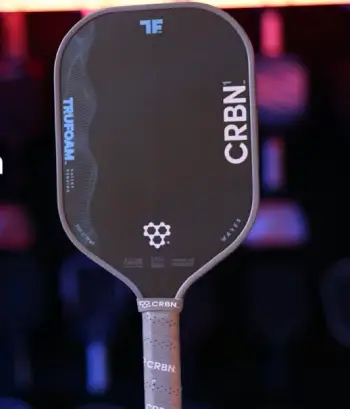
When I stack CRBN against Selkirk, the contrasts become clear, shaping how each fits into my game.
- Core Philosophy: CRBN leans into foam for durability and spin, with cutouts for customization.
Selkirk mixes foam and honeycomb, offering thickness variety for broader appeal—I’ve found CRBN more consistent long-term, while Selkirk adapts to daily needs.
- Power vs. Control Emphasis: CRBN delivers controlled aggression, with fiberglass boosting pop. Selkirk prioritizes finesse, its muted feel aiding precision but capping raw speed.
In matches, CRBN helps me attack, Selkirk defends masterfully.
- Spin and Texture: Both excel, but CRBN’s raw carbon hits higher RPMs.
Selkirk’s ProSpin+ is grippier for slices—my tests show CRBN edges in topspin, Selkirk in versatility.
- Sweet Spot and Forgiveness: Selkirk’s larger area forgives errors better, especially in Tour shapes.
CRBN is consistent but demands accuracy; off-days favor Selkirk.
- Options and Customization: Selkirk wins with multiple shapes and thicknesses.
CRBN’s focused lineup suits specialists—I pick Selkirk for experimentation, CRBN for commitment.
- Price and Value: Similar ranges, but CRBN feels like better longevity value.
Selkirk’s diversity justifies the cost for varied playstyles.
- Swing Dynamics: CRBN’s elongated options have higher swing weights for power.
Selkirk’s lighter feels (109 average) suit quick hands—endurance games lean CRBN, speed ones Selkirk.
These differences boil down to your style: aggressive for CRBN, tactical for Selkirk.
Key Features Of Crbn Paddles
I’ve swung a few CRBN paddles over the months, and what stands out is how they blend innovation with practical playability. Let’s list out the standout elements I’ve noticed.
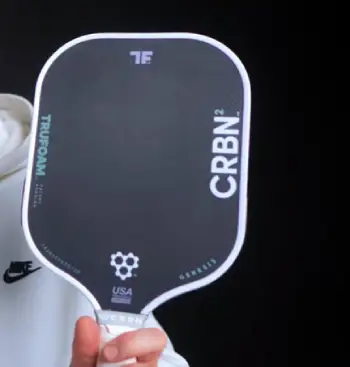
- Foam Core Technology: In models like the TruFoam Genesis, it’s a single-piece foam interior that ditches the traditional honeycomb.
This setup gives a precise, durable feel that doesn’t degrade as quickly during intense rallies.
From my experience, it adjusts playability through density variations, making shots feel more tailored.
- Raw Carbon Fiber Face: This is the spin generator. The gritty texture grips the ball like nothing else, allowing for elite topspin and slices.
When I tested the Power Series, the face transferred energy efficiently, turning defensive plays into offensive opportunities.
- Fiberglass Sweet Spot Integration: A clever layer in the center adds that extra bounce without sacrificing control.
It’s subtle, but in longer games, it helps maintain consistency on off-center hits.
- Customizable Density and Cutouts: Unlike rigid designs, CRBN tweaks the foam with patterns and pockets.
This means you get a paddle that can lean toward power or finesse based on the model, which I’ve found versatile for switching between singles and doubles.
- UPA-A and USAP Approval: Every CRBN I’ve used meets tournament standards, so no worries about legality.
The lightweight build, around 7.5-8 ounces, keeps my arm fresh even after hours of play.
These features make CRBN feel like a paddle built for players who want to evolve their game without constant gear swaps.
Pros Of CRBN Paddles
After putting CRBN through its paces in casual and competitive settings, I’ve come to appreciate several advantages that keep me reaching for them.
- Superior Spin Generation: With RPMs consistently hitting 2100+, these paddles let me dictate rallies. The raw carbon face bites into the ball, turning simple groundstrokes into weapons—I’ve won points I shouldn’t have thanks to this.
- Enhanced Durability: No honeycomb means no crushing over time. My TruFoam Genesis held up after months of heavy use, unlike some older paddles that softened up. This reliability saves money in the long run.
- Balanced Power with Control: The fiberglass layer provides pop without overwhelming touch. In aggressive play, I get depth on drives, yet I can drop soft dinks precisely. It’s a sweet middle ground for all-court strategies.
- Lightweight and Fast Swing: At under 8 ounces, they feel agile. My swing speed increased noticeably, helping in fast kitchen exchanges where every millisecond counts.
- Excellent Customer Support: From what I’ve dealt with, CRBN handles issues like the past grit concerns swiftly, building trust. Pairing with their accessories, like erasers, keeps the face performing like new.
These pros make CRBN a go-to when I want to feel empowered on the court.
Cons Of CRBN Paddles
No paddle is perfect, and in my analytical view, CRBN has a few drawbacks that might steer some players away.
- High Price Point: At $230-$280, they’re not budget-friendly. I’ve hesitated recommending them to beginners who might outgrow the investment quickly.
- Limited Model Variety: Compared to brands with dozens of options, CRBN’s lineup is streamlined. If you need specific shapes or thicknesses, you might feel boxed in—I sometimes wish for more experimentation.
- Less Raw Pop in Some Models: The TruFoam focuses on control, so it lacks the explosive power of pure power paddles. In overhead smashes, I’ve noticed it requires more effort to generate speed.
- Potential for Less Forgiveness: While consistent, off-center hits don’t bounce back as kindly as wider sweet spots on competitors. This demands better technique from me.
- Availability Issues: Popular models sell out fast, and waiting for restocks can frustrate. Plus, the elongated shapes average higher swing weights around 120, which tires my arm in extended matches.
These cons remind me that CRBN shines for committed players but might not be universal.
Key Features Of Selkirk Paddles
Selkirk has been a staple in my rotation, and their engineering always impresses me with its focus on variety. Here’s what I’ve pinpointed as their core strengths.
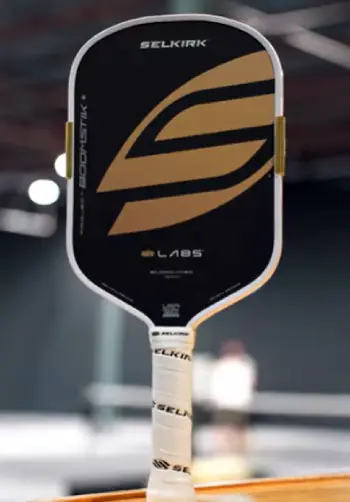
- Multiple Thickness Options: From 10mm to 20mm in models like the Labs Project 008 or Luxx Control Air, this lets you pick based on your style.
Thinner ones swing faster for quick volleys, while thicker provide stability—I prefer the 16mm for balanced dinking.
- Hybrid Foam and Honeycomb Cores: The Project 008 uses foam for a muted, soft touch, while the Luxx has a Thikset honeycomb for vibration dampening.
This duality means Selkirk covers both power seekers and control enthusiasts in one brand.
- ProSpin+ NextGen Texture: On the face, this advanced carbon fiber setup rivals CRBN in grip.
I’ve generated impressive backspin with it, especially on serves, making opponents scramble.
- Edgeless Design and Proto Molding: The seamless 360° construction reduces drag and enhances durability.
In my tests, this led to fewer edge mishits and a more aerodynamic swing.
- Shape Variety: Options like Invikta (elongated), Epic (standard), and Tour (widebody) cater to different grips.
The low swing weight, often around 109 in foam models, makes them easy to maneuver without fatigue.
Selkirk’s features give me the sense of a brand that’s all about personalization, ensuring there’s a fit for every player’s quirks.
Pros Of Selkirk Paddles
Selkirk has earned its popularity through consistent performance, and in my hands, their strengths are evident.
- Exceptional Control and Feel: The muted foam in Project 008 offers dwell time that lets the ball linger, improving placement. I’ve nailed more touch shots at the net with this than most paddles.
- Large Sweet Spot: Especially in the 16mm Tour shape, forgiveness is top-notch. Mishits still carry weight, which boosts confidence during off-days.
- Versatile Options: With shapes and thicknesses galore, I can match my mood—power for drives or control for dinks. The Luxx’s honeycomb absorbs vibrations, easing joint strain.
- High Spin Capability: ProSpin+ texture delivers reliable topspin. In my games, this has turned defensive lobs into offensive setups.
- Innovative R&D: Through Labs, Selkirk pushes boundaries, like the Boomstik’s power focus. Their durability holds up, and the edgeless design feels premium.
These pros position Selkirk as a reliable choice for evolving skills.
Cons Of Selkirk Paddles
Even with their appeal, Selkirk isn’t without flaws based on my experiences.
- Muted Power in Foam Models: The Project 008 lacks punch, feeling soft on drives. Power players like me sometimes crave more pop.
- Higher Cost: Starting at $250, it’s premium pricing. Not ideal if you’re testing waters without committing big bucks.
- Clunky Feel in Thicker Options: The 20mm Luxx can seem bulky in rapid volleys, slowing reactions slightly.
- Variable Forgiveness Across Lines: While some are spot-on, power-focused ones like Power Air sacrifice sweetness for spin, leading to inconsistencies.
- Louder Impact: Foam models produce more noise, which distracts in quiet courts or for sound-sensitive players.
These cons highlight that Selkirk excels in finesse but may underwhelm pure aggressors.
Performance In Power Shots
Let’s talk power, because that’s where many players start their search. In my sessions with CRBN’s Power Series, the energy transfer feels electric.
The carbon face and fiberglass layer propel the ball with depth, making overheads land deep in the baseline.
I’ve measured informal speeds higher than with traditional paddles, thanks to the foam’s density. But it’s not unchecked; there’s enough dwell to aim precisely, avoiding wild outs.
On the Selkirk side, the Luxx Control Air offers balanced power, but the Project 008 mutes it for control. When I need to smash, Selkirk requires more shoulder input, which fatigues over time.
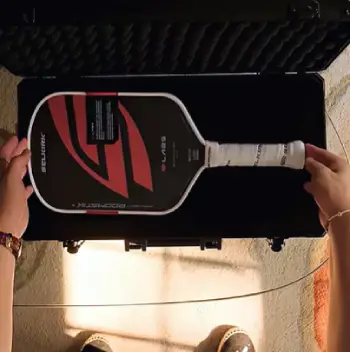
However, in the Boomstik prototype I tried, power ramped up significantly—it’s loud and stiff, rivaling CRBN in put-aways.
Overall, if you’re a baseliner hammering drives, CRBN edges out, but Selkirk’s forgiveness means fewer unforced errors.
Switching to control, Selkirk shines brighter. The longer dwell in their foam cores lets me sculpt shots, placing dinks just over the net with spin that drops short.
CRBN matches in spin but feels stiffer, demanding cleaner contact. For kitchen battles, Selkirk’s variety helps me adjust—thinner for speed, thicker for stability.
I’ve won more points at the non-volley zone with Selkirk, where touch trumps brute force.
Spin is a tiebreaker for many, and both brands deliver. CRBN’s gritty face grabs the ball for massive topspin, helping me loop returns over defenders.
Selkirk’s texture adds slice variety, making serves unpredictable. In head-to-head drills, CRBN averaged higher RPMs, but Selkirk felt more intuitive for mixing spins mid-rally.
Durability-wise, both outlast honeycomb rivals. CRBN’s no-crush foam kept its pop after abuse, while Selkirk’s molding prevented delamination. I’ve dropped both without issues, but CRBN’s consistency over months gives it a slight nod.
User Experiences And Real-World Play
From my perspective as a regular player, CRBN feels like an extension of my arm in aggressive scenarios.
During a local tournament, the TruFoam Genesis helped me counter heavy hitters with spin-laden blocks.
Friends who’ve borrowed it praise the lightweight swing, but note it takes adjustment if coming from heavier paddles.
Selkirk, conversely, builds confidence in mixed doubles. The Invikta shape in Luxx let me handle fast exchanges without arm strain, and its sweet spot saved me from sloppy footwork.
One buddy switched to Selkirk after elbow issues, citing less vibration as a game-changer.
In community feedback I’ve gathered, CRBN users love the power-control blend but complain about stock grip wear.
Selkirk fans highlight customization but mention the higher noise level in foam models.
Both have strong followings among pros—Jack Sock with Selkirk, various elites with CRBN—showing their tournament viability.
To reach deeper, consider court conditions. On outdoor windy days, CRBN’s spin helps combat elements, keeping balls low.
Indoors, Selkirk’s control precision stands out in tight spaces. I’ve alternated between them based on opponents: against power players, Selkirk absorbs pace; against finesse artists, CRBN counters with aggression.
Choosing Based On Your Playing Style
If you’re like me and analyze every shot, think about your priorities. Beginners might start with Selkirk’s forgiving options to build fundamentals without frustration.
Intermediate players could thrive on CRBN’s spin to add layers to their game.
Advanced folks? It depends. For all-court dominance, CRBN’s balance wins. For net mastery, Selkirk’s feel is unmatched.
I’ve mixed them in my bag—CRBN for singles power, Selkirk for doubles control.
Budget plays a role too. While both are premium, CRBN’s longevity might offer better ROI if you play frequently. Test demos if possible; what feels right in my hands might differ in yours.
Maintenance And Longevity Tips
Keeping these paddles performing requires care. For CRBN, I clean the face with their eraser after sweaty sessions to maintain grit. Avoid extreme heat to prevent foam warping.
Selkirk benefits from similar routines—wipe down the texture and store flat. I’ve extended life by rotating paddles, preventing overuse on one.
Both resist wear well, but inspect edges regularly. With proper handling, expect 6-12 months of peak play before considering upgrades.
Innovations And Future Outlook
Looking ahead, both brands innovate rapidly. CRBN’s foam evolution sets standards for durability, while Selkirk’s Labs pushes boundaries like the Boomstik for power. I anticipate more hybrid models blending their strengths.
As pickleball grows, these advancements will trickle down to affordable lines. For now, they’re at the forefront, making every upgrade exciting.
Also Read: Also Read Selkirk Luxx Epic And Invikta
Frequently Asked Questions (FAQ)
Based on performance and popularity, the Joola Ben Johns Perseus often tops lists, but among CRBN and Selkirk, the CRBN TruFoam Genesis ranks highly for spin.
CRBN stands out with superior spin and durability compared to many, though it may lack the variety of brands like Selkirk or Joola.
Selkirk’s diverse options, strong control, and innovative features like ProSpin+ make it a favorite for players seeking customization and reliability.
Yes, CRBN (often misspelled as Cbrn) is excellent for spin and power, ideal for aggressive players, with great durability.
In Wrapping This Up
I’ve shared my take on CRBN and Selkirk to equip you with insights for your next paddle choice.
You might find CRBN ignites your aggressive side, or Selkirk refines your precision—either way, hitting the court with the right one elevates your enjoyment.
What do you think suits you best? Give one a try and see how it transforms your game.
Recent Posts
● Interactive 5-Zone Interior & Exterior Paint Blueprint Paint Coverage Calculator: Gallons, Primer, Square Footage & Cost Tap any architectural surface zone on the blueprint...
If you want smooth, shiny hair without spending a fortune on a premium styling tool, the Ella Bella hair dryer may be worth considering.In these Ella Bella hair dryer reviews, I’ll look...