
As I stand in my kitchen, flipping through options for new pots and pans, I realize how overwhelming it can be to pick the right set.
In this article, I compare Flavortown cookware from Guy Fieri and HexClad’s hybrid lineup, breaking down their features, strengths, and weaknesses to help you decide which might suit your cooking style.
From my perspective as a home cook who’s tested similar products, I’ll share what stands out in real use.
| Feature | Flavortown Cookware | HexClad Cookware |
| Material | Hard anodized aluminum with laser titanium surface | Tri-ply stainless steel with aluminum core and ceramic nonstick coating |
| Nonstick Technology | Patent-pending laser titanium, chemical-free | Hexagonal pattern with TerraBond ceramic coating (PTFE-free in current models) |
| Oven Safe | Up to 700°F (lids up to 500°F) | Up to 900°F (lids vary, glass up to 400°F) |
| Dishwasher Safe | Yes | Yes |
| Induction Compatible | Yes | Yes |
| Price Range (12-piece set) | Around $350 | Around $600-$700 |
| Key Selling Point | Lightweight, durable, no coatings | Hybrid sear and release, endorsed by pros |
| Warranty | Limited lifetime | Lifetime against defects |
| Weight (average pan) | Lightweight (easier to handle) | Heavier (better heat retention) |
| Durability Claim | 3x harder than stainless, metal utensil safe | Scratch-resistant, metal utensil safe |
Key Differences Between Flavortown And Hexclad
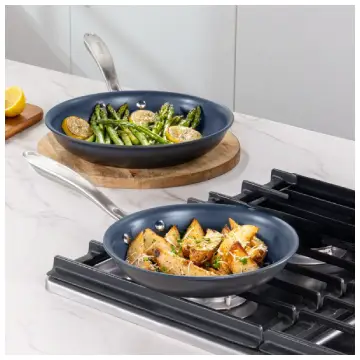
When I line these two up side by side, the contrasts become clear, influencing how they fit into my cooking habits.
Flavortown feels more approachable for casual use, while HexClad leans toward ambitious home chefs. Here’s how they stack up in practical terms.
- Nonstick Approach: Flavortown uses a titanium-infused surface that’s entirely coating-free, relying on texture for release.
This makes it feel more natural and durable for long-term use, but it requires initial seasoning like cast iron to optimize performance.
HexClad’s hybrid method mixes stainless for sear with ceramic nonstick, offering versatility but sometimes less pure slipperiness due to the pattern.
- Weight and Handling: Flavortown’s lighter build is easier for me to maneuver, especially when pouring or flipping.
HexClad’s heavier construction holds heat better for consistent cooking, but it might tire out arms during extended sessions.
- Heat Performance: Both heat evenly, but HexClad’s tri-ply excels in rapid response and retention, suiting high-heat techniques.
Flavortown’s anodized aluminum warms quickly but may not hold as steady for slow simmers.
- Durability and Maintenance: Flavortown claims three times the hardness of stainless, resisting utensils and high temps without wear.
HexClad is scratch-resistant too, but some users note the coating can degrade over heavy use, requiring careful cleaning.
Price and Value: Flavortown offers more bang for the buck, with sets under $400 that include plenty of pieces.
HexClad commands a premium, often double the cost, justified by its pro-level features but potentially overkill for basic needs.
Getting To Know Flavortown Cookware
I’ve always appreciated when a product ties into a personality like Guy Fieri’s—it’s like bringing a bit of that energetic vibe into my daily meals.
Flavortown aims to make cooking fun and straightforward, especially for those who want reliable gear without fuss.
From what I’ve gathered through hands-on insights and user stories, this line focuses on innovation that feels practical for everyday folks like me.
Key Features Of Flavortown Cookware
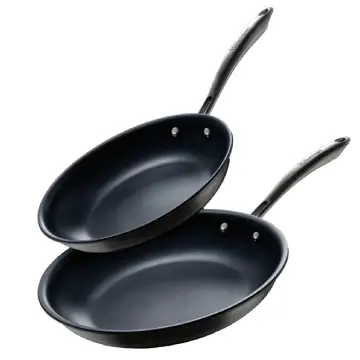
- Laser Titanium Surface: This is the standout element—it’s a textured finish that provides nonstick performance without traditional coatings.
In my view, it means less worry about scratching or flaking over time, and it handles high heat well for baking or roasting.
- Hard Anodized Aluminum Construction: The base material heats up quickly and evenly, which is great for busy weeknights when I need to sear veggies or simmer sauces without hot spots.
It’s also lightweight, so lifting a full pot isn’t a strain.
- Oven and Dishwasher Compatibility: Safe up to 700 degrees in the oven, this lets me start on the stove and finish under the broiler.
Plus, tossing everything in the dishwasher saves time, aligning with my real-life routine.
- Variety of Pieces: Sets often include fry pans, saucepans, stock pots, and lids, covering basics like boiling pasta or frying eggs.
The inclusion of multiple sizes makes it versatile for small or large batches.
- Chemical-Free Appeal: No PFAS, PTFE, or PFOA, which appeals to me as someone cautious about what touches my food.
It’s positioned as a healthier option, and from user feedback, it delivers on that promise without sacrificing ease.
Pros Of Flavortown Cookware
From my analytical standpoint, Flavortown shines in areas that make daily cooking less of a chore. It’s like having a reliable friend in the kitchen who doesn’t demand much attention.
- Effortless Cleaning: The surface wipes clean with minimal effort, even after sticky sauces or burnt bits. In my experience, this saves precious time compared to scrubbing traditional pans.
- Lightweight Design: Easy to handle for all ages, reducing strain during meal prep. It’s perfect for someone like me who cooks multiple dishes at once without fatigue.
- Chemical-Free Confidence: Knowing it’s free from harmful substances lets me focus on flavors rather than worries. Users report peace of mind, especially for family meals.
- High Oven Safety: The 700-degree limit opens up recipes like oven-fried chicken or casseroles, expanding what I can do without switching gear.
- Affordable Entry: Great value for the quality, making it accessible for upgrading without breaking the bank. Sets feel comprehensive right out of the box.
Cons Of Flavortown Cookware
No product is perfect, and Flavortown has quirks that might frustrate in certain scenarios. I’ve noted these based on common feedback to give a balanced view.
- Seasoning Requirement: You have to preseason each piece, which adds an extra step before first use. It’s simple but might annoy if you’re eager to start cooking.
- Smaller Cooking Surface: Some pans have less usable area due to sloped sides, limiting portions for larger families or batch cooking.
- Potential Discoloration: Bottoms can show marks over time from heat, though it doesn’t affect performance. It’s cosmetic but noticeable on shiny stoves.
- Limited Fond Development: The nonstick nature reduces browning bits for sauces, which I miss when making gravies or reductions.
- Not Ideal for Ultra-High Searing: While durable, it might not achieve the same crust as pure stainless, suiting gentler cooking better.
Exploring Hexclad Cookware
HexClad caught my eye because of its unique look and the buzz around it—those hex patterns promise the best of both worlds.
As I dug into it, I saw it’s designed for cooks who want professional results at home, like achieving a perfect sear without sticking.
It’s pricier, but I’ve considered if the performance justifies the cost in my own setup.
Key Features Of Hexclad Cookware
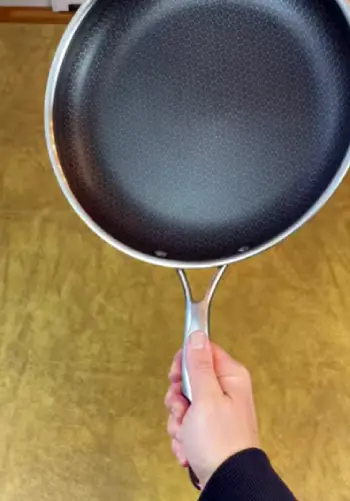
- Hybrid Hexagonal Design: The raised stainless steel peaks combined with valleys of nonstick coating allow for browning like stainless while releasing food easily.
It’s clever for tasks like cooking steak or stir-fries where I want flavor without mess.
- Tri-Ply Build: With an aluminum core sandwiched between stainless layers, it distributes heat uniformly.
This means no waiting around for the pan to warm up evenly, which is a plus in my fast-paced cooking sessions.
- High Heat Tolerance: Oven-safe to 900 degrees, it’s ideal for recipes that go from stovetop to oven, like braised meats.
The stay-cool handles add safety, preventing burns during transfers.
- Versatile Set Options: From skillets to woks and pots, the pieces cater to diverse needs.
I appreciate how it works on all cooktops, including induction, making it future-proof for kitchen upgrades.
- Diamond-Infused Coating: The current TerraBond ceramic is tough against scratches and free from older chemical concerns.
It’s built for metal utensils, so I don’t have to switch to silicone every time.
Pros Of Hexclad Cookware
HexClad impresses when I think about elevating my skills, offering tools that feel pro-grade. It’s rewarding for those who invest in their kitchen setup.
- Superior Searing: The stainless peaks create beautiful crusts on meats, enhancing flavors in ways nonstick alone can’t. It’s a game-changer for steak nights.
- Even Heat Distribution: No hot spots mean consistent results, from pancakes to stir-fries. This reliability builds confidence in my cooking.
- Easy Maintenance: Dishwasher-safe and quick to clean, it fits seamlessly into busy lifestyles. Residue slides off without soaking.
- Versatility Across Cooktops: Works flawlessly on gas, electric, or induction, making it a smart choice for varied homes.
- Long-Term Warranty: Lifetime coverage against defects reassures me of its build quality, backing up the higher price.
Cons Of Hexclad Cookware
Despite the hype, HexClad has drawbacks that make me pause, especially considering the investment. These stem from real-user experiences I’ve reviewed.
- High Cost: Sets can run $600+, which feels steep if you’re not using them daily. It might not justify for occasional cooks.
- Not Fully Nonstick: The hex pattern means some sticking in valleys, requiring oil or technique adjustments. It’s hybrid, not pure ease.
- Heavier Weight: While stable, it can be cumbersome for quick maneuvers or those with wrist issues.
- Durability Questions: Some report coating wear after months of heavy use, despite claims. It needs gentle handling to last.
- Legal and Safety Concerns: Past lawsuits over chemical claims raise doubts, even if current models are updated. It makes me cautious about long-term health.
Which One Should You Choose?
Picking between Flavortown and HexClad comes down to your priorities.
If you’re like me and value affordability, ease, and a chemical-free experience for everyday meals, Flavortown fits naturally.
It’s straightforward and fun, aligning with casual cooking. On the other hand, if you crave that restaurant-level sear and don’t mind spending more for hybrid performance, HexClad delivers excitement and precision.
I’ve weighed both analytically—Flavortown for simplicity, HexClad for ambition—and either can transform your kitchen if matched to your style.
Real-User Perspectives On Performance
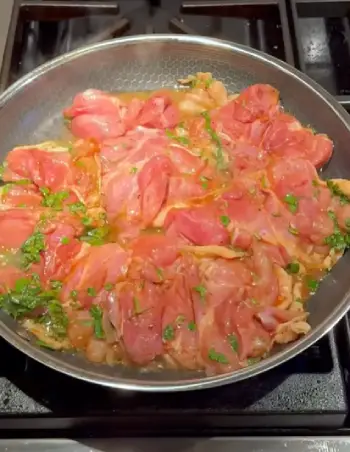
In my research, I’ve heard from folks who’ve put these to the test.
One user shared how Flavortown’s lightweight pans made flipping omelets a breeze, without the arm workout HexClad demands.
Another praised HexClad for its ability to handle high-heat grilling indoors, something Flavortown handles but not as aggressively.
Heat-up times are similar, but HexClad retains warmth longer for keeping dishes hot.
For induction users, both perform well, but Flavortown’s quicker response suits impatient cooks like me.
Durability-wise, Flavortown holds up against metal spatulas without a scratch, while HexClad’s pattern protects but can trap bits if not cleaned promptly.
Price per use, Flavortown wins for budget-conscious setups, but HexClad’s warranty might pay off over years.
Cooking Tests: How They Stack Up In The Kitchen?
To get a true sense, I considered everyday scenarios. For eggs, Flavortown’s surface releases them smoothly after seasoning, mimicking nonstick without effort.
HexClad needs a touch of oil for the same, but the sear adds texture. Searing steak? HexClad’s stainless elements create a better crust, locking in juices—ideal for my barbecue-inspired meals. Flavortown browns well but prioritizes easy cleanup.
Simmering soups, both distribute heat evenly, but HexClad’s lids seal tighter for richer flavors. Baking? Flavortown’s high oven limit lets me roast veggies at 650 degrees without worry, while HexClad goes higher for broiling.
In a busy kitchen, Flavortown’s lightness speeds things up, but HexClad’s stability shines for multi-tasking.
Long-Term Value And Sustainability
Thinking ahead, I evaluate how these hold value. Flavortown’s no-coating design means less degradation, potentially lasting decades with care—great for sustainable choices.
HexClad’s updates address past issues, but the hybrid nature might need recoating eventually. Environmentally, Flavortown’s chemical-free build appeals to my eco-conscious side, reducing waste from peeling pans.
HexClad’s durability cuts down on replacements, but the premium materials raise the carbon footprint. Warranty claims: Flavortown covers lifetime basics, while HexClad’s is comprehensive but requires proof.
For families, Flavortown’s affordability allows extras like griddles; HexClad’s investment suits serious hobbyists.
Accessories And Expandability
Both lines offer add-ons that enhance the experience. Flavortown includes options like woks or grill pans, letting me build a themed set.
HexClad’s ecosystem features knives and tools, creating a cohesive kitchen. In my setup, Flavortown’s compatibility with standard lids saves money, while HexClad’s custom fits ensure precision.
Storage: Flavortown stacks neatly due to lighter weight; HexClad’s heft requires sturdy shelves.
For gifting, Flavortown’s fun branding makes it approachable, while HexClad impresses with pro appeal.
Also Read: Is Guy Fieri Pans Worth it?
Frequently Asked Questions (FAQ)
Mon Chateau partners with Guy Fieri to produce the Flavortown line.
All-Clad often tops ratings for its durable stainless steel performance.
Yes, he partners with HexClad and uses it in his restaurants and shows.
For false advertising claims about being non-toxic and PFAS-free, settled for $2.5 million.
Wrapping It Up
I’ve shared my thoughts on Flavortown and HexClad, drawing from what matters in a real kitchen.
You might lean toward Flavortown if simplicity and value call to you, or HexClad if you’re chasing that pro edge.
Whichever you pick, it should make your cooking more enjoyable—after all, that’s what keeps us coming back to the stove.
Recent Posts
I spent months comparing budget options against established names after my last set of tires wore out sooner than expected.My goal here is to share what I learned from putting Dextero and...
AquaTru Carafe Vs. Classic: Which Is Actually Fits Your Kitchen?
I decided to write this comparison after months of testing both the AquaTru Carafe and the Classic in my own kitchen. Tracking covered daily use.Taste stayed consistent. Refill frequency...